











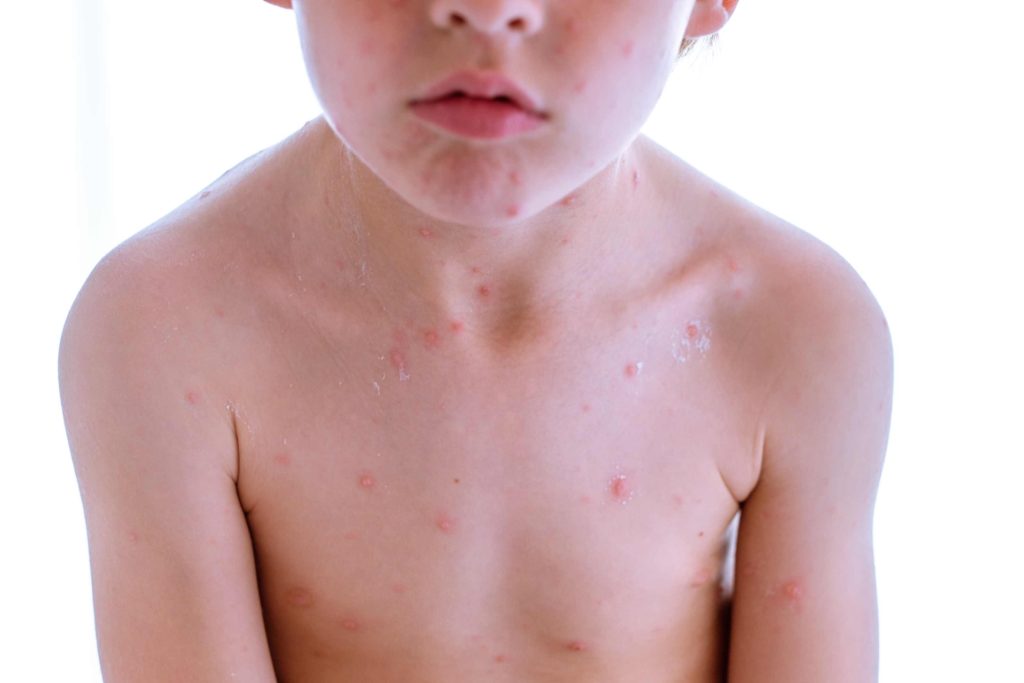
Chickenpox is a common illness in children, especially those under the age of 10. Caused by the varicella-zoster virus, chickenpox is highly contagious and spreads quickly among children, especially in schools and nurseries. While it is usually mild, it can make your child feel very unwell for a few days. In some cases, complications can also arise.
Let’s explore how you can prevent and manage chickenpox in children in a safe and effective way.
What Are the Symptoms of Chickenpox in Children?
The first signs of chickenpox in children usually appear a day or two before the rash develops. Common symptoms include:
- High temperature (fever)
- Feeling tired or generally unwell
- Loss of appetite
- Headache or stomachache
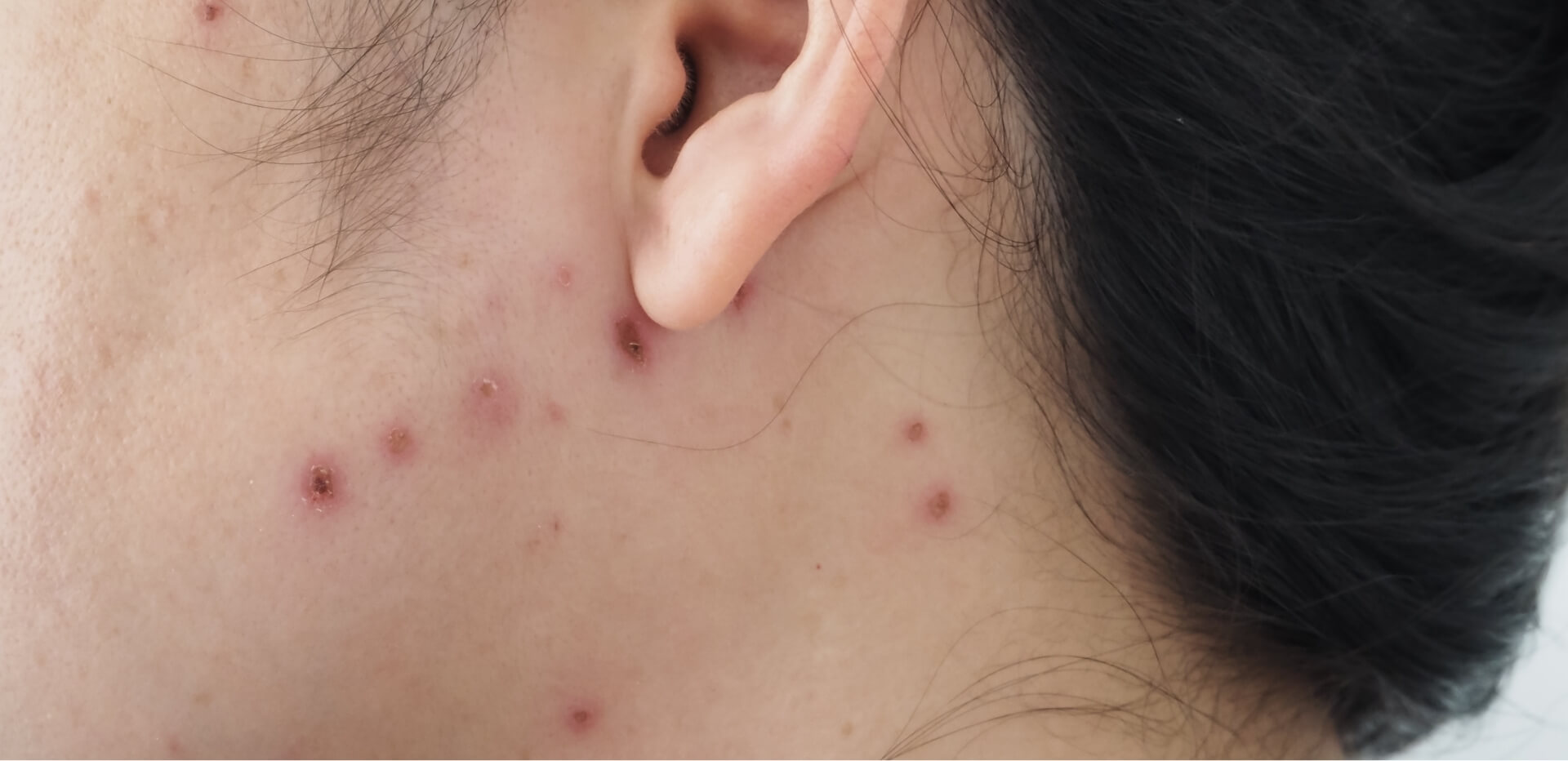
Soon after, a red, itchy rash appears. The rash turns into fluid-filled blisters that later scab over. This rash can appear anywhere on the body, including inside the mouth and on the scalp. Some children may only get a few spots, while others may be covered in them.
Is Chickenpox Serious?
For most children, chickenpox is a mild illness that clears up within a week or so. However, it can cause discomfort and make your child irritable due to itching and fever. In rare cases, chickenpox can lead to complications such as skin infections, pneumonia, or problems with the brain (encephalitis).
Children with weakened immune systems, newborn babies, and pregnant women are more at risk of developing serious complications from chickenpox.
How Does Chickenpox Spread?
Chickenpox is one of the most contagious diseases in children. It spreads through:
- Direct contact with the blisters
- Coughing or sneezing by an infected person
- Touching items or surfaces that have the virus on them
A child with chickenpox is contagious from two days before the rash appears until all the spots have crusted over, which usually takes about five to six days.
How Can You Prevent Chickenpox?
One of the most effective ways to prevent chickenpox is through vaccination. The chickenpox vaccine is not part of the routine childhood vaccination schedule in the UK, but it is available privately.
The vaccine is safe and effective. It greatly reduces the chance of getting chickenpox, and even if a vaccinated child gets it, the symptoms are usually much milder.
Vaccination is especially important for:
- Children with long-term health conditions
- Those living with people who are at risk of complications
- Children preparing for surgery or starting nursery/school
Tips for Managing Chickenpox at Home
If your child does get chickenpox, here’s how you can help them feel better and avoid complications:
Control the Itch
- Apply calamine lotion or use cooling gels
- Keep fingernails short to reduce scratching and avoid infection
- Use loose-fitting cotton clothes to prevent irritation
Relieve Fever and Discomfort
- Give children’s paracetamol
- Make sure they drink plenty of fluids to stay hydrated
- Offer soft foods if they have spots in their mouth
Keep Them at Home
Keep your child at home until all the spots have scabbed over. This prevents the virus from spreading to others, especially vulnerable people.
Shield Your Child from Chickenpox – Book Their Vaccine Today!
Chickenpox may be a normal part of childhood for many, but it’s still important to know how to manage it and when to seek help. Prevention through the chickenpox vaccine can save your child a lot of discomfort and help stop the spread to others. Protect your little one with the chickenpox vaccine available at Touchwood Pharmacy. Our trained staff will guide you through the process and make it easy and stress-free for both you and your child. Don’t wait for the rash to show – act now for peace of mind.