













Earwax, or cerumen, is something our ears naturally produce to help clean, protect, and keep them healthy. It traps dust, bacteria, and other particles, stopping them from reaching deeper into the ear. But sometimes, too much earwax builds up, which can cause problems – especially with hearing.
Let’s understand how this happens, what symptoms to watch out for, and the safe ways to clean your ears.
What Is Earwax Build-Up?
Normally, earwax moves out of the ear on its own. But in some people, earwax can collect and harden, creating a blockage. This is more likely to happen if you:
- Use cotton buds regularly
- Wear hearing aids or earplugs often
- Have narrow or hairy ear canals
- Produce more earwax than usual
- Have certain skin conditions
Can It Really Affect My Hearing?
Yes, it can. One of the most common effects of earwax build-up is a temporary hearing loss. This happens when the wax blocks the ear canal and prevents sound from reaching the eardrum properly. You might notice that everything sounds muffled or dull – like your ears are blocked after swimming.
This kind of hearing loss is not permanent and usually improves after the wax is safely removed. But ignoring the problem for too long can lead to discomfort, infections, or more serious ear conditions.
What are the Symptoms of Earwax Blockage?
Here are some signs that you may have a build-up of earwax:
- Partial hearing loss
- Feeling of fullness or blockage in the ear
- Ringing or buzzing (tinnitus)
- Earache or discomfort
- Dizziness or balance issues
- Itchiness in the ear canal
If you experience any of these, especially hearing loss, it’s best to get your ears checked by a professional.
Avoid Home Remedies Like Ear Candling
Many people try ear candling, thinking it helps draw out the wax using heat. But this method is not only ineffective – it can be dangerous. The NHS and other health bodies strongly advise against it, as it may cause burns, ear injuries, or even push wax deeper into the canal.
Safe Ways to Remove Earwax
If you’re having trouble with earwax, here are some safer options:
- Ear Drops: Pharmacy ear drops can help soften the wax, making it easier to come out on its own. These usually contain olive oil, sodium bicarbonate, or hydrogen peroxide.
- Professional Ear Cleaning: If drops don’t help, your pharmacist or a trained ear care specialist can carry out earwax removal using suction (microsuction) or water irrigation.
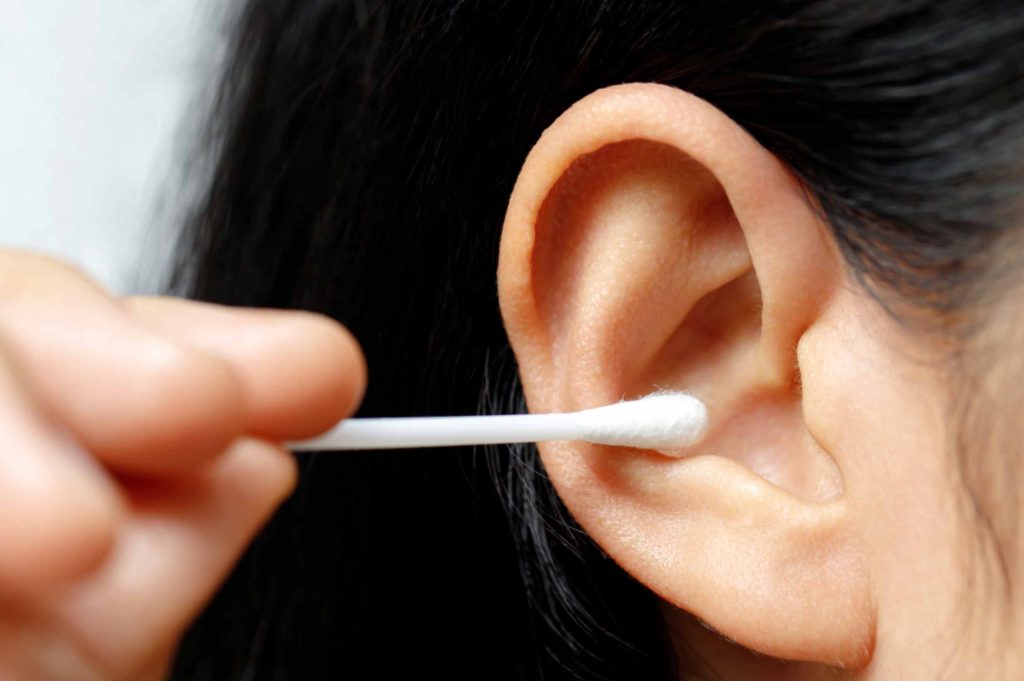
- Avoid Cotton Buds: Never insert cotton buds into your ears. They often push wax further in and can damage the delicate skin inside your ear canal.
Blocked Ears? Let Touchwood Pharmacy Help
Earwax plays an important role in ear health, but when it builds up too much, it can cause hearing problems and other discomforts. Thankfully, with safe and effective treatments available at your local pharmacy, you don’t need to suffer in silence. Never try to fix it with unsafe methods – your ears deserve proper care. If you’re experiencing blocked ears or hearing trouble, don’t wait. Book an appointment at Touchwood Pharmacy for safe and professional earwax removal. Our trained experts use modern, gentle techniques to clear out stubborn wax without any discomfort.