



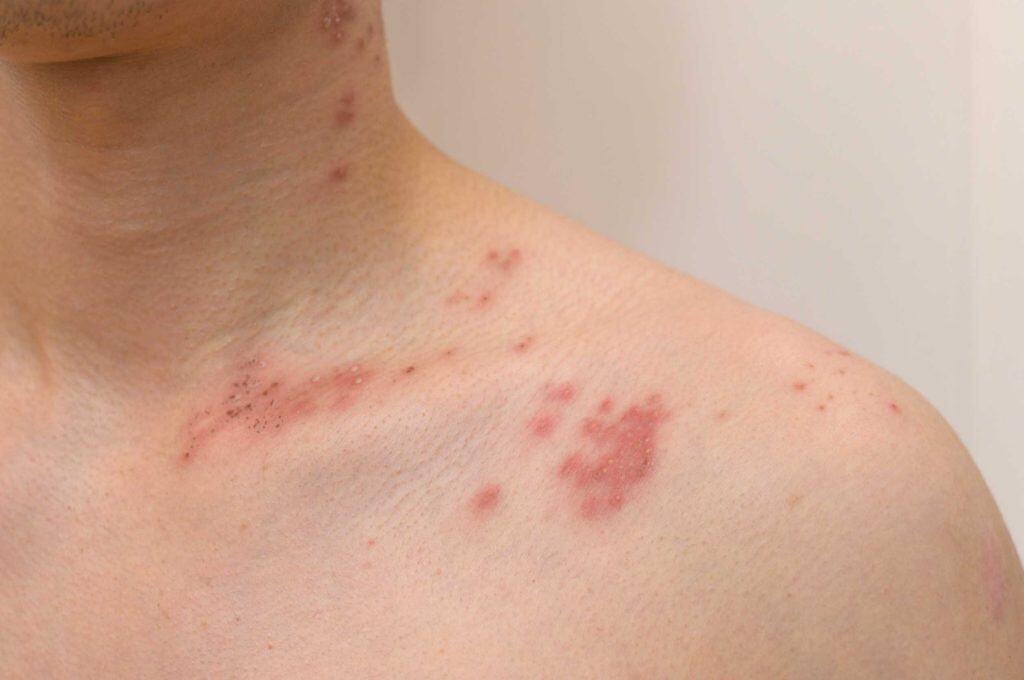
Shingles is a painful skin condition caused by the varicella-zoster virus — the same virus responsible for chickenpox. While anyone who has had chickenpox can get shingles, it is far more common and often more serious in older adults. In fact, those aged 60 and over are at a higher risk of complications, which is why understanding the condition and knowing how to prevent it is so important.
Why Are the Elderly More at Risk?
As we age, our immune system weakens, making it harder for the body to fight off infections and viruses. This includes the varicella-zoster virus, which stays in the body even after you recover from chickenpox. Years later, it can reactivate and cause shingles in elderly individuals.
Common Symptoms of Shingles
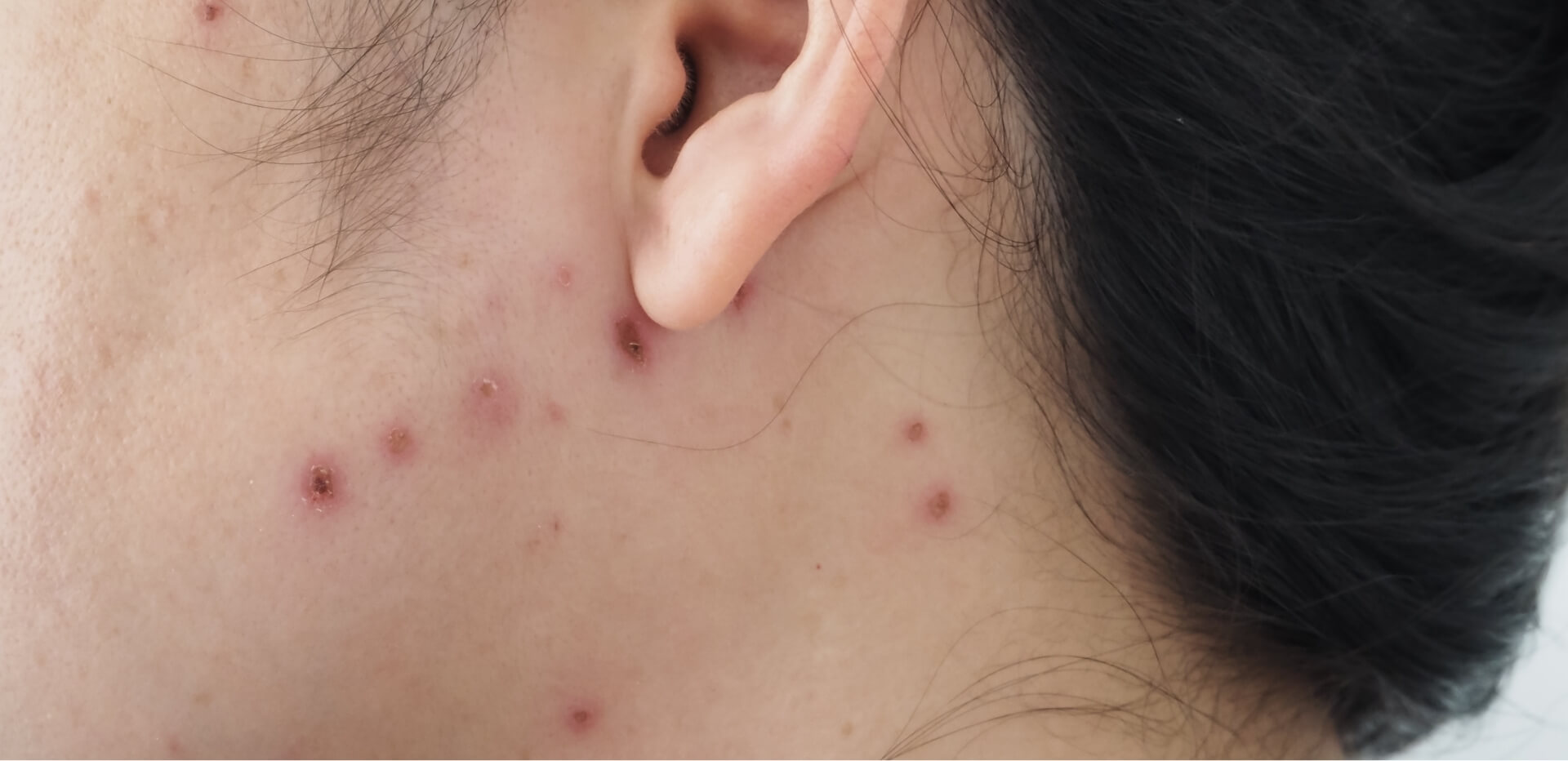
Shingles usually starts with a tingling or burning feeling in one area of the body, often on one side of the torso or face. After a few days, a painful rash with blisters appears. Other signs may include:
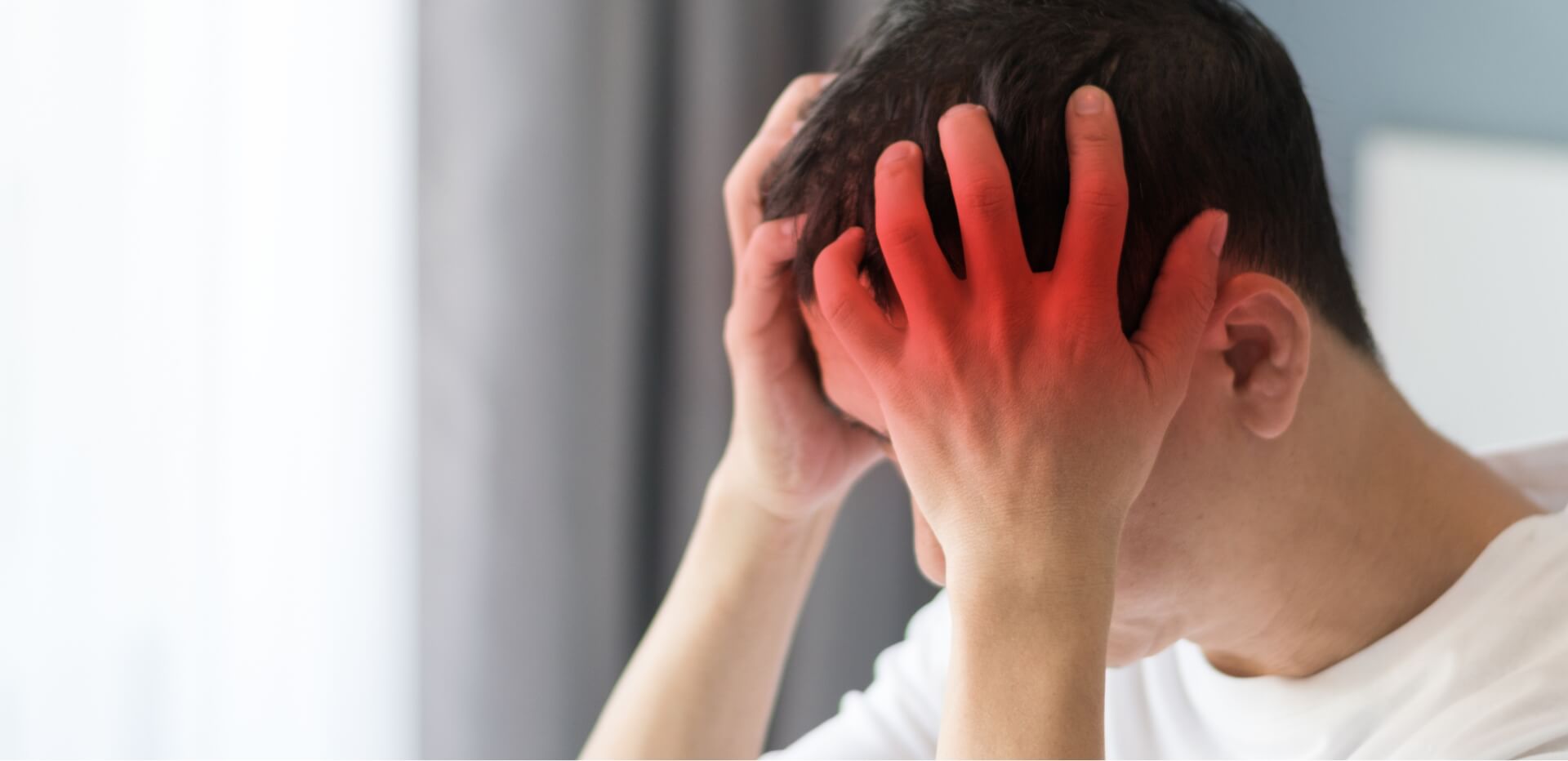
- Fever or headache
- Sensitivity to light
- Upset stomach
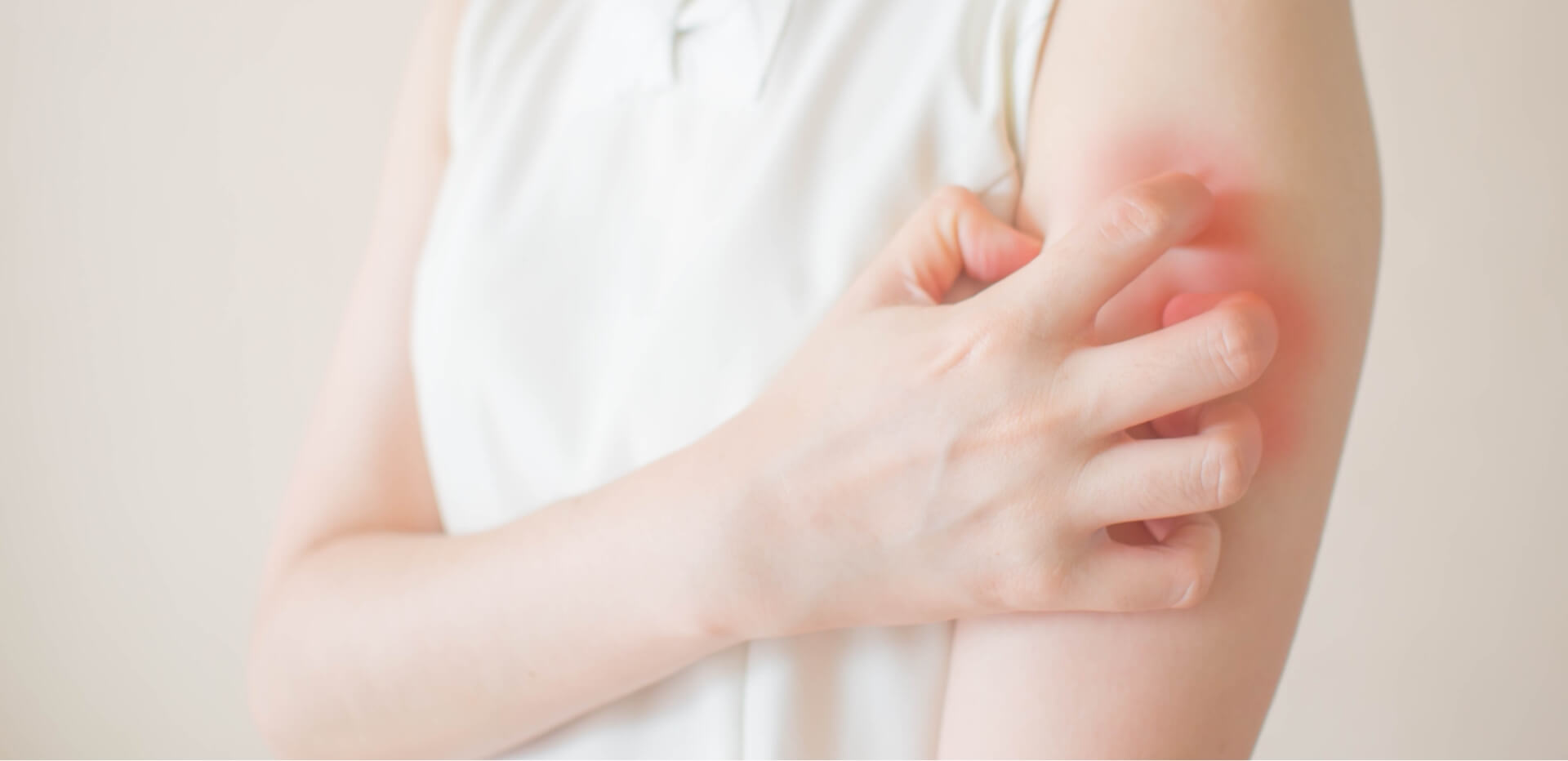
- Itching or skin sensitivity before the rash appears
It usually takes two to four weeks to recover, but for some, the effects can last much longer.
Serious Complications in Older Adults
While shingles itself is unpleasant, the real danger lies in the complications it can cause — especially in older adults. The most common complication is postherpetic neuralgia (PHN), which is long-term nerve pain in the area where the shingles rash occurred. This can last for months or even years and is often severe enough to affect sleep, mood, and quality of life.
Other complications include:
- Vision problems if shingles appears near the eyes
- Hearing issues or balance problems if the rash develops near the ears
- Scarring or skin infections if the blisters aren’t properly cared for
- Pneumonia or brain inflammation in very rare cases
Because of these risks, it’s essential that older adults take steps to protect themselves.
How to Prevent Shingles?
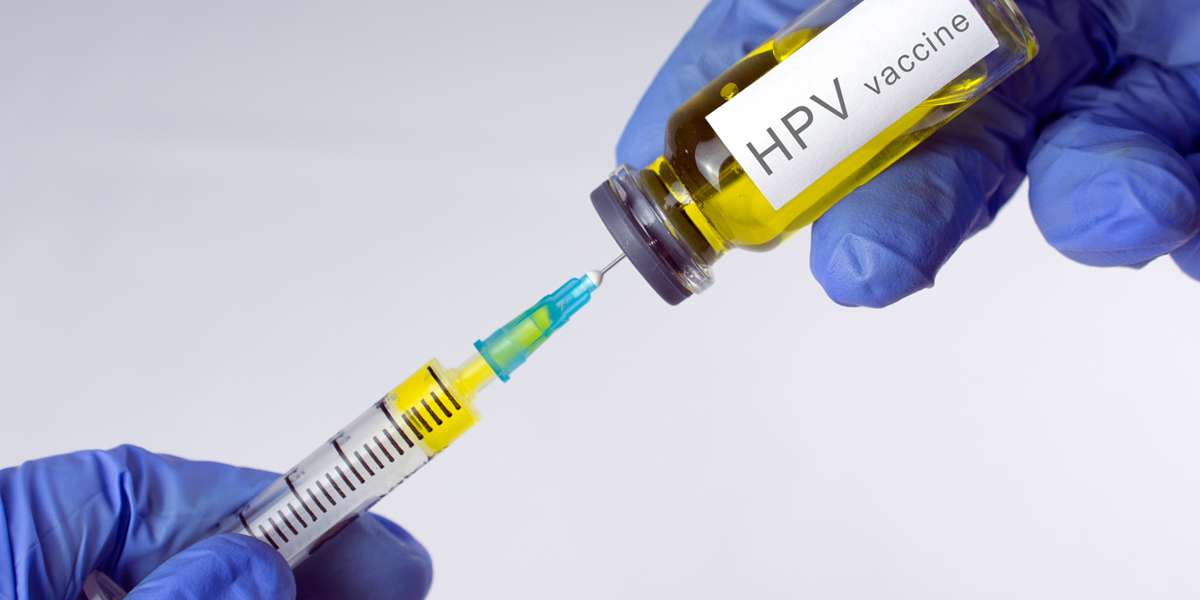
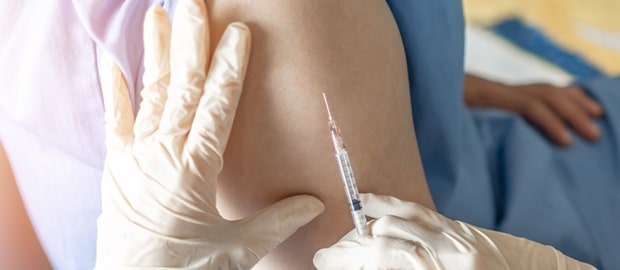
The best way to reduce your risk is through shingles prevention. The shingles vaccine is highly recommended for people over the age of 50, especially those with weakened immune systems or underlying health conditions. The vaccine doesn’t guarantee you won’t get shingles, but it greatly reduces your chances and lowers the risk of complications like PHN.
Can You Catch Shingles?
Shingles itself is not contagious — you can’t catch it from someone else. However, someone with shingles can pass the chickenpox virus to another person who hasn’t had chickenpox before, usually through direct contact with the fluid from shingles blisters. This is another reason why covering the rash and maintaining hygiene is important.
Protect Your Health – Get Expert Advice Today
Shingles can be more than just a painful rash – especially for the elderly. Whether you need help with symptoms, prevention, or the shingles vaccine, our pharmacy team is here to support you. Book an appointment at Touchwood Pharmacy for expert advice and guidance tailored to your needs. Let us help you take the right steps to stay safe and protected.