








Shingles is more common than many people realise. According to the UK Health Security Agency (UKHSA), around 790 to 880 cases occur each year per 100,000 people aged 70 to 79 in England and Wales. While most people recover fully, the pain from a shingles rash can persist in some, leading to prolonged nerve discomfort known as post-herpetic neuralgia. Understanding the right shingles treatment early can help manage symptoms effectively and reduce the risk of long-term pain.
What Are the Common Symptoms of Shingles?
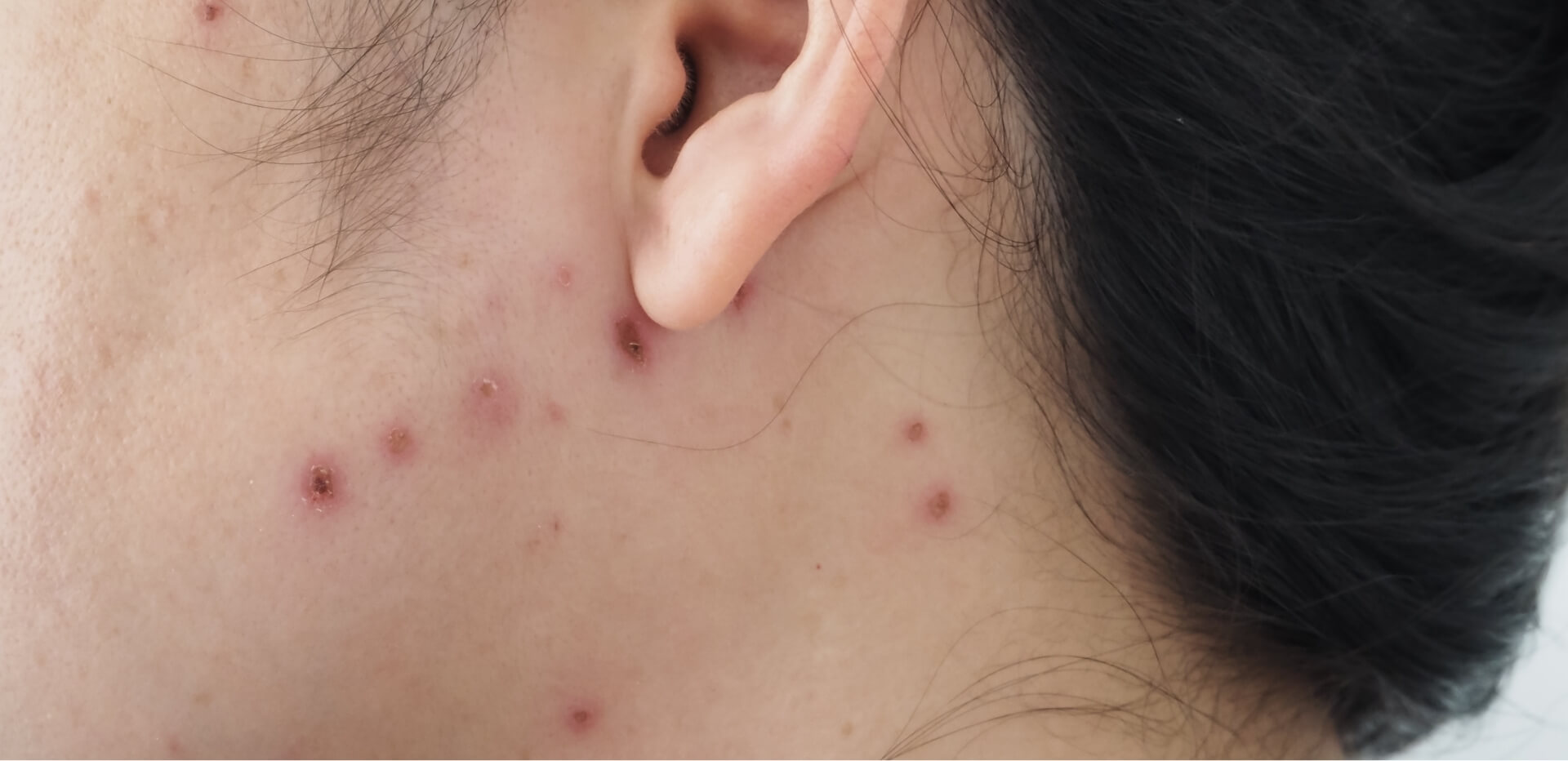
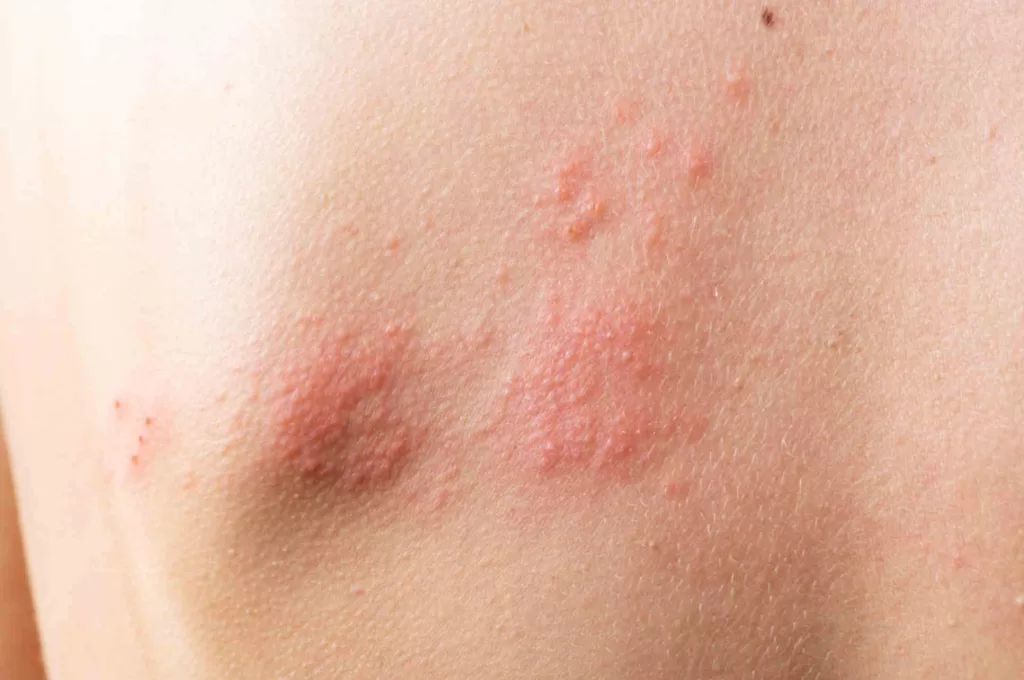
Shingles usually starts with a tingling or burning sensation on one side of the body or face. Within a few days, a painful red rash develops, followed by clusters of fluid-filled blisters.
Typical Shingles Symptoms Include:
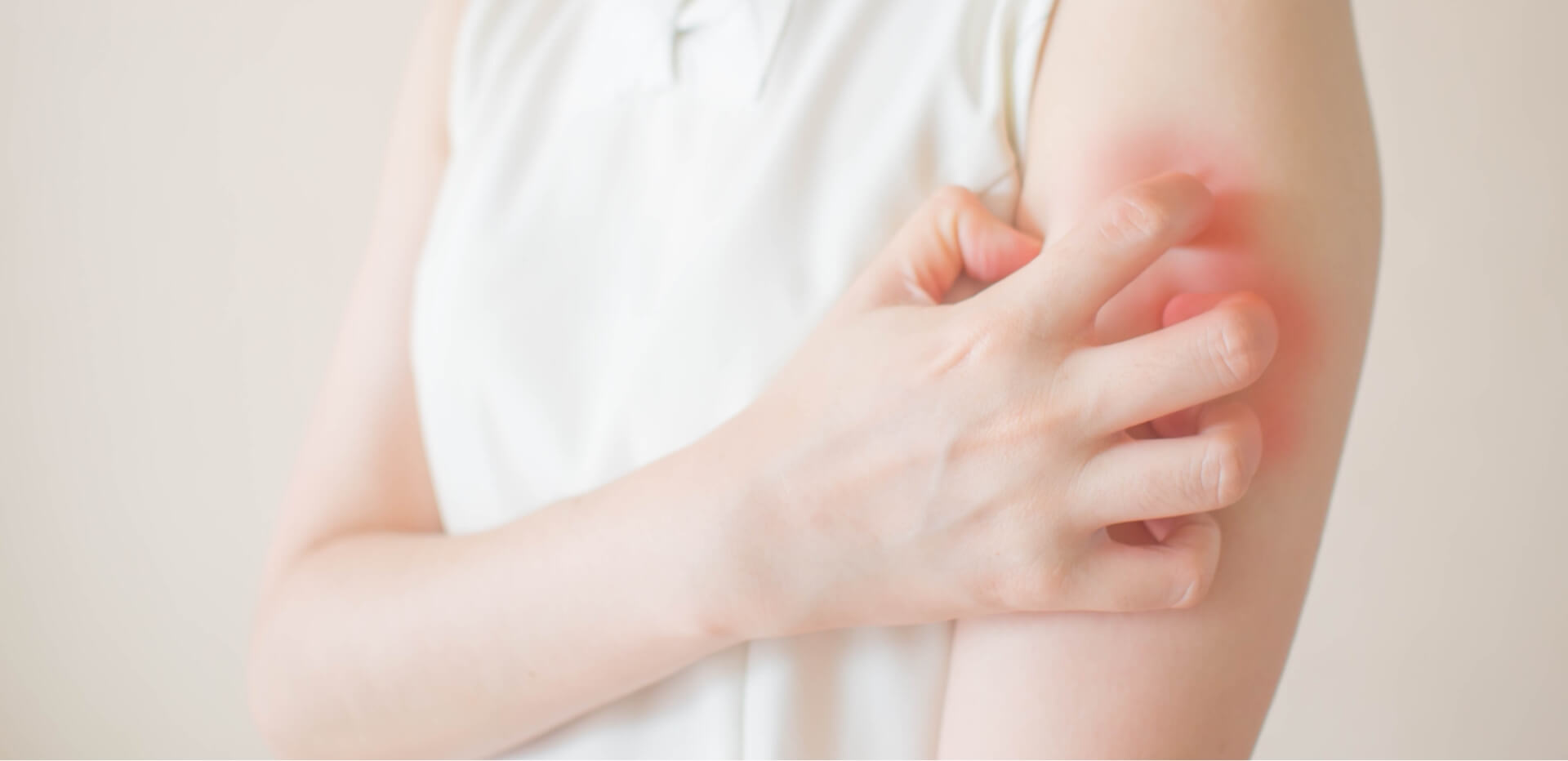
- Itching or sensitivity in the affected area
- Pain or burning before the rash appears
- Blisters that crust over after a week or so
- Tiredness, headache, or fever in some cases
The shingles rash typically clears within 2 to 4 weeks, but some people continue to feel nerve pain even after it heals—a condition known as post-herpetic neuralgia.
What Are the Options for Shingles Treatment?
Early treatment can make a significant difference. Antiviral medicines are most effective when started within 72 hours of the rash appearing, as they help shorten the illness and reduce complications.
Common Treatments for Shingles
- Antiviral medication, available on prescription, can help shorten the duration of the illness and reduce complications when taken early.
- Pain relief through over-the-counter or prescribed medicines, depending on severity.
- Soothing creams or cold compresses to calm itching and discomfort.
- Rest and hydration to support your body’s healing process.
Our pharmacists can advise on suitable shingles remedies and recommend treatment to manage pain safely and effectively.
How to Relieve Shingles Pain
Pain from shingles can vary from mild to severe, depending on the nerves affected. Managing it promptly helps prevent ongoing discomfort.
Over-the-Counter Options
Simple painkillers such as paracetamol or ibuprofen can reduce pain and inflammation. Calamine lotion or cooling gels may help ease irritation from the rash.
Prescription Pain Relief
If the afterpain of shingles is more intense, prescription options for shingles pain relief may include:
- Medicines to calm nerve pain, which help reduce sensitivity and discomfort.
- Topical treatments that numb the affected area and provide targeted relief.
- Special creams that work by desensitising the nerve endings over time.
Our pharmacists can guide you on which option suits your symptoms and medical history.
Are There Any Natural or Home Remedies for Shingles?
Some people find gentle home-based shingles remedies helpful for easing discomfort. These do not replace medication but can support recovery.
Helpful Home Care Tips for Shingles
- Keep the rash clean and dry to prevent infection.
- Wear loose, breathable clothing to reduce irritation.
- Apply cool compresses several times a day
- Try gentle relaxation or mindfulness techniques to reduce stress, which can worsen pain.
Always check with our pharmacist before using herbal creams or supplements to ensure they do not interfere with prescribed medicines.
Can the Shingles Vaccine Help Prevent Future Outbreaks?
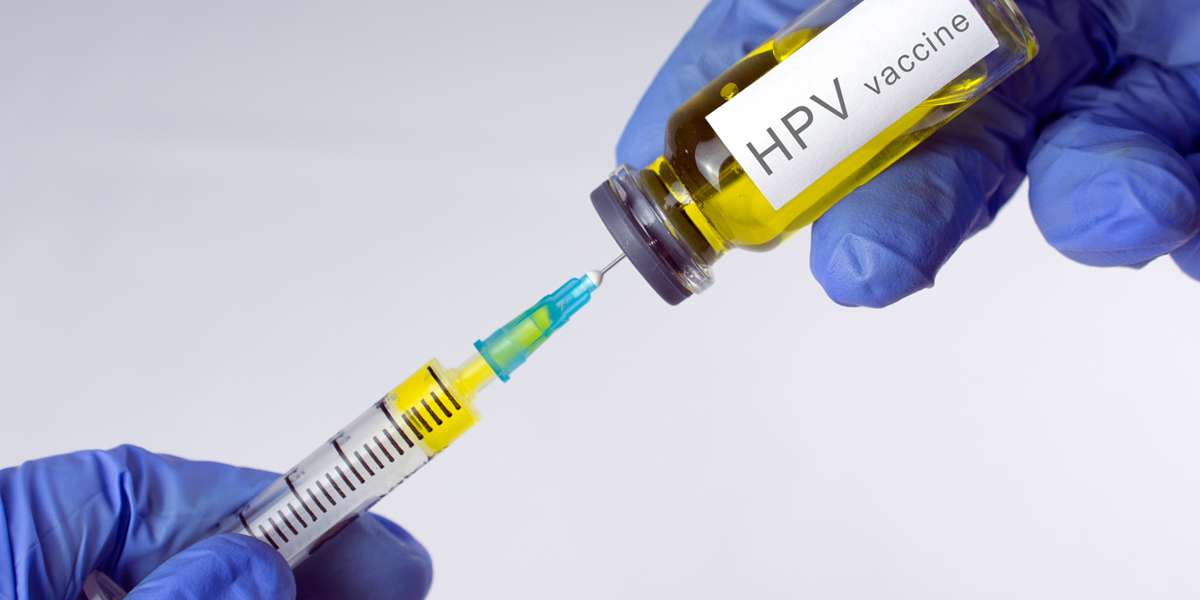
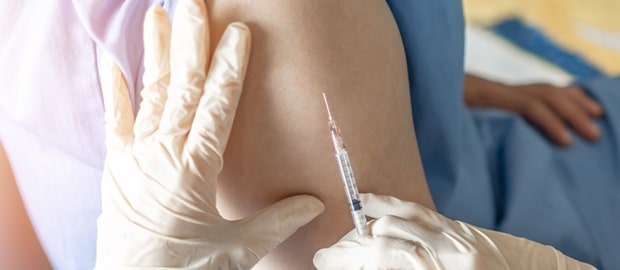
Yes. The shingles vaccine reduces your risk of developing the condition and lowers the chance of long-term pain if you do get it. In the UK, the shingles vaccine is available privately for adults aged 50 and above, as well as for those with weakened immune systems who wish to protect themselves sooner.
While the NHS is gradually expanding its vaccination programme, private providers such as Touchwood Pharmacy offer convenient access without waiting for eligibility through the public rollout.
When Should You Seek Help for Shingles Pain?
If your pain is severe, spreading, or affecting your vision or face, seek help urgently. Early attention prevents complications and speeds up healing. Even after recovery, lingering nerve pain can be managed with the right shingles pain relief plan.
Finding Support for Shingles Pain Relief
Living with shingles can be draining, but with timely treatment and care, most people recover fully. Our pharmacists can help you choose the right shingles treatment, pain relief, and preventive measures, including the shingles vaccine.
Book your appointment with our experts at Touchwood Pharmacy for effective shingles treatment and long-lasting relief.
FAQs About Shingles Pain Relief and Treatment
How long does shingles pain usually last?
Shingles pain often improves within 2 to 4 weeks as the rash heals. However, some people experience lingering nerve pain known as post-herpetic neuralgia, which can last for months. Starting antiviral treatment early and using effective pain relief can help reduce the duration and intensity of the pain.
What helps the pain from a shingles rash heal faster?
Starting antiviral medicine within 72 hours of the rash appearing is the most effective way to shorten recovery. Alongside this, you can use painkillers, soothing creams, or cool compresses to ease irritation. Keeping the rash clean and avoiding scratching helps prevent infection and supports faster healing.
Can shingles pain come back after the rash heals?
Yes. Some people experience nerve pain after the rash disappears, known as the afterpain of shingles or post-herpetic neuralgia. This happens when nerves remain irritated from the infection. Prescription treatments like nerve pain medicines or topical patches can help relieve ongoing discomfort.
Are there effective home remedies for shingles pain relief?
Home care can help ease mild symptoms, but it should complement medical treatment. Applying cool compresses, keeping the skin clean, wearing loose clothing, and managing stress can help. Avoid using herbal creams or oils without checking with a pharmacist, as some may irritate the skin.
Who should get the shingles vaccine?
The shingles vaccine is recommended for adults aged 50 and above and those with weakened immune systems. It helps prevent shingles and reduces the risk of severe pain if the condition develops.
When should I speak to a pharmacist about shingles pain?
You should seek advice as soon as symptoms begin, especially if you notice a tingling or burning sensation followed by a rash. Early treatment from a pharmacist can help control the infection, reduce pain, and lower the risk of long-term nerve damage.