











HPV is one of the most widespread infections in the UK, and public health data shows that around 80 per cent of sexually active people will come into contact with the virus at some stage in their lives. Most strains are harmless, but some can lead to genital warts or cell changes that require monitoring.
Knowing what causes HPV, how the virus spreads and the early signs of HPV infection can help you understand your risk and recognise when to seek advice from a pharmacist.
What actually causes HPV?
HPV is caused by direct contact with the human papillomavirus. Most people catch it through skin-to-skin contact during intimacy. It can also pass on through close contact involving the genital area even without intercourse. Some HPV types spread through other types of contact, such as sharing personal items or touching infected areas.
How does HPV spread so easily?
HPV can enter the body through tiny cuts or abrasions in the skin. Because these breaks are not visible, many people catch HPV without noticing any symptoms at all.
Are there different types of HPV?
There are over 100 strains of HPV. Some cause the common types of warts HPV produces on the hands or feet, while others affect the genital area. Only a small number are linked with a higher risk of cancer.
Can HPV clear on its own?
In most cases the immune system removes the virus naturally within one to two years. However, some strains can stay in the body for longer and may require monitoring or treatment depending on the symptoms.
What are the early signs of HPV infection?
Many people never develop symptoms, which is why HPV can go unnoticed. When symptoms do appear, they vary depending on the strain.
What are common HPV symptoms?
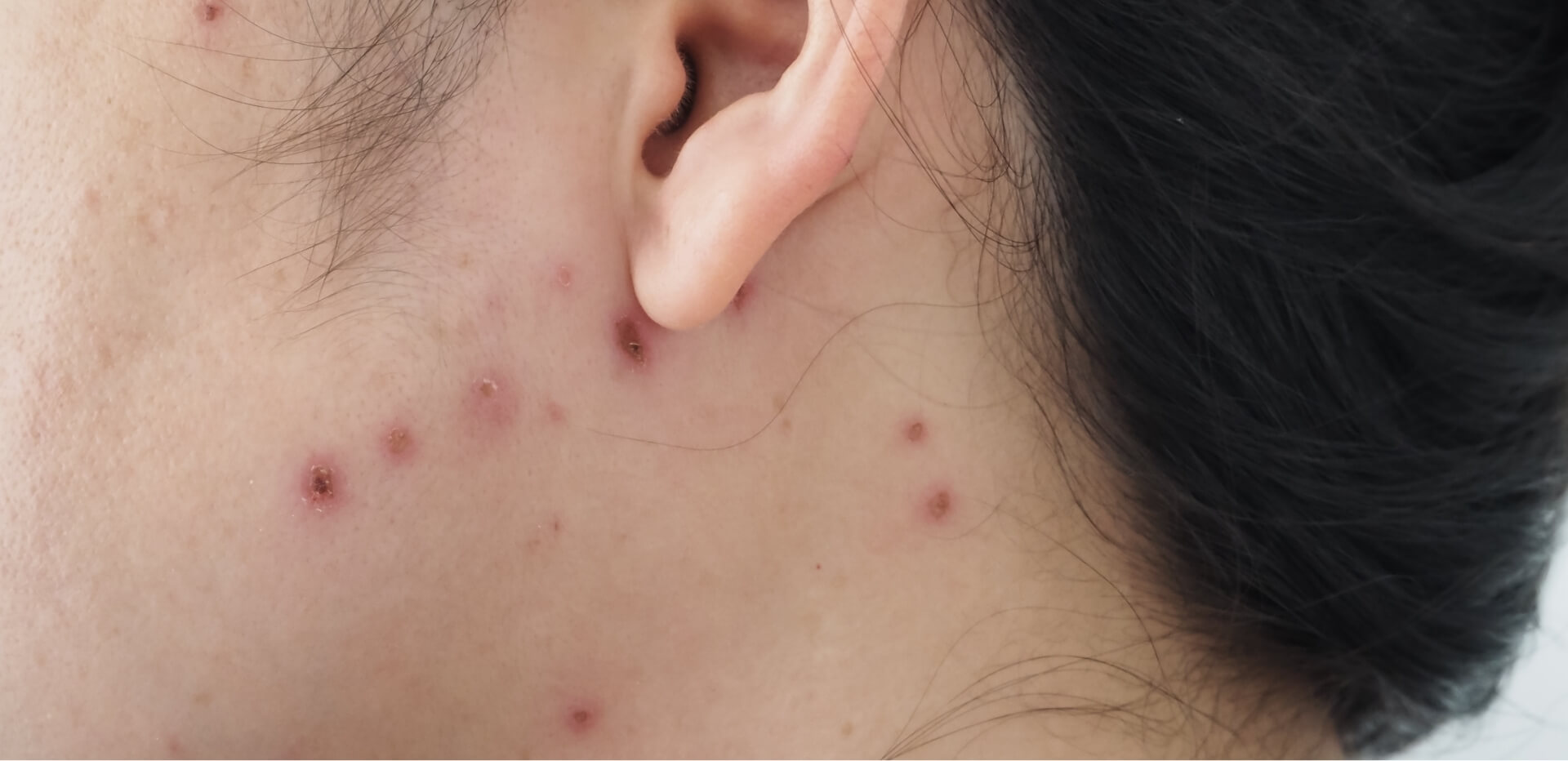
Typical signs include small skin-coloured bumps or warts on the hands, feet or genital area. Some people notice itching, irritation or slight discomfort around the affected area.
What are the signs of HPV in women?
HPV symptoms in women can include genital warts, unusual changes detected during cervical screening or mild irritation around the vulva. Often the first noticeable sign for women is an abnormal smear test result rather than physical symptoms.
Are there signs of HPV cancer?
High-risk strains rarely cause visible symptoms at first. Over time persistent infection can lead to cell changes. Regular cervical screening is essential, as it helps detect these changes early so they can be treated before they develop.
How is HPV treated?
There is no tablet or cure that removes the virus itself. Instead, treatment focuses on managing the symptoms and supporting the body to clear the infection naturally.
What treatments help with warts?
Warts caused by HPV can be treated with topical creams, freezing therapy or procedures offered within clinical settings. Pharmacists can recommend suitable over-the-counter options depending on the type and location of the wart.
How are genital warts managed?
Genital warts may require specialist treatment such as topical solutions, prescription creams or cryotherapy. These help remove the visible warts, but the virus may still remain in the body for some time.
Can HPV-related cell changes be treated?
If cervical screening detects abnormal cells, a specialist may offer procedures to remove or monitor the affected tissue. This helps prevent cell changes from developing further.
How can you reduce your risk of HPV?
Although HPV is widespread, several measures can reduce your chances of catching or passing it on.
Does vaccination help?
The HPV vaccine protects against the most harmful strains, including those linked with cancer and genital warts. It is routinely offered to young people in the UK and available privately for other age groups.
Can good hygiene and safe practices help?
Using barrier protection during intimate contact, avoiding sharing personal items like razors and maintaining good hygiene all reduce transmission. Regular screening is also important for early detection.
When should you speak with a pharmacist about HPV?
You should speak to a pharmacist if you notice new skin growths or changes within the genital area or if you are unsure whether a symptom is linked to HPV. Pharmacists can assess your symptoms, advise on suitable treatments and guide you to further care if needed.
Book your appointment with our experts at Touchwood Pharmacy for personalised advice, screening support and treatment guidance for HPV.
FAQs
Can HPV show symptoms years after infection?
Yes. HPV can stay inactive in the body for many years. Some people only notice HPV symptoms long after the initial infection, especially if their immune system weakens or if the strain is one that causes visible warts or abnormal cervical changes.
What do genital warts look like when caused by HPV?
Genital warts often appear as small, soft, skin-coloured bumps that may be flat, raised or clustered like tiny cauliflower shapes. They are usually painless but may itch or feel slightly irritated. Not all HPV strains cause warts, so the absence of warts does not rule out infection.
How can women tell if HPV is causing cervical changes?
Women usually do not feel any symptoms when HPV affects the cervix. The early signs of HPV infection in this area are detected through routine cervical screening, which can spot cell changes linked with high-risk strains. This is why smear tests remain essential even without visible symptoms.
Do over-the-counter treatments work for all types of HPV warts?
Over-the-counter wart treatments can help with common warts and verrucas caused by certain HPV strains. They are not suitable for genital warts, which need specific treatments provided through pharmacy-based care. A pharmacist can advise which treatment is appropriate.
Is it possible to get HPV again after it clears?
Yes. Clearing one HPV infection does not guarantee lifelong protection. There are many different types of HPV, and it is possible to catch a different strain in the future. Vaccination and safe intimate practices remain helpful for reducing the risk.
Can HPV be passed on even if there are no visible symptoms?
Yes. HPV spreads through skin-to-skin contact, and transmission can occur even when there are no visible warts or signs of infection. This is why regular screening, safer intimate practices and awareness of HPV symptoms in women are important for prevention.