












A single mosquito bite might seem harmless, but in some parts of the world, it can lead to chikungunya virus infection and weeks of painful joint symptoms. What makes it more concerning is how easily it can be avoided, yet many people are unaware of the simple steps that can protect them.
Whether you are travelling or simply trying to stay safe at home, understanding chikungunya prevention is key. Knowing how the mosquito chikungunya virus spreads and what actions actually make a difference can help you protect yourself and those around you.
What is chikungunya virus infection, and how does it spread?
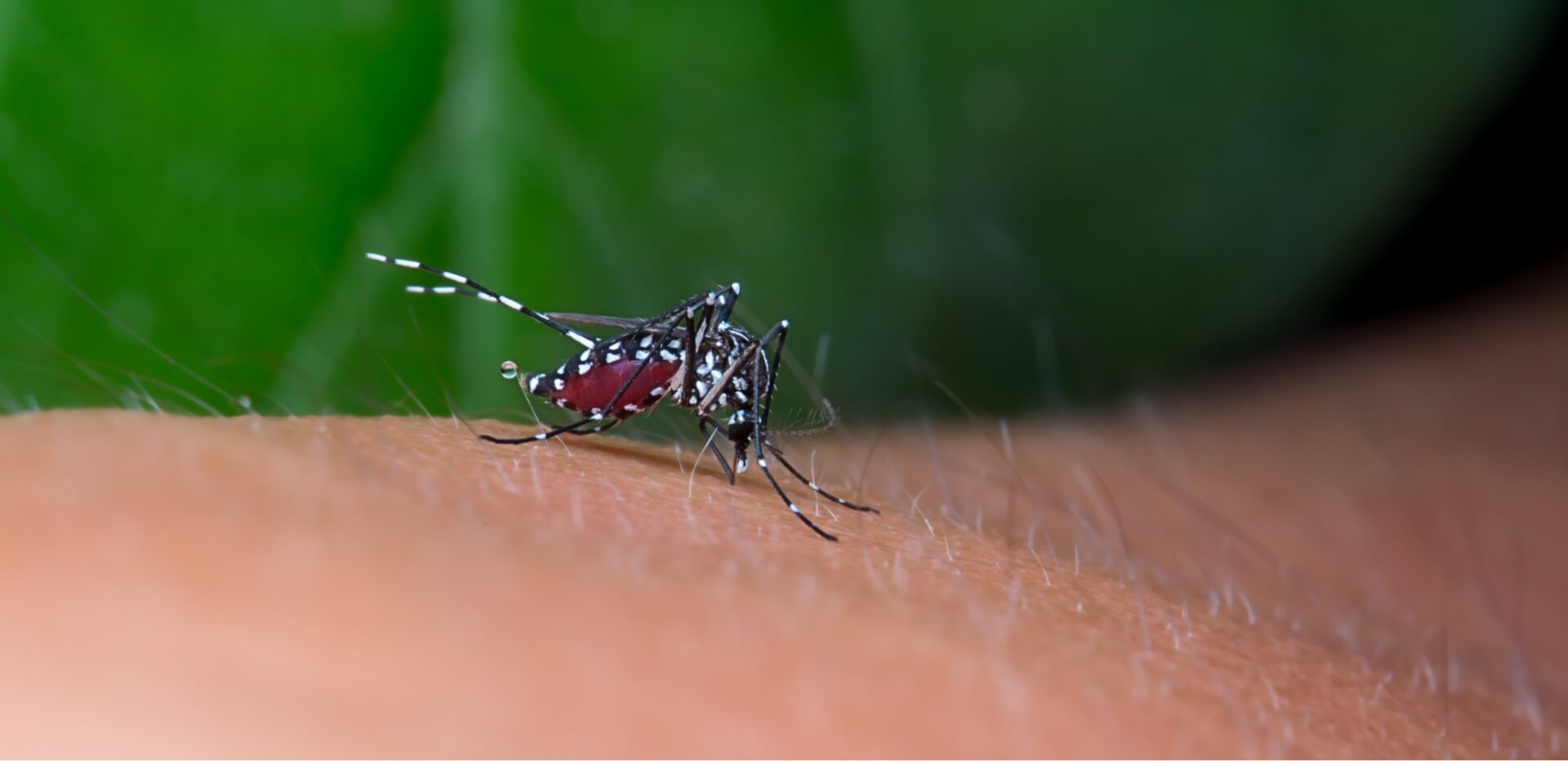
Chikungunya virus infection is caused by a virus transmitted through the bite of infected mosquitoes, mainly Aedes species.
How does mosquito chikungunya virus transmission happen?
When an infected mosquito bites a person, the virus enters the bloodstream and begins to multiply. These mosquitoes usually bite during the daytime, especially early morning and late afternoon.
Why is it common in certain regions?
Warm climates and standing water create ideal breeding conditions for mosquitoes. Travellers to tropical and subtropical regions are often at higher risk.
Understanding how chikungunya virus spreads is the first step in learning how to prevent chikungunya effectively.
What are the common chikungunya symptoms to watch for?
.Chikungunya symptoms usually appear within a few days after being bitten by an infected mosquito.
What are the early signs?
Common early symptoms include:
- Sudden high fever
- Severe joint pain, often in hands and feet
- Headache and muscle aches
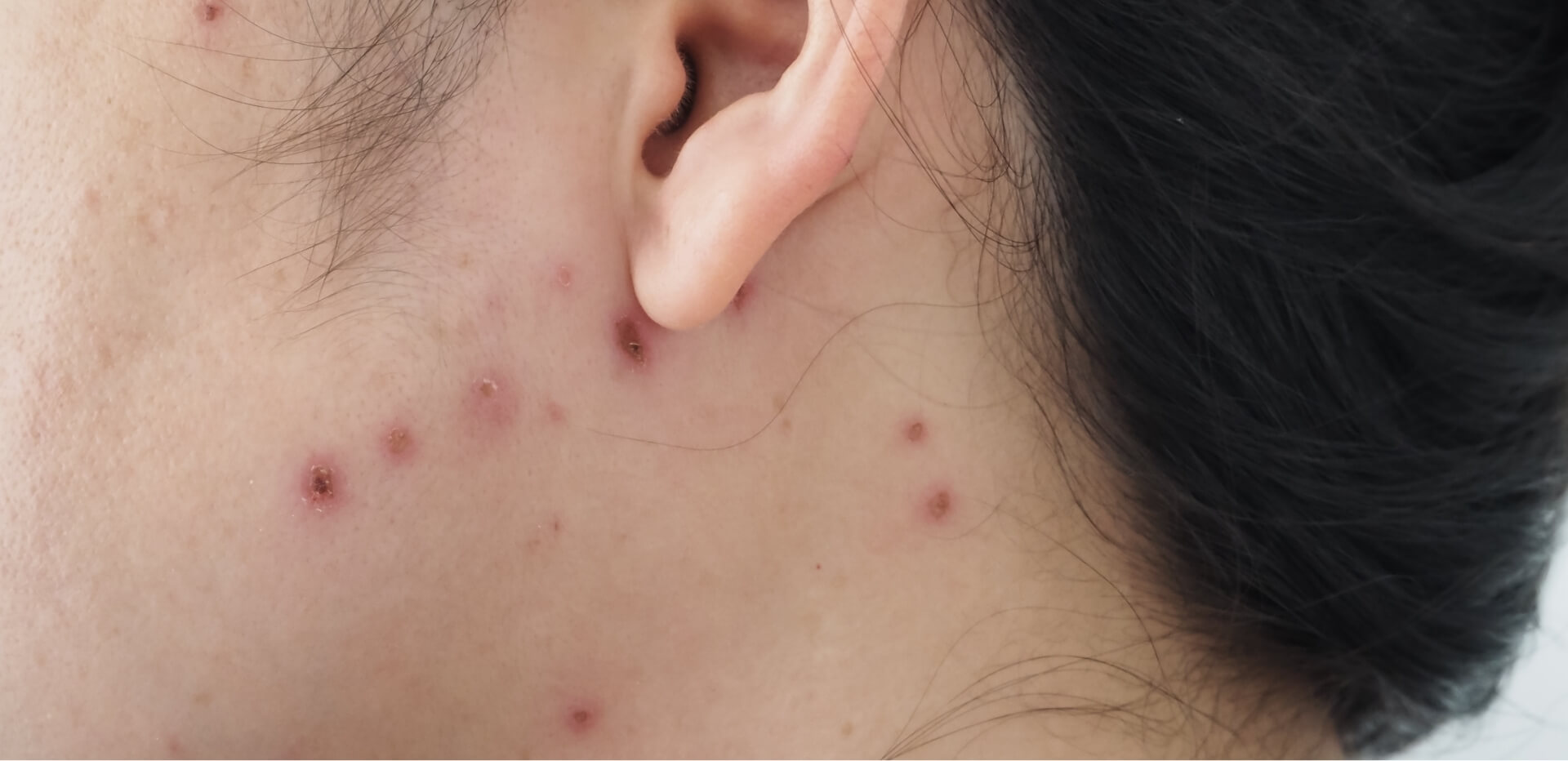
- Rash in some cases
Can symptoms last a long time?
Joint pain can persist for weeks or even months in some people. This is why early awareness and prevention are important.
Recognising chikungunya symptoms early can help you seek advice from our pharmacists and manage the condition safely.
How to prevent chikungunya when travelling or at home?
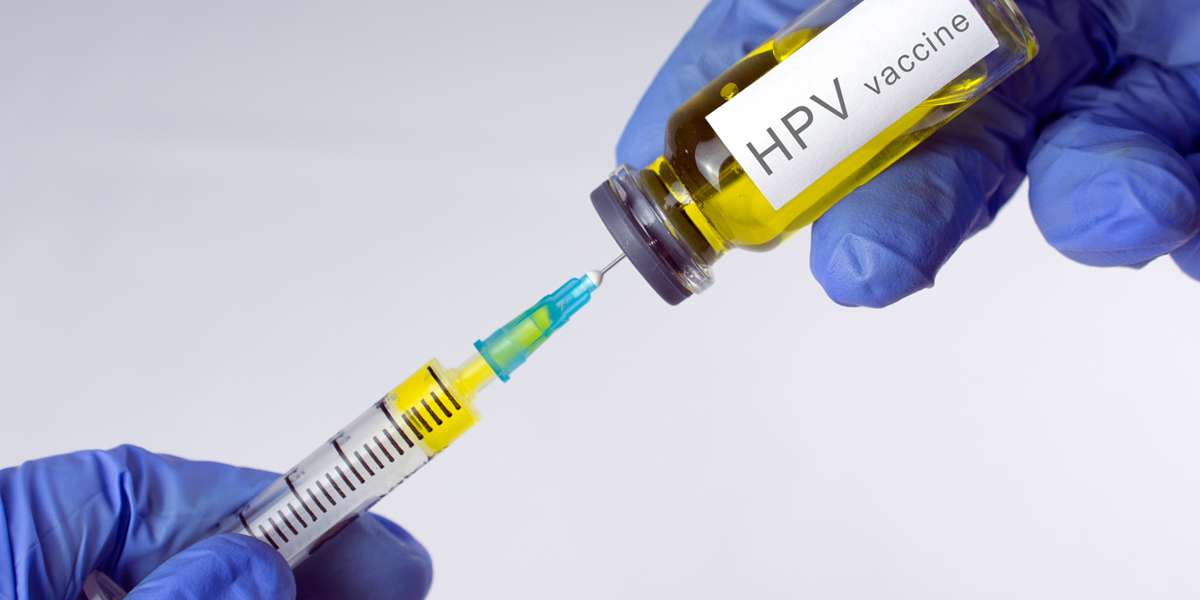
Chikungunya virus prevention mainly focuses on avoiding mosquito bites. While a chikungunya vaccine may be available for some travellers after assessment, bite prevention remains essential for everyone.
How to prevent chikungunya through personal protection?
You can reduce your risk by:
- Wearing long sleeved clothing and trousers
- Using insect repellents containing DEET or similar ingredients
- Applying repellent regularly, especially during the day
How to prevent chikungunya indoors?
Mosquitoes can enter homes easily, so it is important to:
- Use window screens or nets
- Sleep under mosquito nets if needed
- Keep doors and windows closed where possible
How to prevent chikungunya by reducing mosquito breeding?
Mosquitoes breed in standing water. To lower risk:
- Empty water from pots, buckets, and containers
- Keep drains clean and flowing
- Avoid leaving water exposed outdoors
Taking these steps consistently is key to effective chikungunya prevention.
Is there a chikungunya vaccine available in the UK?
Yes, chikungunya vaccination is now available in the UK for some travellers, but it is not suitable or necessary for everyone.
What does this mean for prevention?
Vaccination may be considered in some cases after an individual travel risk assessment. Even if a vaccine is appropriate, mosquito bite avoidance remains an important part of chikungunya prevention.
Who may need extra advice before travelling?
Travellers going to areas with current outbreaks or ongoing transmission may need tailored advice. Vaccine suitability depends on factors such as age, destination, medical history, and the type of vaccine being considered.
If you are planning to travel, our pharmacists can advise on chikungunya virus prevention, mosquito bite protection, and whether vaccination may be appropriate for your trip.
When should you seek advice about chikungunya virus infection?
If you develop symptoms after travelling to a high risk area, it is important to seek advice promptly.
What signs should not be ignored?
You should speak to our pharmacists if you experience:
- Persistent high fever
- Severe joint pain
- Rash combined with other symptoms
Why early advice matters?
Early guidance helps manage symptoms and rule out other similar infections such as dengue or malaria.
Prompt support can make recovery more manageable and reduce complications.
How can you stay protected from chikungunya long term?
Preventing chikungunya virus infection requires awareness and consistent protective habits, especially in high risk environments.
Simple steps such as using repellents, wearing protective clothing, and reducing mosquito breeding areas can make a significant difference. Even small actions taken daily can lower your exposure to the mosquito chikungunya virus.
Book your appointment with our experts at Touchwood Pharmacy for personalised travel health advice, mosquito bite prevention guidance, and support in reducing your risk of chikungunya virus infection.
FAQs
How do you prevent chikungunya from mosquito bites?
To prevent chikungunya, use insect repellent, wear long clothing, and avoid mosquito prone areas during peak biting times. Reducing exposure to mosquito bites is the most effective protection.
Can chikungunya spread from person to person?
No, chikungunya virus infection does not spread directly between people. It only spreads through the bite of an infected mosquito, making mosquito control essential for prevention.
Is chikungunya dangerous or life threatening?
Chikungunya is rarely life threatening, but symptoms like severe joint pain can last for months. Some people may experience long term discomfort, which can affect daily activities and mobility.
How long do chikungunya symptoms usually last?
Chikungunya symptoms such as fever may settle within days, but joint pain can last weeks or months. Recovery time varies depending on age, health, and severity of infection.
Is there a chikungunya vaccine available for travellers?
A chikungunya vaccine may be available in the UK for some travellers following an individual risk assessment. However, mosquito bite prevention remains essential, as vaccination is not required or suitable for everyone. Travellers should still focus on avoiding mosquito bites and seek advice from our pharmacists before travel.
What is the best way to reduce mosquito breeding at home?
To prevent chikungunya, remove standing water from containers, clean drains regularly, and cover water storage. This reduces mosquito breeding and lowers the risk of chikungunya virus transmission indoors.