












One of the most common questions adults ask when considering the chickenpox vaccine is how many doses they actually need. The answer is two, and the reason that matters is that a single dose does not provide reliable enough protection in adults. This article explains why, what the schedule looks like, how serious chickenpox in adults can be, and what you need to consider before booking your vaccinations.
Why Is Chickenpox More Serious in Adults Than in Children?
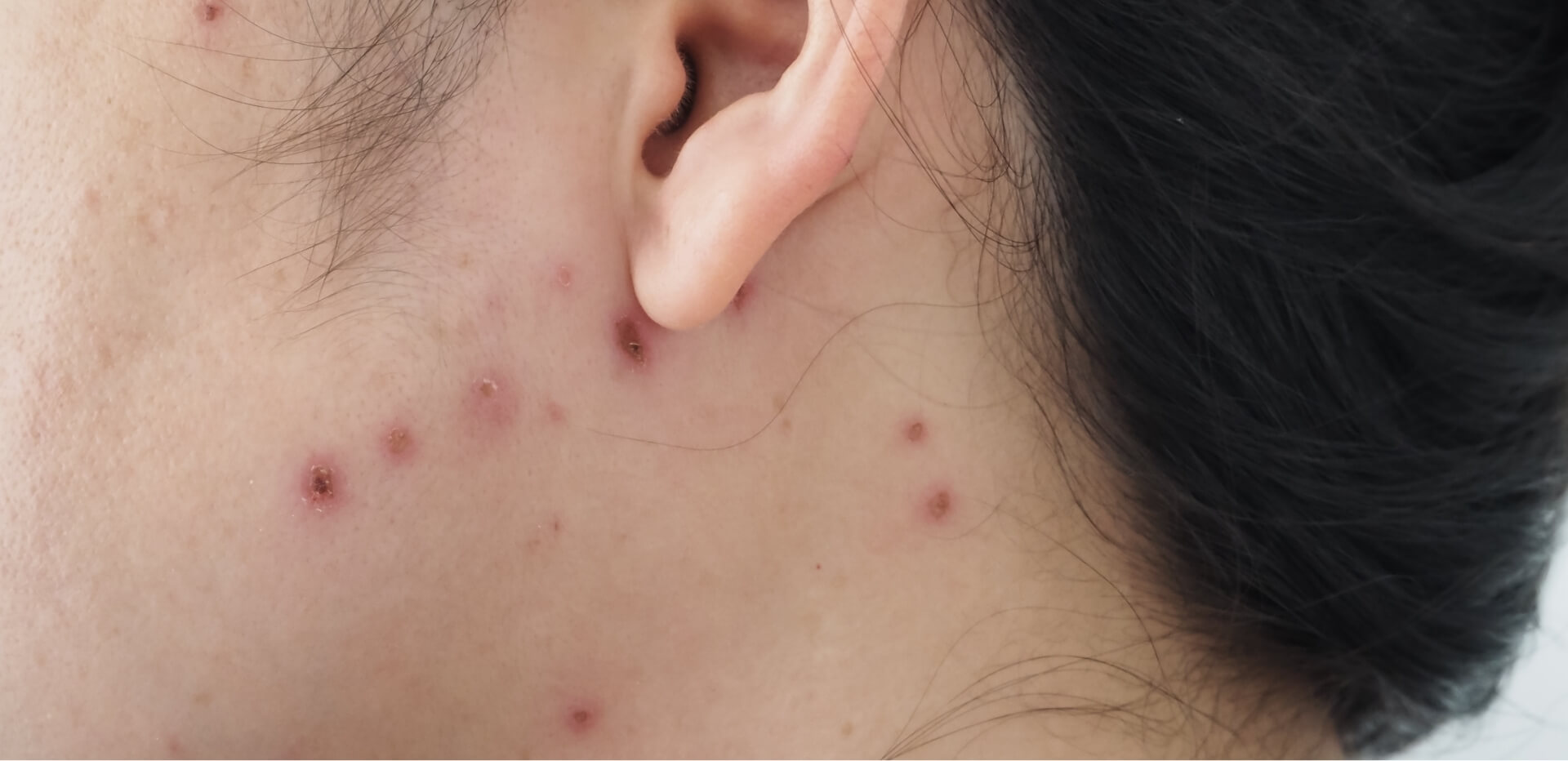
Most adults who did not have chickenpox in childhood assume it would be no worse than it was for the children they know. This assumption tends to underestimate the disease. Chickenpox in adults follows a considerably more severe course for most people, and the complications are both more common and more serious.
Adults with chickenpox are at greater risk of:
- Varicella pneumonia, a potentially life-threatening complication that is significantly more common in adults than children and is the leading cause of hospitalisation from chickenpox in this age group
- A more widespread and heavier rash, with a greater risk of bacterial skin infection
- Encephalitis, inflammation of the brain, which is rare but more likely in adults
- A longer, more debilitating illness requiring extended time off work
- Severe or fatal disease in immunocompromised adults
For pregnant women who have no prior immunity, the risks are different again. Chickenpox during the first trimester carries a risk of foetal varicella syndrome, and infection close to delivery can cause serious illness in the newborn.
How Many Doses of the Chickenpox Vaccine Do Adults Need?
Adults who have not had chickenpox and have not previously been vaccinated require two doses of the varicella vaccine for adults. One dose of the chickenpox vaccine is not considered sufficient to establish full protection in adults.
The evidence base for this is clear: studies comparing one-dose and two-dose schedules in adults consistently show that a second dose substantially improves both the rate of seroconversion (the proportion of vaccinated individuals who develop measurable antibodies) and the level of protection achieved. A single dose provides partial but incomplete immunity.
The Chickenpox Vaccine Schedule for Adults
The standard adult schedule for the varicella vaccine is two doses administered four to eight weeks apart. The specific timing is based on the vaccine used, and your pharmacist will confirm the interval at the time of your appointment.
| Schedule | Dose 1 | Dose 2 | Notes |
| Standard adult schedule | Day 0 (first appointment) | 4 to 8 weeks after dose 1 | Both doses required for full protection. Confirm exact interval with pharmacist at time of booking. |
| Brands used in UK | Varilrix or Varivax | Same brand as dose 1 | The same vaccine brand should be used for both doses where possible. |
| Administration route | Subcutaneous injection, usually upper arm | Same | Live vaccine; see contraindications below. |
Important: Vaccine schedules must be verified against the current Varilrix and/or Varivax SmPC at the time of your appointment. The above reflects published guidance at the time of writing.
Is One Dose of Chickenpox Vaccine Enough for Adults?
No. In adults, one dose of the chickenpox vaccine is not sufficient to provide reliable protection. This is a common source of confusion, partly because children in some vaccination programmes (including the US childhood schedule) historically received one dose and are then offered a second later. In the UK, adults who are being vaccinated privately are recommended to complete both doses.
The gap between dose one and dose two is important: it gives the immune system time to generate a primary response to the first dose, after which the second dose triggers a stronger, more durable secondary response. This two-step priming process is what establishes robust long-term protection from the varicella vaccine.
If only the first dose has been received, the individual has some but not full protection. It is worth completing the second dose even if a significant amount of time has passed since the first, rather than restarting the course.
Who Should Not Receive the Chickenpox Injection?
The chickenpox injection is a live attenuated vaccine and is therefore not suitable for everyone. It must not be given to:
- Pregnant women — pregnancy should be avoided for at least four weeks after each dose of the vaccine
- Immunocompromised individuals, including those on immunosuppressive therapy, with HIV (depending on CD4 count), or receiving chemotherapy
- Those with a history of severe allergic reaction to any component of the vaccine
Adults who are unsure whether any of these factors apply to them should discuss this with their pharmacist before booking. A pre-vaccination consultation will confirm suitability.
Do You Need to Check Your Immunity First?
If you are unsure whether you have had chickenpox, there are two options. A varicella IgG blood test through your GP or a private clinic can confirm whether you already have immunity. Alternatively, it is clinically acceptable to proceed directly to vaccination without testing, as the vaccine varicella is safe to give to someone who is already immune and simply adds no further benefit rather than causing harm.
For those who are time-sensitive, for example adults planning a pregnancy who want to confirm protection before conception, opting for the blood test first is prudent. For others, proceeding directly to vaccination is a reasonable choice that avoids the wait for test results.
How to Book the Chickenpox Vaccine for Adults
At Touchwood Pharmacy, our pharmacists can assess your immunity status, confirm whether the varicella vaccine is appropriate for you, and schedule both doses at appointments that fit your diary.
Book your appointment with our experts at Touchwood Pharmacy for personalised vaccination advice and access to the private chickenpox vaccine for adults.
This article is for informational purposes only and does not constitute medical advice. The varicella vaccine is a live vaccine. Pregnancy must be avoided for at least four weeks after each dose. Always consult a qualified healthcare professional to confirm whether vaccination is appropriate for your circumstances.
Frequently Asked Questions (FAQ’s)
Is one dose of chickenpox vaccine enough for an adult?
No. Adults who have not had chickenpox require two doses of the varicella vaccine, typically four to eight weeks apart. A single dose provides only partial protection and is not considered sufficient to establish reliable immunity in adults. Both doses are needed to complete the course and should be given even if there has been a delay between them.
How long does the chickenpox vaccine last in adults?
Studies following vaccinated adults over many years suggest that immunity from the two-dose varicella vaccine is long-lasting, though it may not be lifelong in all cases. For most adults, two doses provide durable protection. Those with specific risk factors, such as significant immunosuppression, may have a reduced or shorter-lasting immune response and should discuss monitoring with their clinician.
Can I have the second dose of chickenpox vaccine later than eight weeks?
Yes. If the second dose is delayed beyond the standard four to eight week window, the course does not need to be restarted. You should simply have the second dose as soon as it is practical, using the same vaccine brand as the first dose where possible. Partial protection from dose one remains in place in the interim. Speak to your pharmacist to confirm next steps.
How painful is the chickenpox injection for adults?
The chickenpox injection is a subcutaneous injection, meaning it is given just under the skin rather than into muscle. Most adults find it manageable, similar to other standard vaccine injections. Some injection site redness, tenderness, or mild swelling is common in the first day or two and resolves without treatment. Serious reactions are rare.
Can I get chickenpox even after two doses of the vaccine?
Breakthrough infection (chickenpox after vaccination) is possible but uncommon. When it does occur following two doses, the illness is almost always milder than it would have been without vaccination, with fewer spots, lower fever, and reduced risk of serious complications. Two doses provide substantially better protection than one dose alone.
What is the difference between Varilrix and Varivax?
Both Varilrix and Varivax are live attenuated varicella vaccines containing the Oka strain of the chickenpox virus and are used for the same indication. Minor formulation differences exist between them. UK practice generally recommends using the same brand for both doses of the course where possible, though switching between brands is sometimes unavoidable due to stock availability. Your pharmacist can advise on the most appropriate option at the time of your appointment.