










The shingles vaccine available in the UK has changed significantly in recent years. The older live vaccine, Zostavax, has been replaced in the NHS programme by Shingrix, a newer non-live adjuvanted vaccine that offers substantially better protection and is suitable for immunocompromised individuals. If you have been offered the shingles vaccine, are considering private vaccination, or simply want to understand what Shingrix is and how it works, this guide covers the key questions.
What Is Shingles and Why Is Vaccination Important?
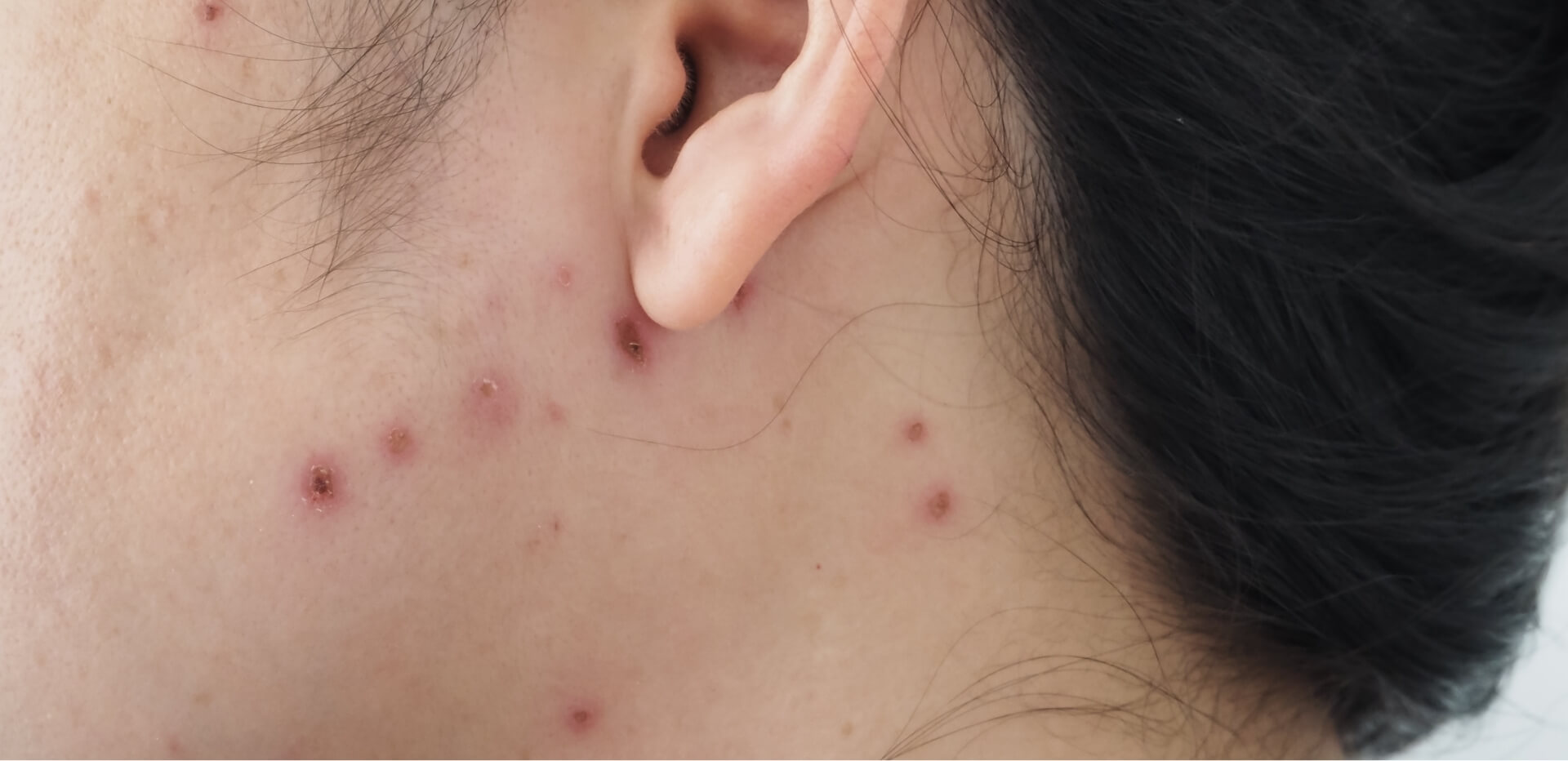
Shingles is caused by the reactivation of the varicella-zoster virus, the same virus responsible for chickenpox. After a chickenpox infection, the virus remains dormant in the nervous system for life. As immunity wanes with age, the virus can reactivate, causing shingles: a painful, blistering rash typically affecting one side of the body or face.
Shingles affects around one in three people during their lifetime, and the risk increases significantly with age. The most debilitating complication is postherpetic neuralgia (PHN), persistent nerve pain that can last months or years after the rash has resolved. In adults over 70, PHN occurs in up to 30% of shingles cases. Vaccination substantially reduces both the risk of developing shingles and the severity of the disease if it does occur.
How Does the Shingles Vaccine Work?
Understanding how the shingles vaccine works requires a brief look at what distinguishes Shingrix from older vaccine technology.
How Shingrix Works
Shingrix is a recombinant subunit vaccine, meaning it does not contain any live or weakened form of the varicella-zoster virus. Instead, it contains a specific glycoprotein from the virus’s outer surface (glycoprotein E, or gE) combined with a potent adjuvant system called AS01B.
The glycoprotein acts as the antigen: it signals to the immune system what the virus looks like, without risking infection. The AS01B adjuvant amplifies the immune response, stimulating stronger and more durable production of both antibodies and the cell-mediated immunity that is particularly important for controlling a virus like varicella-zoster that persists in nerve tissue.
This combination of antigen and adjuvant is what makes Shingrix considerably more effective than Zostavax. In clinical trials (ZOE-50 and ZOE-70), Shingrix reduced the risk of shingles by over 90% in adults aged 50 and over, and by around 89% in those aged 70 and over.
Why Shingrix Is Different from Zostavax
Zostavax was a live attenuated vaccine containing a weakened form of the varicella-zoster virus. It was moderately effective at reducing shingles risk but offered more limited protection against PHN, waned more quickly over time, and could not be given to immunocompromised individuals. Shingrix is non-live, which means it can be given safely to people whose immune systems are compromised by illness or treatment.
The Shingrix 2-Dose Schedule: How Many Doses Do You Need?
The doses of shingles vaccine required for Shingrix are two. This is one of the most important practical points to understand before starting, as the course must be completed to achieve the protection levels demonstrated in clinical trials.
| Comparison | Shingrix (Preferred, UK) | Zostavax (Older, Live Vaccine) |
| Type of vaccine | Non-live, adjuvanted recombinant subunit | Live attenuated |
| Number of doses | Two (required for full protection) | One |
| Dose interval | 2 to 6 months between doses | Single dose, no second required |
| Efficacy (age 50+) | Over 90% reduction in shingles risk | Approximately 51% (waning over time) |
| Suitable for immunocompromised? | Yes | No |
| NHS use | Current preferred vaccine | No longer NHS preferred |
| Side effect profile | Higher short-term reactogenicity (injection site pain, fatigue, fever) — reflects strong immune stimulation | Lower short-term reactogenicity |
Note: Always confirm the current Shingrix schedule with your pharmacist at the time of appointment, as guidance may be updated. Zostavax availability in the UK market should also be confirmed at the time of booking.
Why Are Two Doses Needed?
The Shingrix 2-dose schedule is not arbitrary. The first dose primes the immune system by introducing the glycoprotein E antigen alongside the AS01B adjuvant, stimulating an initial immune response. The second dose, given two to six months later, dramatically amplifies and extends this response, producing a substantially stronger and more durable level of both antibodies and T-cell immunity than a single dose alone achieves.
Clinical data from the ZOE programme confirms that a single dose of Shingrix provides significantly less protection than the full two-dose course. If you have received dose one and the second has been delayed, you do not need to restart the course: the second dose can be given late, and protection from dose one remains in the interim. Speak to your pharmacist for guidance on timing if your schedule has been disrupted.
Who Should Have the Shingles Vaccine?
In the UK, Shingrix is offered on the NHS to adults aged 70 and above, with a catch-up programme for those aged 70 to 79 who have not been vaccinated. Individuals who are severely immunocompromised may also be eligible from age 50 through their clinical care team.
For adults aged 50 to 69 who are not eligible for the NHS programme, private Shingrix vaccination is available. Given that shingles risk begins rising from age 50 and complications become more severe with each decade, private vaccination in this age group is a choice many people make to establish protection ahead of the NHS offer. For more on the risk profile and the case for private vaccination at 50, see the companion article linked below.
At Touchwood Pharmacy, our pharmacists can assess your eligibility, advise on the Shingrix schedule, and administer both doses at appointments that suit you.
Book your appointment with our experts at Touchwood Pharmacy for personalised advice and access to the Shingrix shingles vaccine.
This article is for informational purposes only and does not constitute medical advice. NHS shingles vaccine eligibility is subject to change. Always consult a qualified healthcare professional to confirm which shingles vaccine is appropriate for your circumstances.
Frequently Asked Questions (FAQ’s)
How many doses of the shingles vaccine do I need?
The Shingrix shingles vaccine requires two doses for complete protection. The second dose is given two to six months after the first. Both doses are needed: a single dose provides partial but significantly reduced protection compared to the full two-dose course. If you have had one dose and the second has been delayed, you do not need to restart, but you should complete the second dose as soon as possible.
How does Shingrix work differently from Zostavax?
Shingrix is a non-live recombinant subunit vaccine that contains a specific viral protein (glycoprotein E) combined with a powerful adjuvant (AS01B). It stimulates both antibody and cell-mediated immunity without using any live virus. Zostavax was a live attenuated vaccine containing a weakened form of the varicella-zoster virus. Shingrix is significantly more effective, provides longer-lasting protection, is suitable for immunocompromised individuals, and is now the preferred vaccine in the UK NHS programme.
Can I have Shingrix if I am immunocompromised?
Yes. Because Shingrix is a non-live vaccine, it is suitable for immunocompromised individuals, including those receiving immunosuppressive therapy, chemotherapy, or certain biological treatments. This is one of the key advantages of Shingrix over the older Zostavax vaccine. If you are immunocompromised, the timing of vaccination relative to your treatment may need to be considered, so discuss this with your specialist or pharmacist before booking.
How long does Shingrix protection last?
Clinical trial data following participants for up to seven to ten years after vaccination shows that Shingrix protection remains high over this period. Longer-term durability data is still being collected. Current UK guidance does not recommend a booster for most adults who have completed the two-dose course. Your pharmacist can advise on whether your individual circumstances warrant any additional consideration.
Why does Shingrix cause more side effects than older vaccines?
Shingrix is associated with a higher rate of short-term local and systemic side effects than Zostavax, including injection site pain, fatigue, muscle aches, and sometimes fever. This is because the AS01B adjuvant in Shingrix is designed to powerfully stimulate the immune system, producing a stronger and more durable response. These side effects are temporary, typically resolving within two to three days, and are a sign that the vaccine is working as intended rather than a cause for concern.
What is the interval between Shingrix doses?
The recommended interval between the two doses of the Shingrix shingles vaccine is two to six months. This window is based on immunological data showing that the two-dose response is optimised within this timeframe. Giving the second dose earlier than two months or significantly later than six months may affect the strength of the immune response. If your schedule has been disrupted, speak to your pharmacist rather than restarting the course.