








If you’re bitten by an animal abroad, wash the wound thoroughly and seek medical attention as soon as possible, as animal bite treatment abroad often needs to start quickly. Rabies remains a serious concern in many parts of the world, and prompt action can make all the difference. In this blog, we’ll explain what to do immediately after a bite, which countries carry a higher rabies risk, and whether you need post-exposure treatment.
Why Animal Bites Abroad Need Urgent Attention
Animal bites abroad need urgent attention because rabies is almost always fatal once symptoms develop, yet highly preventable if treated in time. Many countries popular with UK travellers have ongoing rabies transmission in dogs, cats, bats, or monkeys, making any bite worth taking seriously.
What to Do Immediately If Bitten by an Animal Abroad
If bitten by an animal abroad, the priority is thorough wound cleaning, followed swiftly by professional medical advice. Acting quickly reduces infection risk and gives post-exposure treatment the best chance of working.
First Aid for Animal Bite Treatment
First aid for an animal bite involves washing the wound with soap and running water for at least 15 minutes, then applying an antiseptic if available. This simple step alone significantly reduces the risk of rabies transmission.
When to Seek Emergency Care
Emergency care should be sought immediately for any bite, scratch, or lick from an animal on broken skin, particularly in a rabies-risk country. Do not wait to see if symptoms develop, as rabies has no cure once signs appear.
Which Countries Carry the Highest Rabies Risk?
Many popular travel destinations across Asia, Africa, and South America are classified as rabies-risk countries, meaning the virus circulates in local animal populations. Countries including India, Thailand, Indonesia, and much of sub-Saharan Africa carry notable risk, particularly through contact with stray dogs.
- Popular destinations with elevated risk include India, Thailand, Vietnam, and the Philippines.
- Risk exists even in areas that seem low-key or rural.
- Bats can carry rabies even in countries considered low-risk overall.
- Pre-travel vaccination is recommended for higher-risk trips.
Do You Need Rabies Post-Exposure Treatment?
You likely need rabies post-exposure treatment if you’ve been bitten, scratched, or licked on broken skin by a mammal in a rabies-risk area, regardless of prior rabies vaccination. This decision should always involve a healthcare professional, not guesswork.
What Post-Exposure Rabies Treatment Involves
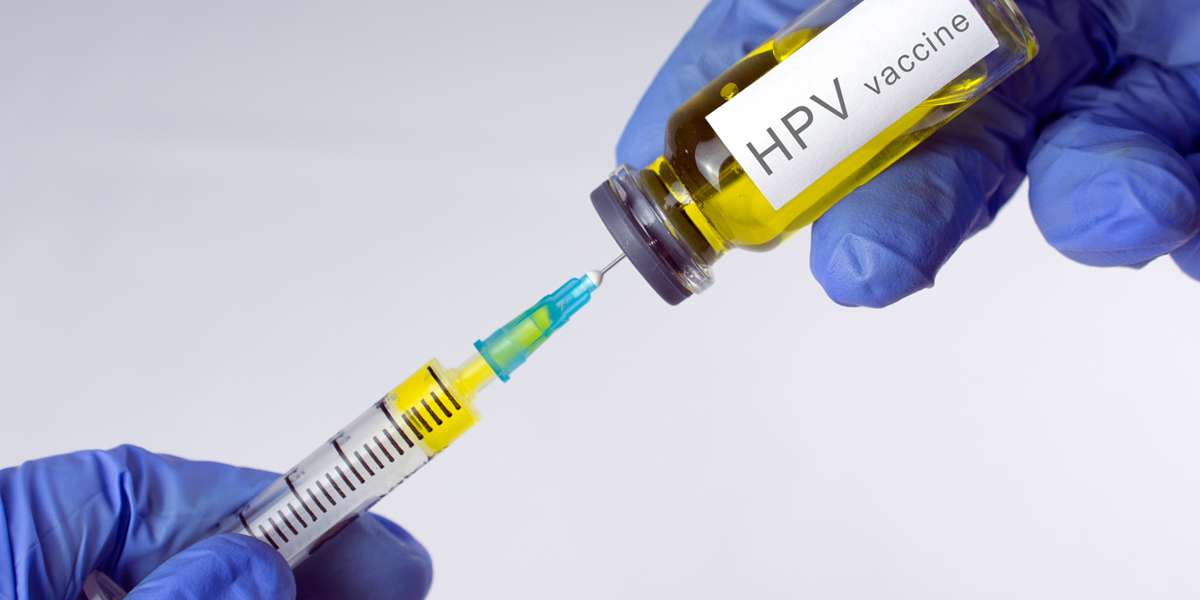
Post-exposure prophylaxis usually involves a course of rabies vaccine doses, and sometimes rabies immunoglobulin, depending on your prior vaccination status and the nature of the exposure. The NHS confirms that treatment is highly effective when started promptly after exposure.
How Soon Rabies Treatment Is Needed After a Bite
Rabies treatment after a bite should ideally begin within 24 to 48 hours, though it can still be effective later, as rabies has a longer incubation period than many infections. The sooner treatment starts, the better the protection it provides.
Stay Protected Before You Travel with Touchwood Pharmacy
If you’re travelling to a country where rabies is a risk, planning can give you greater peace of mind. Touchwood Pharmacy provides private pre-travel rabies vaccinations, personalised travel health advice, and guidance on what to do if you’re exposed to a potentially rabid animal while abroad or after you return to the UK. With multiple branches and experienced travel health professionals, getting protected is simple. Book your rabies vaccination appointment today and travel with confidence.
Frequently Asked Questions (FAQ’s)
What should I do first if bitten by an animal abroad?
Wash the wound thoroughly with soap and water for at least 15 minutes, then seek medical attention as soon as possible, even if the bite seems minor.
Do I need rabies treatment for every animal bite abroad?
Not always, but any bite, scratch, or lick on broken skin from a mammal in a rabies-risk country should be assessed by a healthcare professional to be safe.
How effective is post-exposure rabies treatment?
Post-exposure rabies treatment is highly effective when started promptly, helping to prevent the disease before symptoms develop.
Can I get rabies from a bat bite even in a low-risk country?
Yes. Bats can carry rabies even in countries where the overall risk is considered low, so any bat bite or scratch should be assessed by a healthcare professional.
Is it too late to get treatment if I’ve already returned to the UK?
No, treatment can still be effective after returning, as rabies has a longer incubation period, but you should seek medical advice immediately rather than waiting.
Should I get the rabies vaccine before travelling?
If you’re heading to a rabies-risk country, especially for extended travel or areas with limited medical access, pre-travel vaccination is worth discussing with a pharmacist or travel clinic.