










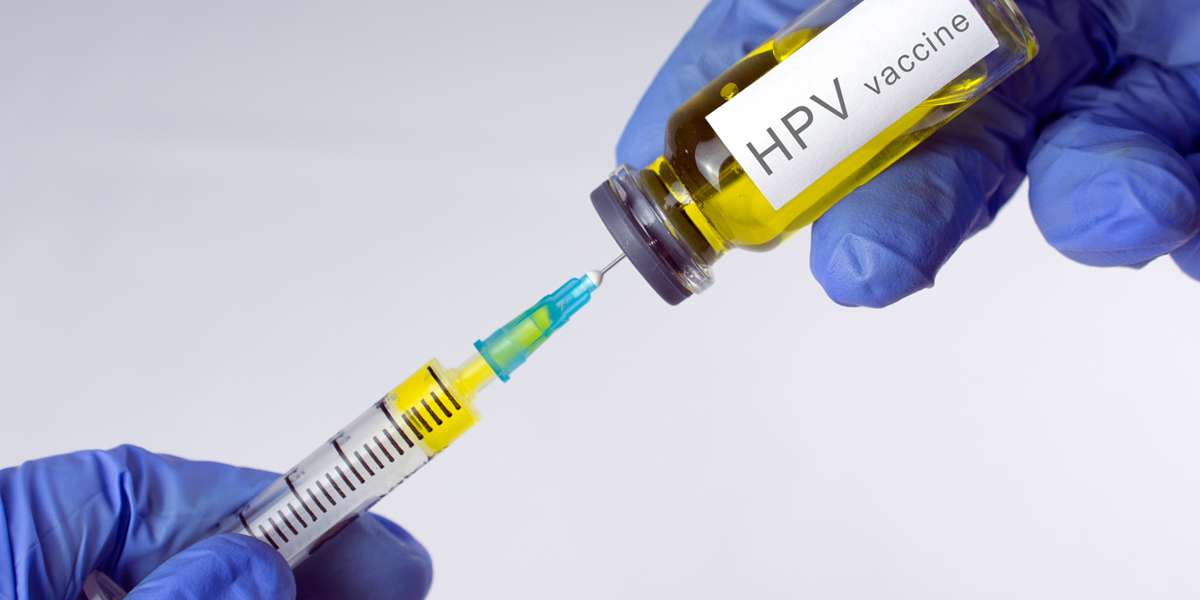

For most families, chikungunya vaccination cannot yet cover every child on the trip, since the vaccines approved in the UK currently apply only to those aged twelve and above. Parents travelling with younger children need to plan around this, rather than assume everyone can be protected in the same way.
In this blog, we look at what chikungunya is, who can currently have the vaccine, the chikungunya vaccine schedule for older children, and how to protect younger family members who are not yet eligible.
What Is Chikungunya and Why Does It Matter for Family Travel?
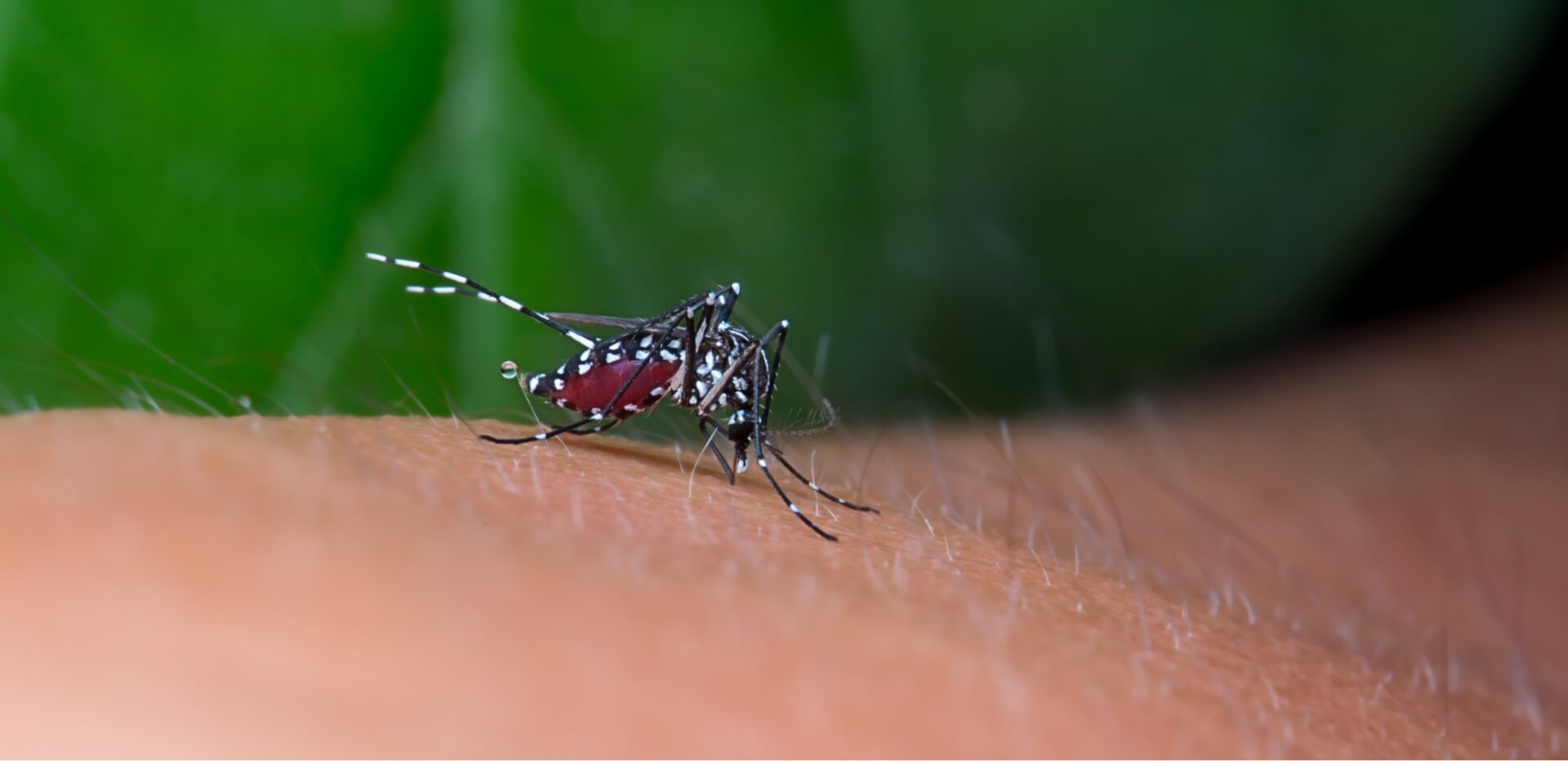
Chikungunya is a viral disease spread through the bite of infected Aedes mosquitoes, and it is found in parts of Africa, Asia, the Indian Ocean islands, and increasingly in the Caribbean and southern Europe. For families planning a holiday to one of these regions, the risk depends on where you are going, the time of year, and how much time is spent outdoors.
Outbreaks tend to rise during and after the rainy season, when mosquito numbers increase. Checking destination specific advice through our chikungunya travel vaccine service before booking flights can help you understand the current risk level.
Unlike some travel illnesses, chikungunya cannot be prevented with medication taken during the trip, which is why prevention before departure, whether through vaccination or mosquito bite avoidance, is so important when travelling as a family.
What Are the Symptoms of Chikungunya?
The symptoms of chikungunya usually appear within a week of a mosquito bite and often include a sudden high fever alongside severe joint pain. According to NHS fitfortravel guidance, other common symptoms include:
- Headache and muscle aches
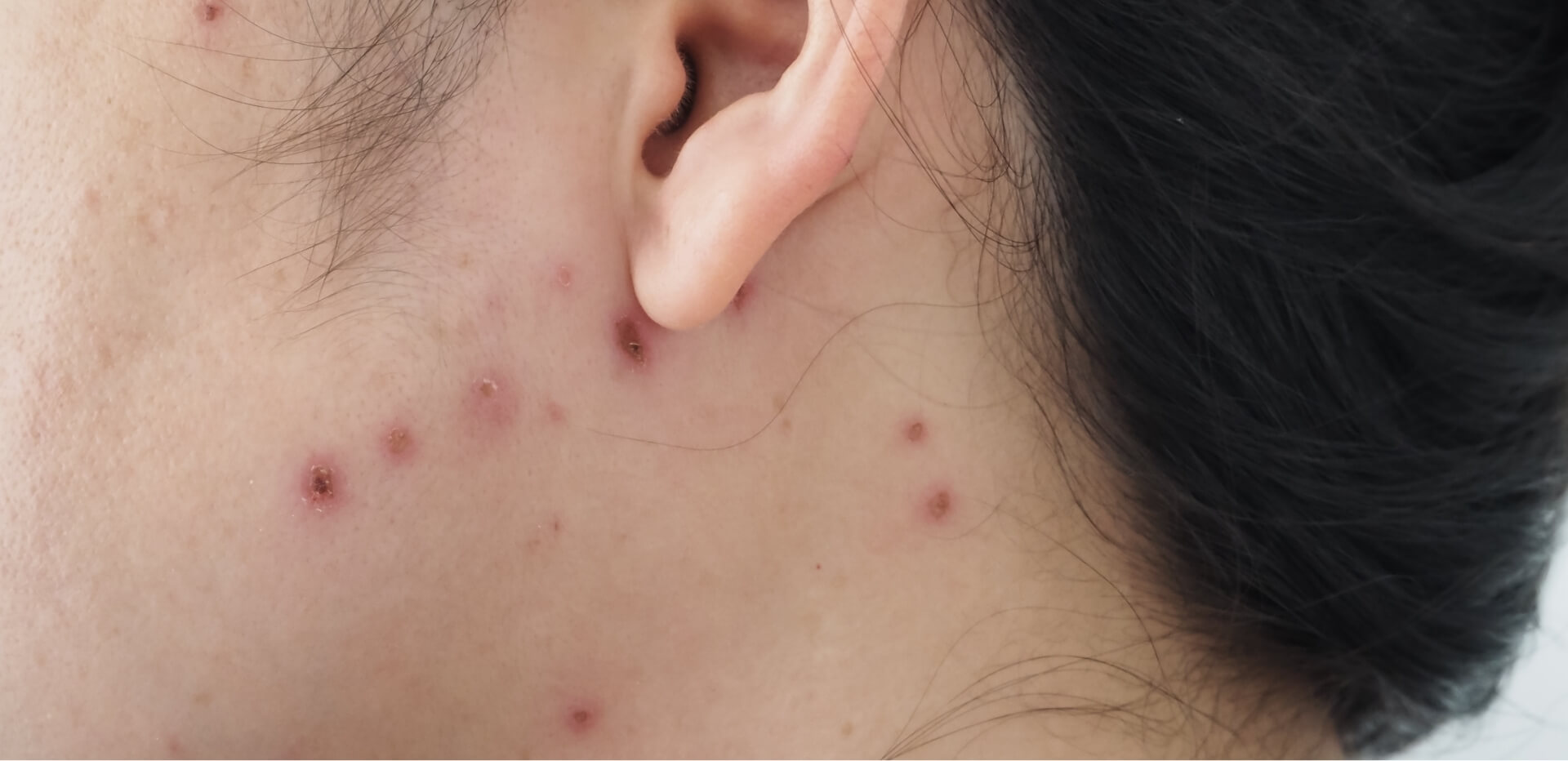
- A rash across the trunk and limbs
- Swelling around the joints
- Fatigue that can last for several days
Joint pain can persist for weeks or, in some cases, longer, which is one reason travel health teams take chikungunya seriously, even though it is rarely life threatening.
Is the Chikungunya Vaccine Available for Children?
Currently, no chikungunya vaccine is licensed in the UK for children under the age of twelve. Vimkunya is licensed for those aged twelve and above, while the alternative vaccine, IXCHIQ, is licensed only for adults aged eighteen to fifty nine, following a temporary restriction for older adults.
This means younger children cannot currently be vaccinated against chikungunya, and protection for them relies on other measures until a vaccine is approved for younger age groups.
What Is the Chikungunya Vaccine Schedule for Teenagers and Older Children?
For eligible children aged twelve and above, Vimkunya is given as a single dose, ideally several weeks before departure to allow time for immunity to build. Whether it is appropriate still depends on an individual risk assessment carried out by a prescriber, taking into account the destination, the itinerary, and the young person’s health history.
A private consultation with a GPhC registered prescriber is the safest way to confirm suitability before booking, rather than assuming the vaccine is automatically appropriate for every teenager travelling.
How to Protect Younger Children Who Cannot Be Vaccinated
Since a chikungunya vaccine is not currently available for under twelves, mosquito bite avoidance becomes the main line of defence for younger family members. Practical steps include:
- Using an age appropriate insect repellent as advised by a pharmacist
- Dressing children in loose, long sleeved clothing during peak mosquito hours
- Using mosquito nets over cots and beds where needed
- Avoiding outdoor activity at dawn and dusk when mosquitoes are most active
These measures also reduce the risk of other mosquito borne illnesses, so they are worth following even for family members who have been vaccinated.
Planning Your Family’s Travel Vaccination Appointment
Since eligibility depends on the age of each traveller and the specific destination, it is worth booking a travel health consultation several weeks before departure. This gives enough time to complete any required doses, discuss suitability for each family member, and put other precautions in place for those who are not eligible.
Vaccine guidance for chikungunya has changed more than once since the vaccines were first approved, with age restrictions reviewed as new safety data has emerged. A pre travel consultation means you can get advice based on the latest guidance, rather than relying on older information.
Plan Your Family’s Travel Vaccinations with Touchwood Pharmacy
Every family member’s travel health needs are different, and getting clear, individual advice matters more than following a generic checklist. At Touchwood Pharmacy, our GPhC registered pharmacist team can assess each traveller and explain exactly what protection is realistic for their age and itinerary.
Don’t leave your family’s travel health to chance. Book your travel vaccination consultation with Touchwood Pharmacy today.
Frequently Asked Questions
Can babies or toddlers have the chikungunya vaccine?
No. It is not currently licensed in the UK for children under twelve. Mosquito bite prevention is recommended instead.
How long does protection from the chikungunya vaccine last?
Long term protection data is still being collected. Your pharmacist or prescriber can advise based on current guidance.
Can teenagers have the chikungunya vaccine?
Possibly. From age twelve, eligibility depends on factors such as destination, itinerary and health history.
Is the chikungunya vaccine safe for older adults?
Age restrictions apply to one of the two licensed vaccines. A prescriber will confirm which vaccine is suitable.
What if only some family members are eligible?
Eligible family members can be vaccinated, while others should focus on preventing mosquito bites.
Where is chikungunya vaccination recommended?
It may be considered for travel to areas of Africa, Asia, the Indian Ocean, the Caribbean and southern Europe where chikungunya risk is present.