










Most people in the UK had chickenpox as a child and remember it as an uncomfortable but manageable illness. What fewer people appreciate is how much more serious chickenpox in adults can be, and that a private chickenpox vaccine is readily available for those who have missed natural immunity. This article explains who should consider the chickenpox vaccine for adults, what the varicella injection involves, and when private vaccination is worth it.
Why Is Chickenpox More Serious in Adults?
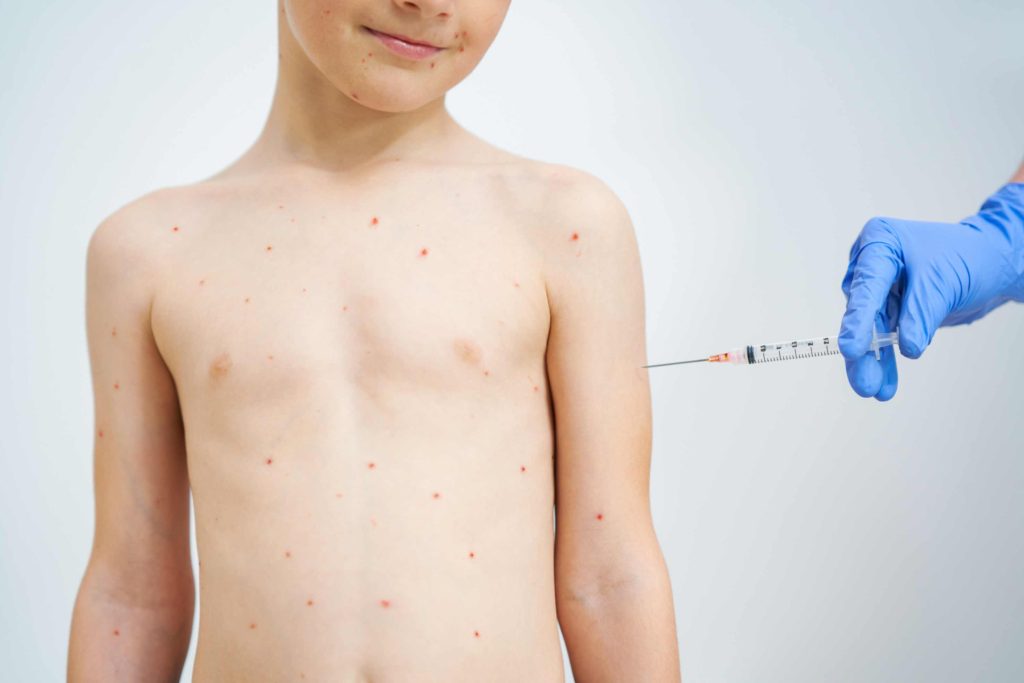
Chickenpox, caused by the varicella-zoster virus, follows a very different course in adults compared to children. While most children recover within a week or two with relatively mild symptoms, chickenpox in adults tends to be significantly more severe. Adults are more likely to experience:
- A heavier, more widespread rash with a greater risk of bacterial skin infection
- Pneumonia, which is one of the most common serious complications in adults
- Encephalitis (inflammation of the brain), which is rare but more frequent in adults than in children
- A longer and more debilitating illness overall
- Greater risk of hospitalisation compared to children with the same infection
For pregnant women who have not had chickenpox, the risks extend to the unborn baby. Varicella infection in early pregnancy can cause foetal varicella syndrome, and infection around the time of delivery carries a significant risk to the newborn. Vaccination before pregnancy is the safest approach.
What Is the Start of Chickenpox in Adults?
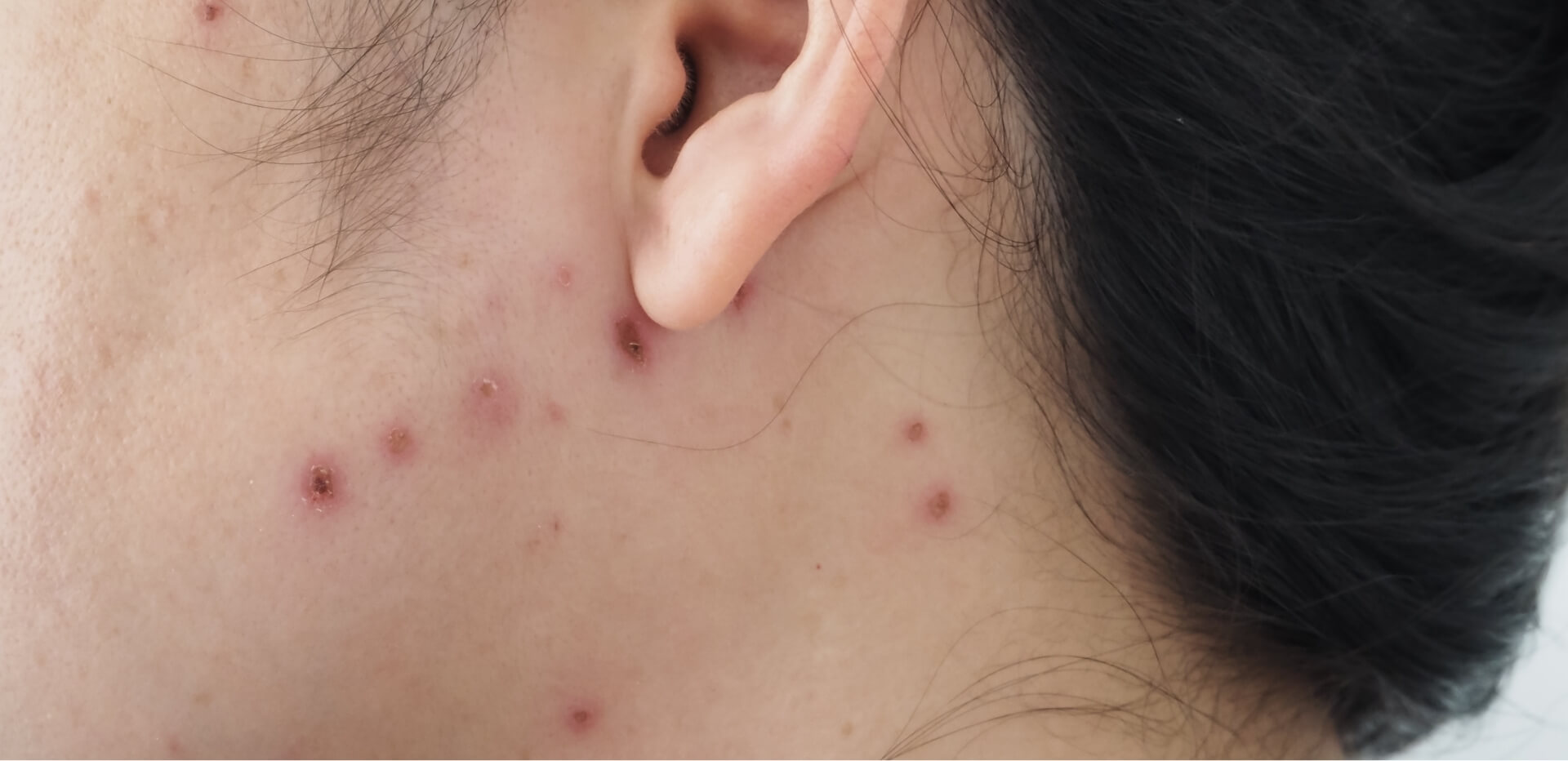
The start of chickenpox in adults typically follows a prodromal phase of one to two days before the rash appears. During this initial period, adults often experience fever, headache, fatigue, and a general feeling of being unwell, sometimes more pronounced than in children. The characteristic itchy blistering rash then emerges, typically starting on the trunk before spreading to the face and limbs.
The incubation period, from exposure to the start of symptoms, is usually between ten and twenty-one days. Adults who are unsure whether they have had chickenpox previously and who develop these symptoms after a known exposure should seek medical advice promptly rather than waiting for the rash to develop.
Can You Get Chickenpox Twice?
It is a common assumption that having chickenpox once confers lifelong immunity. For most people, this is broadly true. However, there are some important nuances worth understanding.
Can you get chickenpox twice? It is rare, but not impossible. A second episode of chickenpox can occur in people whose initial immune response was incomplete, such as those who had a very mild or atypical first infection, or those who have become immunocompromised in the years since.
More commonly, the varicella-zoster virus does not leave the body after the initial infection. It remains dormant in the nervous system and can reactivate later in life as shingles (herpes zoster), a painful condition that becomes more common and more severe with age. This is an entirely separate condition from a second case of chickenpox.
Who Should Consider the Chickenpox Vaccine for Adults?
The chickenpox vaccine is not part of the routine NHS immunisation programme for adults in England. It is, however, recommended by the NHS for certain vulnerable groups and their close contacts. For everyone else, a private chickenpox vaccine is the available route.
Adults Who May Particularly Benefit from Private Vaccination
- Adults who have never had chickenpox and have no immunity, particularly those in healthcare, education, or childcare settings where exposure risk is higher
- Women planning a pregnancy who are not immune, as vaccination before conception is far preferable to managing an infection during pregnancy
- Adults living with or caring for immunocompromised individuals, where a household chickenpox infection could have serious consequences
- Adults who are uncertain about their chickenpox history and prefer confirmed protection over assumed immunity
- Travellers to regions where chickenpox vaccination rates are low, and exposure risk may be higher
Who Should Not Receive the Chickenpox Vaccination?
The varicella vaccine is a live attenuated vaccine. It is therefore not recommended for:
- Pregnant women — pregnancy must be avoided for at least four weeks after each dose
- People who are immunocompromised, including those receiving immunosuppressive therapy or chemotherapy
- Those with a history of severe allergic reaction to any component of the vaccine
A consultation with your pharmacist before vaccination will confirm whether the chickenpox injection is appropriate for you.
What Does the Private Chickenpox Vaccine Involve?
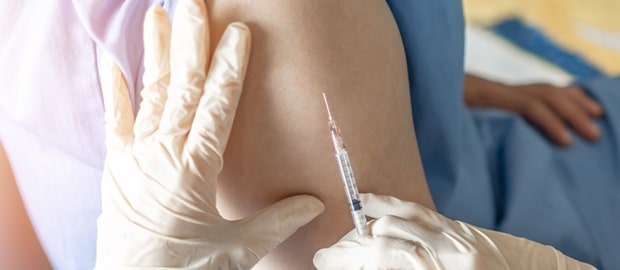
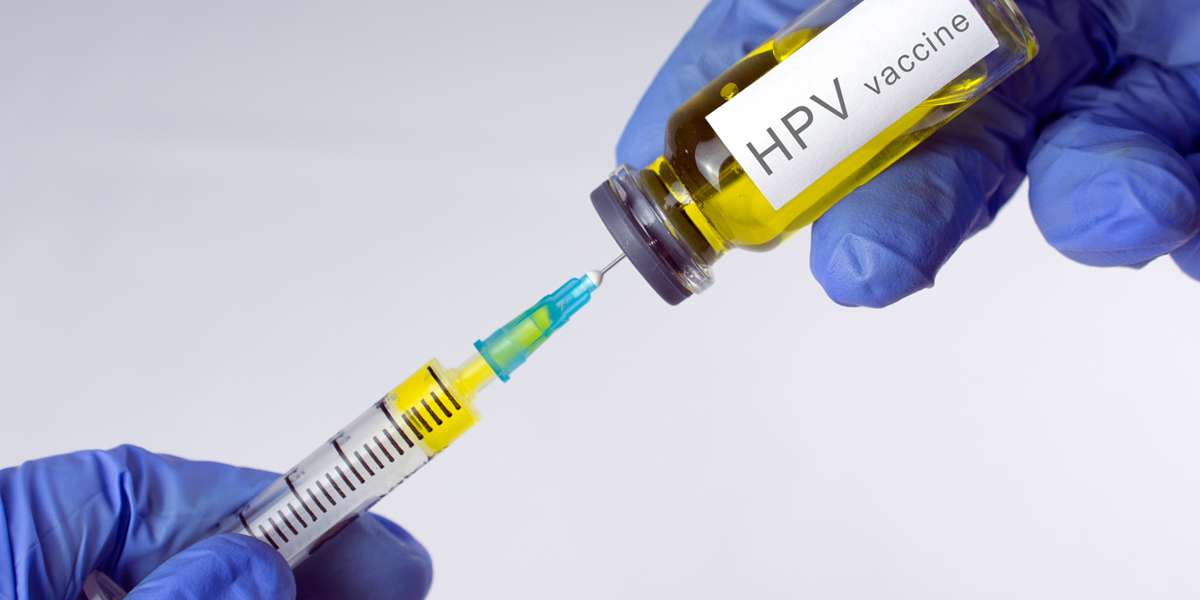
The varicella vaccine for adults (most commonly Varilrix or Varivax in the UK) is given as two separate injections, typically four to eight weeks apart. Both doses are needed to establish full protection. The vaccine is administered as a subcutaneous injection, usually into the upper arm.
Because it is a live vaccine, some people experience mild chickenpox-like symptoms after vaccination, including a localised rash or low-grade fever. These are temporary and do not indicate a full chickenpox infection. Serious adverse reactions are rare.
How to Access a Private Chickenpox Vaccine in the UK
Private chickenpox vaccination for adults is available through registered pharmacies and private healthcare clinics. At Touchwood Pharmacy, our pharmacists can assess your immunity status, advise on whether the varicella vaccine is appropriate for your circumstances, and administer both doses at a time that suits you.
Book your appointment with our experts at Touchwood Pharmacy for personalised vaccination advice and access to the private chickenpox vaccine for adults.
This article is for informational purposes only and does not constitute medical advice. The varicella vaccine is a live vaccine. Always consult a qualified healthcare professional to confirm whether vaccination is appropriate for your individual circumstances.
Frequently Asked Questions (FAQ’s)
Is the chickenpox vaccine available on the NHS for adults?
The chickenpox vaccine is not part of the routine NHS immunisation programme for adults in England. It is offered on the NHS to certain vulnerable groups and their household contacts, such as immunocompromised individuals and non-immune healthcare workers in direct patient contact. Most adults who want the vaccine will need to access it privately through a registered pharmacy or clinic.
How do I know if I am immune to chickenpox?
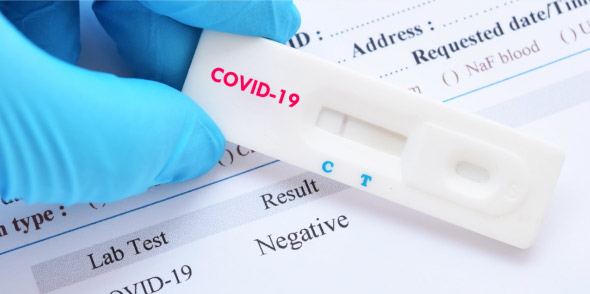
If you had a confirmed case of chickenpox in childhood, you are likely to be immune, though immunity can be less robust following a very mild infection. If you are unsure, a blood test (varicella IgG antibody test) can confirm your immune status. Your pharmacist or GP can advise on testing before vaccination. Some people choose to vaccinate rather than test, as the vaccine is safe to give to someone who is already immune.
How many doses of the chickenpox injection do adults need?
Adults who have not had chickenpox require two doses of the varicella vaccine for adults, typically given four to eight weeks apart. Both doses are necessary to establish full and reliable protection. A single dose alone does not provide sufficient immunity in adults.
Can you get chickenpox twice if you have been vaccinated?
Breakthrough infection (chickenpox after vaccination) is possible but uncommon, and vaccinated individuals who do develop chickenpox typically experience a much milder illness with fewer spots and a lower risk of complications. Two full doses of the vaccine provide substantially better protection than one dose alone.
What is the difference between chickenpox and shingles?
Both chickenpox and shingles are caused by the same virus, the varicella-zoster virus, but they are different conditions. Chickenpox is the primary infection, usually acquired in childhood, causing a widespread itchy rash. Shingles is a reactivation of the dormant virus in later life, causing a painful localised rash usually on one side of the body. Having chickenpox or the chickenpox vaccine reduces the risk of shingles, though it does not eliminate it.
Is the chickenpox vaccine suitable if I am trying for a baby?
The chickenpox vaccine for adults is strongly recommended for women planning a pregnancy who are not immune to varicella. However, because it is a live vaccine, pregnancy must be avoided for at least four weeks after each dose. Vaccination should therefore be completed well before conception is attempted. If you are already pregnant and are not immune, speak to your midwife or GP rather than seeking vaccination.