











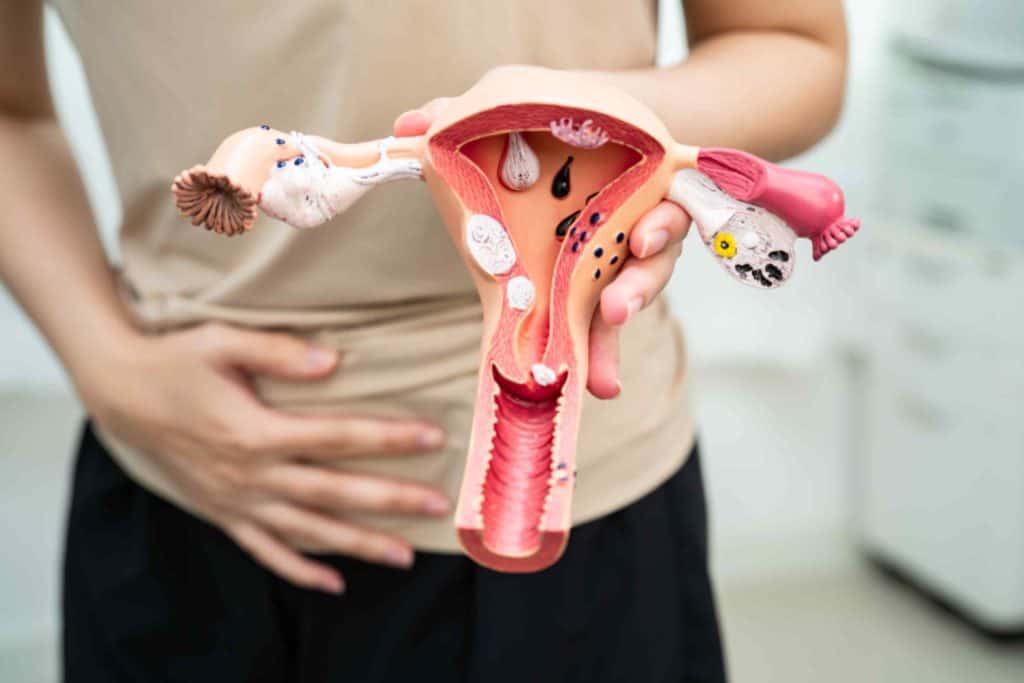
When we talk about cervical cancer, the first thing that often comes to mind is the Human Papillomavirus (HPV). And rightly so—HPV is responsible for most cases of cervical cancer. But many people wonder: Can cervical cancer occur without HPV? The answer is yes, though it is quite rare.
This article explains how HPV-negative cervical cancer can happen, the other possible causes, and why regular cervical cancer screening is still very important.
Understanding Cervical Cancer
Cervical cancer is a type of cancer that starts in the cervix, the lower part of the uterus that connects to the vagina. It usually grows slowly and may not show any symptoms in the early stages.
In most cases, cervical cancer is caused by long-term infection with high-risk types of HPV. The virus spreads through skin-to-skin contact, usually during sexual activity. However, some women who develop cervical cancer test negative for HPV. This has led to further research into HPV-negative cervical cancer.
Is HPV Always the Cause of Cervical Cancer?
No, not always. While more than 95% of cervical cancer cases are linked to HPV, a small number of women can develop cervical cancer without an HPV infection. This type is known as HPV-independent cervical cancer.
HPV-negative cervical cancers are more likely to be a type called adenocarcinoma or a rarer form known as clear cell or gastric-type carcinoma. These cancers tend to grow in parts of the cervix that are harder to reach during routine screening, which makes them trickier to detect early.
What are the Causes of HPV-Independent Cervical Cancer?
The exact causes of cervical cancer that are not linked to HPV are still being studied. However, some possible cervical cancer risk factors include:
- Genetic changes: Sometimes, faulty genes can lead to cancer, even without a virus like HPV.
- Weakened immune system: People with weak immunity (such as those with HIV or on immune-suppressing medication) are at higher risk.
- Other infections or irritants: Chronic inflammation in the cervix from other sources may also play a role.
- Exposure to DES (diethylstilbestrol): A medication used in the 1950s–70s in pregnancy has been linked to rare cervical cancers in daughters of those who took it.
Why Cervical Cancer Screening Still Matters
Cervical screening (also known as a smear test) is one of the best ways to prevent or catch cervical cancer early. Even though most cases are linked to HPV, screening can still pick up changes in the cervix that may lead to cancer—even if HPV is not found.
It is important to attend your screening appointments, even if you feel healthy or have been vaccinated. Some types of HPV-negative cervical cancer may not show up in HPV tests but could be spotted by looking at abnormal cells.
Can You Prevent HPV-Negative Cervical Cancer?
Prevention is more difficult when we don’t know the exact cause, but you can still reduce your overall risk:
- Attend regular screening: Don’t skip your smear tests, even if you feel fine.
- Stay healthy: A strong immune system can help your body fight off abnormal changes.
- Report unusual symptoms: Bleeding between periods, pain during sex, or unusual discharge should never be ignored.
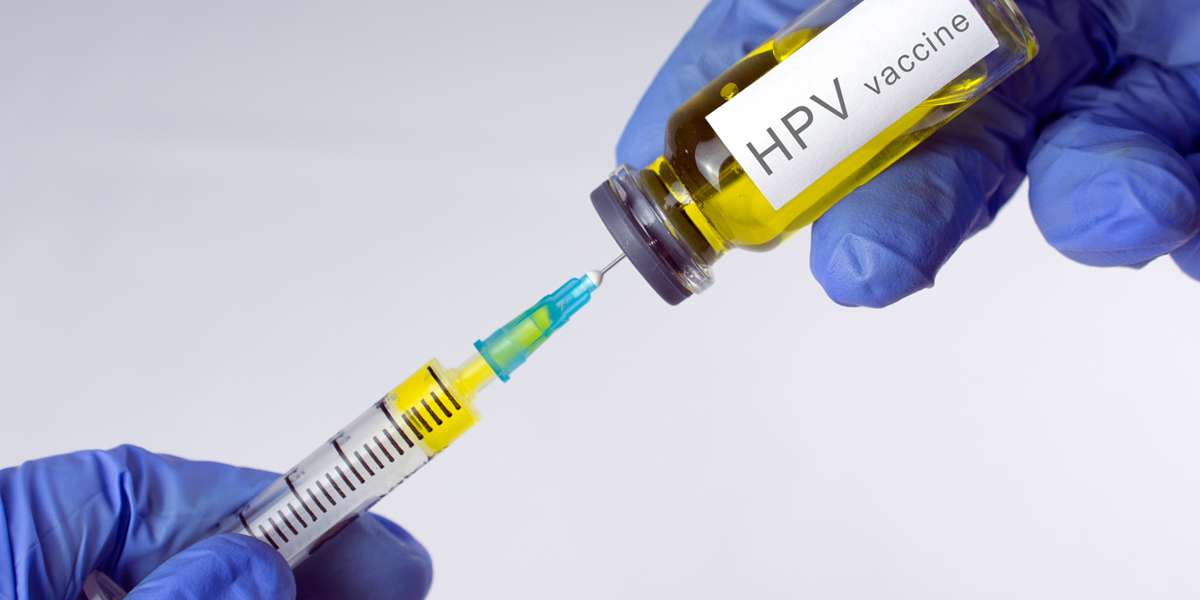
- Get vaccinated: The HPV vaccine doesn’t prevent HPV-negative cancers, but it still protects against the majority of cases.
Diagnosing HPV-Independent Cervical Cancer
If cervical cancer is suspected, the professional may recommend further tests such as:
- A pelvic examination
- A biopsy (removing a small sample of tissue)
- Imaging scans (MRI, CT, etc.)
The final diagnosis is made by looking at the cells under a microscope. If the cells are cancerous and no HPV is found, it may be classed as an HPV-negative cervical cancer.
Shield Yourself Against HPV-Linked Cancers Now
While HPV is the main cause of cervical cancer, it’s important to understand that rare cases do happen without it. That’s why being aware of symptoms and going for regular cervical cancer screening is vital. Even if you’re vaccinated or test negative for HPV, it doesn’t mean you’re fully in the clear. Protecting yourself against HPV is a key step in preventing most cases of cervical cancer. Book a quick and easy appointment at your nearest Touchwood Pharmacy to get your HPV vaccine today. Early prevention can make all the difference.