












By the time most people in the UK reach adulthood, around 90 percent have already had chickenpox, which shows just how easily it spreads through households and schools. When the first itchy spots appear, everyday routines like bathing suddenly feel uncertain. The good news is that you can safely take a bath during chickenpox, and gentle soaking can actually help calm irritation and protect the skin while it heals.
Can You Have a Bath With Chickenpox?
Yes, you can take a bath when you have chickenpox. Washing the skin gently is safe for both children and adults and can help ease itching. The key is to avoid hot water, harsh soaps and scrubbing the skin. A calm, lukewarm bath supports comfort and helps lower the risk of skin infection.
Should you avoid hot baths during chickenpox?
Hot water can increase inflammation and make itching worse. Lukewarm water is kinder on the skin and helps calm discomfort.
How often can you bath during the illness?
Most people find one or two gentle baths a day helps manage the itch. This is also helpful during the start of chickenpox when the spots are fresh and more sensitive.
What should you use to wash your skin?
Mild soap or plain water is enough. Harsh cleansers can irritate the skin and delay healing.
Does Bathing Help Reduce Itching and Irritation?
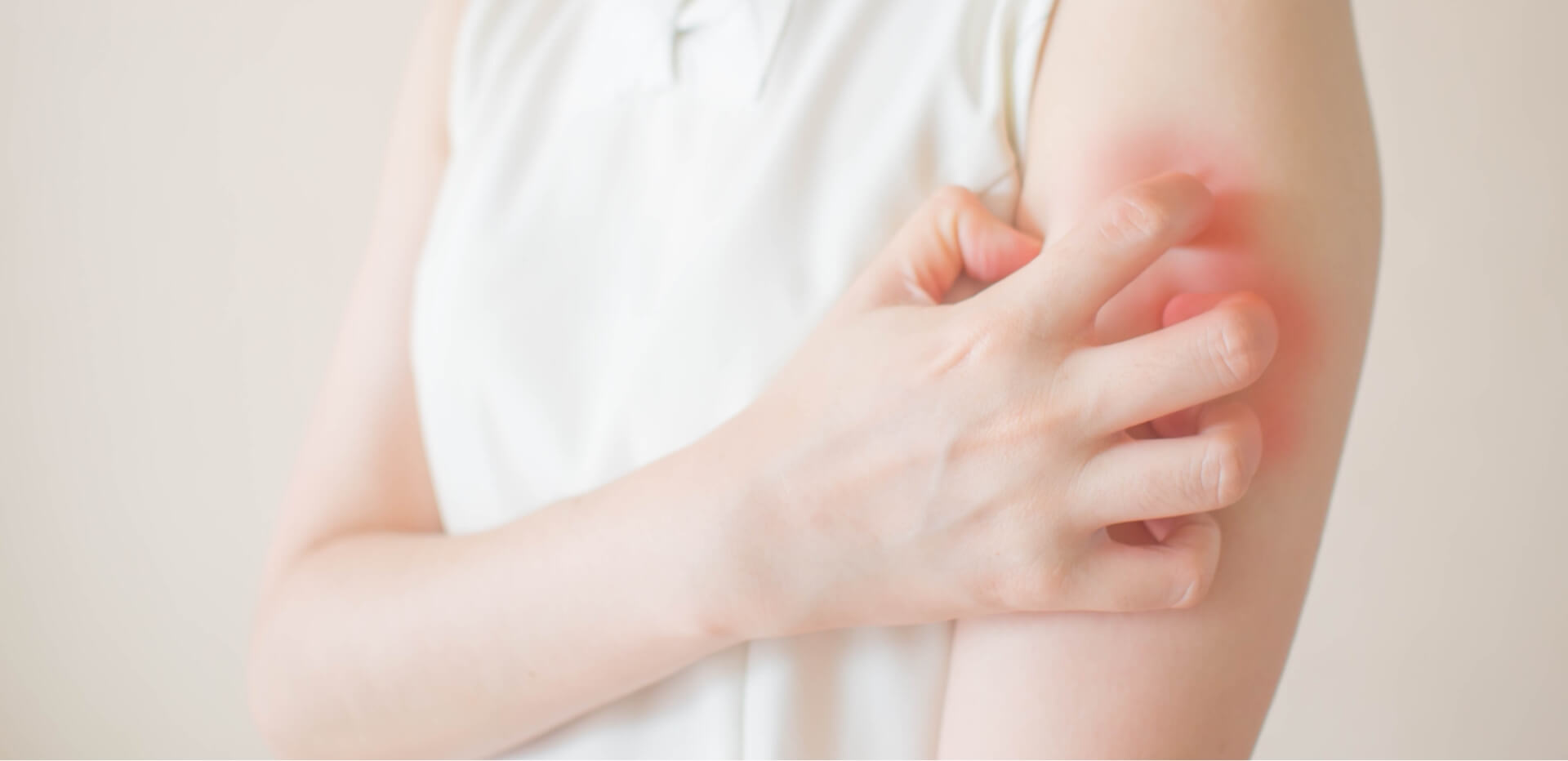
Bathing is one of the simplest ways to soothe chickenpox symptoms. Clean water helps remove sweat, oils and irritants from the skin. This can reduce the urge to scratch, which is important because scratching increases the risk of scarring and infection.
How does bathing help with the itch?
Keeping the skin hydrated and cool calms the nerve endings that trigger itching. A lukewarm bath creates a comfortable environment for the irritated skin.
Can a bath help prevent infection?
Yes. Clean skin is less likely to become infected, especially if blisters have broken. Gentle bathing removes bacteria without disturbing the healing process.
Are oatmeal baths useful?
Some people use colloidal oatmeal in the water to help soothe the itch. This is a common home remedy, though plain water is also effective if preferred.
What Is the Best Way to Bathe With Chickenpox?
You can support healing and comfort by following a simple bathing routine. A calm approach works better than vigorous cleaning.
Step-by-step tips for children and adults
- Use lukewarm water.
- Keep the bath short.
- Pat the skin dry with a soft towel.
- Avoid rubbing or scrubbing.
- Wear loose, breathable clothing afterwards.
These steps form part of the best chickenpox treatment at home because they protect the skin and support comfort.
Can adults bathe the same way as children?
Yes. Chickenpox treatment for adults is very similar when it comes to bathing. Adults may experience stronger symptoms, but the bathing routine remains gentle and supportive.
Should you use moisturisers afterwards?
A mild, fragrance-free moisturiser can help keep the skin hydrated. Apply it softly without pressing on the spots.
When Should You Avoid Bathing With Chickenpox?
Most people can safely take a bath with chickenpox. However, there are a few situations where extra care is needed.
If the skin is extremely sore
If the irritation increases after bathing, shorter baths or cooler water may help.
If there are signs of infection
Redness, swelling or leaking yellow fluid from the spots can indicate infection. In these cases, keep the skin clean but gentle and seek guidance from one of our pharmacists.
If you feel unwell
During the early start of chickenpox, when fever and tiredness are common, short baths are usually more comfortable.
Where Can You Get Support for Managing Chickenpox Symptoms in the UK?
Chickenpox usually clears on its own, but proper care helps prevent complications and makes recovery more comfortable. Our pharmacists at Touchwood Pharmacy can offer personalised advice on soothing treatments, skincare tips and ways to protect others from infection.
Book your appointment with our experts at Touchwood Pharmacy for guidance on safe and effective chickenpox treatment options.
FAQs
Can bathing make chickenpox worse?
Bathing will not make chickenpox worse when done correctly. Using lukewarm water and gentle cleansing helps soothe the skin rather than irritate it. Problems usually occur only when the water is too hot or if the skin is scrubbed, which can inflame the spots and delay healing.
Is it better to shower or take a bath with chickenpox?
A bath is usually more comfortable because the water covers the skin fully and offers better itch relief. Showers are safe, but the water pressure may feel uncomfortable on sensitive spots. For children, baths tend to be easier and less irritating.
How soon after chickenpox starts can you have a bath?
You can bathe from the very start of chickenpox as long as the water is lukewarm and the washing is gentle. There is no need to wait for the spots to crust over. Bathing early can help remove sweat, reduce itching and keep the skin clean.
Should you add anything to the bath for chickenpox relief?
Some people add colloidal oatmeal to calm itching, which can be helpful for both children and adults. If you prefer, plain lukewarm water is still effective. Avoid using bubble bath or fragranced products, as they can irritate the spots.
Can bathing help prevent chickenpox scars?
Regular gentle bathing helps reduce scratching, which is the main cause of scars. Keeping the skin clean lowers the risk of infection that can lead to scarring. Always pat the skin dry and avoid rubbing, which can disturb healing blisters.
What should you do after a bath when you have chickenpox?
After bathing, pat the skin dry with a soft towel and wear loose cotton clothing to avoid friction on the spots. If recommended, you can apply a mild moisturiser to ease dryness. Keeping nails short also helps reduce the risk of damaging the skin if you accidentally scratch.