






If you think shingles is something that only affects older people, you’re not alone. It can come as a surprise when it appears in your twenties, thirties or forties, particularly if you otherwise feel fit and healthy. While shingles is more common as we get older, younger adults can develop it too.
At first, shingles can be easy to mistake for something else. You might notice a patch of sensitive or painful skin, tingling or burning before a rash appears. Knowing what those early symptoms can feel like, and when to seek advice, can make it easier to recognise shingles and get the right treatment.
Why Can Shingles Appear at a Young Age?
Shingles can appear at a young age because anyone who has had chickenpox carries the virus that causes it. After chickenpox, the varicella zoster virus stays dormant in your nerves for life. Shingles develops when that virus reactivates, and while the risk rises with age, reactivation is not limited to later life.
A healthy immune system usually keeps the virus in check, but it does not guarantee it will stay dormant forever. That is why shingles in adults of any age can feel so unexpected.
What Are the Shingles Risk Factors in Younger Adults?
The main shingles risk factors in younger adults relate to dips in immune function, whether temporary or longer lasting. You may be more likely to develop shingles if you:
- Have a condition or treatment that weakens the immune system, such as chemotherapy, long courses of steroids or HIV
- Have recently been unwell or are feeling run down
- Are going through a period of significant physical or emotional stress, which people often report before an episode
In many cases, there is no clear trigger at all. This is worth knowing, because it means shingles is not a sign that you have done anything wrong.
What Are the Early Shingles Symptoms?
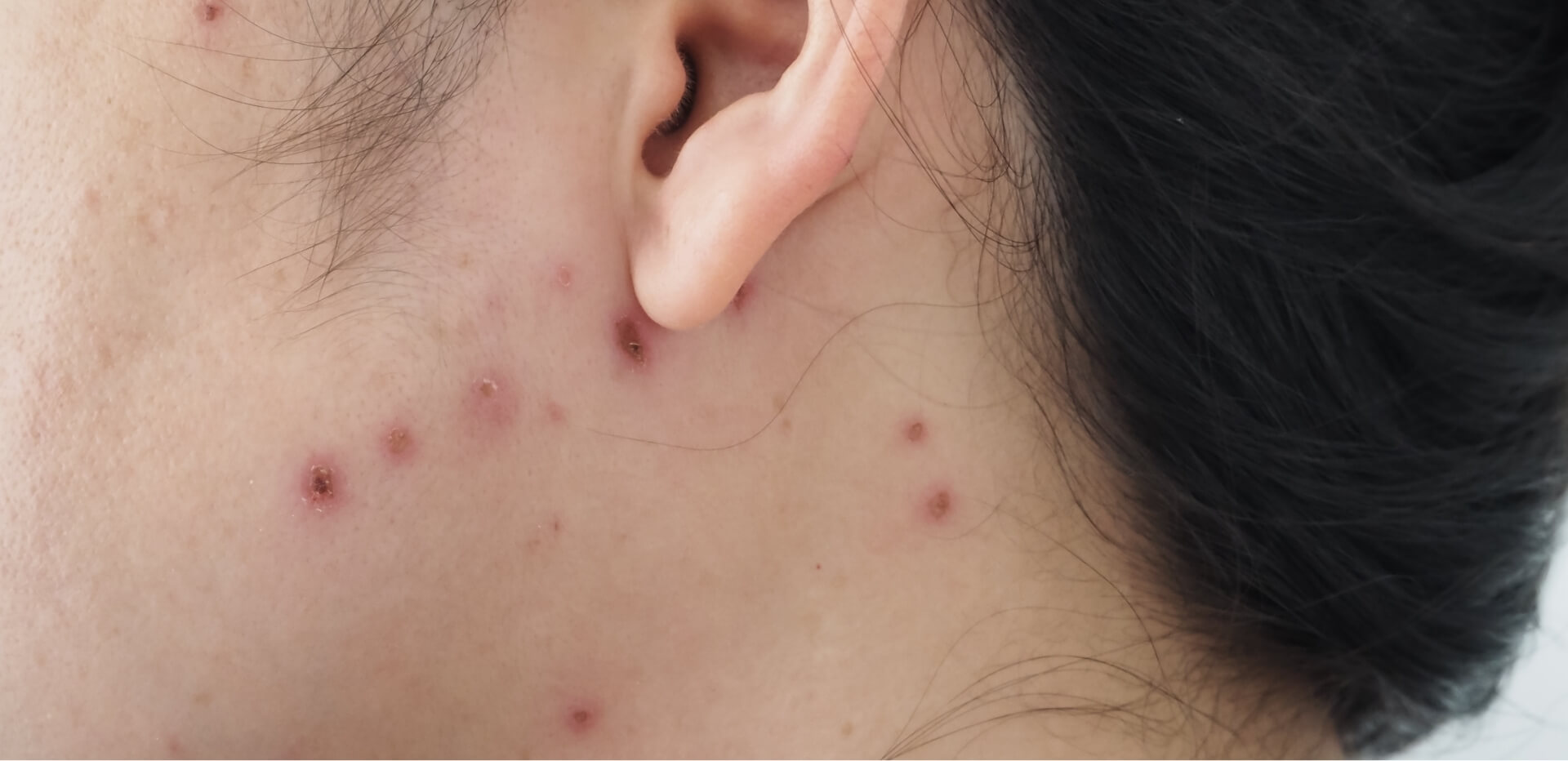
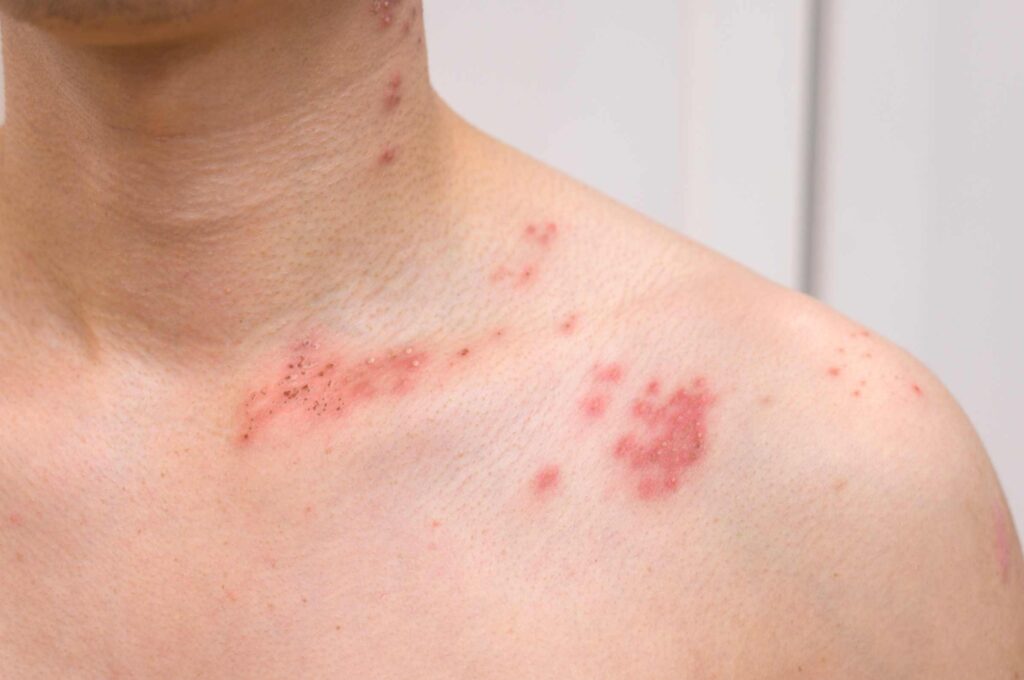
Shingles symptoms usually begin with tingling, burning or pain in one area of skin, followed a few days later by a rash. Common signs include:
- A painful rash on one side of the body, often as a band around the chest or tummy
- Blisters that later dry and scab over
- Headache, a high temperature or feeling generally unwell
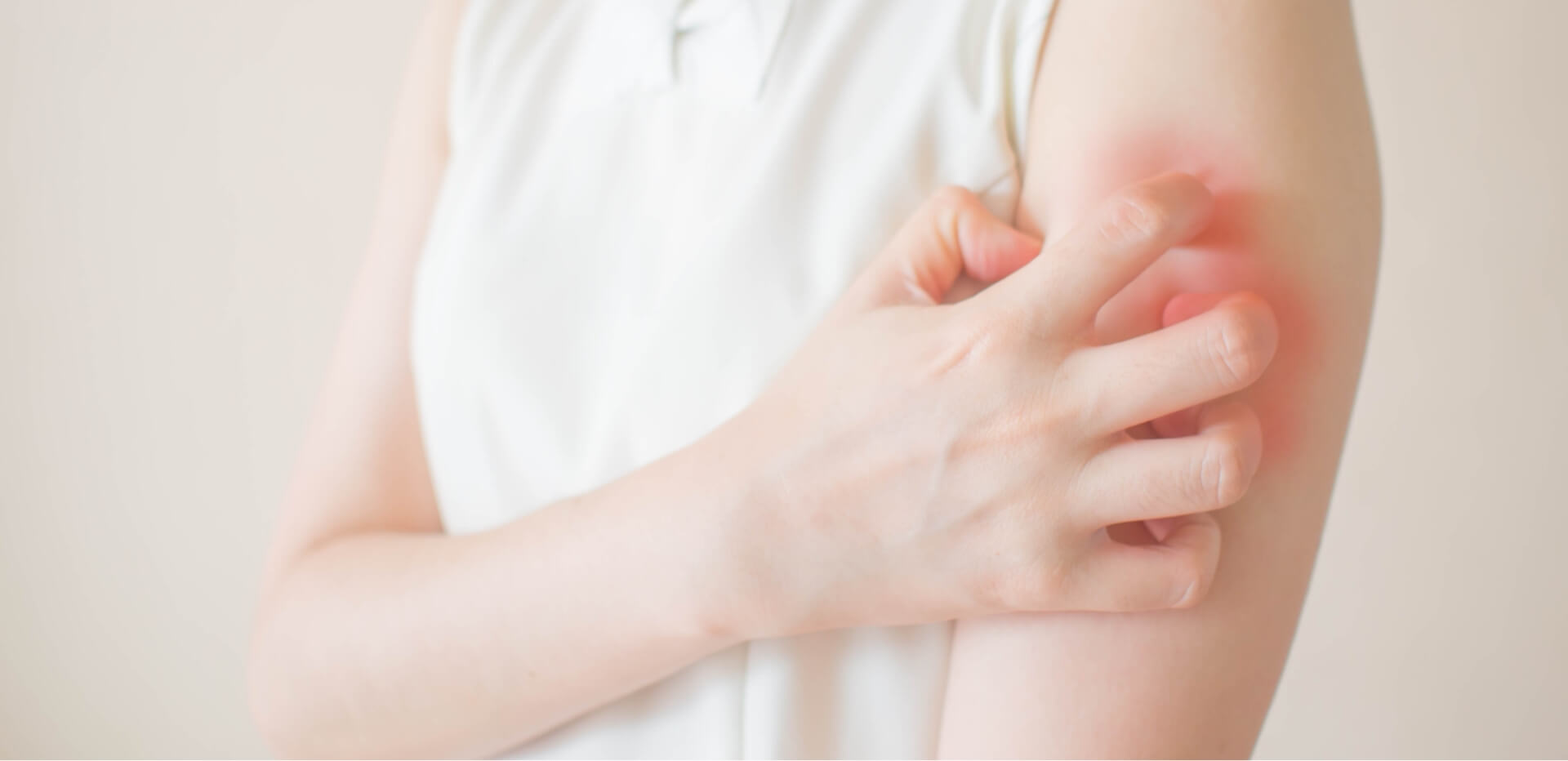
- Itching or unusual sensitivity in the affected area
When Should You Seek Help?
You should seek advice promptly, ideally within three days of the rash appearing. According to NHS guidance on shingles, antiviral medicine works best when started early. Seek urgent help if the rash is near your eye or you have a weakened immune system.
Should Younger Adults Consider the Shingles Vaccine?
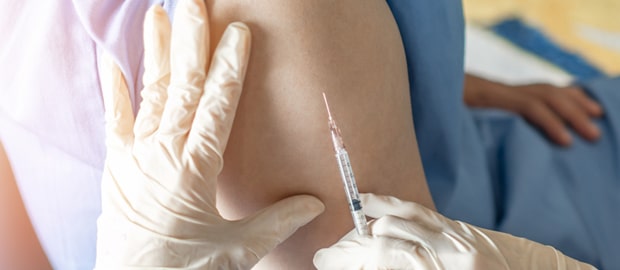
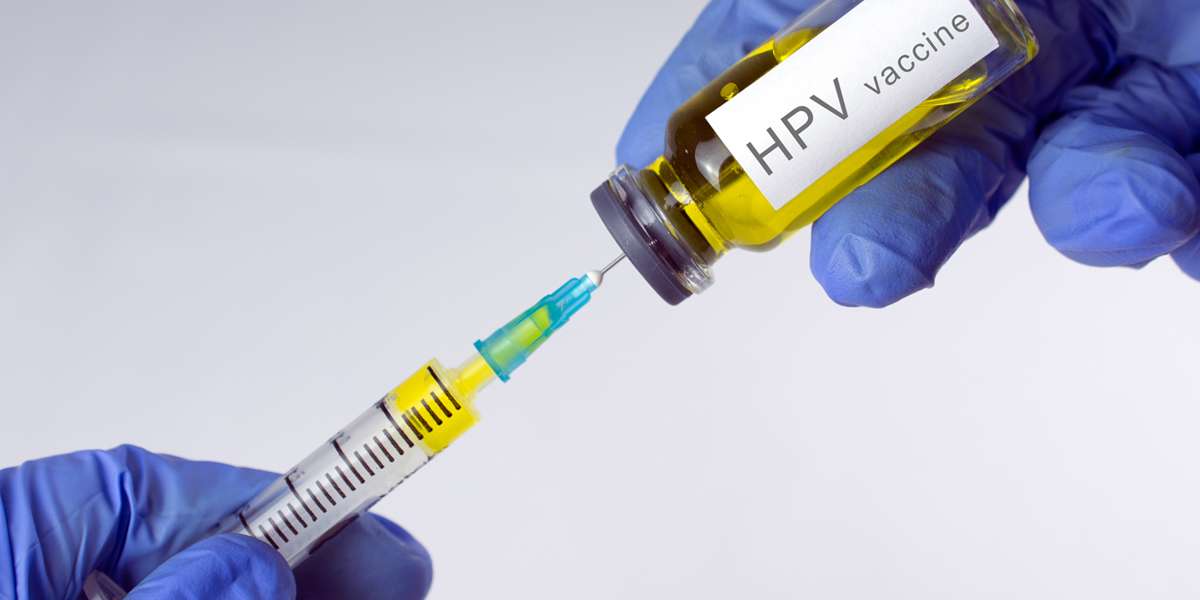
The shingles vaccine is mainly aimed at older adults, but some younger adults may benefit depending on their health. On the NHS, eligibility is based on age and certain health conditions, particularly a severely weakened immune system.
Privately, the inactivated vaccine Shingrix is licensed for adults aged 50 and over, and for adults aged 18 and over who are at increased risk of shingles. It is given as two doses, usually two to six months apart.
Most healthy people in their twenties or thirties will not need it, so a personalised assessment matters more than age alone. A private shingles vaccination consultation with a pharmacist can help you understand whether it is suitable for you.
Protect Yourself Against Shingles with Touchwood Pharmacy
Shingles can catch you off guard, but knowing your risk and understanding your options can help you feel more prepared. At Touchwood Pharmacy, we offer private shingles vaccine consultations with a GPhC-registered pharmacist, so you get clear, personal advice on whether vaccination is right for you.
Book your shingles vaccine consultation with Touchwood Pharmacy to discuss your options.
Frequently Asked Questions
Can you catch shingles from someone else?
No, you cannot catch shingles directly. However, someone who has never had chickenpox or the chickenpox vaccine can catch chickenpox from contact with shingles blisters.
Can you get shingles more than once?
Yes, although it is uncommon. Most people only have shingles once, but repeat episodes can happen.
Is shingles at a young age a sign of something serious?
Usually not. If you have repeated episodes or feel unwell in other ways, your GP may want to check your general health.
How long does shingles last?
The rash usually heals within two to four weeks, although pain can sometimes continue for longer.
Can I get the shingles vaccine privately if I am under 50?
Possibly, if you are at increased risk. A pharmacist will assess your medical history before recommending vaccination.
Can shingles cause lasting nerve pain?
Some people develop postherpetic neuralgia, a nerve pain that continues after the rash has healed. It is more common in older adults.