













A single shared drink, a crowded room, or close contact with someone who feels slightly unwell can be enough for certain infections to pass unnoticed. Meningitis is one of those conditions people rarely think about until a real risk appears, yet the way it spreads is often misunderstood.
Knowing how meningitis spreads is not just medical information; it shapes the everyday choices that lower your risk. From understanding transmission to taking simple preventive steps, meningitis prevention becomes far more practical when you know what actually matters and what does not.
How is meningitis spread from person to person?
Meningitis spreads through close contact with respiratory droplets or throat secretions from an infected person. This includes coughing, sneezing, kissing, or sharing items like utensils.
How bacterial meningitis spreads
Bacterial meningitis spreads through prolonged or close contact. It is not usually passed through casual contact, but living in the same household or sharing personal items increases the risk.
Can meningitis spread in public places?
Yes, but the risk is generally lower. Brief contact, such as passing someone in a shop, is unlikely to spread infection compared to close and repeated exposure.
Understanding how meningitis spreads helps you take targeted precautions rather than unnecessary worry.
How can you prevent meningitis effectively in the UK?
You can prevent meningitis by combining vaccination, good hygiene, and awareness of symptoms. No single step offers complete protection, but together they reduce your risk significantly.
Vaccination as a key protection method
Vaccines are one of the most effective forms of meningitis prevention. The meningitis ACWY vaccine protects against several common strains, particularly for teenagers, students, and travellers.
Our pharmacists can advise on which vaccines are suitable based on your age, health status, and travel plans.
Practising good hygiene habits
Simple habits can lower your risk of infection:
- Wash your hands regularly with soap and water.
- Avoid sharing drinks, cutlery, or toothbrushes.
- Cover your mouth when coughing or sneezing.
- Dispose of tissues promptly.
These steps help limit the spread of bacteria and viruses that can lead to meningitis.
Reducing close contact during illness
If someone around you is unwell, try to avoid close contact where possible. If you are ill, staying at home and limiting contact with others helps protect those around you.
What meningitis symptoms should you watch for early?
Recognising symptoms early can help you act quickly and reduce the risk of complications. Symptoms can differ depending on the cause.
Viral meningitis symptoms
Viral meningitis symptoms are often milder but can still feel severe. Common signs include:
- Fever.
- Headache.
- Sensitivity to light.
- Neck stiffness.
- Nausea or vomiting.
- These symptoms may develop gradually and are sometimes mistaken for flu.
When symptoms become more serious
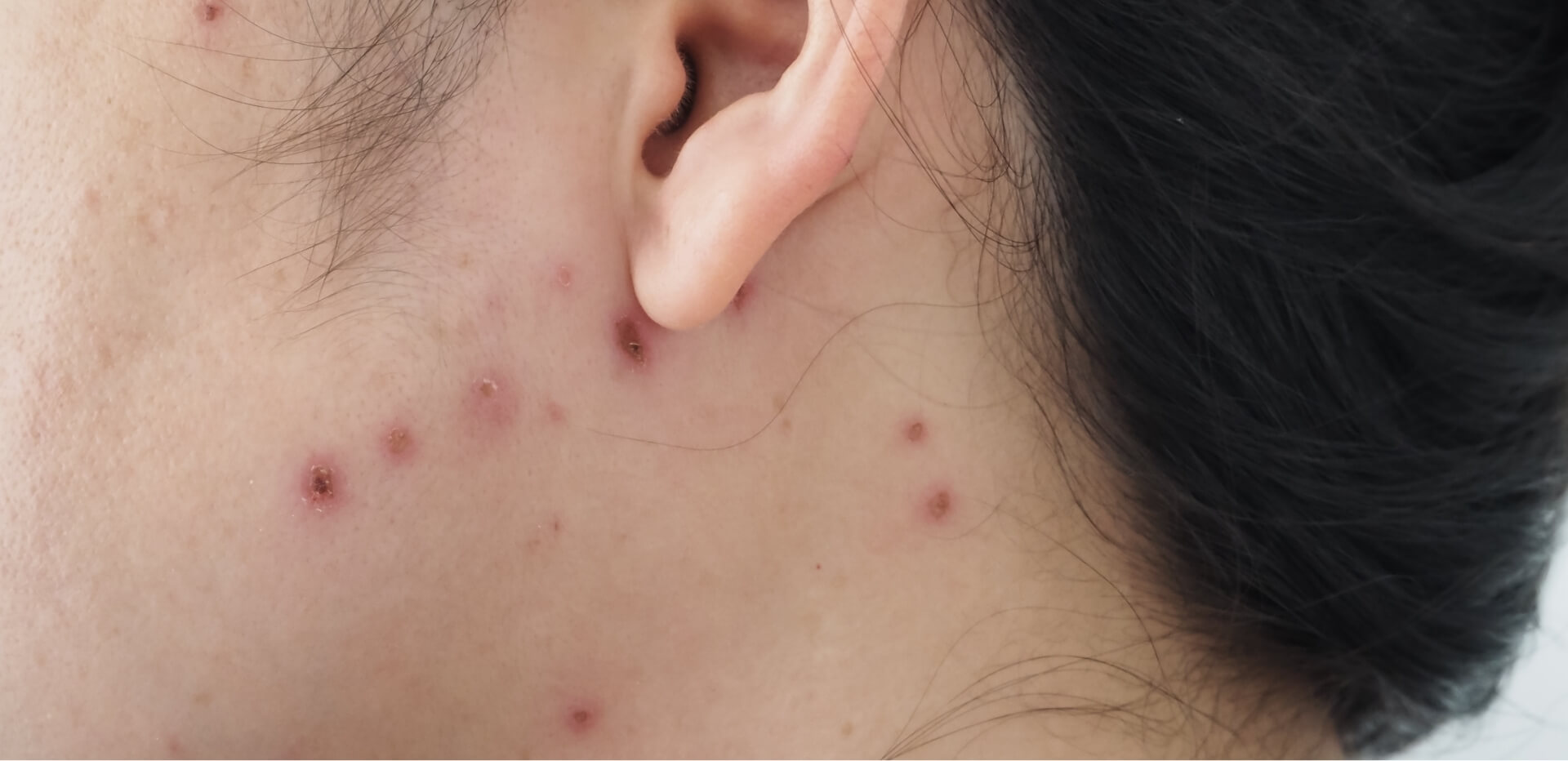
More severe symptoms may include confusion, difficulty waking, seizures, or a rash that does not fade when pressed. These require urgent medical attention.
Being aware of symptoms supports both early treatment and preventing further spread.
Who is at higher risk of meningitis?
Certain groups are more vulnerable and should take extra care with meningitis prevention.
Groups with increased risk
- Babies and young children.
- Teenagers and young adults.
- People with weakened immune systems.
- Travellers to high-risk regions.
Why awareness is essential for these groups
These groups are more likely to develop complications, so early vaccination and prompt attention to symptoms are especially important.
Our pharmacists can help assess your personal risk and recommend appropriate preventive steps.
What practical steps can you take in daily life?
You can reduce your risk of meningitis by making small but consistent changes to your routine.
Everyday prevention tips
- Keep vaccinations up to date.
- Maintain good personal hygiene.
- Avoid sharing personal items.
- Stay informed about symptoms.
- Seek advice if you have been in close contact with someone diagnosed.
When to seek expert advice
If you are unsure about your risk or have been exposed to meningitis, speaking to our pharmacists can help you decide on the next steps, including vaccination or further assessment.
Protecting yourself and others from meningitis
Preventing meningitis is about awareness, timely action, and simple precautions. By understanding how bacterial meningitis spreads and recognising early signs, you can protect both yourself and those around you.
Book your appointment with our experts at Touchwood Pharmacy for personalised advice on meningitis prevention, vaccinations, and protecting your health.
FAQs
Can meningitis be prevented completely?
No, meningitis cannot always be prevented completely. However, vaccination, good hygiene, and avoiding close contact with infected individuals can significantly reduce your risk of catching and spreading meningitis.
How quickly can meningitis spread between people?
Meningitis can spread quickly in close contact settings such as households or shared accommodation. Prolonged exposure to respiratory droplets increases the risk, especially with bacterial meningitis.
Do I need the meningitis vaccine as an adult?
Yes, some adults may still need a meningitis vaccine, particularly if travelling, attending university, or at higher risk. Our pharmacists can advise based on your age, lifestyle, and medical history.
Is meningitis contagious after starting treatment?
Meningitis can still be contagious in the early stages of treatment, especially bacterial forms. After starting antibiotics, the risk usually reduces within 24 hours, but precautions are still important.
What should I do if I’ve been in contact with someone with meningitis?
If you have been in close contact, seek advice promptly. Preventive antibiotics or vaccination may be recommended depending on the type of meningitis and your level of exposure.
Can good hygiene alone prevent meningitis?
Good hygiene helps reduce the risk but is not enough on its own. Combining hygiene practices with vaccination and awareness of symptoms offers the most effective meningitis prevention approach.