











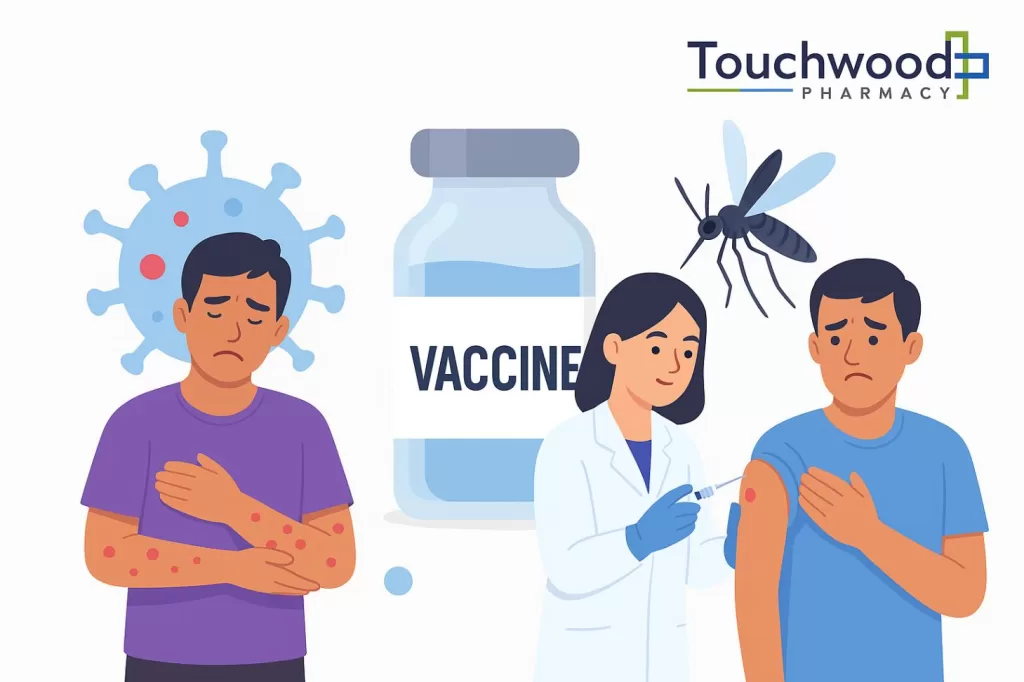
Chikungunya and chickenpox can both cause fever and rash, which often leads to confusion. While both conditions may sound similar at first glance, they are caused by very different viruses and carry distinct risks. In fact, the UK Health Security Agency (UKHSA) has reported 73 travel-associated cases of the chikungunya virus in England, Wales and Northern Ireland between January and June 2025 — more than double the 27 cases recorded in the same period the previous year.
Meanwhile, chickenpox remains highly contagious among those who are unvaccinated, with over 90% of unvaccinated individuals estimated to become infected. Understanding how these two conditions compare in terms of symptoms and risks can help you recognise the differences between chikungunya vs chickenpox and know when to seek advice from a pharmacist.
What Causes Chikungunya vs Chickenpox?
Both illnesses may share some overlapping symptoms, but chikungunya vs chickenpox have entirely different causes and methods of transmission.
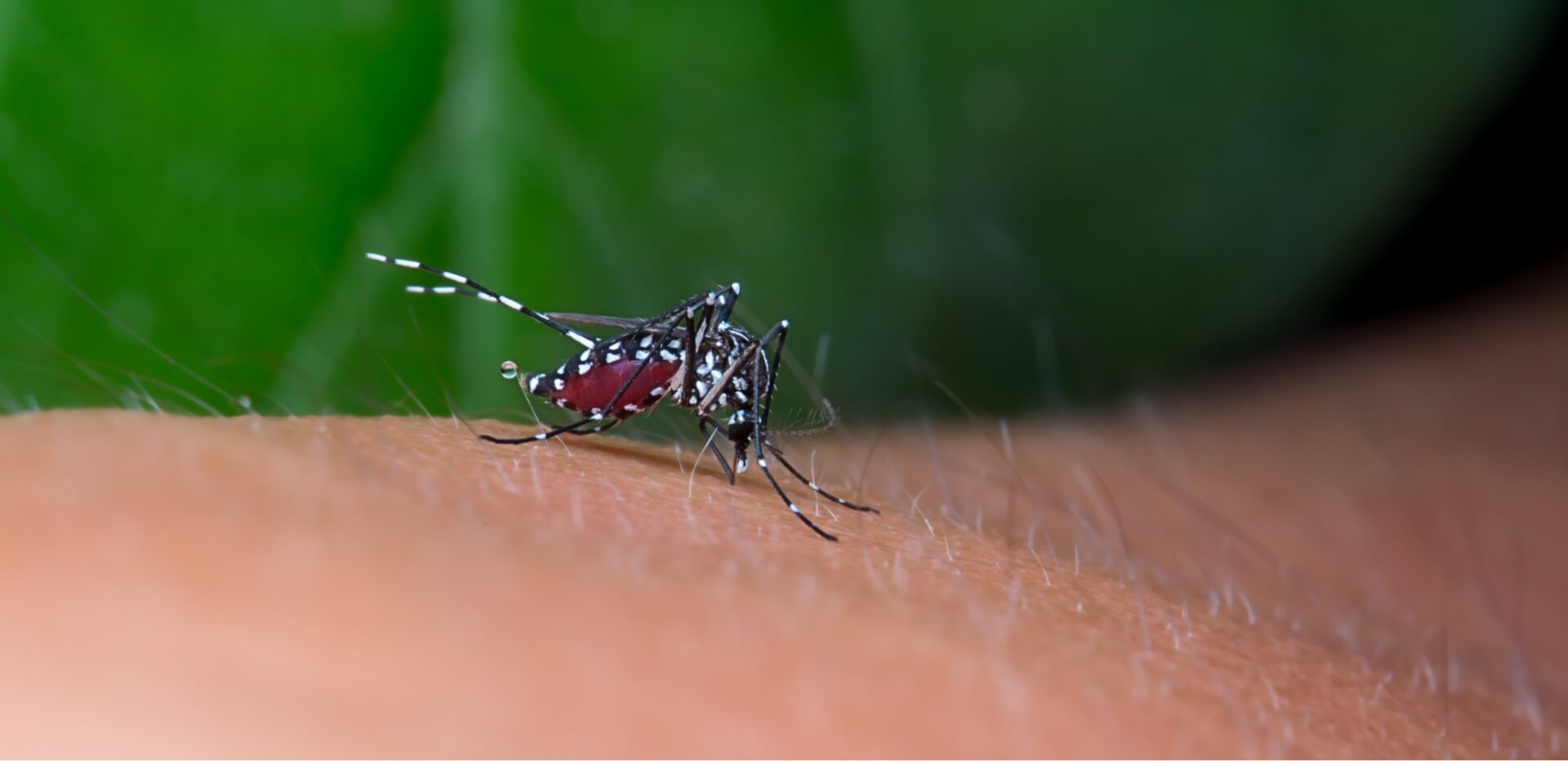
Chikungunya is caused by the chikungunya virus, spread through the bite of infected Aedes mosquitoes. It is most common in tropical and subtropical areas, including parts of Asia, Africa, and South America.
Chickenpox, on the other hand, is caused by the varicella-zoster virus and spreads easily from person to person through coughing, sneezing, or direct contact with the rash.
Can You Catch Chikungunya in the UK?
Chikungunya is not currently transmitted within the UK, but travellers returning from affected regions can carry the infection. Chickenpox, however, remains common in the UK, especially among children who have not yet had the virus or received vaccination.
What Are the Main Symptoms of Each?
Both illnesses can start with fever and fatigue, but their symptoms develop differently.
Chikungunya Symptoms
- Sudden high fever
- Intense joint pain (often in wrists, ankles, and hands)
- Headache and muscle aches
- Rash appearing 2–5 days after fever
- Nausea and tiredness
The joint pain caused by chikungunya can last for weeks or even months in some people, which makes it a more debilitating illness than many expect.
Chickenpox Symptoms
- Mild fever and tiredness
- Itchy rash that turns into fluid-filled blisters
- Spots that appear in crops over several days
- Loss of appetite and irritability
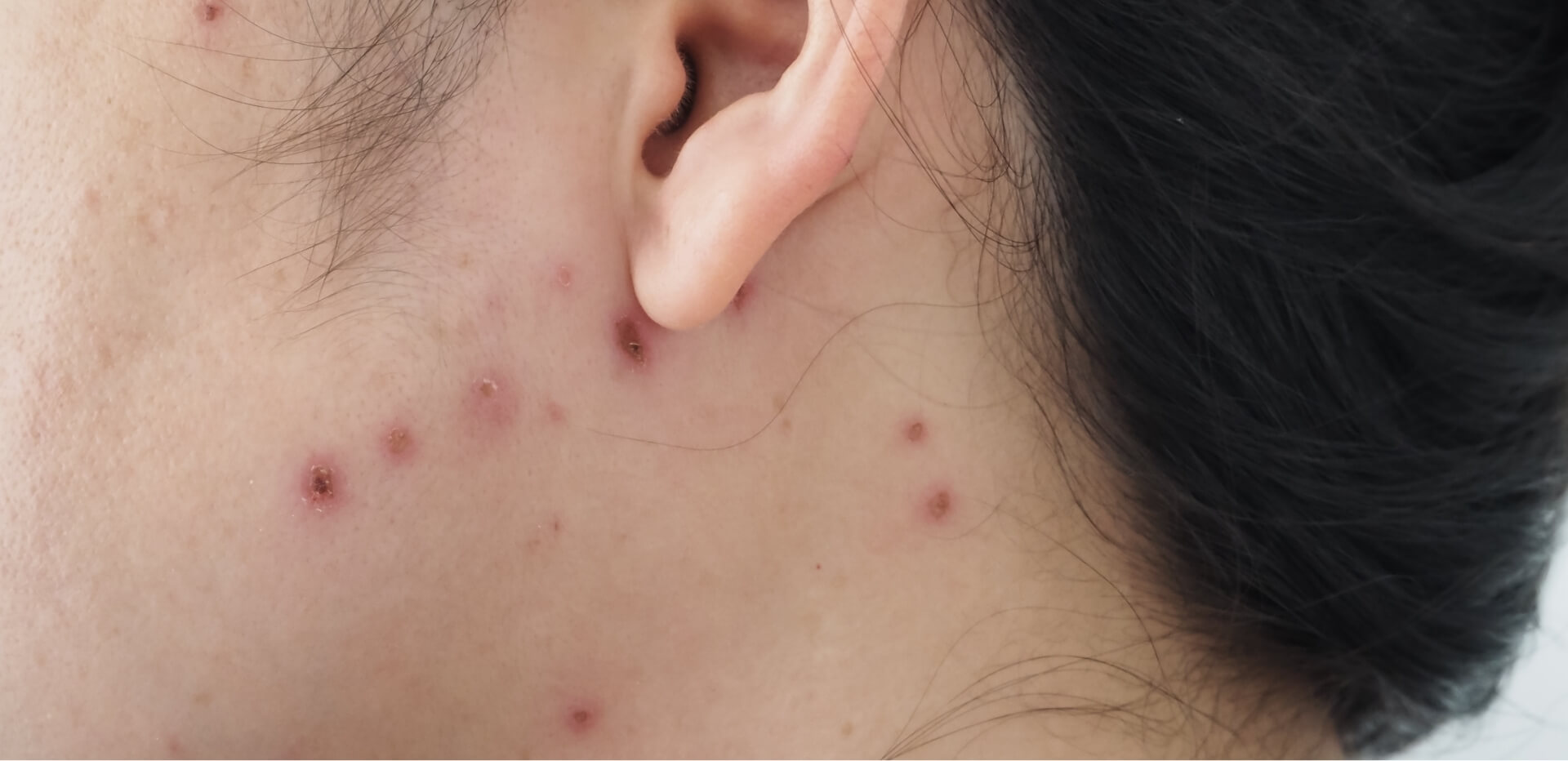
The rash of chickenpox is one of its most recognisable signs. It starts as red spots that develop into blisters before crusting over.
Key Differences Between Chikungunya and Chickenpox
Although both infections can cause fever and rash, their symptoms, transmission, and risks are quite different. Understanding these distinctions between chikungunya vs chickenpox helps identify the right cause of illness and seek timely care.
| Feature | Chikungunya | Chickenpox |
| Cause | Chikungunya virus via mosquito bite | Varicella-zoster virus (airborne/contact) |
| Main Symptom | Severe joint pain and fever | Itchy rash and mild fever |
| Rash Type | Flat or slightly raised red patches | Fluid-filled blisters that crust over |
| Transmission | Mosquito-borne | Person-to-person |
| Duration | 1–2 weeks, joint pain may linger | 7–10 days |
| Vaccine Available | Yes (private vaccine for travellers) | Yes (available privately) |
How Are They Treated?
Both chikungunya and chickenpox usually resolve on their own, but the approach to managing each condition differs depending on symptoms and individual risk factors.
Chikungunya Treatment
There is currently no specific antiviral treatment for chikungunya. Management focuses on relieving symptoms with rest, fluids, and pain relief. Persistent joint pain can be managed under the advice of a pharmacist, who may suggest safe anti-inflammatory options once other infections like dengue are ruled out.
Chickenpox Treatment
Most people recover at home with rest and plenty of fluids. Over-the-counter remedies can help reduce itching and fever. Calamine lotion and cool baths can also soothe the rash.
Adults, pregnant women, and people with weakened immune systems should seek professional advice promptly, as chickenpox can be more severe in these cases.
Can Vaccines Help Prevent Chikungunya and Chickenpox?
Yes, both conditions can be prevented through vaccination.
- Chikungunya vaccine: Licensed in the UK for adults, especially for those travelling to areas where the disease is common. It is available privately at selected pharmacies, including Touchwood Pharmacy.
- Chickenpox vaccine: Not part of the NHS routine programme but available privately. It offers strong protection and helps prevent complications.
When Should You Seek Help?
If you experience high fever, joint pain after travel to tropical regions, or any unusual rash, it’s best to seek professional advice.
Chickenpox symptoms in adults, pregnant women, or anyone with a weakened immune system should also be reviewed to prevent complications such as pneumonia or skin infections.
Where Can You Get Chikungunya and Chickenpox Advice or Vaccination in the UK?
If you’re unsure whether your symptoms are linked to chikungunya or chickenpox, or you’re planning to travel to a region with mosquito-borne illnesses, speak with one of our qualified pharmacists.
They can assess your symptoms, provide personalised advice, and recommend suitable vaccination or travel health options.
Book your appointment with our experts at Touchwood Pharmacy for travel vaccinations and personalised advice on chikungunya and chickenpox prevention.
FAQs
Can you have chikungunya and chickenpox at the same time?
It’s very unlikely to have both infections at once, as they come from completely different viruses. However, if your rash or fever symptoms seem unusual or prolonged, it’s best to speak with a pharmacist for assessment. They can help determine the likely cause and guide you to the right care.
How can I tell the difference between a chikungunya rash and a chickenpox rash?
A chikungunya rash usually appears as flat or slightly raised red spots on the body, often with severe joint pain. Chickenpox causes small, itchy blisters filled with fluid that scab over in stages. The presence of joint pain and recent travel to tropical areas often points to chikungunya.
Is chikungunya contagious like chickenpox?
No. Chikungunya does not spread from person to person. It is transmitted through mosquito bites. Chickenpox, on the other hand, is highly contagious and spreads easily through coughing, sneezing, or contact with the rash.
How long does it take to recover from chikungunya compared to chickenpox?
Chickenpox usually clears within 7 to 10 days, with full recovery once all spots have scabbed over. Chikungunya symptoms, including joint pain, can last for several weeks or even months in some people, though the fever and rash usually settle within two weeks.
Are vaccines available for both chikungunya and chickenpox?
Yes. The chikungunya vaccine is available privately in the UK for travellers visiting high-risk countries. The chickenpox vaccine is also available privately and helps prevent infection and complications. You can book either vaccine through selected pharmacies such as Touchwood Pharmacy.
When should I seek professional advice for a rash or fever?
If you have recently travelled to a tropical region and develop fever or joint pain, get advice from a pharmacist as soon as possible. Similarly, if you suspect chickenpox in an adult, pregnant woman, or someone with a weak immune system, professional assessment is essential to prevent complications.