










You might never think about meningitis until you hear about a case at a local school or university. Suddenly, a condition that felt distant starts to feel very real.
Although meningitis is uncommon in the UK, it can spread through close contact in everyday settings such as family homes, shared accommodation and social groups. Because meningitis transmission can happen quietly before symptoms become obvious, understanding how meningitis is spread, recognising early meningitis symptoms and staying up to date with the meningitis vaccine are key parts of effective meningitis prevention.
How is meningitis spread from person to person?
Meningitis transmission usually happens through close, prolonged contact with an infected person. The bacteria or viruses can spread in tiny droplets from coughing, sneezing or kissing.
It is not as easily spread as a cold or flu, but it can pass between people who live together, share utensils, or spend a lot of time in close contact.
Does meningitis spread through casual contact?
No, meningitis is not typically spread through brief or casual contact. You are unlikely to catch it from sitting next to someone on public transport or passing them in a shop.
The risk increases with:
- Living in the same household.
- Sharing drinks, cutlery or toothbrushes.
- Intimate contact such as kissing.
- Spending extended time in close proximity.
Can meningitis spread in schools or universities?
Yes, outbreaks can occur in schools, colleges and universities. Young people living in halls of residence are at slightly higher risk due to close living arrangements.
This is why certain groups, including teenagers and university students, are routinely offered the meningitis vaccine in the UK.
What are the main meningitis causes?
Meningitis causes include bacterial and viral infections. Bacterial meningitis is more serious and requires urgent treatment, while viral meningitis is often milder.
The most common causes in the UK include:
- Meningococcal bacteria.
- Pneumococcal bacteria.
- Haemophilus influenzae type b.
- Certain viruses such as enteroviruses.
Understanding the cause matters because it affects how severe the illness may be and how it is managed.
Who is most at risk of meningitis?
Some groups are more vulnerable to meningitis. These include:
- Babies and young children.
- Teenagers and young adults.
- Older adults.
- People with weakened immune systems.
- Travellers to certain regions, including parts of Africa.
If you are travelling abroad, you may need a specific meningitis vaccine depending on your destination. Our pharmacists can advise you based on current UK travel guidance.
What are the early meningitis symptoms to watch for?
Meningitis symptoms can appear suddenly and get worse quickly. Recognising the signs early can save lives.
Common meningitis symptoms include:
- High temperature.
- Severe headache.
- Stiff neck.
- Sensitivity to light.
- Nausea and vomiting.
- Confusion or difficulty waking.
In babies and young children, symptoms may also include a high-pitched cry, refusal to feed, a bulging soft spot on the head, or unusual drowsiness.
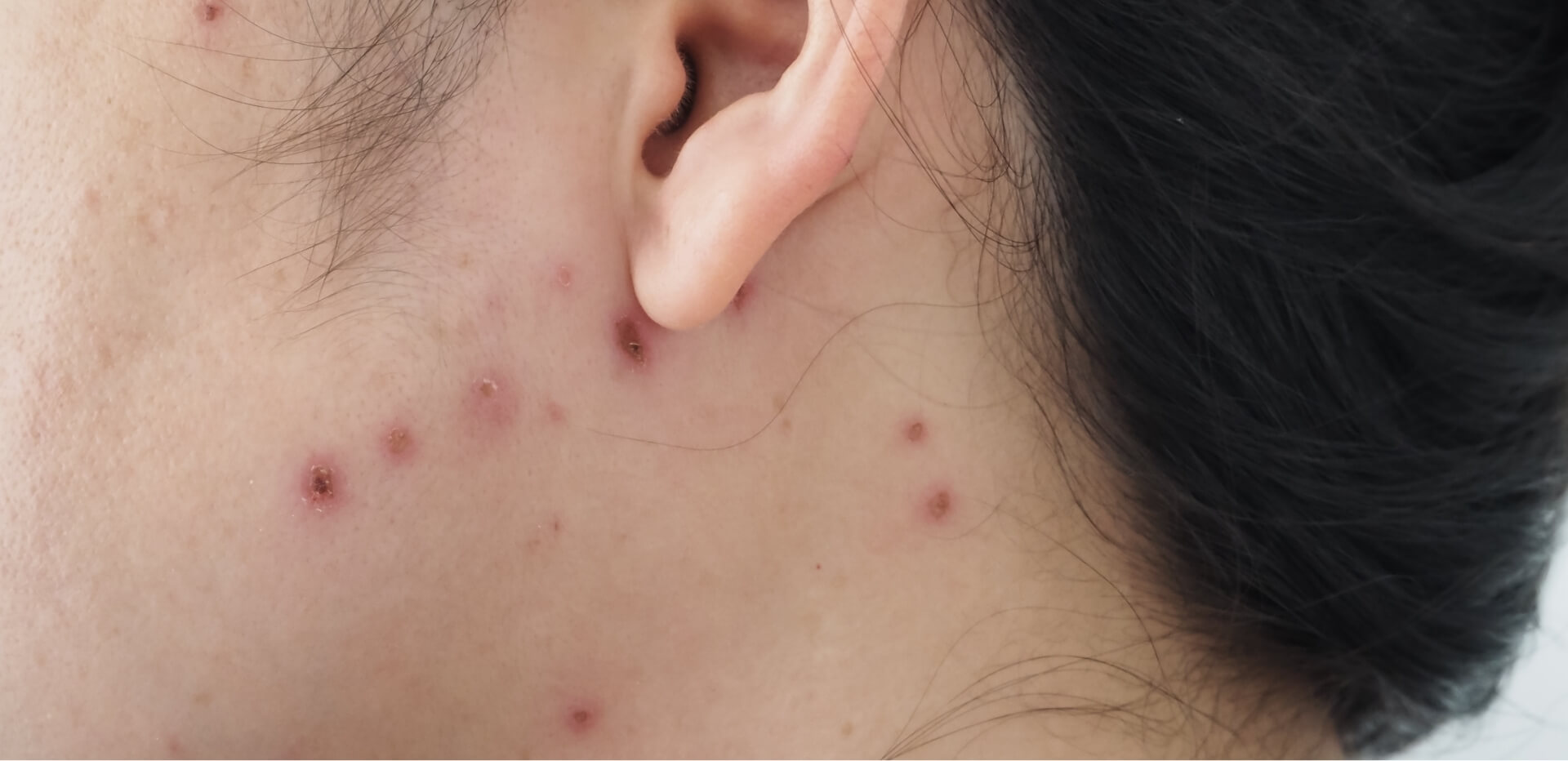
What is the meningitis rash?
Some types of bacterial meningitis cause a distinctive rash that does not fade when pressed with a glass. This is sometimes called the glass test.
Not everyone with meningitis develops a rash, so you should not rely on its presence. If you are concerned about symptoms, urgent assessment is essential.
How does meningitis prevention work?
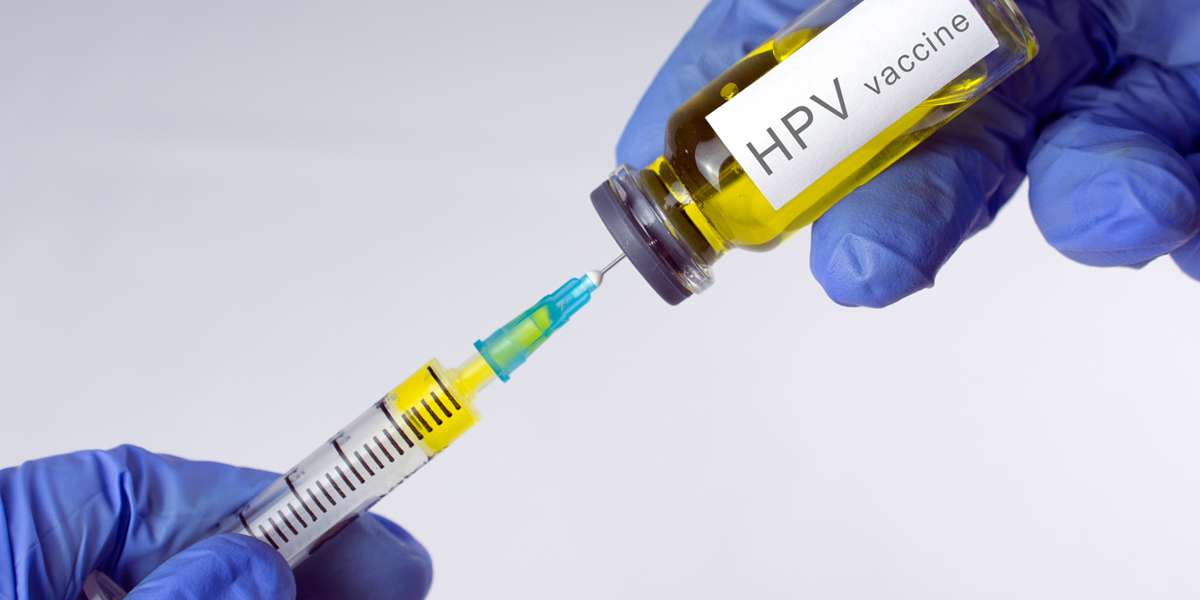
Meningitis prevention focuses on vaccination, awareness and reducing close contact during outbreaks. The meningitis vaccine protects against several of the most serious strains.
In the UK, routine vaccination programmes include:
- MenB vaccine for babies.
- MenACWY vaccine for teenagers.
- Hib vaccine as part of the childhood schedule.
Vaccination significantly reduces the risk of severe disease and complications.
How effective is the meningitis vaccine?
The meningitis vaccine is highly effective against the strains it targets. While no vaccine offers complete protection against every possible cause, it greatly lowers the risk of serious bacterial infection.
Immunity may decrease over time, which is why booster doses are recommended for certain age groups.
Can adults still get vaccinated?
Yes, adults can receive the meningitis vaccine if they missed it earlier, are travelling, or are in a higher-risk group. Our pharmacists can review your vaccination history and advise on suitable options.
When should you seek urgent help for meningitis symptoms?
Meningitis can progress quickly, so early action is critical. If you or someone you care for develops symptoms such as a severe headache, neck stiffness, confusion or a non-fading rash, urgent medical assessment is needed.
Do not wait for all symptoms to appear. Acting early can make a significant difference to outcomes.
How can you stay protected against meningitis today?
Staying protected involves understanding how meningitis is spread, recognising meningitis symptoms early, and ensuring vaccinations are up to date.
Simple steps include:
- Checking your vaccination status.
- Ensuring children receive routine immunisations.
- Seeking travel advice before visiting higher-risk areas.
- Acting quickly if symptoms develop.
If you have questions about meningitis causes, meningitis prevention or whether you need a meningitis vaccine, our pharmacists are here to help.
Book your appointment with our experts at Touchwood Pharmacy for personalised advice on meningitis vaccination and protection.
FAQs
How long is meningitis contagious for?
It depends on the cause. Bacterial meningitis can be contagious until 24 hours after starting appropriate antibiotics. Viral meningitis may be contagious for several days. Close contacts may be offered preventative treatment if needed.
Can you catch meningitis from someone who has no symptoms?
Yes, some people can carry meningococcal bacteria in their throat without feeling unwell. This is called asymptomatic carriage. They can still pass the bacteria through close contact, even if they do not develop meningitis themselves.
Is meningitis airborne or spread through the air?
Meningitis is spread through respiratory droplets, not long-range airborne transmission. This means it usually requires close and prolonged contact, such as living together or intimate contact, rather than brief exposure in public spaces.
Can you get meningitis twice?
Yes, although it is uncommon. There are different strains of bacteria and viruses that cause meningitis. Having one type does not guarantee protection against all others, which is why vaccination remains important.
Do adults need a meningitis vaccine in the UK?
Some adults may need a meningitis vaccine, especially if they missed routine childhood doses, are starting university, have certain medical conditions, or are travelling to higher-risk regions.
How quickly do meningitis symptoms develop?
Meningitis symptoms can develop within hours or over a couple of days. Bacterial meningitis often progresses rapidly, which is why recognising early signs such as severe headache, fever and neck stiffness is so important.