













Meningitis is an infection that affects the protective layers around the brain and spinal cord, and in some cases it can spread between people. This usually happens through close contact, where bacteria or viruses pass from one person’s nose or throat to another.
Understanding how meningitis is spread helps you recognise when there may be a real risk and when there is not. While some types, particularly bacterial meningitis, can be serious, the way it spreads is often more limited than people expect. Knowing the routes of transmission, along with early symptoms, can help you take the right steps at the right time.
How is meningitis spread between people?
Meningitis transmission usually happens through respiratory droplets and close personal contact. This means it spreads when infected saliva or mucus is shared through coughing, sneezing, or intimate contact.
Unlike airborne illnesses that spread easily across rooms, meningitis typically requires closer or prolonged contact. This is why outbreaks are more common in shared living spaces such as student accommodation.
What is the main method of transmission of meningitis?
The most common method of transmission of meningitis involves:
- Coughing and sneezing near others.
- Kissing or close face-to-face contact.
- Sharing utensils, drinks, or toothbrushes.
- Living in close quarters with someone infected.
These routes allow bacteria or viruses to move from one person’s throat or nose into another’s system.
Is meningitis contagious in casual contact?
Meningitis is contagious, but not usually through brief or casual contact. Passing someone in public or sitting nearby for a short time is unlikely to spread infection.
The risk increases with prolonged exposure, especially in households or shared accommodation.
How do the different types of meningitis spread?
Not all meningitis spreads in the same way:
- Bacterial meningitis spreads through close contact and is more serious.
- Viral meningitis spreads more easily but is often less severe.
- Fungal and parasitic forms are not usually passed person to person.
- Understanding the type helps assess the level of risk.
What are the early meningitis symptoms to watch for?
Meningitis symptoms can appear quickly and should never be ignored. Early signs often resemble flu but can worsen rapidly.
What are common meningitis symptoms?
Look out for:
- High temperature.
- Severe headache.
- Stiff neck.
- Sensitivity to light.
- Nausea or vomiting.
These symptoms may progress within hours, especially in bacterial meningitis.
What does a meningitis rash look like?
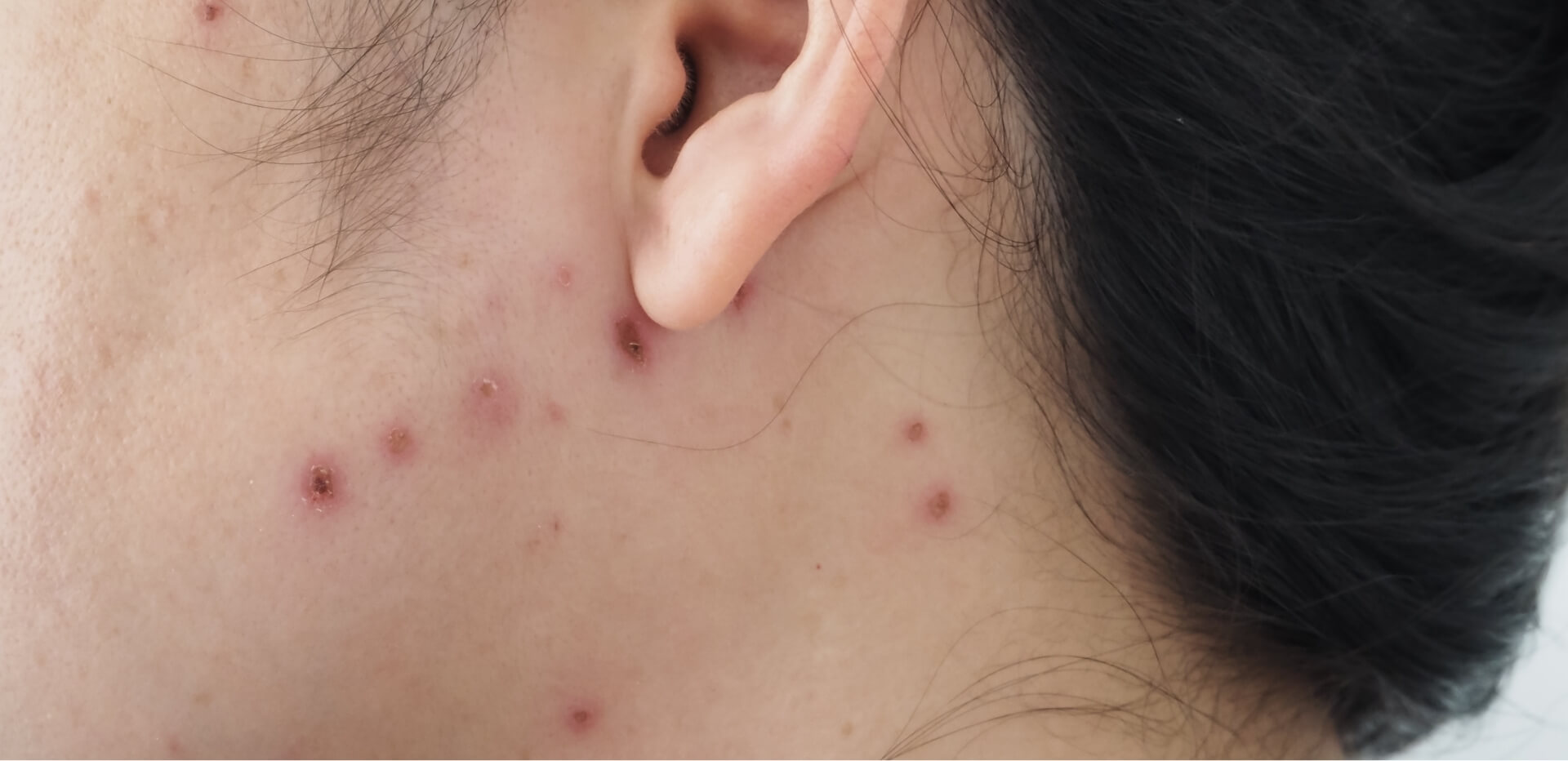
A meningitis rash often appears as small red or purple spots that do not fade when pressed. This is a key warning sign and requires urgent attention.
When should symptoms be taken seriously?
Seek immediate medical advice if symptoms worsen quickly or include confusion, seizures, or difficulty waking. Early action is critical in reducing complications.
Why is bacterial meningitis more concerning?
Bacterial meningitis is more serious because it can progress rapidly and lead to life-threatening complications if untreated.
How quickly can bacterial meningitis spread?
Symptoms can develop and worsen within hours. This makes early recognition and treatment essential.
Who is most at risk?
Higher-risk groups include:
- Babies and young children.
- Teenagers and young adults.
- Older adults.
- People with weakened immune systems.
Close contact settings increase exposure risk.
How can vaccination help prevent meningitis?
A meningitis vaccine helps protect against some of the most dangerous strains. Vaccination is one of the most effective ways to reduce the risk of serious infection.
What is the meningitis ACWY vaccine?
The meningitis ACWY vaccine protects against four common strains of bacterial meningitis. It is often offered to teenagers and those entering university due to higher exposure risk.
Who should consider a meningitis vaccine?
You may be advised to have a meningitis vaccine if you:
- Are a student living in shared accommodation.
- Are travelling to high-risk areas.
- Have certain medical conditions.
What are meningitis booster vaccine side effects?
Most side effects are mild and temporary. These can include:
- Soreness at the injection site.
- Mild fever.
- Fatigue.
Serious side effects are rare, and the benefits of protection usually outweigh these short-term reactions.
What steps can reduce the risk of meningitis transmission?
Simple precautions can lower your chances of catching or spreading meningitis.
How can you reduce exposure in daily life?
Practical steps include:
- Avoid sharing personal items like drinks or utensils.
- Cover your mouth when coughing or sneezing.
- Wash hands regularly.
- Limit close contact with someone who is unwell.
When should you seek advice about protection?
If you are in a higher risk group or planning travel, speaking to a pharmacist can help you understand your options, including vaccination.
Staying protected with the right advice and prevention
Meningitis transmission is often linked to close contact, but understanding how it spreads allows you to take control of your risk. Recognising symptoms early and considering vaccination where appropriate can offer important protection.
Book your appointment with our experts at Touchwood Pharmacy for personalised advice on meningitis prevention, symptoms, and suitable vaccination options.
FAQs
Can you catch meningitis from being around someone?
You can catch meningitis through close, prolonged contact such as living together or sharing saliva. Brief or casual contact usually does not spread the infection.
How long is meningitis contagious after symptoms start?
Meningitis can be contagious before symptoms appear and shortly after. With treatment, especially for bacterial meningitis, the risk of spreading usually reduces significantly within 24 hours.
Does meningitis spread through the air like the flu?
Meningitis does not spread as easily as flu through the air. It usually requires close contact, such as coughing nearby or sharing drinks, rather than casual exposure.
Can meningitis spread by sharing food or drinks?
Yes, sharing food, drinks, or utensils can spread meningitis if saliva is exchanged. This is a common way infection passes between people in close social settings.
How do you know if someone has meningitis early on?
Early meningitis symptoms include fever, headache, and neck stiffness. These can quickly worsen, so recognising changes such as confusion or a rash is important for timely action.
Does the meningitis ACWY vaccine stop you spreading it?
The meningitis ACWY vaccine reduces your risk of infection and can lower transmission rates. However, it does not protect against all types, so other precautions still matter.