











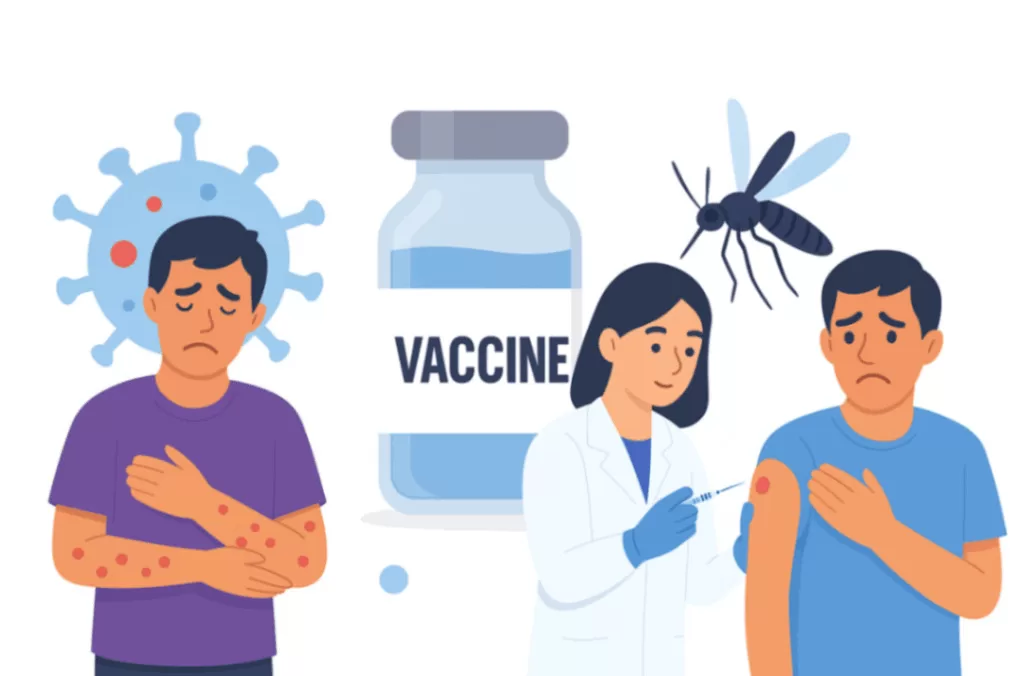
Travelling abroad brings many joys but also risks. One growing concern is chikungunya. According to the World Health Organisation, 119 countries and territories had reported local transmission of chikungunya virus by December 2024, showing how widespread the risk has become.
If you are planning to travel to one of those regions where the chikungunya fever virus is common, you might be wondering whether there is a chikungunya vaccine, how to prevent becoming infected, and what symptoms to watch out for.
Is there a vaccine for Chikungunya?
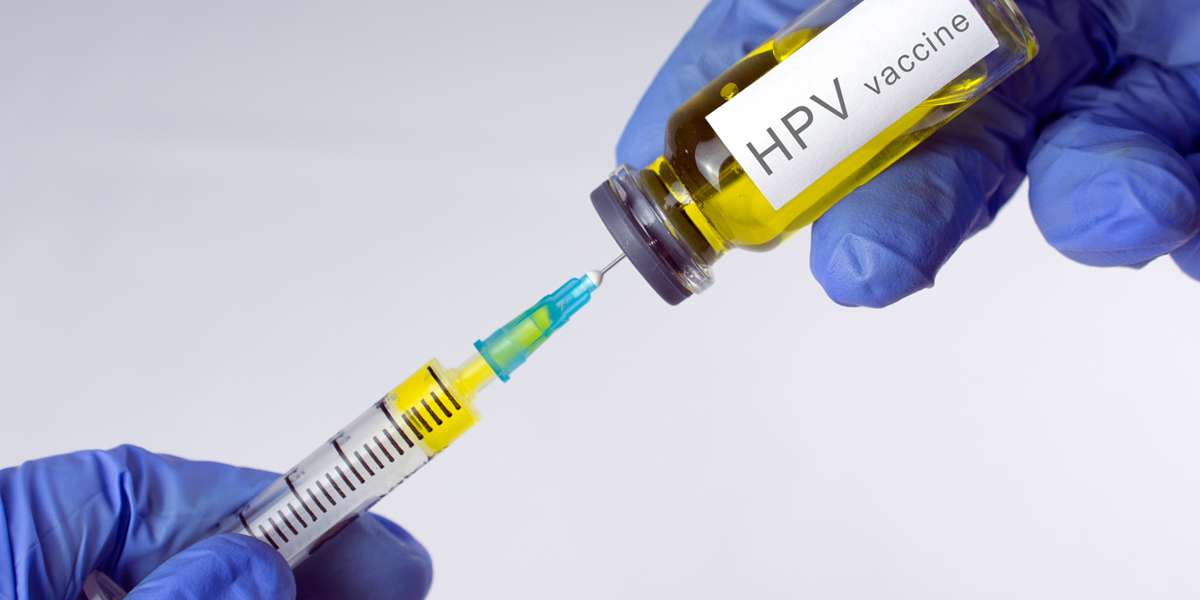
Yes, a chikungunya vaccine is now available in the UK for travellers. The Medicines and Healthcare Products Regulatory Agency (MHRA) has approved IXCHIQ, a live-attenuated vaccine, for adults aged 18 and older. Also, Vimkunya, a virus-like particle (VLP) vaccine, has been authorised for use in individuals aged 12 years and older. This marks an important step forward, as travellers previously had to rely only on prevention methods.
Why is the vaccine important?
The vaccine offers direct protection against the chikungunya virus, which can cause long-lasting joint pain and discomfort. Having a vaccine option gives travellers more confidence when visiting higher-risk destinations.
What does this mean for travellers?
If you are travelling to a country where outbreaks are reported, you can now book a chikungunya vaccine as part of your travel health preparation. Our pharmacists can advise you on suitability and other steps to reduce your risk.
What are the symptoms of the Chikungunya fever virus?
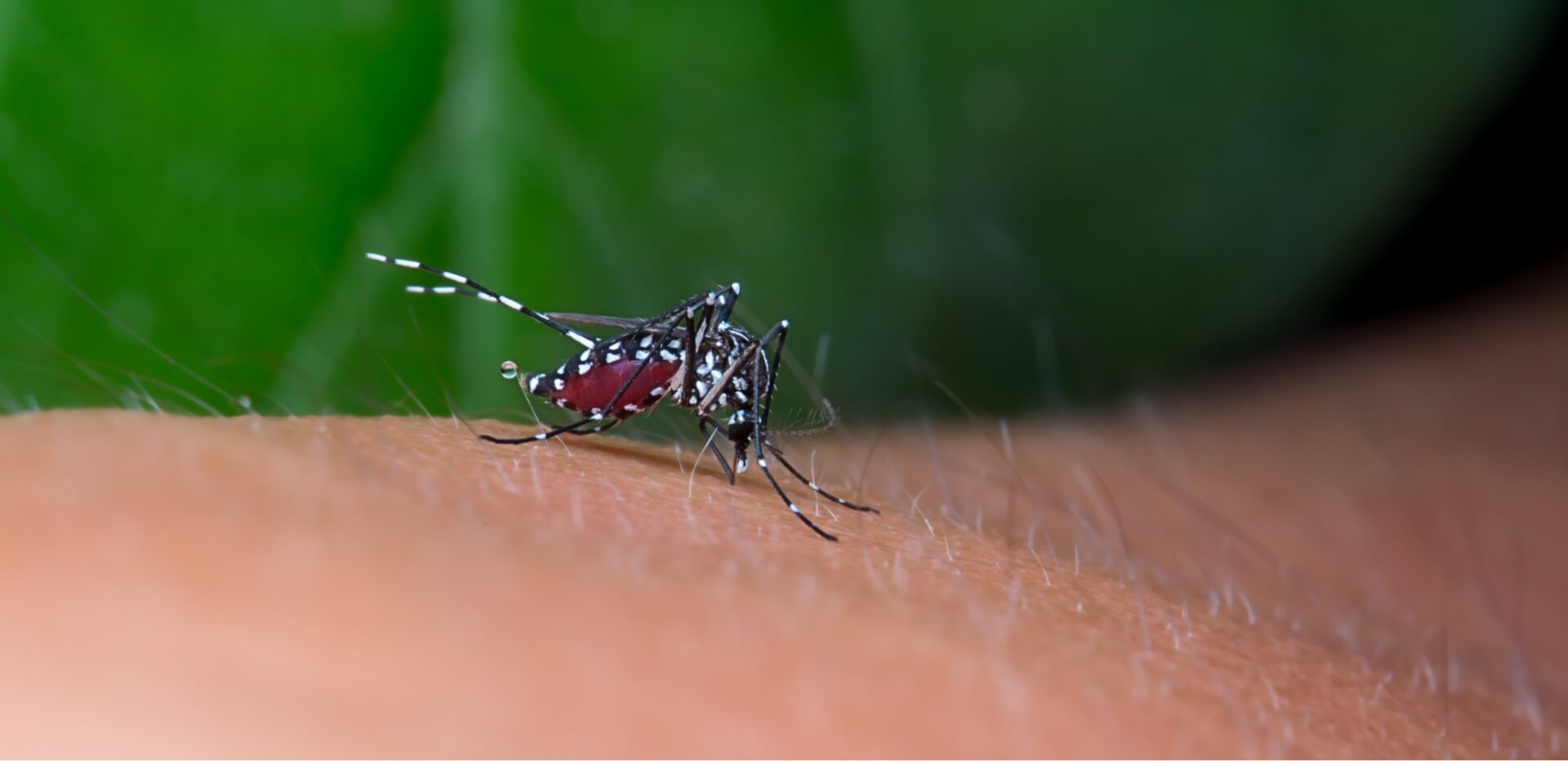
Chikungunya virus symptoms usually appear within 3 to 7 days after being bitten by an infected mosquito. The main signs include sudden fever and painful joints, which can last for weeks or even months.
Other common signs
- Headache
- Muscle pain
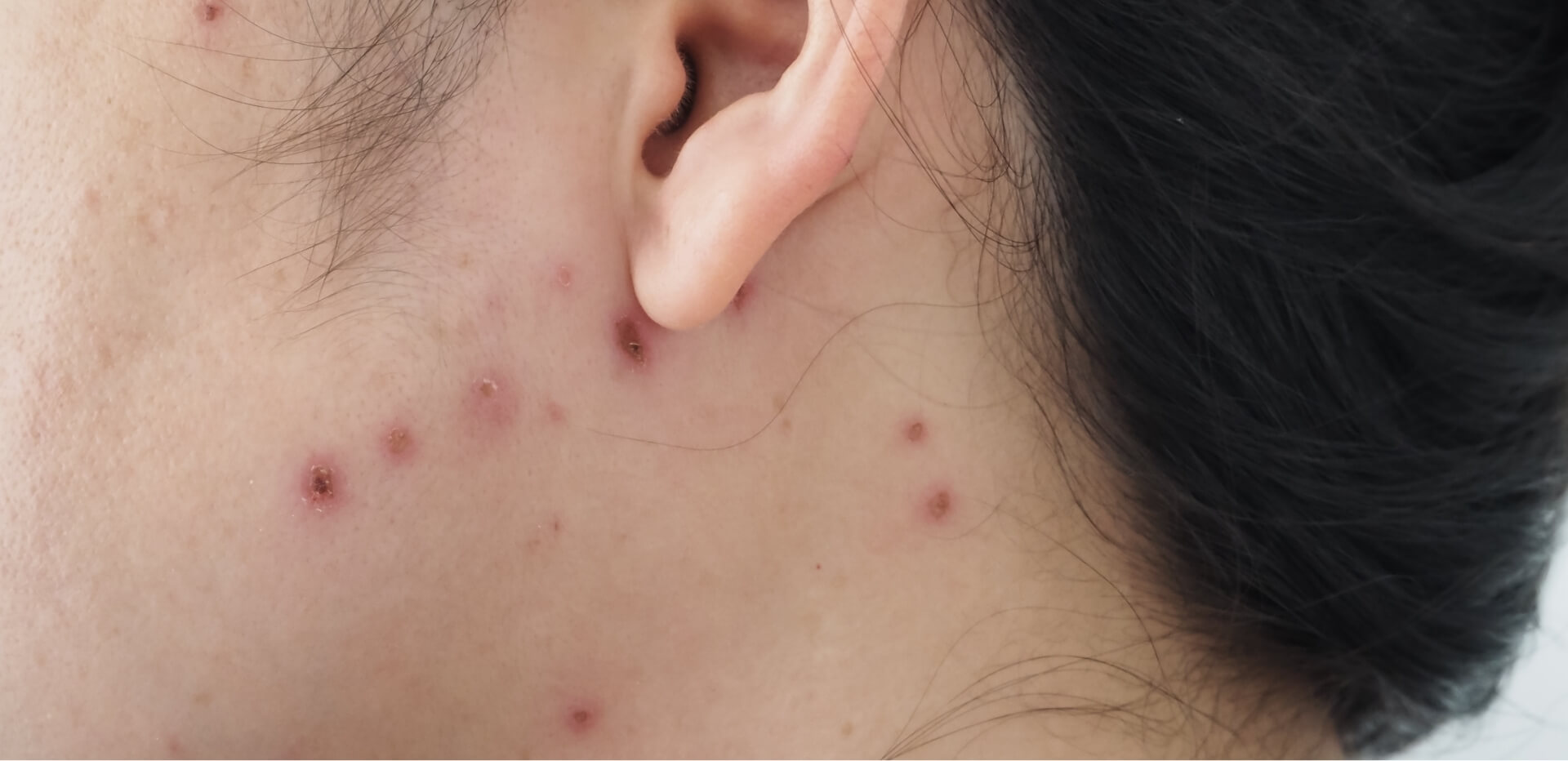
- Rash on the skin
- Swelling around joints
If you notice these early signs during or after travel, speak to one of our pharmacists for advice on next steps.
How can you prevent Chikungunya when travelling?
Since a chikungunya vaccine is now available, vaccination alongside mosquito bite prevention is the most effective way to reduce your risk.
Practical chikungunya prevention tips
- Wear long sleeves and trousers, especially during the day when the mosquitoes are most active.
- Use insect repellent with DEET or picaridin.
- Sleep under mosquito nets if your accommodation is not screened.
- Stay in places with air conditioning or good window protection.
These steps also protect you from other mosquito-borne infections, such as dengue and Zika.
When should you seek help if you suspect infection?
If you develop symptoms such as fever, rash, or severe joint pain during or after visiting an area with known outbreaks, seek medical advice promptly. Our pharmacists can guide you on suitable relief options and recommend further care if required. Early recognition can help reduce complications and discomfort.
What should travellers keep in mind before their trip?
While a chikungunya vaccine is now available for travellers, it is still important to combine vaccination with prevention measures, awareness of chikungunya viral symptoms, and timely advice from our pharmacists to stay safe.
Book your appointment with our experts at Touchwood Pharmacy for personalised travel health advice and guidance before your next journey.
FAQs on Chikungunya and Travel
Is there a vaccine for chikungunya available in the UK?
Yes, there are now licensed vaccines for chikungunya available in the UK. Options include IXCHIQ and Vimkunya, both approved for travellers visiting areas where the virus is a risk. These vaccines provide protection alongside mosquito bite prevention measures.
How can I prevent chikungunya infection while travelling?
You can reduce your risk by getting a chikungunya vaccine before travelling and by following prevention steps such as wearing long clothing, using insect repellent with DEET, staying in screened or air-conditioned rooms, and sleeping under treated mosquito nets.
What are the first symptoms of the chikungunya fever virus I should look out for?
The earliest signs often include sudden fever, joint pain, and rash. Muscle aches and headaches are also common. Symptoms usually appear 3 to 7 days after a mosquito bite in an affected region.
Which countries have the highest risk of chikungunya outbreaks?
Chikungunya risk is highest in parts of Africa, Asia, the Caribbean, Central and South America, and occasionally Southern Europe. Travellers should always check current outbreak updates before their trip.
How long does chikungunya last once you are infected?
Most people recover within one to two weeks, but joint pain and stiffness can sometimes last for several months. Supportive care and symptom management are often needed during recovery.
Do I need the chikungunya vaccine before travelling to risk areas?
If you are travelling to a country where outbreaks are reported, getting the chikungunya vaccine is strongly advised. It provides direct protection against the virus, and when combined with mosquito bite prevention, it offers the best defence for safe travel.