









If you or your child develops a sudden rash and fever, it can be worrying to know what’s causing it. Is it measles, or could it be chickenpox? The answer matters more than you might think. In England alone, 2,911 measles cases were confirmed in 2024—the highest number recorded since 2012, according to the UK Health Security Agency (UKHSA).
Knowing how to tell measles and chickenpox apart helps you get the right care quickly and prevent the infection from spreading. Here’s what to look for, how the symptoms differ, and when vaccination is recommended.
What Are the Main Differences Between Measles and Chickenpox?
The main difference between measles and chickenpox lies in how they start and how the rash develops.
Measles usually begins with a high fever, cough, and red eyes before a blotchy rash appears. Chickenpox often starts with small, itchy blisters that appear in waves over several days.
Measles Rash vs Chickenpox Rash
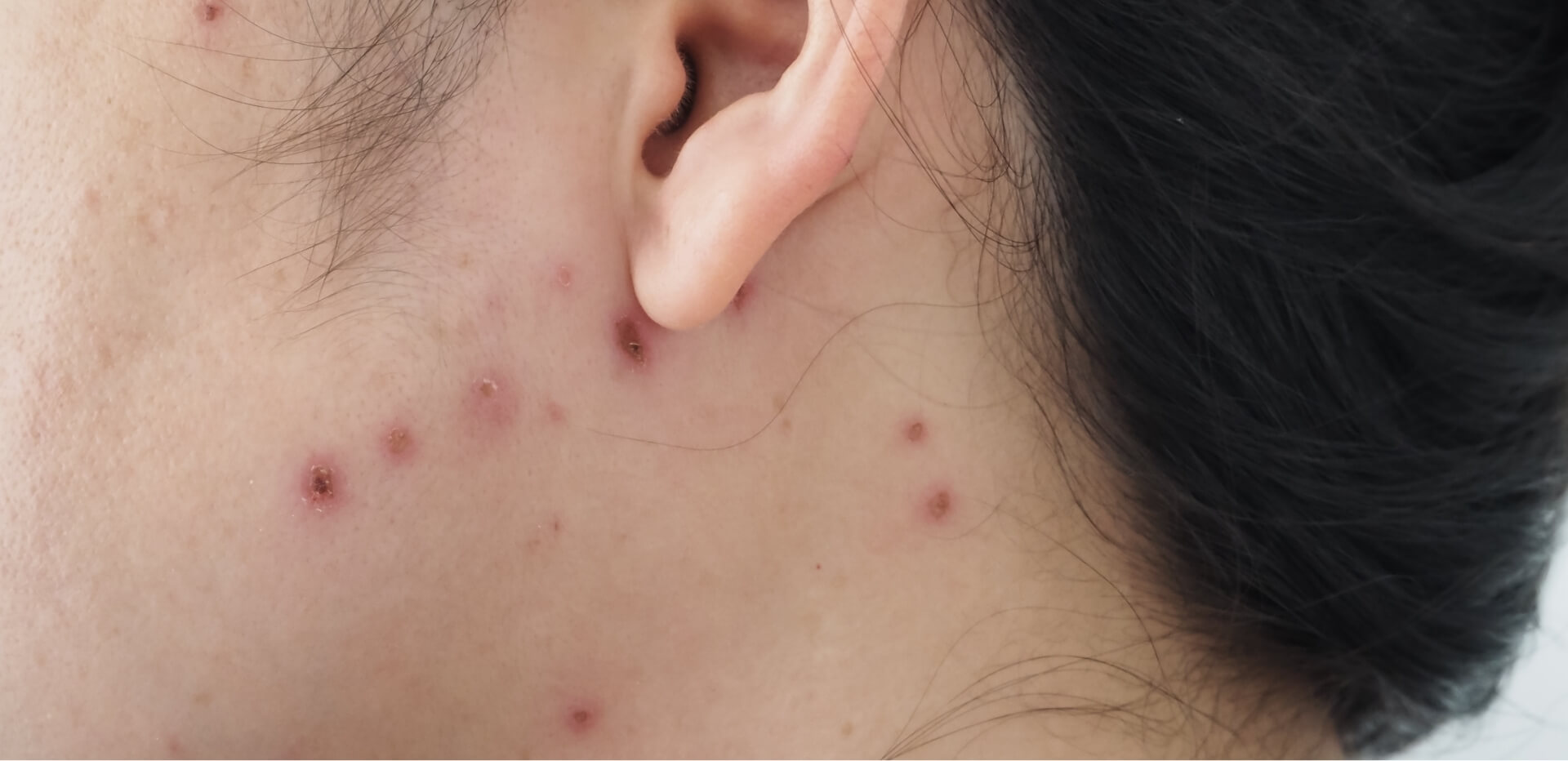
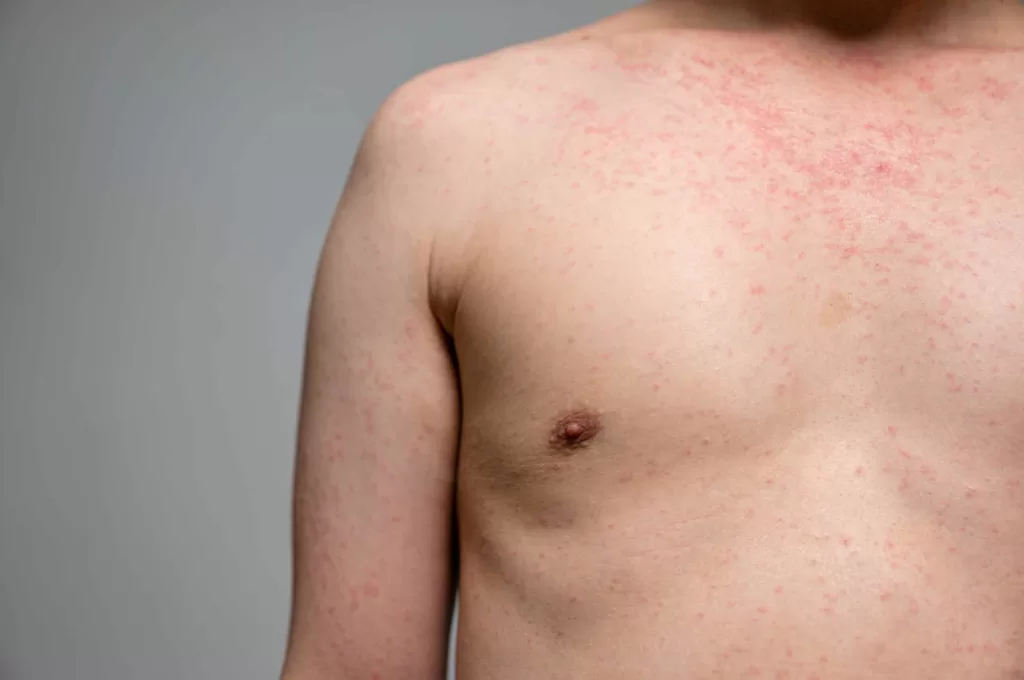
A measles rash usually begins on the face before spreading to the body. It looks flat and blotchy, often merging into larger patches. A chickenpox rash, on the other hand, appears as small red spots that turn into fluid-filled blisters before crusting over. The spots tend to be at different stages — some new, some healing — which is a key sign of chickenpox.
Other Symptoms to Notice
Measles often causes red, watery eyes, sensitivity to light, and white spots inside the mouth called Koplik’s spots. Chickenpox symptoms include mild fever, tiredness, and intense itching from the rash.
How Serious Are Measles and Chickenpox?
Both infections can make you feel very unwell, but measles tends to be more severe. Measles can lead to complications such as ear infections, pneumonia, or, in rare cases, brain inflammation. The symptoms of measles disease can last for several weeks and can be more dangerous for adults or people with weak immune systems.
Chickenpox is usually mild in children but can be more serious in adults, pregnant women, or people with weakened immunity. Although it usually clears in about a week, scratching the blisters can lead to scarring or skin infection.
What Happens If You Get Measles or Chickenpox in Pregnancy?
Both measles and chickenpox can cause complications during pregnancy, but the risks and outcomes differ for each infection. Understanding how they affect you and your baby can help you take the right precautions.
Measles in Pregnancy
Measles in pregnancy can cause complications such as premature birth or low birth weight. Vaccination before pregnancy is the best way to prevent infection, as the MMR vaccine is not given during pregnancy.
Chickenpox in Pregnancy
Chickenpox in pregnancy can cause more severe illness and may affect the baby, especially if infection occurs early or close to delivery. Pregnant women who have never had chickenpox should speak to our pharmacists about protection options before travelling or if exposed to someone with the virus.
How Can Vaccines Help Prevent Measles and Chickenpox?
Vaccination remains the most effective way to protect yourself and your family from both measles and chickenpox. While each vaccine targets a different virus, both play a vital role in reducing infection rates and preventing serious complications.
Measles Vaccine
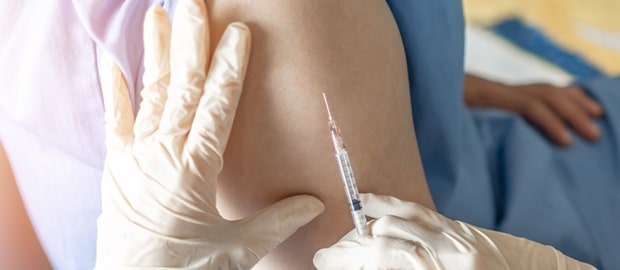
The measles vaccine (part of the MMR vaccine) is the best protection. It provides lifelong immunity for most people. Occasionally, some may develop a mild measles vaccine rash, which is harmless and not contagious.
Chickenpox Vaccine and Protection
The chickenpox vaccine is not part of the NHS routine schedule but is available privately. It provides strong protection and helps prevent severe illness. If you’ve never had chickenpox, ask our pharmacists about private vaccination options.
How Do You Tell If It’s Measles or Chickenpox?
It can be difficult to tell the difference, especially at the start.
| Feature | Measles | Chickenpox |
| Timing | Starts with fever, cough, and cold-like symptoms before the rash appears. | A rash is often the first noticeable sign, appearing before other symptoms. |
| Rash appearance | Flat, red, and blotchy rash that usually begins on the face and spreads down the body. | Spotty, blister-like rash that develops in waves and crusts over as it heals. |
| Contagious period | Spreads before the rash appears and remains infectious for about four days after it starts. | Contagious from one to two days before the rash until all blisters have dried and crusted over. |
If you are unsure, speak with our pharmacists for advice. They can help assess symptoms, recommend treatment, and guide you on whether medical attention is needed.
When Should You Seek Help for a Rash or Fever?
You should seek advice urgently if:
- The rash does not fade when you press a glass against it.
- You have difficulty breathing or a persistent fever.
- You are pregnant and may have been exposed to measles or chickenpox.
Our pharmacists can advise on supportive care, infection control, and vaccination options to help prevent future illness.
Where to Get Trusted Advice and Vaccination in the UK
Both measles and chickenpox can be prevented through vaccination. If you’re unsure about your immunity or need protection before travelling, our pharmacists can help.
Book your appointment with our experts at Touchwood Pharmacy for measles or chickenpox vaccination, personalised advice, and safe preventive care.
FAQs
How can I tell the difference between a measles rash and a chickenpox rash?
A measles rash starts on the face and spreads down the body, appearing flat and blotchy. Chickenpox spots appear in waves as small, itchy blisters that later crust over. The key difference is that chickenpox spots are at different stages, while a measles rash usually appears all at once.
Can measles or chickenpox be dangerous for adults?
Yes. Measles can lead to serious complications such as pneumonia or brain inflammation. Chickenpox is usually mild in children but tends to be more severe in adults, sometimes leading to lung infections or scarring. Vaccination provides the best protection for both illnesses.
What should I do if I am pregnant and exposed to measles or chickenpox?
If you are pregnant and think you’ve been exposed, contact our pharmacists straight away. Measles in pregnancy can cause premature birth, while chickenpox in pregnancy may lead to complications for both mother and baby. Our pharmacist can advise on testing and vaccination options.
Is the measles vaccine the same as the chickenpox vaccine?
No. The measles vaccine is given as part of the MMR (measles, mumps, and rubella) jab, usually during childhood. The chickenpox vaccine is separate and available privately in the UK for those who have never had the infection. Both vaccines offer long-term protection.
Can you get measles or chickenpox twice?
It’s rare. Once you’ve had measles, you’re usually immune for life. After chickenpox, the virus stays inactive in your body and can reactivate years later as shingles, but it doesn’t usually cause chickenpox again. Vaccination helps prevent both initial infection and later complications.
When should I see a pharmacist for measles or chickenpox symptoms?
You should speak with a pharmacist if you have a new rash or fever or are unsure whether it’s measles or chickenpox. They can assess your symptoms, recommend safe treatments, and guide you on when to seek further medical attention. They can also arrange private vaccination for protection.