











Fever and joint pain are not symptoms most people expect to bring home from a holiday. Yet for some travellers, what seems like a routine mosquito bite can develop into chikungunya symptoms within just a few days.
Chikungunya is a mosquito-borne viral infection present in many popular travel destinations, and cases are occasionally identified in the UK among returning travellers. Knowing how chikungunya virus infection symptoms begin and what to look out for after a chikungunya mosquito bite can help you act early and seek appropriate advice if needed.
What Happens After a Chikungunya Mosquito Bite?
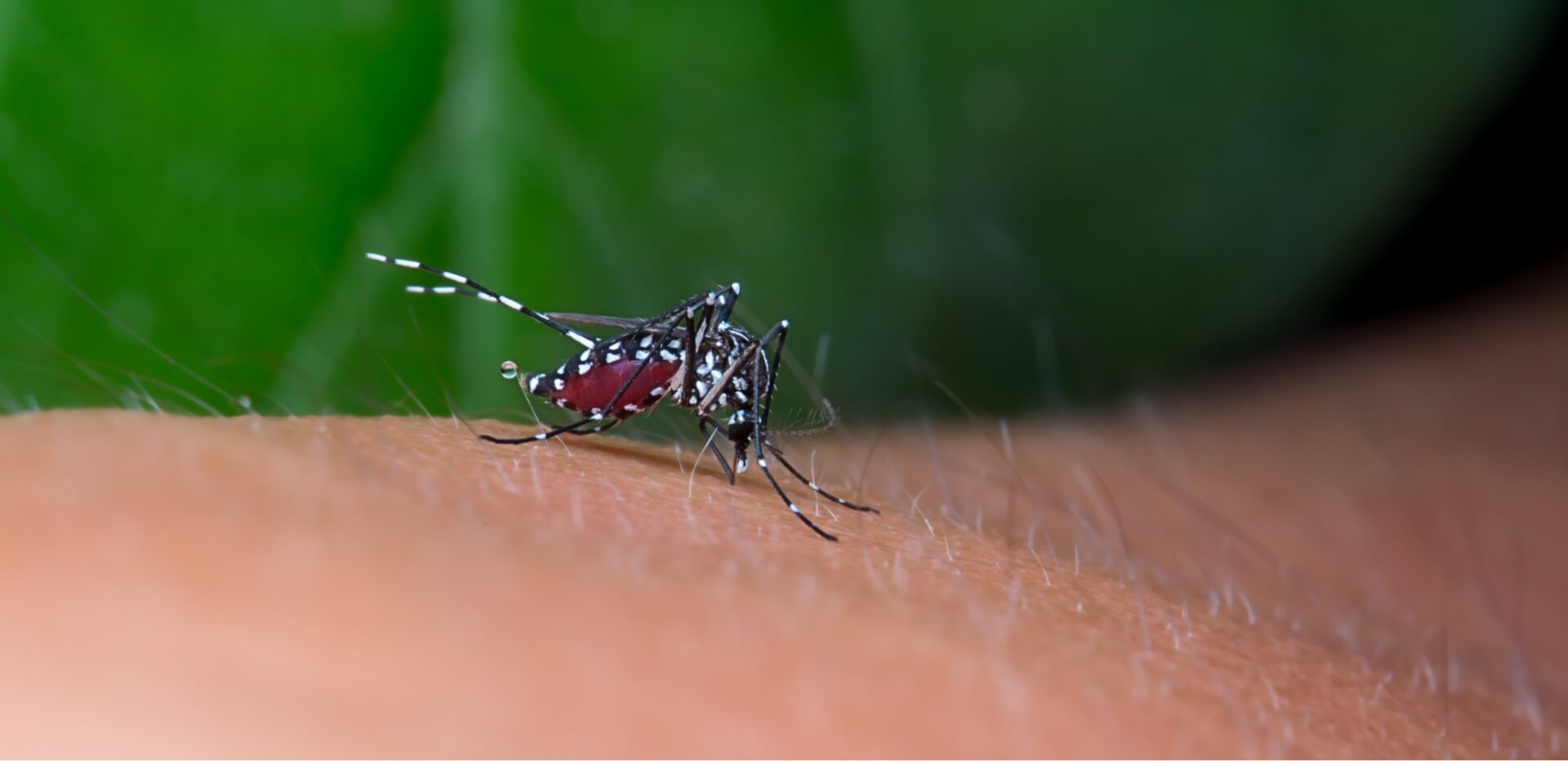
After a chikungunya mosquito bite from an infected mosquito, symptoms usually appear within 3 to 7 days. Some people may not feel unwell immediately, but the virus can still be active in the body.
How quickly do chikungunya symptoms start?
Most people develop chikungunya virus infection symptoms within one week of being bitten. In some cases, it can take up to 12 days.
Early symptoms often include:
- Sudden high temperature.
- Intense joint pain, especially in hands and feet.
- Headache.
- Muscle pain.
- Extreme tiredness.
The joint pain can be quite severe and may make it difficult to move normally.
What does chikungunya joint pain feel like?
Joint pain linked to chikungunya symptoms is often described as sharp, stiff, or throbbing. It commonly affects both sides of the body at the same time.
For some people, joint discomfort improves within a few weeks. For others, it can last for months and affect daily activities.
What Are the Most Common Chikungunya Virus Infection Symptoms?
The most recognised chikungunya virus infection symptoms are fever and joint pain. However, other signs may also develop.
Can a rash appear?
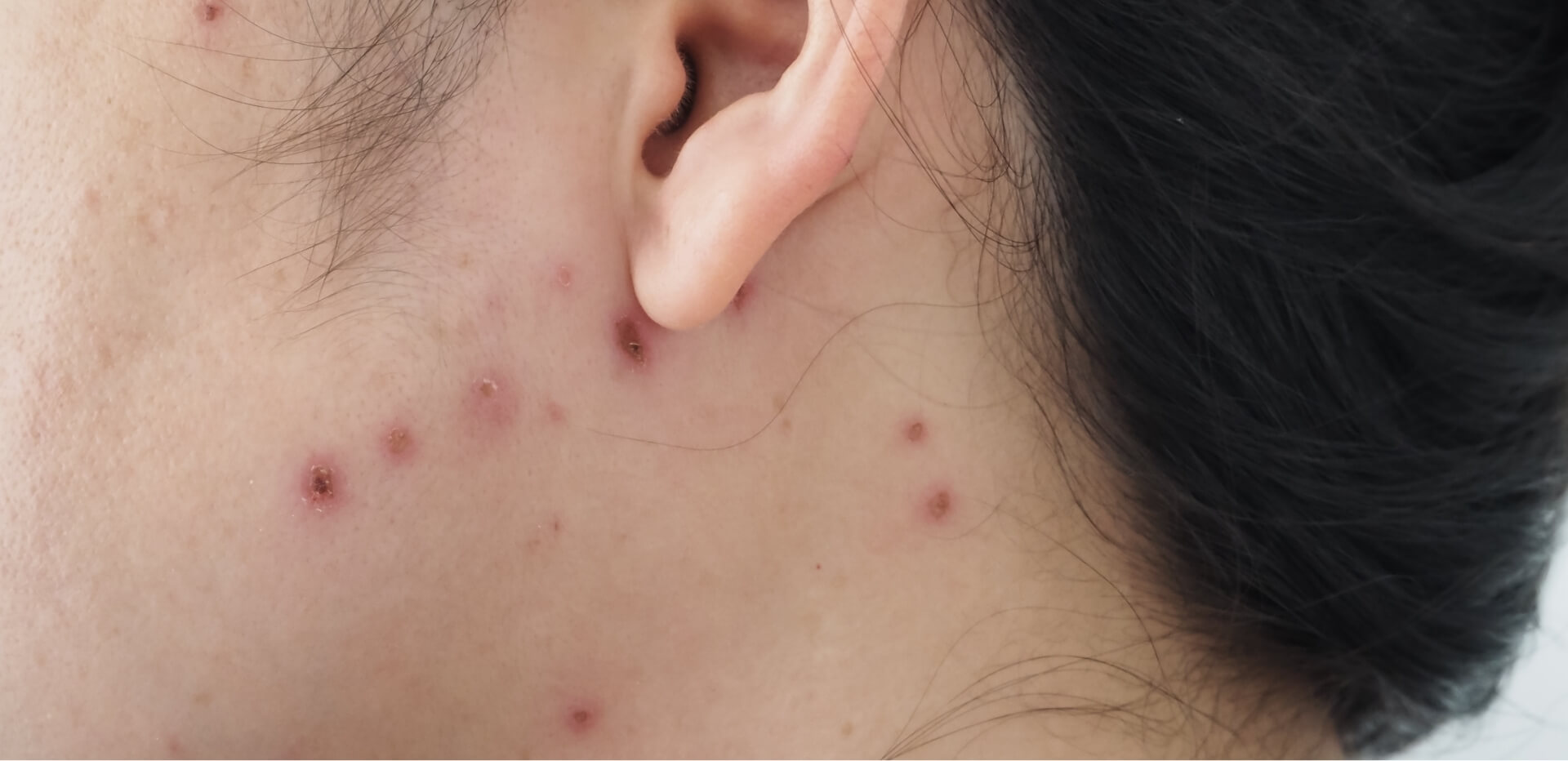
Yes, a rash can appear a few days after the fever starts. It usually looks like small red spots and may spread across the body.
Are there digestive symptoms?
Some people experience nausea, vomiting, or abdominal pain. These symptoms are usually mild but can add to overall discomfort.
Can chikungunya be severe?
In most healthy adults, chikungunya is not life-threatening. However, older adults, newborn babies, and people with long-term health conditions may be at higher risk of complications.
If you feel very unwell after travelling, especially with a high fever and severe joint pain, it is important to speak to our pharmacists for guidance.
Is the Chikungunya Virus in the UK a risk?
Chikungunya virus in the UK is not spread locally in normal circumstances. Nearly all reported cases are linked to travel abroad.
The mosquitoes that commonly carry chikungunya are not widely established in the UK climate. However, due to global travel and climate changes, public health authorities continue to monitor the situation.
If you have recently travelled to parts of Africa, Asia, the Caribbean, or South America and develop symptoms, mention your travel history when seeking advice.
How Is Chikungunya Diagnosed and Managed?
Chikungunya is usually suspected based on symptoms and recent travel history. Blood tests may be arranged to confirm the infection.
Is there a specific treatment?
There is no specific antiviral treatment for chikungunya. Care focuses on:
- Rest.
- Drinking plenty of fluids.
- Managing fever and pain with suitable medicines.
Our pharmacists can advise on appropriate pain relief and help you understand when further medical assessment may be needed.
How long does recovery take?
Most people start to feel better within 1 to 2 weeks. However, joint pain can sometimes persist for several months.
If symptoms continue or worsen, follow-up support is important to rule out other conditions.
Is There a Vaccination for Chikungunya?
Vaccination for chikungunya is becoming available in some countries for certain high-risk groups and travellers. It is not yet part of the routine UK vaccination schedule.
If you are planning to travel to an area where chikungunya is present, a travel health consultation can help assess your risk. Preventative advice may include:
- Using insect repellent containing DEET.
- Wearing long sleeves and trousers.
- Sleeping under mosquito nets where necessary.
Our trained pharmacists can provide up-to-date advice based on your destination.
When Should You Seek Advice After a Mosquito Bite?
If you develop fever and joint pain within two weeks of returning from a risk area, seek advice promptly. Early assessment helps ensure the right support and reduces the chance of complications.
Be particularly cautious if you are pregnant, are older, or have an existing health condition.
Book your appointment with our experts at Touchwood Pharmacy for personalised travel health advice and chikungunya vaccination guidance.
FAQs
How long after a mosquito bite do chikungunya symptoms start?
Chikungunya symptoms usually begin 3 to 7 days after an infected mosquito bite. In some cases, symptoms can take up to 12 days to appear, especially after returning from abroad.
What are the first signs of chikungunya virus infection?
The first signs of chikungunya virus infection symptoms are typically a sudden high fever and severe joint pain. Headache, muscle aches, and tiredness often follow within a day or two.
Can chikungunya symptoms come and go?
Yes, joint pain linked to chikungunya symptoms can improve and then return, especially in the weeks after the initial illness. Some people experience ongoing stiffness or discomfort for several months.
How do I know if it is chikungunya or dengue?
Chikungunya and dengue can look similar at first. However, chikungunya symptoms usually involve more intense joint pain, while dengue is more often linked to severe muscle pain and bleeding issues. Testing is needed for confirmation.
Is chikungunya contagious from person to person?
No, chikungunya does not spread directly from person to person through casual contact. It spreads through the bite of an infected mosquito, not by coughing, touching, or sharing food.
Do I need a vaccination for chikungunya before travelling?
Vaccination for chikungunya may be recommended for certain travellers depending on their destination and individual risk. A travel health consultation with our pharmacists can help assess whether vaccination or mosquito bite prevention advice is appropriate for you.