








Cervical screening and routine health checks often pick up HPV long before symptoms appear, which is why it surprises many people to learn just how common the virus is. NHS England highlights that most people will get some type of HPV during their lifetime, yet the early signs are easy to miss or mistake for something minor.
Understanding how HPV symptoms can first show up helps you recognise changes sooner and know when it may be sensible to speak with a pharmacist for guidance.
What are the earliest signs of HPV infection?
The earliest signs of HPV infection often include subtle skin or genital changes, although many people experience no symptoms at all. HPV can affect different areas of the body, so symptoms vary based on the type of HPV involved.
Do all HPV infections cause visible symptoms?
Most HPV infections clear naturally without causing any noticeable problems. High-risk strains can remain silent but may lead to changes in cervical cells, which is why routine screening is essential for women.
Can HPV cause early skin changes?
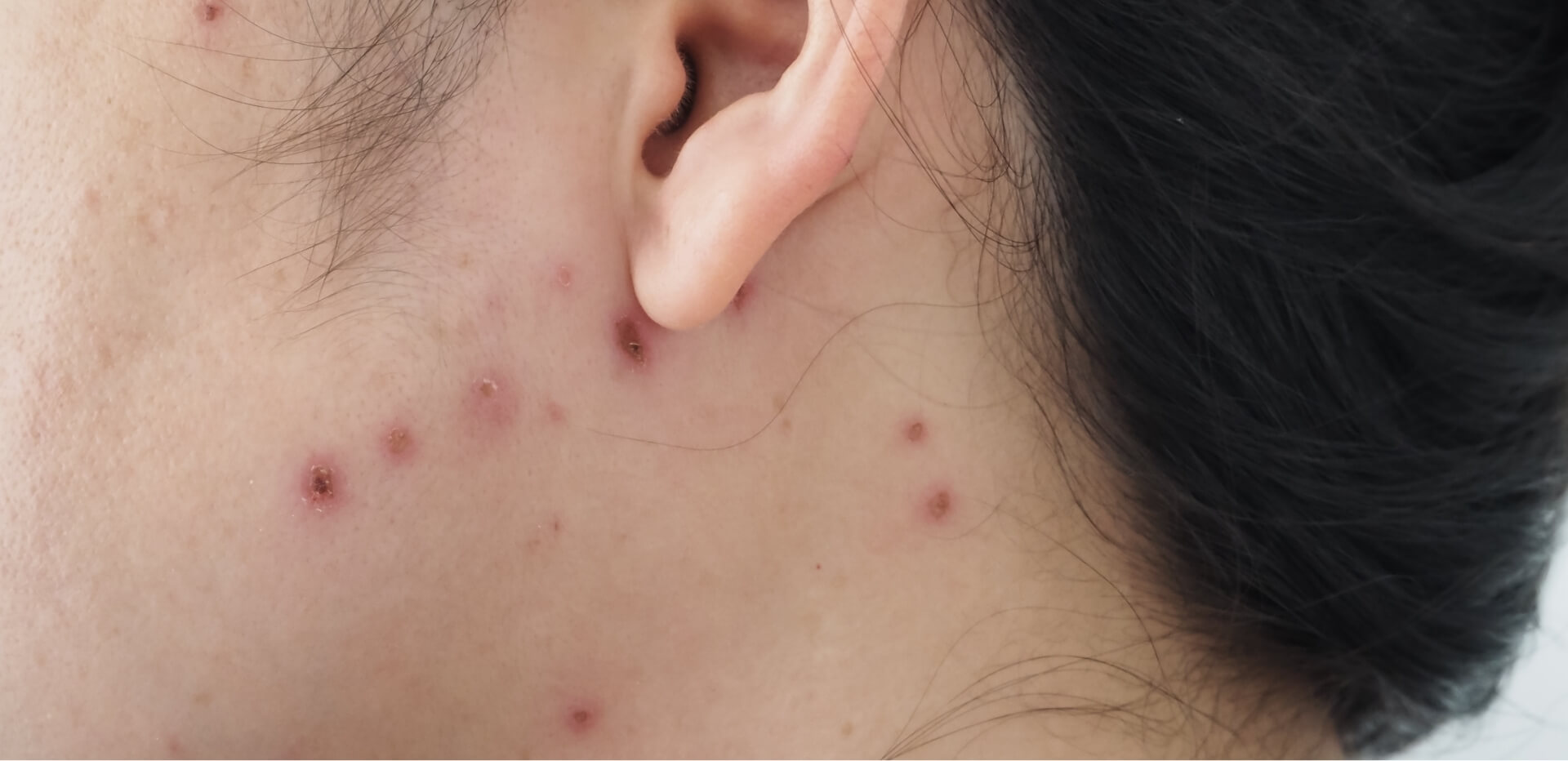
Some strains cause small, raised or flat growths which may appear on the hands, feet or genital area. These changes are usually painless but should still be checked by a pharmacist who can guide you on next steps.
What are early HPV symptoms in women?
HPV infection symptoms in women can be difficult to spot because many appear internally or develop gradually. Regular cervical screening plays a major role in detecting cell changes early.
What early signs of HPV should women look for?
Women may notice genital warts, unusual bleeding after sex, irregular discharge or discomfort. These changes do not confirm HPV on their own, but they should not be ignored.
Can HPV develop without visible signs?
Yes. High-risk HPV strains may not cause immediate symptoms but can lead to cervical cell changes over time. Screening helps identify these changes before they progress.
Do early HPV symptoms affect periods?
HPV itself does not usually disrupt menstrual cycles, but abnormal bleeding, including bleeding between periods or after sex, may be a sign of cell changes linked to persistent HPV.
General HPV symptoms to be aware of
HPV infection symptoms differ based on the type of HPV and the area of the body affected. Some low-risk strains cause warts, while high-risk strains rarely cause visible symptoms.
What do HPV warts look like?
HPV warts may appear as small bumps, cauliflower-like clusters or smooth flat growths. They may occur on the genitals, anus, throat or mouth depending on the strain.
Are high-risk HPV symptoms different?
High-risk HPV strains typically do not cause warts. Instead, they may lead to silent changes in cells that are detected only through screening or examination.
When should you get help for HPV symptoms?
If you notice new growths, unusual bleeding, changes in discharge or persistent discomfort, it is sensible to seek help. While HPV is common and often clears naturally, early advice can help you understand what is happening.
Should you speak with a pharmacist first?
Yes. A pharmacist can guide you on whether you need further testing, HPV vaccination or referral to a screening service. They can also advise on managing warts or other early symptoms.
When is HPV considered urgent?
If you have heavy bleeding, severe pain, rapid growth of warts or symptoms that worsen quickly, seek support promptly so you can be directed to the right care.
Where can you get reliable help for HPV symptoms in the UK?
HPV can feel worrying, especially when symptoms appear suddenly, but reliable help is available. Screening programmes, HPV vaccination and expert guidance help reduce risks and offer reassurance. If you have questions about HPV symptoms, early signs of HPV infection or HPV infection symptoms in women, speaking with one of our trained pharmacists can help you understand your options.
Book your appointment with our pharmacists at Touchwood Pharmacy for personalised HPV advice and guidance on screening, vaccination and symptom management.
FAQs
What are the very first signs that I might have HPV?
The earliest signs can include small skin changes such as tiny bumps, flat patches or genital warts, although many people notice nothing at all. Some high-risk strains cause no visible symptoms, so screening is often the only way to detect early cell changes.
Can HPV cause symptoms before genital warts appear?
Yes. Some people experience mild itching, a change in discharge, or small flat lesions before any visible warts develop. Others may develop no symptoms even when the infection is active.
How can women tell if early symptoms are related to HPV or something else?
HPV symptoms in women can overlap with other conditions. Unusual discharge, light bleeding after sex, or discomfort may be linked to HPV, but they can also be caused by infections or hormonal changes. If symptoms persist or appear suddenly, it is sensible to seek advice.
Do high-risk HPV strains show different early symptoms than low-risk strains?
Low-risk strains usually cause visible warts, while high-risk strains rarely cause any early signs. Instead, they may cause gradual cervical cell changes that are only detected through routine screening.
Can HPV symptoms appear years after the infection starts?
Yes. HPV can stay inactive for months or even years before symptoms develop. This means a new symptom does not necessarily indicate a recent infection.
Should I get checked if I have no symptoms but think I was exposed to HPV?
Yes. Many HPV infections are symptom-free, so getting checked or attending routine screening helps detect any early changes even when you feel well.