











A patch of skin starts to feel wrong before it ever looks wrong. Not quite pain, not quite itch, just a deep, uncomfortable sensitivity that does not behave like anything you have felt before. It tends to stay in one place, often on one side of the body, quietly building over a day or two.
This is where an early shingles rash begins, long before the blisters people associate with it appear. Because the signs are subtle at first, they are easy to ignore or misread. Spotting these early changes is important, as starting shingles treatment at the right time can make a noticeable difference to how severe it becomes.
What does shingles rash look like when it starts?
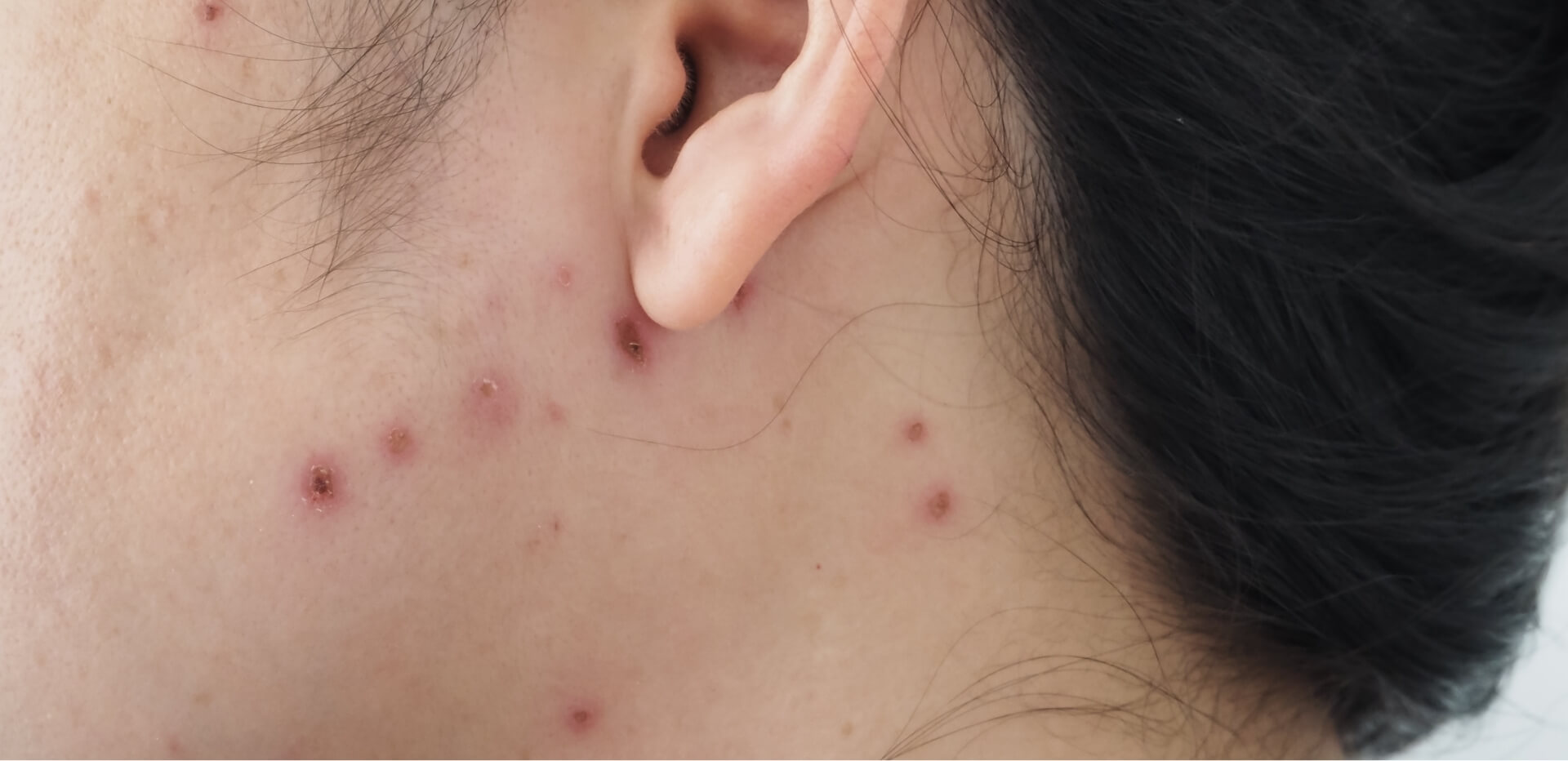
An early shingles rash usually starts as a small patch of red or slightly raised skin on one side of the body. It often follows a band-like pattern along the chest, back, or face.
Unlike other rashes, it does not spread randomly across the body. Instead, it stays localised to one area linked to a nerve.
How does the early-stage shingles rash appear visually?
In the early stage shingles rash, the skin may look:
- Slightly red or inflamed.
- Sensitive or tender to touch.
- Patchy rather than fully blistered.
Within a few days, this area develops into fluid-filled blisters. These blisters can cluster together and may look similar to chickenpox, but they remain confined to one side.
What makes it different from other rashes?
Early-stage rashes that look like shingles are often confused with allergies or insect bites. However, shingles typically:
- Appears only on one side of the body.
- Causes pain before visible changes.
- Develops into blisters within a few days.
These features help distinguish it from common skin conditions.
What are the starting symptoms of shingles?
The starting symptoms of shingles often appear before any rash is visible. This stage is known as the prodromal phase.
People may notice unusual sensations in a specific area of the skin.
What are the early signs of shingles rash before it appears?
An early sign of shingles rash can include:
- Tingling or burning sensation.
- Sharp or stabbing pain.
- Itching or sensitivity.
- General tiredness or mild fever.
These symptoms usually affect one side of the body and may last a few days before the rash develops.
Why does shingles cause pain before a rash?
Shingles is caused by the reactivation of the varicella zoster virus, which lies dormant in nerve tissues. When it reactivates, it affects the nerves first, leading to pain before skin changes appear.
How does the early shingles rash progress?
Once the rash appears, it tends to change quickly over a short period. Recognising these stages can help you understand what to expect.
What happens after the early-stage shingles rash?
After the initial redness:
- Small blisters begin to form.
- Blisters fill with fluid and may become painful.
- The area may feel warm or sensitive.
- Over time, the blisters burst, dry out, and form scabs.
How long does each stage last?
The early shingles rash stage typically lasts a few days before blistering begins. The full cycle of shingles can take 2 to 4 weeks, depending on how quickly treatment is started.
Is shingles transmissible in the early stage?
Yes, shingles is transmissible, but not in the way many people expect. You cannot catch shingles directly from someone.
Can you spread shingles before blisters appear?
In the early shingles rash stage, before blisters form, the risk of transmission is low. The virus mainly spreads when blisters are present and leaking fluid.
Who is at risk from shingles transmission?
If someone comes into contact with the fluid from shingles blisters, they may develop chickenpox if they have not had it before.
This is why covering the rash and practising good hygiene is important.
What should you do if you notice an early shingles rash?
Acting early is key to reducing discomfort and preventing complications. Prompt shingles treatment can shorten the duration and severity of symptoms.
When should you seek expert advice?
You should speak to our pharmacists as soon as you notice:
- Unexplained pain or tingling on one side of the body.
- A developing rash in a localised area.
- Blisters forming after initial redness.
What shingles treatment options are available in the UK?
Treatment may include antiviral medicines, which work best when started early. Pain relief and soothing creams may also help manage symptoms.
Early care can reduce the risk of long-term nerve pain, known as postherpetic neuralgia.
Getting support for shingles symptoms early
Recognising an early shingles rash can make a significant difference to your recovery. The sooner you act, the more effective treatment is likely to be.
Book your appointment with our experts at Touchwood Pharmacy for shingles assessment, early treatment advice, and personalised care to manage symptoms safely.
FAQs
What does an early shingles rash feel like before it appears?
Before a rash appears, shingles often causes tingling, burning, or sharp pain in one area. The skin may feel sensitive, even without visible redness or irritation.
Can shingles start without a rash?
Yes, shingles can begin with pain, itching, or tingling before any rash develops. This early stage can last a few days, making it easy to mistake for muscle strain.
How quickly does an early shingles rash turn into blisters?
An early shingles rash usually develops into fluid-filled blisters within 2 to 5 days. Acting early during this stage helps reduce severity and supports faster recovery.
What rashes are commonly mistaken for early shingles?
Early-stage rashes that look like shingles may include insect bites, allergic reactions, or eczema. However, shingles is usually painful and limited to one side of the body.
Is shingles transmissible before the rash fully develops?
Shingles is less likely to spread before blisters appear. Transmission mainly happens through contact with fluid from open blisters, not during the early, pre-blister stage.
When should I seek treatment for an early shingles rash?
You should seek shingles treatment as soon as symptoms start, especially pain or tingling in one area. Early antiviral treatment is most effective within the first 72 hours.