








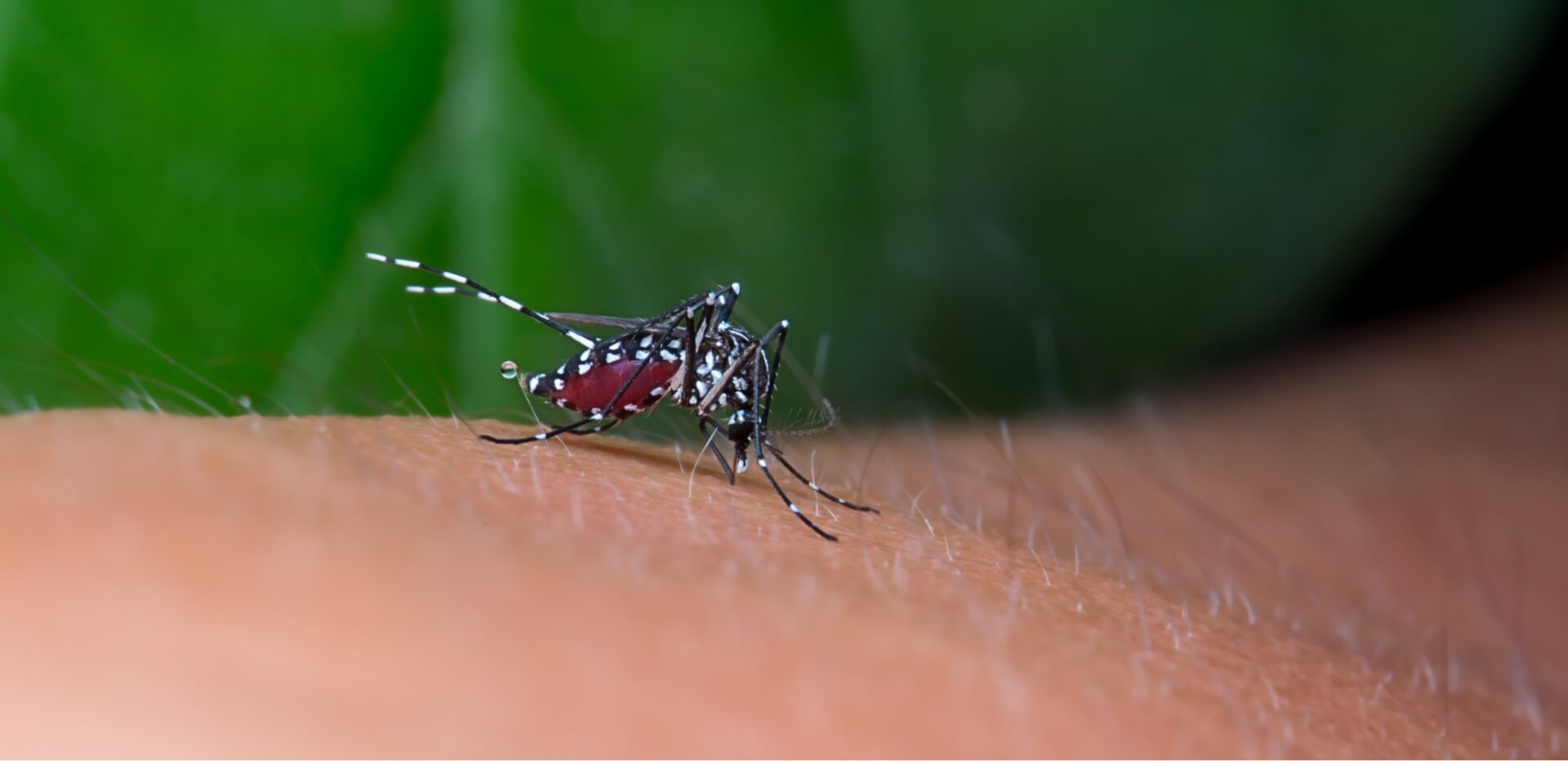



Japanese encephalitis is a serious viral brain infection spread through the bite of infected mosquitoes. It is the leading cause of viral encephalitis in Asia, and while the overall risk to short-term travellers is low, the consequences of infection can be devastating. There is no specific antiviral treatment, and up to one third of those with severe disease do not survive. Vaccination is the most effective preventive measure available for those travelling to affected regions, and understanding the dose schedule before you book is an important part of your pre-travel planning.
What Is Japanese Encephalitis?
Japanese encephalitis (JE) is caused by the Japanese encephalitis virus, transmitted to humans through the bite of Culex mosquitoes, which breed in flooded rice paddies and are most active at dusk and dawn. The virus circulates in birds and pigs and does not spread from person to person.
The disease is found across much of Asia and parts of the western Pacific, including Japan, China, South Korea, India, Southeast Asia, and parts of the Pacific Islands. Most infections are asymptomatic or cause only a mild febrile illness, but a small proportion progress to severe encephalitis, which can result in permanent neurological damage or death. The risk is highest in rural and agricultural settings during and after the monsoon season, when mosquito populations peak.
Who Should Get the Japanese Encephalitis Vaccine?
The Japanese encephalitis vaccine is not a universal travel vaccine but is recommended for specific itineraries and travel profiles. You should discuss it with your travel health pharmacist if you are:
- Travelling to rural or agricultural areas in endemic countries, particularly where rice cultivation and pig farming are common
- Spending one month or longer in endemic regions, even in urban areas, during the transmission season
- Undertaking adventure travel, outdoor activities, or cycling through rural areas in affected countries
- Taking a shorter trip that involves significant rural or outdoor exposure during peak transmission season
- Expatriates or long-term residents living in endemic areas
Short-term city-based travellers to Asia are generally considered at lower risk, but the specific risk profile of your trip should be assessed individually. A travel health consultation will take into account your destination, planned activities, season, and duration of travel.
The Japanese Encephalitis Vaccine: Which One Is Used in the UK?
The Japanese encephalitis vaccine used in the UK is Ixiaro (inactivated Vero cell-derived JE vaccine), an inactivated, non-live vaccine given as an injection. It is suitable for adults and children from two months of age. Because it is non-live, it can be given to immunocompromised individuals, though immune response may be reduced in this group.
The Japanese Encephalitis Vaccine Schedule
The standard Japanese encephalitis vaccine schedule for Ixiaro in adults and children aged three and over consists of two doses. The schedule depends on the time available before travel.
| Schedule | Dose 1 | Dose 2 | Dose 3 (if applicable) | Notes |
| Standard | Day 0 | Day 28 | N/A | Full two-dose course; allows 1 week post-dose 2 before departure |
| Accelerated | Day 0 | Day 7 | N/A | For adults aged 18–65 only; last dose at least 1 week before travel |
| Children under 3 (Ixiaro) | Day 0 | Day 28 | N/A | Same two-dose schedule; paediatric dose; confirm with prescriber |
Important: Dose schedules are based on the Ixiaro SmPC at the time of writing. Always verify the current schedule with your pharmacist at the time of your appointment, as guidance may be updated.
The Accelerated Japanese Encephalitis Vaccine Schedule
An accelerated Japanese encephalitis vaccine schedule is available for adults aged 18 to 65 who are unable to complete the standard 28-day course before travel. Under this schedule, the two doses are given seven days apart rather than twenty-eight, with the second dose administered at least one week before potential exposure. This makes it possible to achieve full protection in as little as two weeks from the first appointment.
The accelerated schedule is not currently approved for children, adults over 65, or immunocompromised individuals, who should follow the standard schedule. If time is very limited, speak to your travel health pharmacist as early as possible to determine what is feasible.
Does the Japanese Encephalitis Vaccine Need a Booster?
Whether you need a Japanese encephalitis vaccine booster depends on whether you have had the full two-dose primary course and when you last received it.
For those who completed the primary course and are travelling again to an endemic region, a single booster dose is recommended if more than twelve to twenty-four months have passed since the second primary dose. For adults who are likely to require ongoing protection, such as those living in or making repeated trips to endemic areas, booster doses may be required on a longer-term schedule. Your pharmacist will advise on booster timing based on when you were last vaccinated.
It is worth noting that if your primary course was completed more than a year ago and you have no travel plans that require immediate protection, discussing booster timing at a scheduled travel health appointment is the best approach rather than booking a booster in isolation.
Japanese Encephalitis Vaccine Side Effects
Ixiaro is generally well tolerated. Japanese encephalitis vaccine side effects are typically mild and short-lived. Commonly reported effects include:
- Injection site reactions: pain, redness, swelling, or tenderness — the most frequently reported side effect
- Headache
- Myalgia (muscle aches)
- Fatigue
- Fever, in some recipients
- Nausea or influenza-like symptoms in a minority of cases
Serious adverse reactions, including hypersensitivity reactions, are rare. As with any vaccine, recipients should be monitored briefly after administration, and any severe or prolonged symptoms should be reported to a healthcare professional. Your pharmacist will advise you on what to expect and when to seek further advice.
How to Book the Japanese Encephalitis Vaccine in the UK
Japanese encephalitis vaccination should be arranged well in advance of travel. Completing the standard two-dose primary course requires at least five weeks (four weeks between doses plus at least one week after the second dose for immunity to establish). Even the accelerated schedule requires a minimum of two weeks. Booking early gives you the most options.
At Touchwood Pharmacy, our pharmacists can assess whether the Japanese encephalitis vaccine is appropriate for your specific itinerary, advise on the correct schedule, and administer both doses at appointments that fit your travel timeline.
Book your appointment with our experts at Touchwood Pharmacy for personalised travel health advice and access to the Japanese encephalitis vaccine before your trip to Asia.
This article is for informational purposes only and does not constitute medical advice. Vaccine dose schedules are subject to change. Always consult a qualified healthcare professional before travelling to endemic regions.
Frequently Asked Questions (FAQ’s)
Do I need the Japanese encephalitis vaccine for Thailand?
It depends on your itinerary within Thailand. The Japanese encephalitis virus is present in Thailand, but the risk to short-term city-based travellers is generally low. The vaccine is particularly recommended for those spending time in rural or agricultural areas, those staying for a month or longer, or those undertaking outdoor activities during the monsoon and post-monsoon season when mosquito populations are highest. A travel health consultation will assess your specific plans.
How quickly does the Japanese encephalitis vaccine work?
Under the standard schedule, full protection is considered established approximately one week after the second dose (which is given on day 28 from the first). Under the accelerated schedule for adults aged 18 to 65, this can be achieved in as little as two weeks from the first injection. In either case, the second dose must be given before travel, with at least one week for immunity to develop.
Is the Japanese encephalitis vaccine safe for children?
Yes. Ixiaro is licensed for use in children from two months of age. The paediatric dose and schedule should be confirmed with your pharmacist or prescriber, as dosing may differ from the adult schedule. Children under three do not currently qualify for the accelerated schedule. Parents planning travel with young children to endemic rural regions should discuss vaccination at a travel health appointment as early as possible before departure.
How long does the Japanese encephalitis vaccine last?
The primary two-dose course of Ixiaro protects for at least twelve to twenty-four months for most recipients. A booster dose is recommended before travel if more than twelve to twenty-four months have passed since the last dose, or before further travel to endemic areas. Long-term protection and booster intervals are an evolving area of guidance; your pharmacist will provide the most current advice at the time of your consultation.
Can I get the Japanese encephalitis vaccine on the NHS?
The Japanese encephalitis vaccine is not routinely available on the NHS and is accessed as a private travel vaccination. Some NHS occupational health departments may provide it to employees at specific risk, but for most travellers, it is arranged and funded privately through a registered pharmacy or travel clinic.
What should I do to avoid Japanese encephalitis besides vaccination?
Vaccination is the most effective preventive measure but should be combined with mosquito bite avoidance, as Culex mosquitoes responsible for JE transmission are most active at dusk and dawn. Protective measures include applying a DEET-based insect repellent to exposed skin during peak biting hours, wearing long-sleeved clothing and trousers in the evenings, using bed nets in areas without screened accommodation, and avoiding outdoor exposure during peak mosquito activity times, particularly in rural and agricultural settings.