











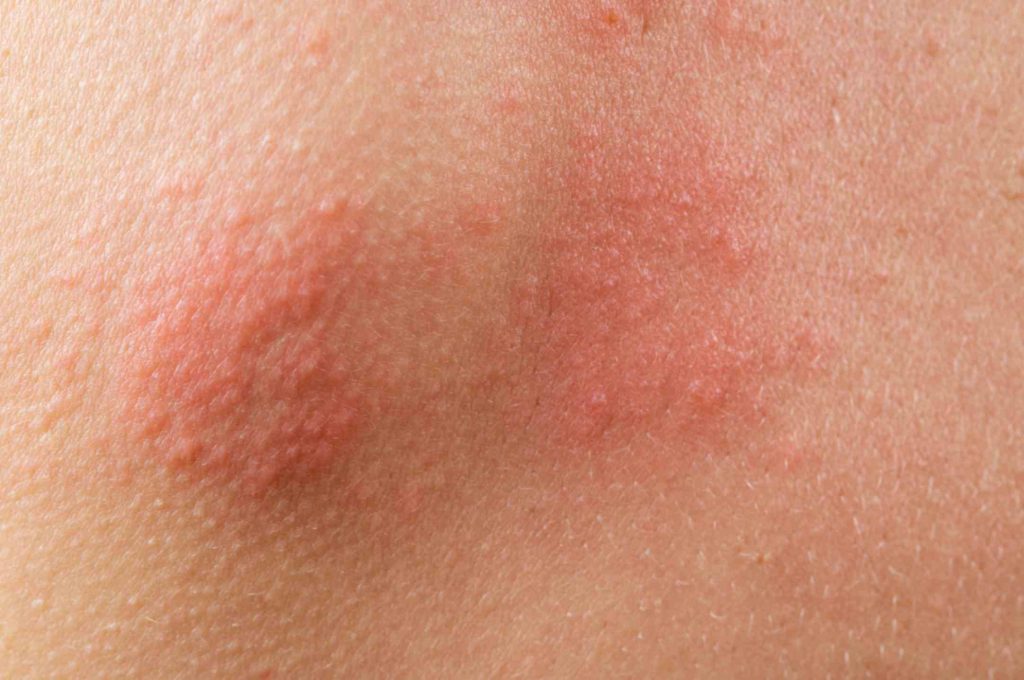
Spotty rashes and fevers are often treated as childhood illnesses, but when they appear in teenagers or adults, the cause is not always obvious. Chickenpox, shingles and measles can start in similar ways, yet they are triggered by different viruses and require very different responses.
Because early symptoms overlap, people frequently search for reassurance online or wait to see if things improve. That delay can matter. Some infections are more likely to cause complications in adults, while others spread quickly to vulnerable people if not recognised early.
In this blog, we explain the differences between chickenpox vs shingles vs measles, focusing on how to recognise each condition, what makes them distinct and when to seek advice from trained pharmacists.
What is chickenpox, and how does it usually present?
Chickenpox is a common viral infection that mainly affects children but can occur at any age. It is caused by the varicella-zoster virus and is highly contagious.
Common chickenpox symptoms to look out for
Chickenpox usually starts with mild flu-like symptoms before a rash appears. Chickenpox and shingles symptoms can overlap early on, which causes confusion.
Typical signs include:
- Fever and tiredness.
- Loss of appetite.
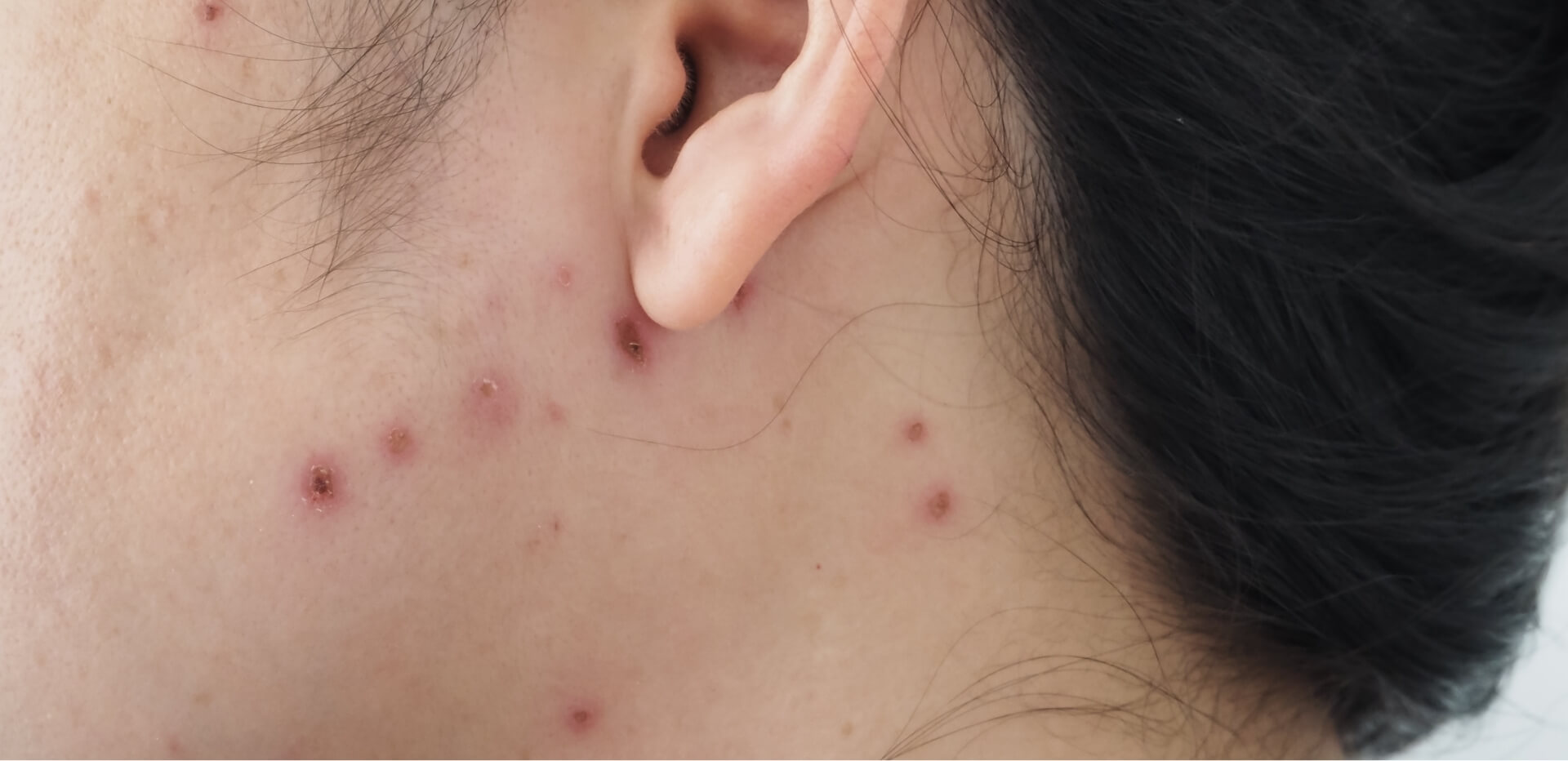
- An itchy rash that turns into fluid-filled blisters.
- Scabs forming as the blisters heal.
Most people recover within one to two weeks, but adults and those with weaker immune systems may experience more severe symptoms.
Can chickenpox return later in life?
Yes. After recovery, the virus stays dormant in the body. This is why shingles vs chickenpox comparisons are important, as the same virus causes both conditions but at different life stages.
What is shingles, and how is it different from chickenpox?
Shingles is not a new infection. It is caused by the reactivation of the chickenpox virus, often many years later.
Key differences between shingles and chickenpox
The main difference between shingles vs chickenpox is how the rash appears and who is affected. Shingles usually affects older adults or people with reduced immunity.
Shingles symptoms often include:
- Pain or tingling before a rash appears.
- A rash on one side of the body or face.
- Blisters that follow a nerve path.
- Ongoing nerve pain after the rash clears.
When comparing shingles vs chickenpox, shingles is typically more painful and less widespread but can lead to longer-lasting complications.
Is shingles contagious like chickenpox?
Shingles itself does not spread shingles, but the virus can cause chickenpox in someone who has never had it before.
What are the symptoms of measles disease?
Measles is a serious viral infection that spreads easily through coughing and sneezing. It is different from both chickenpox and shingles and can cause significant complications.
Symptoms of measles disease usually develop in stages:
- High fever and cold-like symptoms.
- Red sore eyes and sensitivity to light.
- Small white spots inside the mouth.
- A red blotchy rash that spreads from the face downward.
Measles can be severe, especially in young children and vulnerable adults, which is why vaccination remains important.
What is the difference between measles and chickenpox?
Measles vs chickenpox is a common comparison, but the conditions behave very differently in the body.
How do the rashes differ in measles vs chickenpox?
Chickenpox causes itchy blisters that scab over. Measles causes flat red patches that merge together and are not usually itchy.
How does illness severity compare between measles and chickenpox?
Chickenpox is often mild in children. Measles can lead to ear infections, chest infections and, in rare cases, inflammation of the brain.
Why correct identification is important
Knowing the difference between measles and chickenpox helps ensure the right advice, isolation guidance and follow-up care are provided.
When should you seek advice from a pharmacist?
If symptoms are severe, unusual or worsening, or if the person affected is pregnant, immunocompromised or very young, early advice is important.
Pharmacists can:
- Help identify likely causes of rashes.
- Advise on symptom relief and infection control.
- Discuss vaccination status and prevention.
- Refer onwards when needed.
What should you do if you are concerned about your symptoms?
Understanding the difference between chickenpox vs shingles vs measles helps reduce uncertainty and supports better health decisions. Vaccinations, early recognition and timely advice all play a role in reducing complications and spread.
Book your appointment with our experts at Touchwood Pharmacy for advice, vaccination support and personalised guidance related to chickenpox, shingles and measles.
FAQs
Can you get shingles without ever having chickenpox?
No. Shingles only develops if you have previously had chickenpox. The virus stays dormant in the body and can reactivate later in life as shingles.
How can you tell the difference between measles and chickenpox rash?
Chickenpox causes itchy fluid-filled blisters that scab over. Measles causes a flat red rash that starts on the face, spreads downward and is usually not itchy.
Is shingles more serious than chickenpox?
Shingles is often more painful and can cause long-lasting nerve pain, especially in older adults. Chickenpox is usually milder in children but can be more severe in adults.
Are chickenpox and shingles symptoms the same at the start?
Early symptoms can feel similar, such as fever and tiredness. However, shingles often begins with localised pain or tingling before a rash appears on one side of the body.
Can measles be confused with chickenpox in adults?
Yes. Early flu-like symptoms can overlap, but measles causes high fever, red eyes and a spreading flat rash, while chickenpox causes itchy blistering spots.
Do chickenpox, shingles and measles require different treatments?
Yes. Treatment focuses on symptom relief for chickenpox and shingles, while measles care aims to manage fever and complications. Pharmacists can advise on appropriate next steps.