













Meningitis B can spread quickly in student halls because hundreds of new students move into close, shared living spaces at the same time. Many people can carry the bacteria in their nose or throat without having any symptoms. Add late nights, shared kitchens, and busy social calendars, and there are plenty of opportunities for close contact. Here is why students can be more exposed, how Meningitis B spreads, which symptoms to look out for, and how the Meningitis B vaccine can help protect you before term begins.
What Is Meningitis B and Why Does It Matter for University Students?
Meningitis B is a bacterial infection caused by Neisseria meningitidis group B, which can lead to meningitis, septicaemia, or both, and can progress seriously within hours. It matters for university students because first-year undergraduates have one of the highest rates of meningococcal carriage of any age group, largely because they are meeting large numbers of new people in close quarters for the first time. Many carriers show no symptoms themselves, yet can still pass the bacteria to others through everyday contact.
How Does Meningitis B Spread So Quickly in Halls of Residence?
Meningitis B spreads through close contact, including coughing, sneezing and kissing. Sharing cups, cutlery or cigarettes can also increase the opportunity for bacteria to spread. Several factors can make halls of residence a higher risk environment:
- Large numbers of unfamiliar people living in shared corridors, kitchens, and bathrooms
- Frequent socialising, including parties, flat dinners, and nights out
- Students spending long periods in close contact with people they have only recently met
- Freshers arriving from different regions and countries, with different vaccination histories and levels of exposure to meningococcal bacteria
Living in close quarters does not mean a student will develop Meningitis B, but it can increase opportunities for the bacteria to spread. This is one reason vaccination is worth discussing before moving into halls, particularly if you missed your routine MenB vaccinations.
Meningitis B Symptoms Every Student Should Recognise
Meningitis B symptoms can develop rapidly, sometimes within hours, and can easily be mistaken for a hangover or flu in the early stages. Symptoms to look out for include:
- Severe headache, unlike any experienced before
- Fever with cold hands and feet
- Stiff neck and sensitivity to light
- Vomiting and drowsiness or confusion
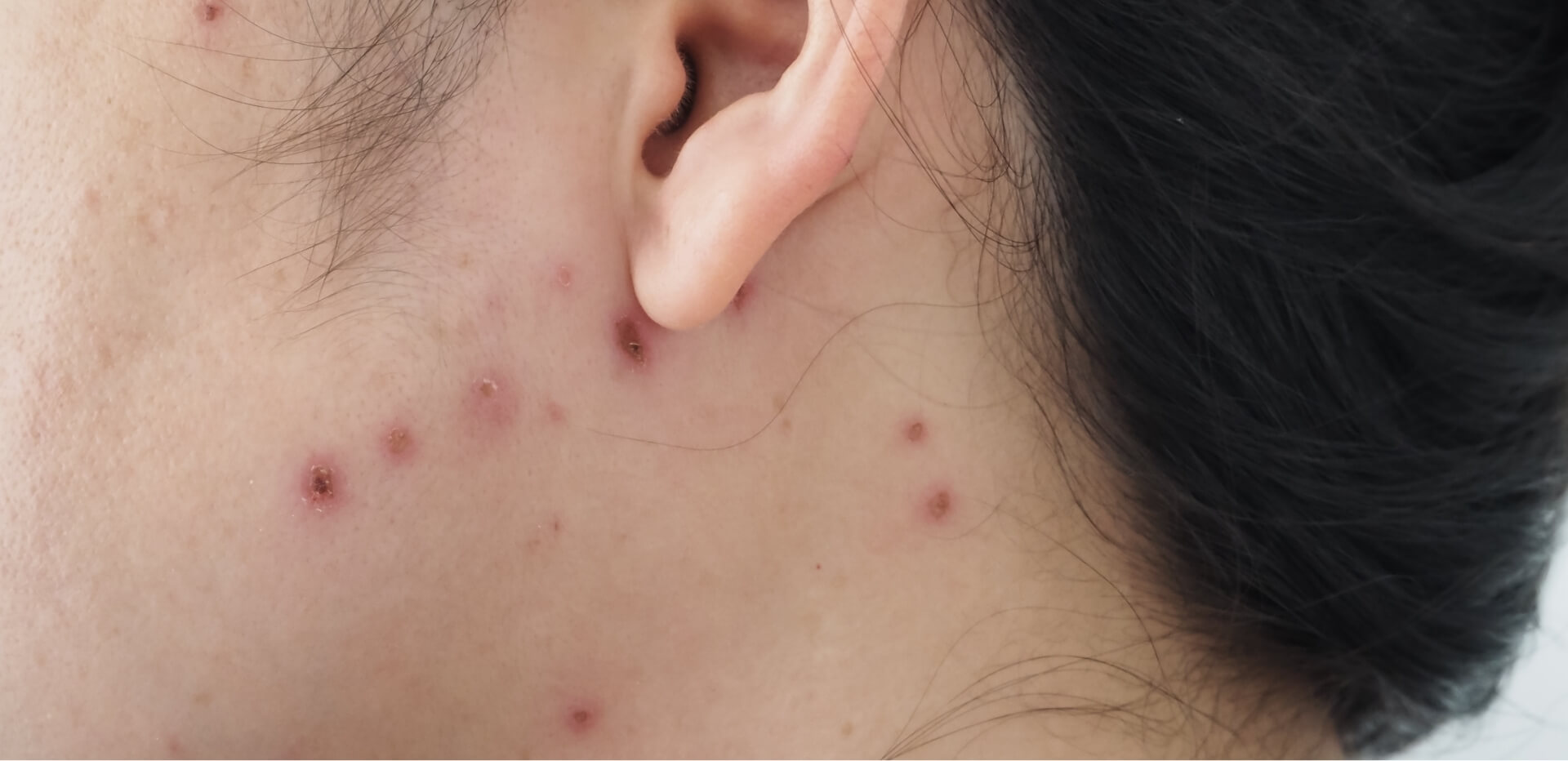
- A rash that does not fade under pressure from a glass, although this may appear late or not at all
Because the illness can worsen quickly, students and flatmates should seek urgent medical attention if several of these symptoms appear together, rather than waiting to see if they improve.
Who Should Have the MenB Vaccine Before Starting University?
The MenB vaccine is worth considering for any student moving into shared accommodation, particularly those who did not receive it as part of the NHS infant immunisation schedule, which only introduced routine MenB vaccination from 2015. This includes:
- First-year students moving into halls of residence
- Students who missed their MenB doses in infancy
- International students who may have had different immunisation schedules
- Students with certain underlying health conditions affecting immunity
A pharmacist can check your vaccination history and let you know whether you need to catch up before university.
How Effective Is the Meningitis B Vaccine?
The MenB vaccine can reduce the risk of Meningitis B infection, although, like any vaccine, it does not protect against every strain of meningococcal bacteria. Evidence reviewed by the Joint Committee on Vaccination and Immunisation supports the use of MenB vaccination in the routine infant programme.
Start Your Meningitis B Protection with Touchwood Pharmacy
Heading off to student halls is exciting, but it also means close contact with lots of people you have never met. At Touchwood Pharmacy, we offer the MenB vaccine with fast appointments and advice from our qualified pharmacist team, so you can check your vaccination status before term starts.
If you are not sure whether you have already had the MenB vaccine, a pharmacist can help you work out what you may need. Book your Meningitis B vaccination with Touchwood Pharmacy today.
Frequently Asked Questions
Is the Meningitis B vaccine available on the NHS for university students?
The NHS routinely offers the MenB vaccine to infants, but it is not routinely funded for older teenagers or university students. It is available privately through pharmacies such as Touchwood.
How many doses of the MenB vaccine do adults need?
Most adults and older students need two doses, usually given at least one month apart, although a pharmacist can confirm the correct schedule for your age and history.
Can I still catch Meningitis B if I have been vaccinated?
It is rare, but possible, since no vaccine covers every strain of the bacteria. Vaccination significantly reduces the risk and severity of illness even when it does not eliminate it entirely.
How quickly do Meningitis B symptoms develop?
Symptoms can develop within hours and worsen quickly, which is why urgent medical attention is important if several symptoms appear together, rather than waiting to see if they pass.
Should international students get the MenB vaccine before arriving in the UK?
Yes, this is often sensible, as immunisation schedules vary by country and many international students will not have received MenB vaccination in infancy.
Can flatmates catch Meningitis B from each other even without kissing?
Yes, close contact such as sharing cups, cutlery, or cigarettes, as well as coughing and sneezing, can spread the bacteria, which is why halls of residence carry a higher risk.