






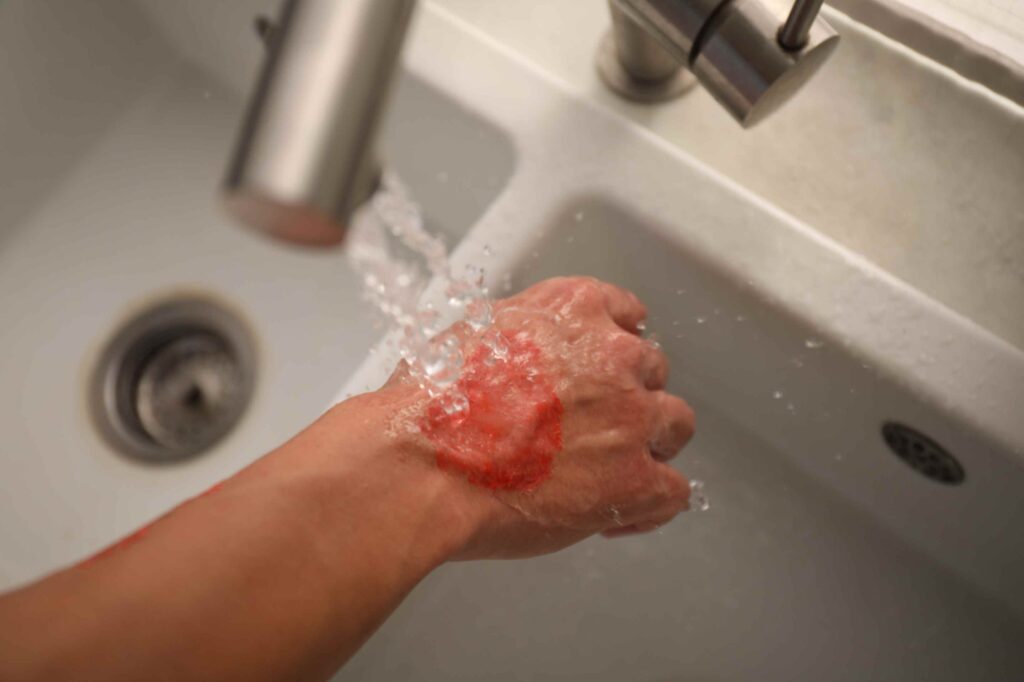
Washing an animal bite straight away can make a real difference. It helps remove bacteria from the wound and, in countries where rabies is present, can also wash away the rabies virus before it has a chance to spread. The WHO recommends washing any bite, scratch or lick with soap and running water for a full 15 minutes, as soon as possible.
Why the First Hour After a Bite Makes All the Difference
The first hour offers the best chance of limiting infection and, in countries where rabies is present, viral spread, because bacteria and viruses in animal saliva need time to travel from the skin into deeper tissue.
- Dog and cat saliva often carries bacteria such as Pasteurella multocida, which can infect a wound within hours.
- Where rabies is present, the virus starts moving from the bite site towards the nervous system soon after exposure.
- Washing straight away lowers how much virus and bacteria remain at the wound before either can spread.
How to Clean an Animal Bite Properly (First Aid Steps)
Clean an animal bite under running water with soap or detergent for at least 15 minutes, then have the wound assessed even if it looks minor. Do not delay washing while looking for a dressing.
First Aid Steps to Follow Immediately
In the first few minutes, concentrate on cleaning the wound properly, managing any bleeding and protecting it with a clean dressing.
- Wash the wound with soap and running water for 15 minutes.
- Let it bleed slightly to help flush out bacteria, unless bleeding is already heavy.
- Pat the area dry and cover it with a clean, sterile dressing.
- Take paracetamol or ibuprofen for pain; avoid aspirin in children under 16.
When to Seek Urgent Medical Help
Get urgent medical advice if the bite is deep, will not stop bleeding, or came from an animal abroad in an area where rabies is present.
- The wound is deep, gaping or bleeding heavily.
- The bite is on the face, hands, feet or genitals.
- The animal was a stray, wild or behaving oddly.
- You were bitten, scratched or licked abroad, especially by a dog, cat, bat or monkey.
When Do You Need a Rabies Vaccine or Post-Exposure Treatment?
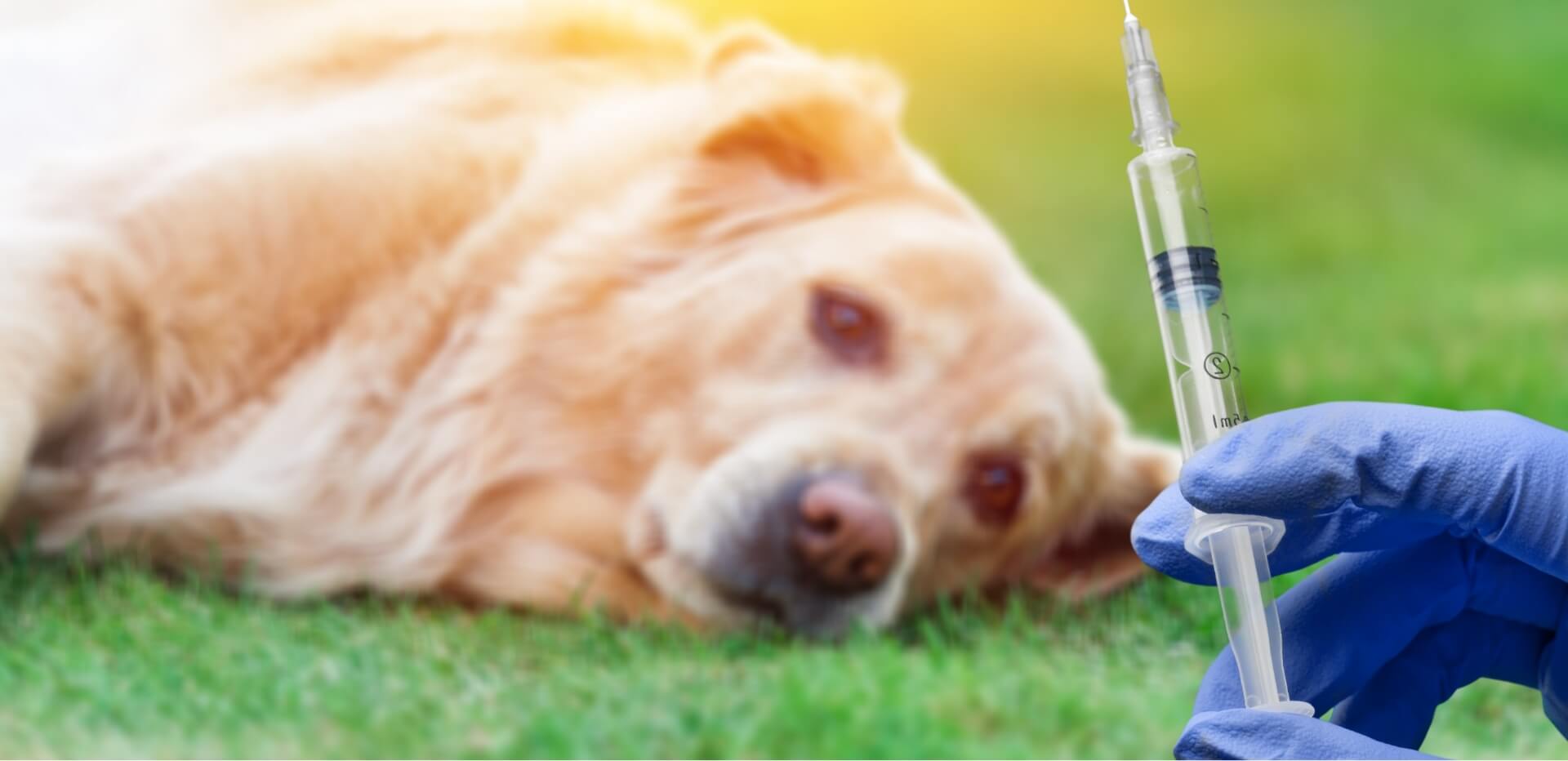
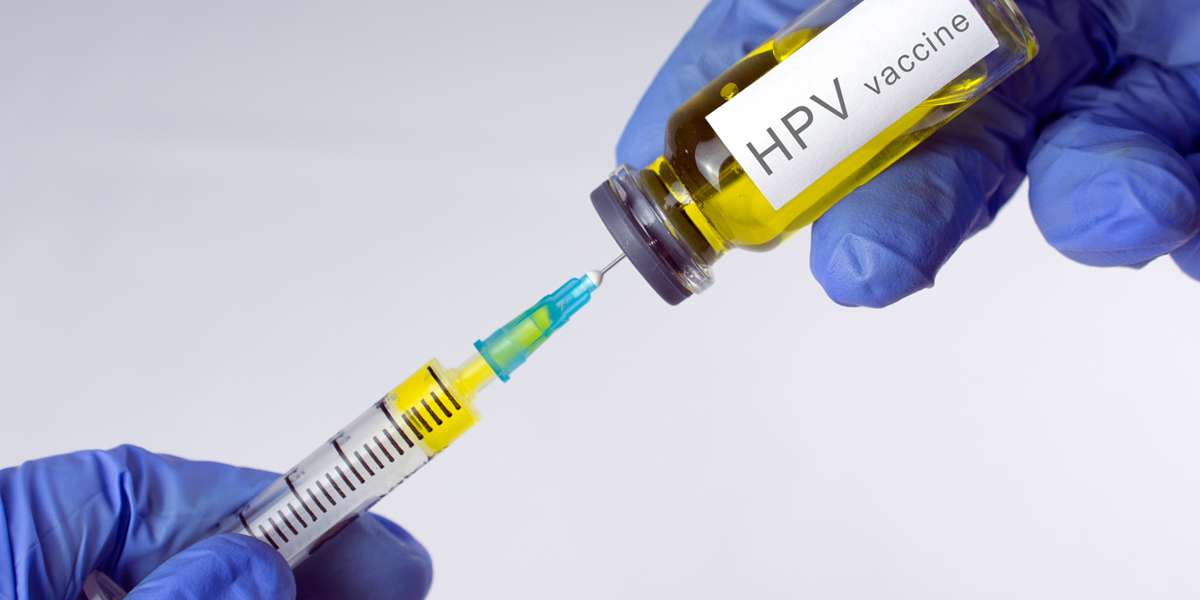
You may need rabies vaccine and post-exposure treatment after a bite, scratch or lick from an animal that breaks the skin or comes into contact with your eyes, mouth or an open wound in a country where rabies is present. A bat exposure can also require assessment anywhere in the UK. Rabies symptoms, once they develop, are almost always fatal, so post-exposure treatment needs to be started before symptoms appear.
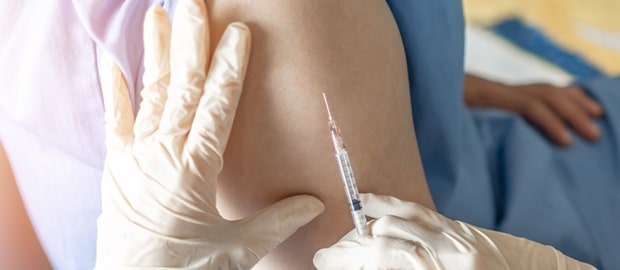
Post-exposure treatment usually involves the rabies vaccine, with rabies immunoglobulin added for higher-risk wounds following a risk assessment. For someone who has not been vaccinated previously, the standard UK rabies vaccine schedule is four doses on days 0, 3, 7 and 21.
Get Protected Before You Travel With Touchwood Pharmacy
If you are travelling to a country where rabies is present, getting vaccinated before you go can give you added protection against exposure. Touchwood Pharmacy can advise on whether a pre-travel rabies vaccination is suitable for your trip, based on your destination and planned activities. Visit your nearest Touchwood Pharmacy branch or book a travel health consultation today, and travel with proper protection in place.
Frequently Asked Questions
How soon should I wash an animal bite?
As soon as possible, ideally within minutes. Wash the wound under running water with soap for a full 15 minutes before doing anything else.
What are the first rabies symptoms to watch for?
Early rabies symptoms include fever, headache and tingling or burning at the wound site, usually appearing weeks after exposure rather than immediately. Once symptoms such as agitation, hydrophobia or paralysis develop, rabies is almost always fatal, which is why post-exposure treatment before symptoms start is so important.
Is rabies post-exposure treatment free on the NHS?
Yes. Genuine post-exposure rabies treatment, including the vaccine and, where needed, rabies immunoglobulin, is provided free on the NHS. Pre-travel rabies vaccination for holidaymakers, however, isn’t NHS funded and is usually arranged privately through a pharmacy or travel clinic.
What is the rabies vaccine schedule after a bite?
For someone with no previous rabies vaccination, the standard UK schedule is four doses given on day 0, 3, 7 and 21. Anyone previously vaccinated usually needs just two further doses, three days apart.
Should I go to a pharmacy, GP or A&E after an animal bite?
It depends on severity. Minor bites can often be assessed at a pharmacy or GP, but go to A&E or call 111 for deep, heavily bleeding wounds, bites to the face or hands, or any bite received abroad where rabies risk needs urgent assessment.