











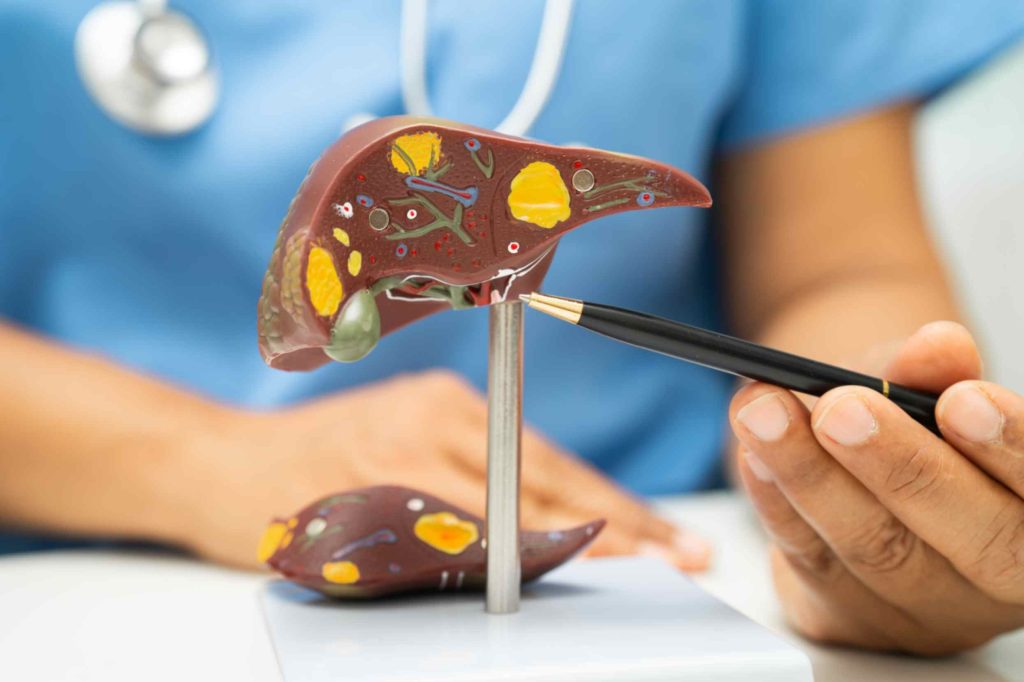
Hepatitis A and B are two types of viral infections that affect your liver. These viruses spread in different ways and cause different symptoms, but both can lead to serious health problems if left untreated. In this article, we’ll explain what causes them, how they can be treated, and most importantly, how you can prevent getting infected in the first place.
What is Hepatitis A?
Hepatitis A is a short-term liver infection caused by the hepatitis A virus (HAV). It spreads through contaminated food and water or close contact with someone who has the virus. It’s more common in areas with poor sanitation.
Symptoms of Hepatitis A
Most people experience symptoms 2 to 6 weeks after being infected. These may include:
- Feeling tired or weak
- Fever
- Stomach pain
- Loss of appetite
- Nausea
- Yellowing of the skin and eyes (jaundice)
In children, the symptoms can be mild or not show at all.
Is There a Cure for Hepatitis A?
There is no specific cure for hepatitis A. However, the body usually clears the virus on its own within a few weeks. Most people make a full recovery and develop lifelong immunity to the virus. During recovery, experts recommend:
- Plenty of rest
- Drinking fluids
- Eating light meals
- Avoiding alcohol and unnecessary medicines that can strain the liver
What is Hepatitis B?
Hepatitis B is a more serious liver infection caused by the hepatitis B virus (HBV). It can be short-term (acute) or long-term (chronic). Chronic hepatitis B can lead to liver failure, cirrhosis, or even liver cancer over time.
How is Hepatitis B Transmitted?
Hepatitis B spreads through:
- Blood-to-blood contact
- Sharing needles or razors
- Unprotected sex
- From mother to baby at birth
It does not spread through hugging, coughing, or sharing food.
Symptoms of Hepatitis B
Some people may not show any symptoms, especially at first. When symptoms do appear, they may include:
- Fatigue
- Fever
- Joint pain
- Stomach discomfort
- Dark urine
- Yellowing of the skin and eyes (jaundice)
Is There a Cure for Hepatitis B?
Currently, there is no complete cure for chronic hepatitis B, but hepatitis B treatment is available. Antiviral medicines can help manage the infection and reduce the risk of liver damage. Some people with acute hepatitis B recover without needing treatment.
Experts usually monitor patients regularly to check liver function and viral load. In more serious cases, a liver transplant may be needed.
Prevention is Better Than Cure
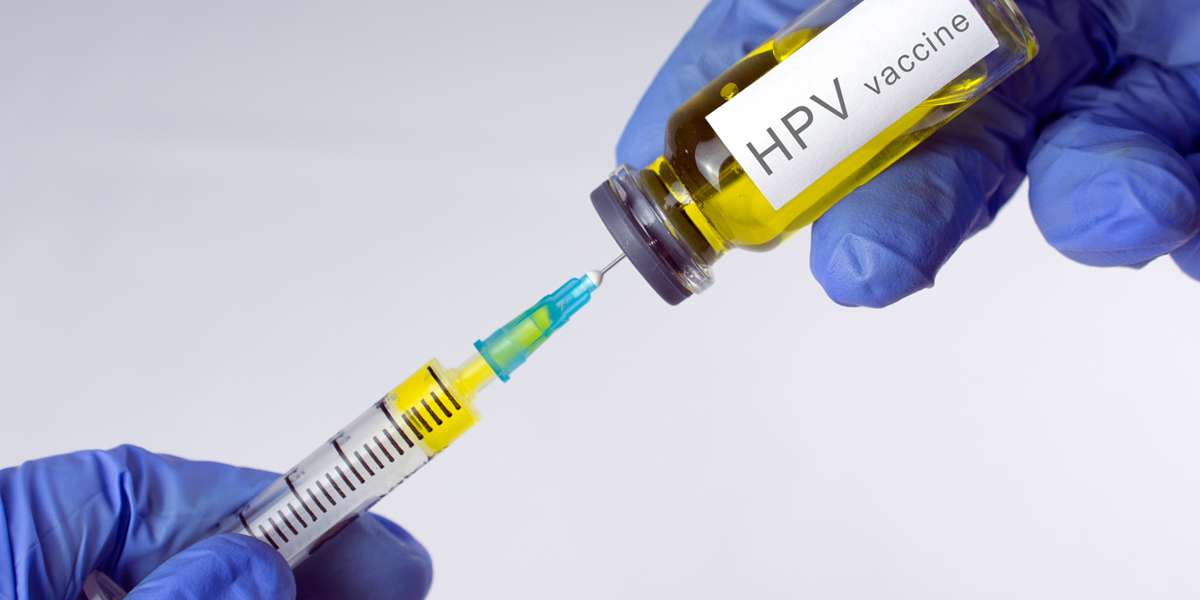
The best way to protect yourself is through hepatitis vaccination.
- The hepatitis A vaccine is given in two doses, 6 months apart.
- The hepatitis B vaccine is given in three doses over 6 months.
Both vaccines are safe and highly effective.
You can also reduce your risk by:
- Practising safe sex
- Not sharing needles or personal items like razors
- Washing hands after using the toilet or before preparing food
- Avoiding contaminated food and water while travelling
What To Do If You Think You’re at Risk?
If you think you’ve been exposed to hepatitis A or B or are showing symptoms, see your GP or pharmacist straight away. Early diagnosis can make a big difference. Blood tests are usually used to detect the virus.
Shield Your Liver, Protect Your Health
Hepatitis can be dangerous, but the good news is—it’s preventable. Book your Hepatitis A and B vaccinations today at Touchwood Pharmacy. Our trained pharmacists are here to answer your questions and help you stay protected. Don’t wait until it’s too late—take charge of your health with just one appointment.