












UK travellers visiting warmer climates are increasingly exposed to mosquito-borne infections, and chikungunya is one of the conditions that appears regularly on official travel health alerts. NaTHNaC notes that the virus is present in over 60 countries worldwide and that the UK continues to record travel-related cases each year, usually linked to trips in tropical and subtropical regions. While the infection is rarely life-threatening, the sudden high temperature, intense joint pain, and rash associated with the chikungunya virus can leave you feeling extremely unwell.
Understanding how Chikungunya fever develops and recognising early symptoms can make it easier to seek the right support if you fall ill after travelling.
What Exactly Is Chikungunya Fever?
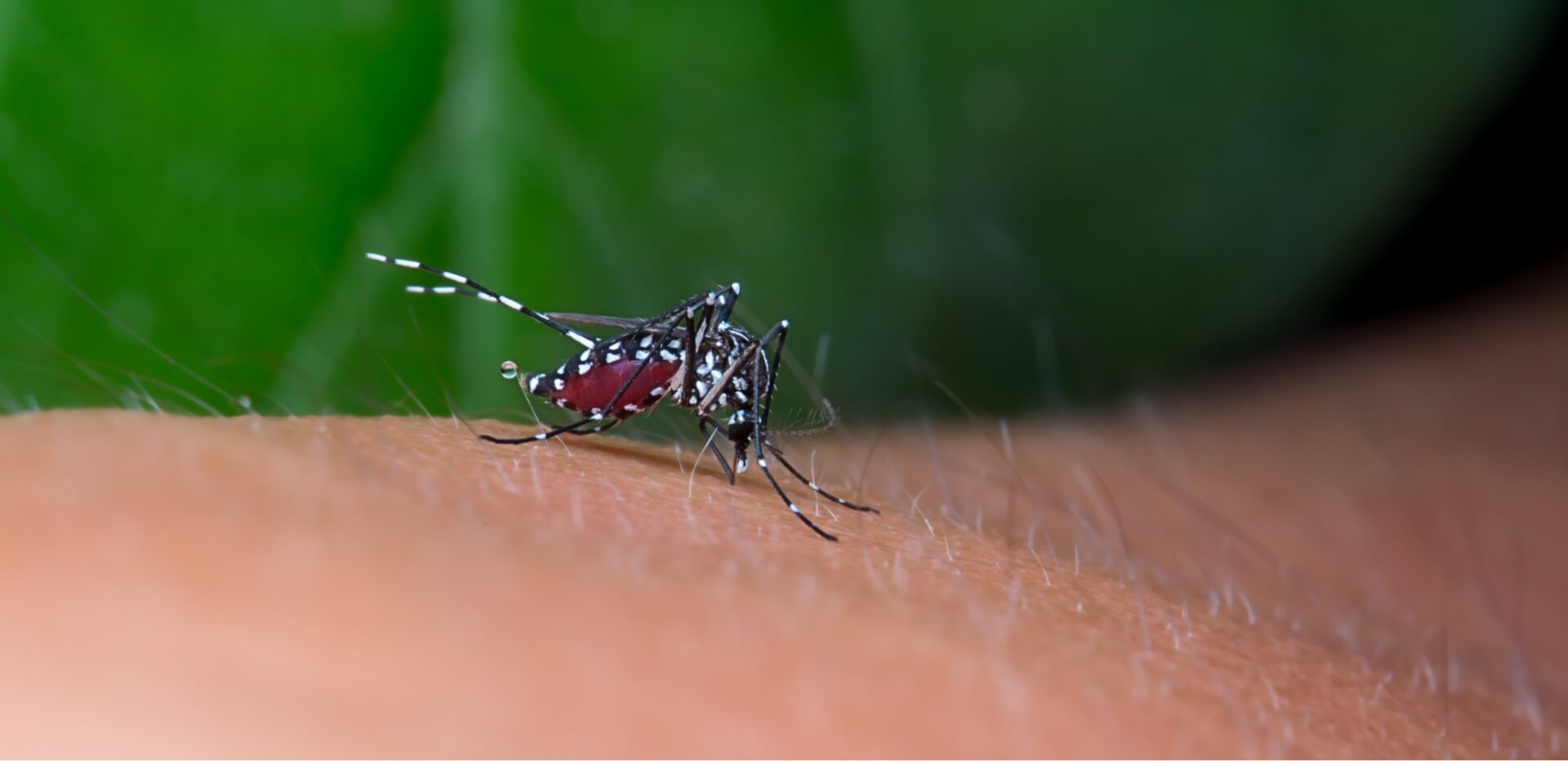
Chikungunya fever is an illness caused by the chikungunya virus, which is transmitted through the bite of infected Aedes mosquitoes. These mosquitoes are most active during the daytime and can breed in small amounts of standing water, making outbreaks more common in warm climates.
How Does the Chikungunya Virus Spread?
It spreads when a mosquito that has bitten an infected person later bites someone else. The infection does not spread through casual contact, food, or drink.
Who Is Most at Risk?
Travellers heading to parts of Africa, Asia, the Caribbean, and South America are at higher risk, especially during rainy seasons when mosquito populations increase.
Is Chikungunya Disease Dangerous?
Most people recover fully, but the joint pain can linger for months in some cases. Severe illness is uncommon but may occur in older adults or those with existing health issues.
What Are the Main Chikungunya Symptoms?
Chikungunya symptoms usually appear within three to seven days after a mosquito bite. The onset is often sudden, and the infection can feel similar to the flu.
What Early Symptoms Should You Look Out For?
Early signs of chikungunya can include:
- High temperature that starts suddenly
- Intense joint pain felt in the hands, wrists, ankles, or knees
- Headache, tiredness, or muscle pain
- Feeling generally unwell or unable to carry out daily tasks
These symptoms can be strong enough to limit movement, which is why the illness is sometimes confused with severe viral arthritis.
Does Chikungunya Cause a Rash?
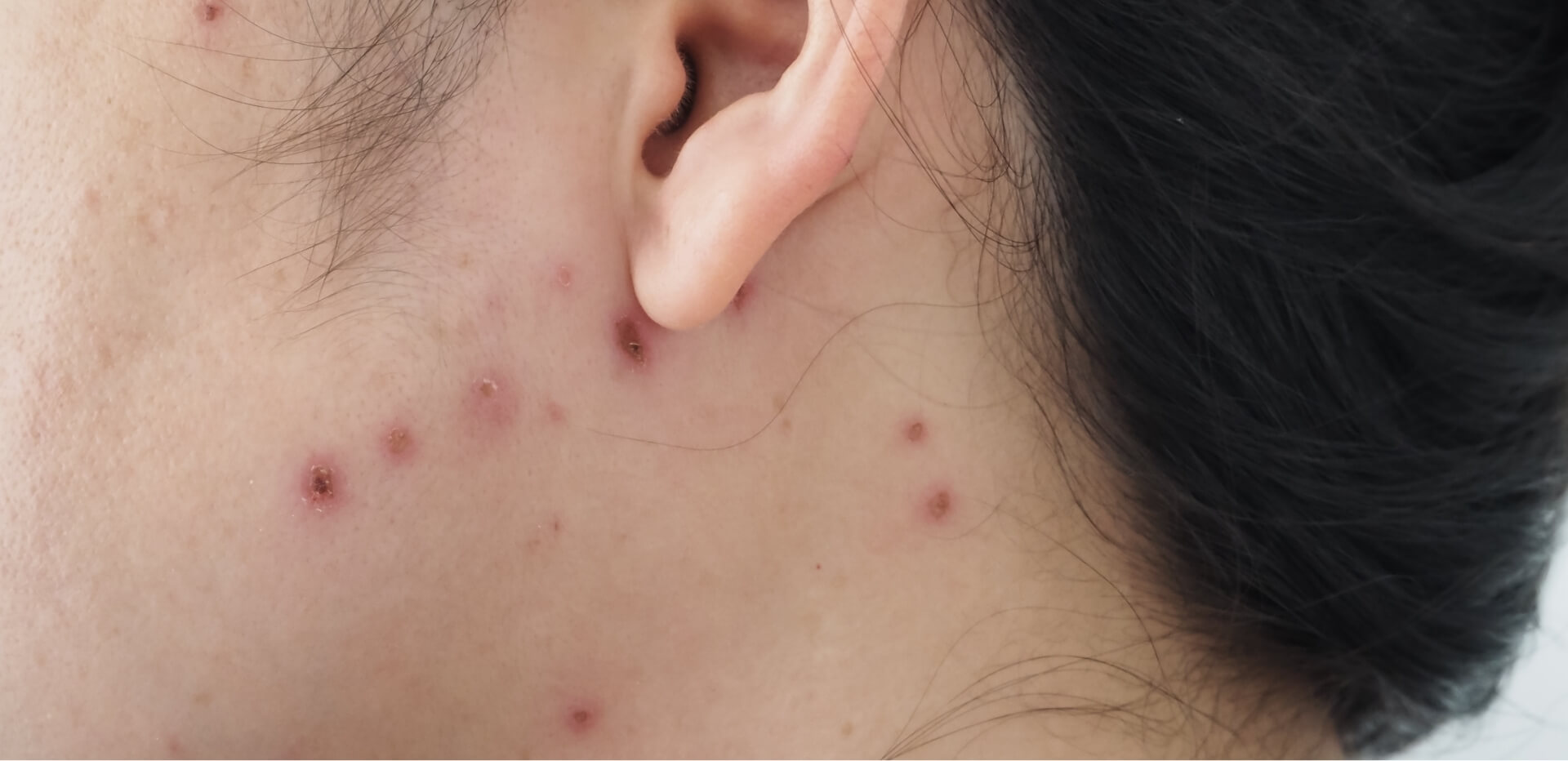
Yes. A chikungunya rash may appear a few days after the fever begins. It often shows up as small red patches across the torso, arms, or legs. Although usually not painful, it can be itchy and uncomfortable.
How Long Do Chikungunya Symptoms Last?
Most people start to feel better within a week. However, joint discomfort can linger for several weeks or months, especially in older adults.
What Causes Chikungunya Fever in the First Place?
The illness is caused by the chikungunya virus, which enters the body through a mosquito bite. The virus multiplies in the bloodstream and triggers inflammation that leads to fever, fatigue, and joint symptoms.
Are There Environmental Causes?
Warm temperatures, rainfall, and areas with standing water allow mosquitoes to thrive. Poor outdoor sanitation and unprotected water collection can raise exposure risks.
Can You Prevent Chikungunya While Travelling?
You can reduce your risk by using mosquito repellent, wearing long clothing, staying in screened accommodation, and avoiding areas with heavy mosquito activity.
When Should You Seek Help for Chikungunya Symptoms?
If you have recently travelled to an affected region and experience sudden fever and joint pain, you should seek assessment. Early advice can help rule out other infections such as dengue, malaria, or Zika, which may require specific care.
What Can Our Pharmacists Help With?
Our pharmacists can guide you on symptom management, safe over-the-counter options, and travel health precautions for future trips. They can also advise on when further medical support may be needed.
Where Can You Get Reliable Travel Health Support in the UK?
If you are preparing for international travel or have returned with possible chikungunya symptoms, speaking with trained travel health professionals can provide reassurance and practical guidance. Touchwood Pharmacy offers support for travellers, prevention advice, and access to relevant vaccines recommended for high-risk destinations where available.
Book your appointment with our experts at Touchwood Pharmacy for personalised travel health guidance and protection before your next trip.
FAQs
Can Chikungunya fever be mistaken for dengue or other illnesses?
Yes, chikungunya fever can easily be mistaken for dengue or Zika because the early symptoms overlap, especially the sudden temperature and joint pain. One key difference is that chikungunya typically causes much stronger joint discomfort that affects movement. Anyone returning from a high-risk area with these symptoms should seek assessment so the right condition can be identified.
How quickly do chikungunya symptoms start after a mosquito bite?
Most people develop symptoms within three to seven days. The fever often begins suddenly, followed by joint pain, tiredness, and sometimes a rash. If you have travelled recently and develop these signs within two weeks of returning, it is important to seek help to rule out other infections.
What does a chikungunya rash look like, and when does it appear?
A chikungunya rash usually appears after the fever begins and looks like small red patches or blotches across the chest, arms, or legs. It can be itchy but is not usually painful. The rash often lasts a few days and fades as the fever settles.
How long does joint pain from chikungunya disease last?
Joint pain often improves within a week, but some people experience lingering discomfort for several weeks or even months. The wrists, hands, ankles, and knees are the most commonly affected areas. Supportive care and rest can help ease the symptoms while the body recovers.
Can you get chikungunya twice?
Reinfection is considered rare because most people develop long-lasting immunity after recovering from the chikungunya virus. However, you can still catch other mosquito-borne infections during future travel, so taking precautions remains important.
Is there treatment for chikungunya symptoms in the UK?
There is no specific antiviral treatment for chikungunya fever, but symptoms can be managed with rest, fluids, and appropriate over-the-counter options. Our pharmacists can advise on the most suitable relief methods and help you understand when additional medical care may be needed.