













Each year, more than 900 dengue cases are reported in returning travellers to the UK alone — the highest number since surveillance began in 2009. This rising trend highlights how globally mobile we are, and how mosquito-borne diseases like dengue and chikungunya are now a greater concern than ever.
Though both chikungunya and dengue fever arise from viruses spread by Aedes mosquitoes and share many overlapping symptoms, there are key differences in how they affect the body, how long they last, and how they are managed. Our pharmacists explain how to distinguish Chikungunya vs dengue fever, identify important symptoms, and what steps you should take to reduce risk and seek care when needed.
What causes chikungunya and dengue fever?
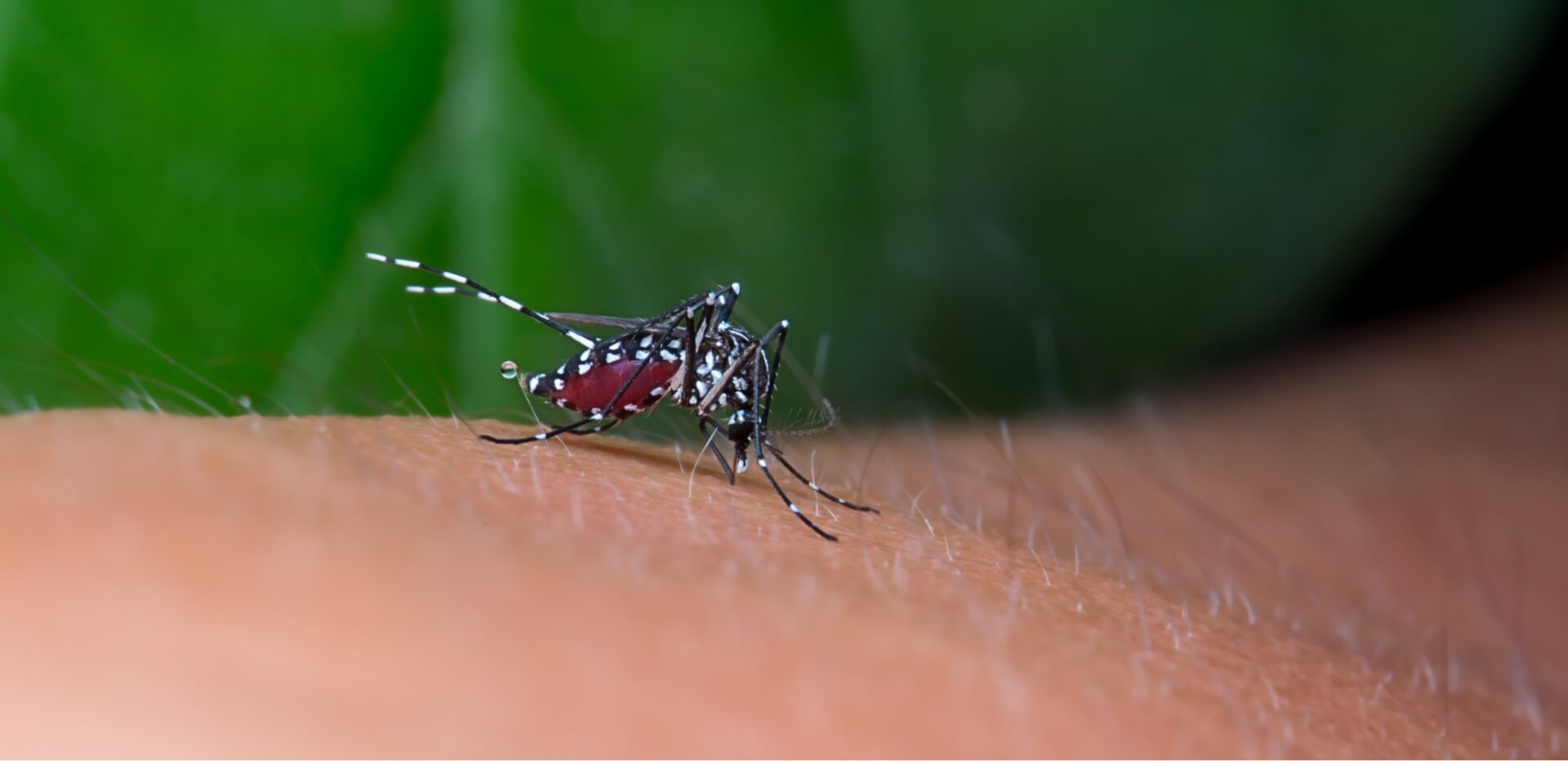
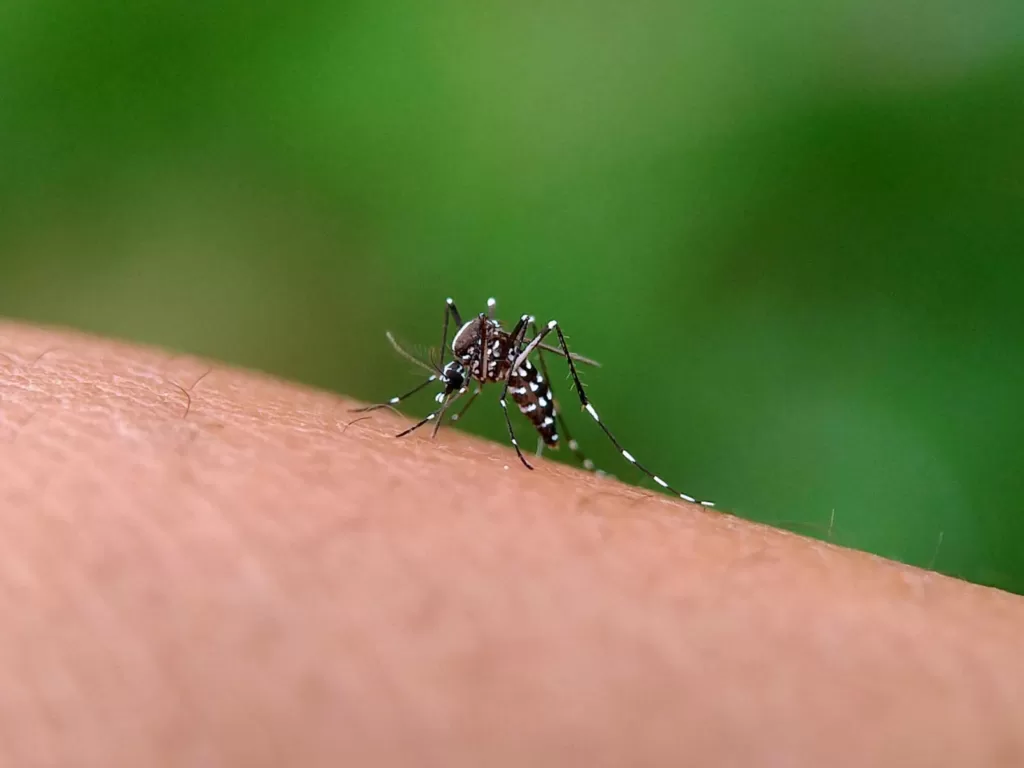
Both diseases are transmitted by the same type of mosquito, but the viruses that cause them are different. Chikungunya is caused by the Chikungunya virus (CHIKV), while dengue fever is caused by the dengue virus (DENV), which has four distinct strains.
You can contract either condition from a single mosquito bite if the mosquito carries the virus. Once infected, symptoms usually appear within 3–7 days.
What are the main chikungunya symptoms?
Chikungunya often begins suddenly with a high fever and severe joint pain. The pain can be intense, affecting the hands, wrists, ankles, and knees.
Other common symptoms include:
- Muscle aches
- Headache
- Rash
- Fatigue
How long does Chikungunya last?
The fever usually lasts 2–3 days, but joint pain can persist for weeks or even months in some people. Chikungunya is rarely fatal, but the lingering pain can make it difficult to carry out daily activities.
What are the main dengue fever symptoms?
Dengue typically causes a high fever accompanied by severe headache, pain behind the eyes, muscle and joint pain, nausea, and rash. Because the symptoms overlap with other illnesses, dengue is sometimes referred to as “breakbone fever” due to its extreme muscle and joint discomfort.
What are the warning signs of severe dengue?
In rare cases, dengue can progress to a severe form known as dengue haemorrhagic fever or dengue shock syndrome.
Seek urgent medical attention if symptoms include:
- Persistent vomiting
- Bleeding gums or nose
- Severe abdominal pain
- Difficulty breathing
- Extreme tiredness or restlessness
Severe dengue can be life-threatening if not treated promptly.
How are Chikungunya and Dengue diagnosed?
Both conditions can only be confirmed through blood tests. Since early symptoms are similar, laboratory testing helps identify the specific virus present. Our pharmacists recommend getting tested if you have recently travelled to an area where mosquito-borne diseases are common and develop fever or joint pain soon after.
What are the treatment options for Chikungunya and Dengue Fever?
There is no specific antiviral for either illness. Supportive care is the mainstay, with careful pain and fever control and close monitoring for any warning signs.
Chikungunya treatment
Focus on rest, fluids and simple analgesia to ease fever and joint pain. Non-steroidal anti-inflammatory medicines can be considered for persistent joint pain only after dengue has been safely excluded, because NSAIDs can worsen bleeding if dengue is present. Our pharmacists can advise on safe options for you.
Dengue treatment
Treatment is supportive. Rest, drink plenty of fluids and use paracetamol for fever and pain. Do not take ibuprofen or aspirin because they can increase bleeding risk in dengue. Seek urgent care if warning signs develop, such as severe tummy pain, persistent vomiting, bleeding, or difficulty breathing.
Is there a vaccine for Chikungunya or Dengue Fever?
Yes. A chikungunya vaccine (IXCHIQ) is now authorised in the UK for adults.
For dengue, the vaccine Qdenga is also licensed and may be offered privately for travellers at risk.
Our pharmacists can guide you on whether these vaccines are suitable for your trip and how to schedule them.
How can you protect yourself from mosquito-borne infections?
Prevention is the best protection. To reduce your risk:
- Use mosquito repellents containing DEET.
- Wear long sleeves and trousers.
- Sleep under mosquito nets when travelling to tropical regions.
- Avoid areas with stagnant water, as they attract mosquitoes.
When should you seek help?
If you experience a high fever, severe joint or muscle pain, or any signs of bleeding after travelling to an area where these diseases occur, seek immediate medical advice. Early testing helps ensure proper care and prevents complications.
Stay safe with expert travel health support
Both chikungunya and dengue fever can cause significant discomfort and, in the case of dengue, serious complications. Understanding the symptoms and knowing how to prevent infection can make a big difference.
Book your appointment with our experts at Touchwood Pharmacy for travel vaccinations and personalised prevention advice before your next trip.
FAQs
How can you tell the difference between chikungunya and dengue fever?
The main difference lies in joint pain and complications. Chikungunya causes intense, long-lasting joint pain that can persist for weeks, while dengue fever often causes more severe muscle pain and may lead to bleeding or shock in advanced cases. Blood tests are the only way to confirm which virus is responsible.
Is chikungunya more dangerous than dengue fever?
Chikungunya is rarely fatal but can cause chronic joint pain that affects quality of life. Dengue fever, however, can become life-threatening if it progresses to severe dengue or dengue shock syndrome, which can lead to internal bleeding and organ damage. Early diagnosis is essential for both conditions.
Can you get chikungunya and dengue at the same time?
Yes, it is possible to be infected with both viruses simultaneously because they are transmitted by the same mosquito species. Co-infections can make symptoms more severe and recovery longer, so prompt medical testing is essential if both viruses are suspected.
How long does it take to recover from chikungunya or dengue fever?
Most people recover from chikungunya within 1–2 weeks, although joint pain can last longer. Dengue fever recovery generally takes around 2 weeks, but severe cases may require hospital care and a longer recovery period. Staying hydrated and resting are vital for both illnesses.
Is there a chikungunya vaccine available in the UK?
Yes. A chikungunya vaccine called IXCHIQ has recently been authorised in the UK for adults. Our pharmacists can advise you on the latest availability and whether vaccination is recommended before you travel to areas where chikungunya is common.
What is the best way to prevent chikungunya and dengue fever while travelling?
Use insect repellent containing DEET, wear long sleeves, and avoid areas with standing water where mosquitoes breed. Sleeping under a mosquito net and staying indoors during early morning and late afternoon can also help reduce your risk of infection.