












Hepatitis A and hepatitis B are both liver infections, and both are preventable through vaccination. Yet they are caused by entirely different viruses, spread through different routes, and carry different implications depending on your lifestyle, travel plans, and occupation. The question of hepatitis A vs hepatitis B is not a choice between one or the other for most people: it is about understanding which one, or whether both, are relevant to you.
What Is Hepatitis A?
Hepatitis A is caused by the hepatitis A virus (HAV), a highly contagious infection spread primarily through contaminated food and water. It is most prevalent in regions where sanitation standards are lower, including parts of South Asia, sub-Saharan Africa, Central and South America, and parts of the Middle East and Eastern Europe.
Most people with hepatitis A recover fully without treatment, and infection typically confers lifelong immunity. However, the illness can cause weeks of debilitating symptoms, including jaundice, profound fatigue, nausea, and abdominal pain. In older adults and those with pre-existing liver conditions, it can occasionally be severe. There is no specific antiviral treatment: prevention through the hepatitis A virus vaccine is far preferable.
What Is Hepatitis B?
Hepatitis B is caused by the hepatitis B virus (HBV), which is transmitted through blood, sexual contact, and from mother to child during birth. Unlike hepatitis A, it is not spread through food or water. Hepatitis B can lead to chronic infection, and long-term carriers face a significantly increased risk of liver cirrhosis and liver cancer.
In the UK, the hepatitis B vaccine is offered on the NHS to specific at-risk groups, including healthcare workers, people who inject drugs, those with multiple sexual partners, and individuals with chronic liver disease. It is also part of the routine childhood immunisation programme in the UK. For those outside these groups who want vaccination for private reasons, including travel to endemic regions or occupational risk not covered by NHS provision, a private hepatitis B vaccine is readily accessible.
Hepatitis A vs Hepatitis B: A Side-by-Side Comparison
| Category | Hepatitis A | Hepatitis B |
| Caused by | Hepatitis A virus (HAV) | Hepatitis B virus (HBV) |
| How it spreads | Contaminated food and water (faecal-oral route) | Blood, sexual contact, mother to child |
| Chronic infection? | No — most recover fully | Yes — can become chronic and cause long-term liver damage |
| Main risk groups | Travellers to endemic regions; those with limited prior exposure | Healthcare workers; people with certain lifestyle risk factors; travellers to some regions |
| NHS funded? | Not routinely; sometimes available via GP for specific risk groups | Yes — for defined at-risk groups; routine childhood programme since 2017 |
| Private option? | Yes — widely available as travel vaccine | Yes — available from registered pharmacies and clinics |
| Doses (standard) | 2 doses: initial dose + booster at 6–12 months | 3 doses over 6 months; accelerated schedules available |
| Protection duration | Likely lifelong after full 2-dose course | Likely lifelong after full 3-dose course |
| Combined vaccine? | Yes — Twinrix combines hepatitis A + B in one course | Yes — see above |
Note: NHS eligibility criteria may change. Confirm current provision with your GP or pharmacist at the time of booking.
The Hepatitis A Travel Vaccine: Who Needs It?
For most UK travellers, the hepatitis A vaccine is the more immediately relevant of the two. The hepatitis A virus is widespread in countries with lower sanitation standards, and travellers can be exposed through contaminated water, ice, shellfish, salads, and street food, even in apparently good-quality restaurants.
The hepatitis A travel vaccine is recommended for anyone travelling to endemic regions who has not previously been vaccinated or had a confirmed hepatitis A infection. This includes:
- Travellers to South Asia, including India, Pakistan, Bangladesh, and Sri Lanka
- Those visiting sub-Saharan Africa, parts of North Africa, the Middle East, and South and Central America
- People visiting friends and relatives (VFR travellers) in endemic regions, who may be at higher risk due to closer community contact and local food and water consumption
- Travellers to Eastern Europe and parts of the Mediterranean who have no prior immunity
A single dose of the hepatitis A vaccine before travel provides good short-term protection. A booster at six to twelve months after the first dose extends protection, likely for life, meaning you will not need to repeat the vaccine for future travel.
The Hepatitis B Vaccine: Who Needs It?
The hepatitis B vaccine is most relevant to those with specific occupational, lifestyle, or travel-related risk factors. In the UK, NHS provision covers defined groups, but a private hepatitis B vaccine is a practical option for those whose risk falls outside NHS criteria.
Who Should Consider Private Hepatitis B Vaccination?
- Travellers to regions where hepatitis B is highly endemic and who may have medical procedures, tattoos, or sexual contact during their trip
- People who have not completed the childhood hepatitis B vaccination programme and wish to ensure full protection
- Adults in occupations involving potential blood exposure outside NHS-covered roles
- Those travelling long-term or living abroad in endemic regions
An accelerated hepatitis B vaccination schedule is available for travellers who need protection quickly before departure. Your pharmacist can advise on the most appropriate schedule for your timeframe.
Should You Get Both? The Combined Hepatitis Vaccine
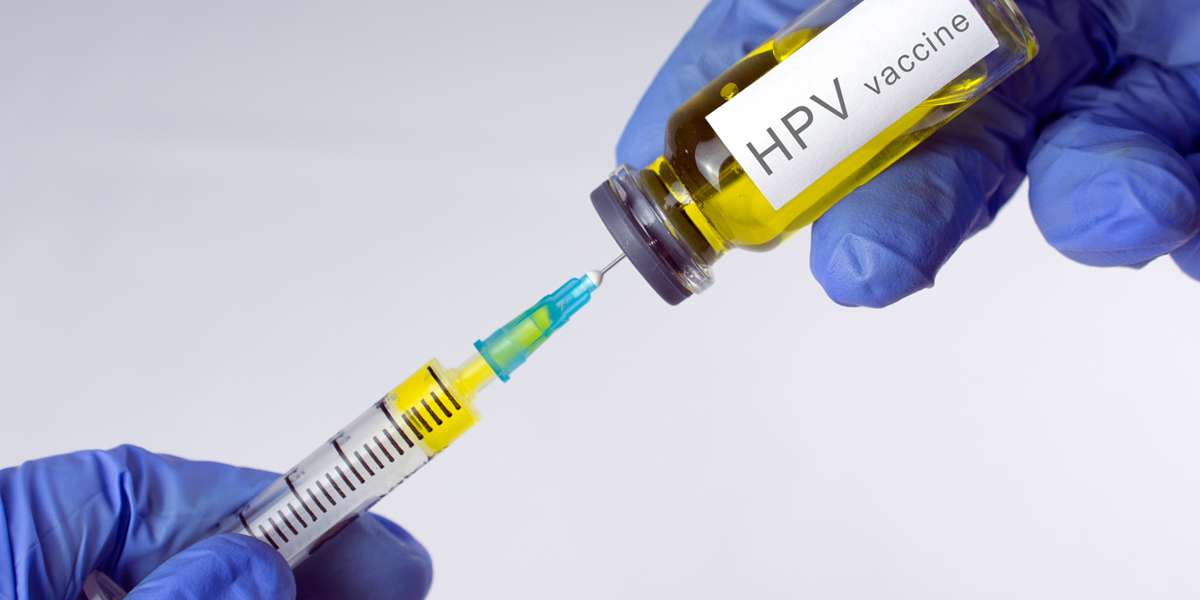
If both hepatitis A and hepatitis B vaccination are relevant to your circumstances, a combined hepatitis vaccine is available that delivers both in a single course. Twinrix, the most commonly used combination in the UK, requires three doses and offers the convenience of fewer injections while protecting against both viruses.
For travellers who are unsure which hepatitis vaccine they need in the UK, the most straightforward step is a travel health consultation. A pharmacist will review your vaccination history, destination, and risk factors to recommend the most appropriate approach, whether that is hepatitis A alone, hepatitis B alone, or both together.
How to Book a Hepatitis Vaccine in the UK
Hepatitis vaccination should ideally be arranged at least two to four weeks before travel, and further in advance if a full course is needed. At Touchwood Pharmacy, our pharmacists can advise on hepatitis A, hepatitis B, and the combined option, and administer vaccination at a time that suits you.
Book your appointment with our experts at Touchwood Pharmacy for personalised travel health advice and access to hepatitis vaccines in the UK.
This article is for informational purposes only and does not constitute medical advice. NHS eligibility for hepatitis vaccines is subject to change. Always consult a qualified healthcare professional to confirm which vaccination is appropriate for your individual circumstances.
Frequently Asked Questions (FAQ’s)
What is the difference between hepatitis A and hepatitis B?
Hepatitis A is a short-term liver infection spread through contaminated food and water. It does not become chronic, and most people recover fully. Hepatitis B is spread through blood and sexual contact, can become a chronic infection, and is associated with long-term liver disease and cancer risk. Both are preventable through vaccination, but the vaccines are different, and the risk factors for each vary considerably.
Is the hepatitis A vaccine free on the NHS?
The hepatitis A vaccine is not routinely available free on the NHS for most travellers. It may be offered through a GP in specific circumstances, such as for people with chronic liver disease or certain occupational risks. Most travellers will access it as a private travel vaccination. The hepatitis B vaccine is available free on the NHS for defined at-risk groups, and as part of the routine childhood immunisation programme.
How long does the hepatitis A vaccine last?
A single dose of the hepatitis A vaccine provides good short-term protection, typically for around one year. A booster dose given six to twelve months later is likely to provide lifelong protection for most people. You do not generally need to repeat the hepatitis A travel vaccine for subsequent trips once the full two-dose course is complete.
Can I get the hepatitis A and B vaccines together?
Yes. A combined hepatitis A and B vaccine (Twinrix) is available in the UK and requires three doses. It protects against both viruses in a single course, which is convenient for travellers who need both. An accelerated schedule is available for those with limited time before departure. Your pharmacist will advise which schedule is appropriate for your timeframe.
Do I need the hepatitis B vaccine for travel?
It depends on your destination and travel style. The hepatitis B vaccine for travel is recommended for those visiting highly endemic regions (including parts of sub-Saharan Africa, South East Asia, and South Asia) where exposure through medical care, tattoos, or sexual contact is possible. Long-term travellers and those living abroad in endemic countries should particularly consider it. A travel health consultation will help you assess whether it is relevant for your specific trip.
Is the hepatitis B vaccine available privately?
Yes. A private hepatitis B vaccine is available through registered pharmacies and travel health clinics, including Touchwood Pharmacy. It is a practical option for adults who fall outside NHS eligibility criteria but have a specific occupational, lifestyle, or travel-related reason to want protection. Accelerated schedules are available for those who need coverage before travel at short notice.