












You have booked your flights, sorted your accommodation, and started counting down to your trip. Then someone casually asks, “Have you had your yellow fever jab? And what about malaria tablets?” Suddenly, what felt like a simple mosquito bite risk becomes a serious health question.
The confusion around yellow fever vs malaria is common. Both are spread by mosquitoes, both occur in similar parts of the world, and both can cause high fever. But they are not the same illness, and the protection you need for each is very different. Understanding those differences before you travel can make a real impact on how safely you prepare and how quickly you act if you feel unwell afterwards.
What causes yellow fever and malaria?
Yellow fever and malaria are both spread by mosquito bites, but they are caused by different pathogens.
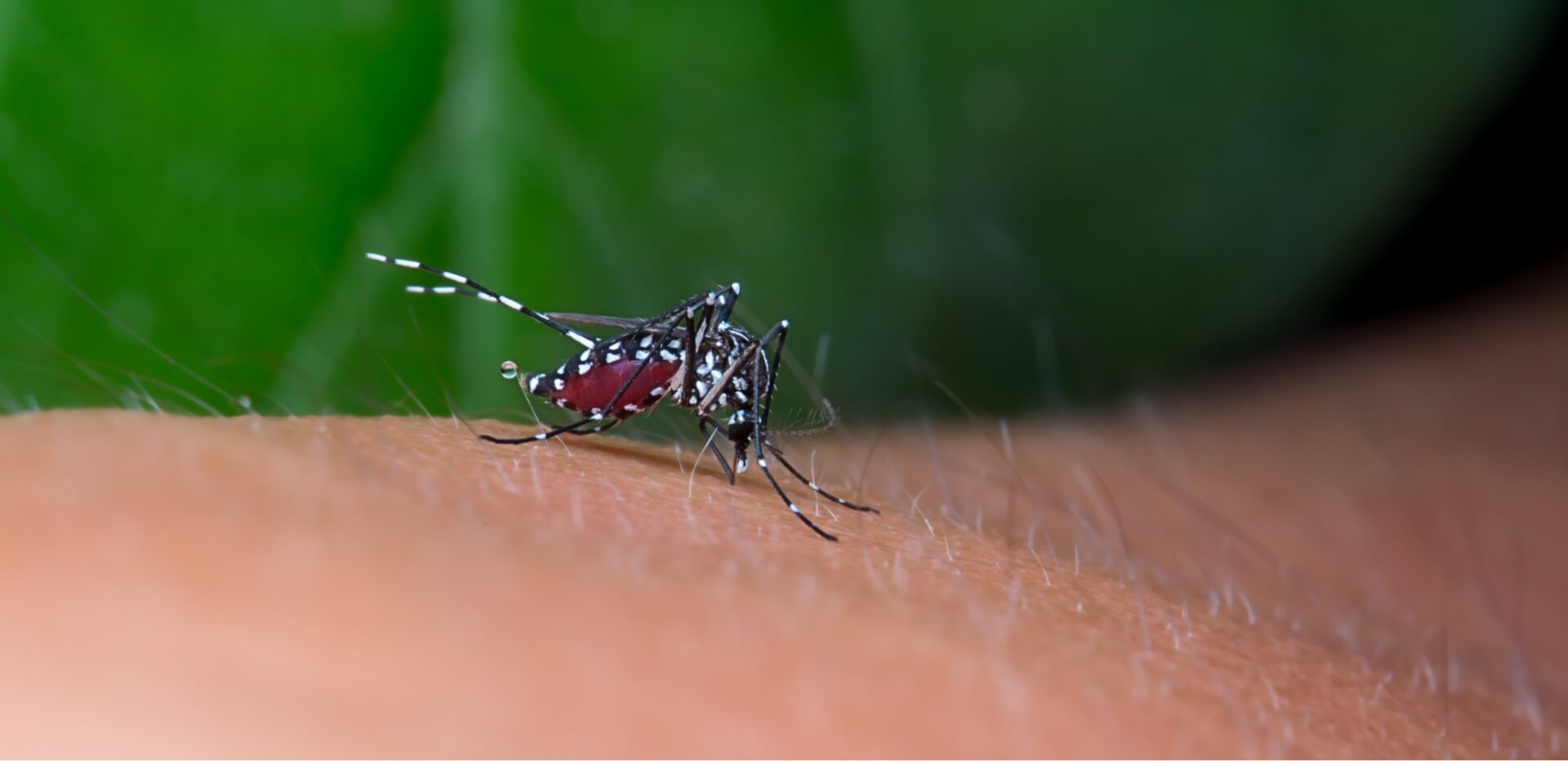
Yellow fever is caused by a virus. It is transmitted by infected Aedes mosquitoes, mainly in parts of sub-Saharan Africa and tropical South America.
Malaria is caused by parasites from the Plasmodium family. These parasites are spread by Anopheles mosquitoes. There are several types of malaria, and some are more severe than others.
What are the main types of malaria?
There are five recognised types of malaria that infect humans:
- Plasmodium falciparum, the most severe and common in Africa.
- Plasmodium vivax.
- Plasmodium ovale.
- Plasmodium malariae.
- Plasmodium knowlesi.
Plasmodium falciparum can become life-threatening quickly if not treated. This is why malaria prevention and early testing are so important for UK travellers.
What are the symptoms of yellow fever vs malaria?
Yellow fever symptoms and malaria symptoms can look similar at first, which makes medical assessment important after travel.
Yellow fever symptoms usually develop three to six days after a bite. Early signs include:
- Sudden fever.
- Headache.
- Muscle pain, especially in the back.
- Nausea and vomiting.
- Fatigue.
In more severe cases, yellow fever can cause jaundice, which is yellowing of the skin and eyes, bleeding, and organ failure.
Malaria symptoms can appear seven days or more after exposure. Common signs include:
- High fever.
- Chills and sweating.
- Headache.
- Muscle aches.
- Feeling generally unwell.
With some types of malaria, especially Plasmodium falciparum, symptoms can become severe within 24 hours. Confusion, breathing difficulty, or seizures require urgent hospital care.
According to the NHS, malaria remains a serious imported infection in the UK, particularly in people who travel without appropriate malaria prevention.
Is there a vaccine for yellow fever or malaria?
There is an effective yellow fever vaccine, but there is no widely available malaria vaccine for routine UK travellers.
What should I know about the yellow fever vaccine?
The yellow fever vaccine provides long-lasting protection and is often required for entry into certain countries. It is given at designated vaccination centres.
Some people experience mild yellow fever vaccine symptoms, such as:
- Soreness at the injection site.
- Mild fever.
- Headache.
- Muscle aches.
Serious side effects are rare, but suitability must be assessed carefully. Our pharmacists review your medical history before recommending the vaccine.
Why is malaria prevention different?
Malaria prevention relies on antimalarial tablets and bite avoidance rather than vaccination.
Malaria prevention usually includes:
- Taking prescribed antimalarial medication before, during and after travel.
- Using insect repellent containing DEET.
- Sleeping under mosquito nets.
- Wearing long sleeves in the evening.
The right tablets depend on your destination, length of stay, and medical history. This is why personalised advice is essential.
Which is more dangerous, yellow fever or malaria?
Both conditions can be life-threatening if untreated, but risk depends on location, immunity, and access to care.
Yellow fever can cause severe complications in a small percentage of cases, particularly affecting the liver.
Malaria, especially Plasmodium falciparum, can become critical very quickly and is one of the most serious tropical infections worldwide.
The key difference in the yellow fever vs malaria discussion is that one is preventable with a single vaccine in most cases, while the other requires ongoing medication and strict bite precautions.
How can you protect yourself before travelling?
The best protection starts with a travel health consultation at least six to eight weeks before departure.
During your appointment, our pharmacists will:
- Review your destination and itinerary.
- Assess your vaccination history.
- Recommend the yellow fever vaccine if required.
- Prescribe suitable antimalarial tablets if needed.
- Provide clear advice on malaria prevention and mosquito avoidance.
If you develop a fever after returning to the UK, especially within one year of travel to a malaria risk area, you must seek urgent medical assessment and mention your travel history.
Planning safe travel from the UK
Understanding yellow fever vs malaria is not just about symptoms. It is about choosing the right protection for your destination and reducing avoidable risk.
Travel health advice should always be personalised. Age, pregnancy status, long-term conditions, and previous vaccinations all influence what is appropriate.
Book your appointment with our experts at Touchwood Pharmacy for personalised travel vaccination and malaria prevention advice before your trip.
FAQs
Can you catch yellow fever and malaria in the same country?
Yes, in some parts of sub-Saharan Africa and South America, both infections are present. This means you may need the yellow fever vaccine and malaria prevention tablets for the same trip.
How do I know if my fever after travel is malaria or yellow fever?
You cannot tell based on symptoms alone. Both can cause fever, headache and muscle aches. If you develop a fever after visiting a risk area, you need urgent medical assessment and must mention your travel history.
How long after a mosquito bite do yellow fever symptoms start?
Yellow fever symptoms usually begin three to six days after being bitten by an infected mosquito. Early signs include sudden fever, back pain, headache and nausea.
How soon do malaria symptoms appear after returning to the UK?
Malaria symptoms can appear from seven days after exposure but sometimes weeks or months later, depending on the types of malaria involved. Any unexplained fever after travel should be treated as urgent.
Do I always need the yellow fever vaccine for Africa?
Not always. Vaccine requirements depend on the specific country and sometimes even the region within that country. Some destinations require proof of vaccination for entry, while others only recommend it.
What is the best way to prevent malaria when travelling?
The most effective malaria prevention combines antimalarial tablets with strict bite avoidance. This includes using insect repellent with DEET, sleeping under mosquito nets and covering exposed skin in the evening.