You plan your itinerary, book your stay, and look forward to the experience, but health risks are rarely at the top of that list. In some destinations, however, infections like cholera are still a real concern, especially where clean water and sanitation are limited. It is not always obvious, and that is what makes it easy to miss until symptoms begin.
Cholera symptoms can develop quickly and may become serious if not treated early. For travellers, understanding how the infection spreads, what to look out for, and how to prevent it can make a meaningful difference. A bit of awareness before you travel can help you stay safe, avoid disruption, and focus on enjoying your trip with greater confidence.
What are cholera symptoms, and how do they appear?
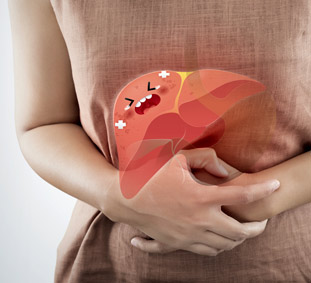
Cholera symptoms usually begin suddenly and mainly affect the digestive system, often causing severe diarrhoea and dehydration.
The most common cholera symptoms include:
- Frequent watery diarrhoea.
- Vomiting.
- Muscle cramps.
- Rapid dehydration.
- Feeling very weak or tired.
How quickly do symptoms develop?
Symptoms can appear within a few hours to five days after infection. In many cases, they come on quickly and worsen without treatment.
Are cholera virus symptoms always severe?
Cholera virus symptoms are not always severe. Some people have mild symptoms or none at all, but they can still spread the infection to others.
Why is dehydration a major concern?
Severe diarrhoea can lead to rapid fluid loss. Without prompt care, dehydration can become life-threatening, especially in children and older adults.
What are the causes of cholera?
The causes of cholera are linked to consuming contaminated food or water, particularly in areas with poor sanitation.
Cholera is caused by bacteria found in:
- Untreated or unsafe drinking water.
- Raw or undercooked seafood.
- Food handled in unhygienic conditions.
Is cholera caused by a virus?
Cholera is sometimes mistaken for a viral infection, but it is actually caused by bacteria. This misunderstanding can lead to confusion about how the illness spreads and is treated.
Where is cholera most common?
Cholera is more common in parts of Africa, Asia, and some regions of the Middle East and South America where clean water access may be limited.
What cholera treatment options are available in the UK?
Cholera treatment focuses on replacing lost fluids and salts quickly to prevent complications.
The main approaches to cholera medical treatment include:
- Oral rehydration solutions to restore fluids.
- Intravenous fluids in more severe cases.
- Antibiotics in certain situations to reduce the duration of illness.
Can cholera be treated at home?
Mild cases can sometimes be managed at home using oral rehydration solutions. However, medical advice should always be sought if symptoms are severe.
How effective is early cholera treatment?
Early cholera treatment is highly effective. Most people recover fully if treated promptly, which is why recognising symptoms early is important.
How to prevent cholera when travelling?
Knowing how to prevent cholera is key if you are travelling to higher-risk areas.
Simple precautions include:
- Drinking bottled or properly treated water.
- Avoiding ice in drinks unless you know it is safe.
- Eating freshly cooked food that is served hot.
- Avoiding raw seafood and unpeeled fruits.
- Washing hands regularly with soap or sanitiser.
Is the cholera vaccine recommended for travel?
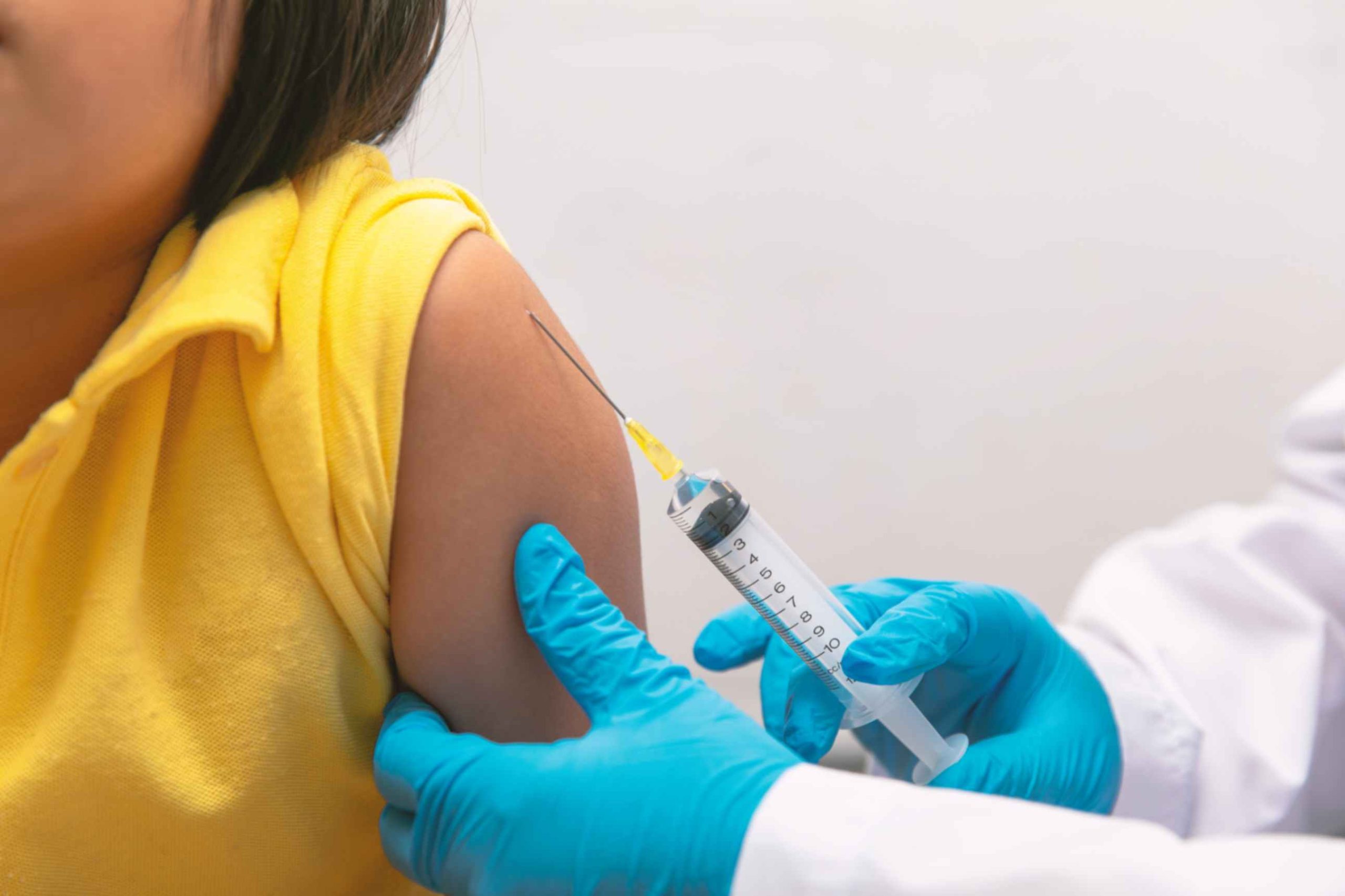
A cholera vaccine is available for travellers visiting high-risk areas. It provides added protection but does not replace basic hygiene measures.
When should travellers seek expert advice?
It is best to speak to our pharmacists before travelling, especially if you are visiting areas where cholera is more common. They can advise on vaccines and prevention steps.
When should you seek medical help for cholera symptoms?
You should seek medical help immediately if you notice signs of dehydration or persistent diarrhoea after travel.
Watch out for:
- Very dry mouth or thirst.
- Little or no urination.
- Sunken eyes.
- Dizziness or confusion.
Prompt care can prevent serious complications and support a full recovery.
How can UK travellers stay safe from cholera risks?
Staying informed and prepared is the best way to reduce your risk while travelling.
Understanding cholera symptoms, knowing the causes of cholera, and following prevention steps can help you travel with confidence. Simple habits like safe eating, clean drinking water, and good hygiene can significantly lower your chances of infection.


If you are planning a trip, getting personalised advice ensures you are fully prepared for your destination.
Book your appointment with our experts at Touchwood Pharmacy for travel health advice and cholera prevention support before your trip.
FAQs
How do I know if diarrhoea is caused by cholera or something else?
Cholera diarrhoea is usually very watery, frequent, and can lead to rapid dehydration. If symptoms are severe or follow travel to high-risk areas, seek medical advice promptly.
How long does cholera last if treated properly?
With proper cholera treatment, symptoms often improve within a few days. Early rehydration can shorten recovery time and reduce the risk of complications.
Can you catch cholera from another person directly?
Cholera does not usually spread through direct contact. It is mainly transmitted through contaminated food or water, though poor hygiene can increase indirect spread.
Is it safe to travel to countries where cholera is present?
Yes, travel is generally safe if you follow precautions. Knowing how to prevent cholera, such as safe food and water practices, significantly reduces your risk.
Do I need a cholera vaccine before travelling abroad?
A cholera vaccine may be recommended if you are travelling to high-risk areas or staying for longer periods. Our pharmacists can advise based on your destination.
What should I do if I develop cholera symptoms while abroad?
Start rehydration immediately using oral rehydration solutions and seek medical help as soon as possible, especially if you have signs of dehydration or ongoing diarrhoea.