












It can start with something that does not quite make sense. A patch of skin feels overly sensitive, clothes brushing against it suddenly feel uncomfortable, or there is a deep, nagging pain that seems to sit under the surface rather than on it. Nothing is visible yet, which makes it easy to dismiss.
These early signs of shingles are often missed because they do not look like a typical rash at first. By the time visible symptoms appear, the discomfort can already be more intense. Understanding these shingles beginning signs early can help you recognise what is happening sooner and take the right steps before it progresses further.
What are the early signs of shingles?
The early signs of shingles usually appear a few days before the rash and can feel quite subtle at first.
You may notice:
- Tingling or burning in a specific area
- Sharp or aching pain on one side of the body
- Itching or sensitivity to touch
- Mild fever or fatigue
These early sign shingles symptoms often affect the chest, back, or face. Because they can resemble other conditions, they are sometimes mistaken for muscle strain or skin irritation.
How does mild early shingles feel at the start?
Mild early shingles can feel uncomfortable rather than severe, which is why it is often overlooked.
Is pain always present in early shingles?
Pain is one of the most common symptoms, but it varies. Some people feel a dull ache, while others notice a sharp, nerve-like pain in one area.
Can itching be an early symptom?
Yes, itching or tingling can appear before the rash. This is often mistaken for a minor skin issue but is actually a key warning sign.
Do flu-like symptoms occur early on?
Some people experience tiredness, headache, or a slight temperature before the rash appears. These symptoms may seem unrelated but can be part of the early phase.
What do the stages of shingles rash look like?
The stages of shingles rash follow a predictable pattern once the condition progresses.
- Early stage: Tingling, pain, or sensitivity without a rash
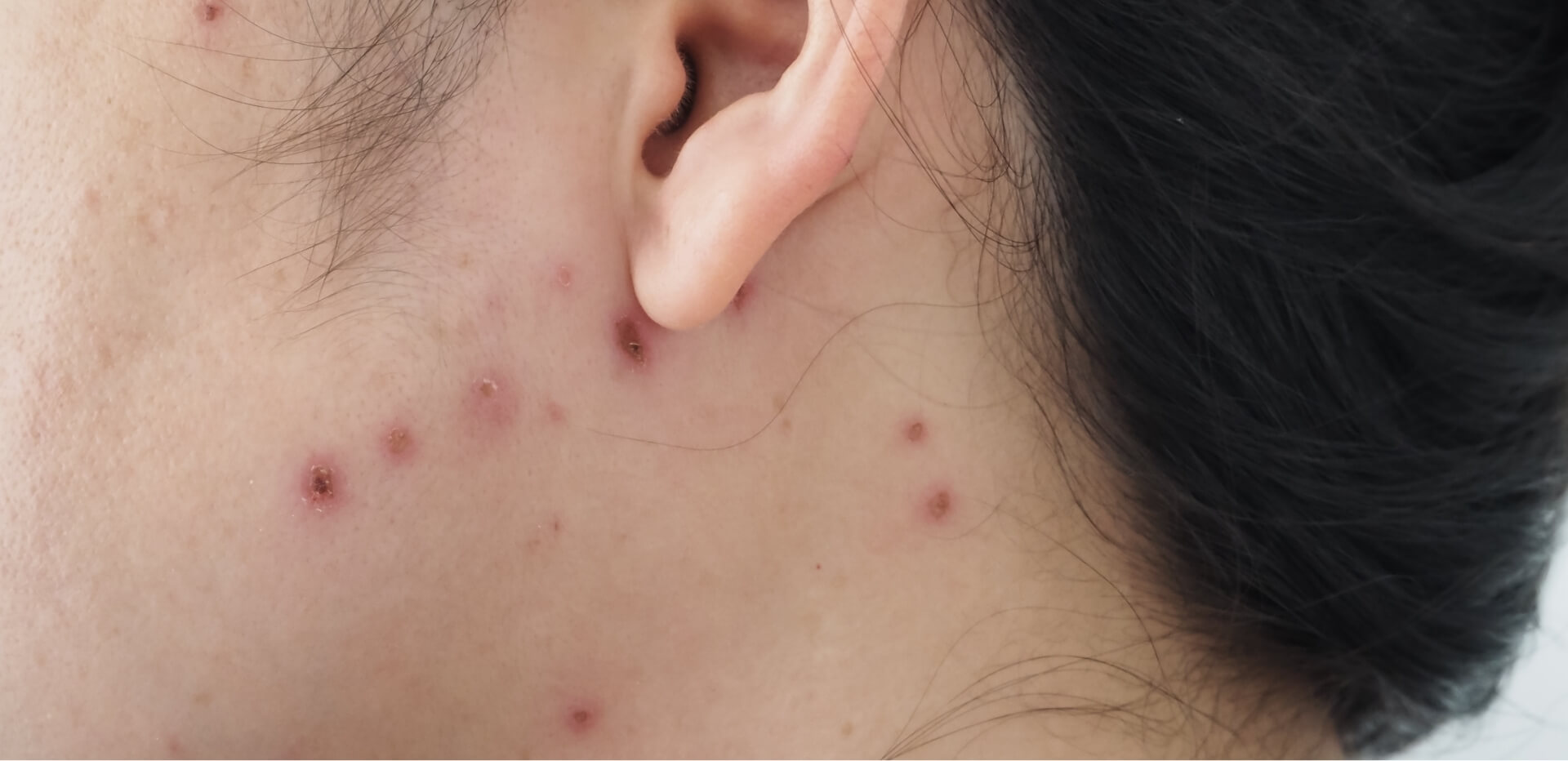
- Rash stage: Red patches appear, usually on one side of the body
- Blister stage: Fluid-filled blisters form and may burst
- Healing stage: Blisters dry out and scab over
Understanding these stages of shingles rash helps you identify when symptoms are progressing and when to seek advice.
Can you catch shingles from someone else?
You cannot catch shingles directly, but the virus behind it can spread in certain situations.
How does shingles spread?
Shingles is caused by the same virus as chickenpox. If someone has active blisters, the virus can spread through direct contact with the fluid.
Who is at risk of catching it?
People who have never had chickenpox or the vaccine may develop chickenpox if exposed, not shingles.
When should you avoid contact?
It is best to avoid close contact with pregnant individuals, newborns, or those with weakened immune systems until the rash has healed.
How can shingles be prevented?
Vaccination plays an important role in reducing your risk of developing shingles.
What is shingles immunisation?
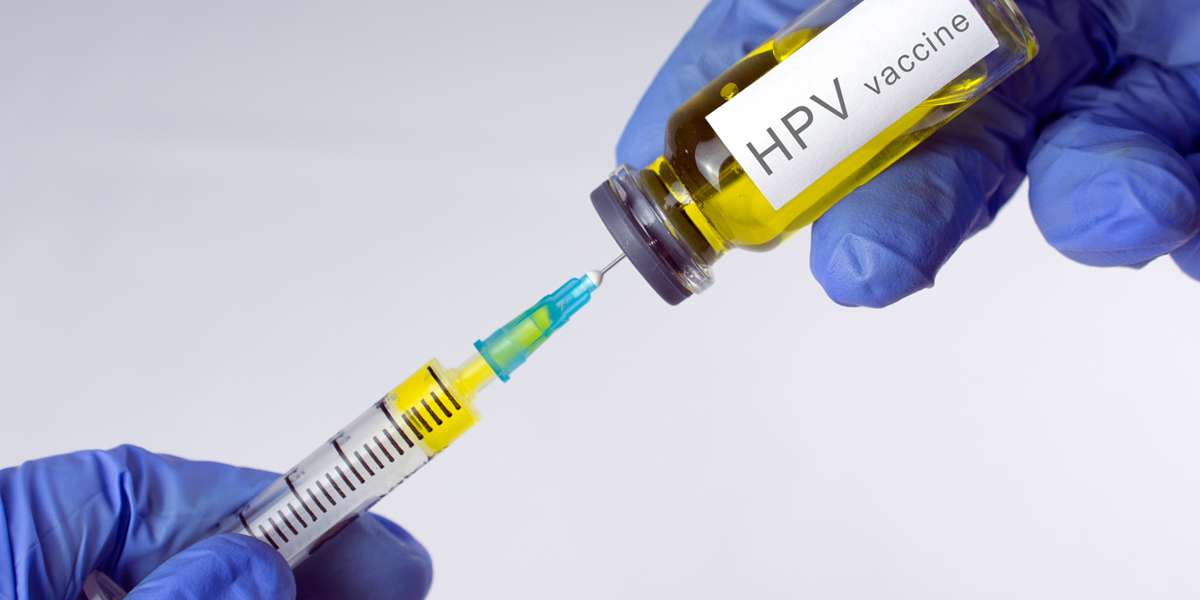
Shingles immunisation helps your immune system recognise and fight the virus more effectively, lowering the chance of an outbreak.
Who should consider the shingles vaccine?
In the UK, the shingles vaccine is typically offered to older adults and those at higher risk. Eligibility can vary, so it is worth checking with our pharmacists.
Does the vaccine stop shingles completely?
The shingles vaccine does not guarantee prevention, but it can significantly reduce the severity and duration if shingles does occur.
When should you seek advice for shingles symptoms?
You should seek advice as soon as you notice possible early signs of shingles, especially if pain or sensitivity is localised to one area.
Early support can help:
- Reduce the severity of symptoms
- Speed up recovery
- Lower the risk of long-term nerve pain
If the rash appears near your eyes or face, prompt attention is particularly important to avoid complications.
Recognising shingles beginning signs early gives you the best chance to manage symptoms effectively and avoid unnecessary discomfort.
Book your appointment with our experts at Touchwood Pharmacy for personalised advice, early shingles assessment, and guidance on shingles vaccination options.
FAQs
How early do shingles symptoms start before the rash appears?
Shingles symptoms can begin 1 to 5 days before the rash appears. Early signs of shingles often include tingling, pain, or sensitivity in a specific area of the body.
What does shingles feel like before the rash develops?
Before the rash, shingles often feels like burning, tingling, or sharp nerve pain on one side of the body. Mild early shingles may also cause itching or skin sensitivity.
Can shingles start without a rash at first?
Yes, shingles can begin without a visible rash. Early shingles symptoms such as pain, tingling, or itching may appear first, making it easy to mistake for other conditions.
Where on the body do shingles usually start?
Shingles commonly starts on one side of the chest, back, or face. The early signs of shingles usually stay localised to one area rather than spreading across the whole body.
Can you have mild shingles without severe symptoms?
Yes, mild early shingles can present with subtle symptoms like slight discomfort, tingling, or itching. However, symptoms can worsen as the stages of shingles rash progress.
How do I know if I need the shingles vaccine?
You may need the shingles vaccine if you are older or at higher risk. Our pharmacists can assess your eligibility and advise on shingles immunisation based on your health history.