







Japanese encephalitis is not the first disease most Asia-bound travellers think about, but for those heading into rural or agricultural settings in the region, it can be one of the most serious. The Japanese encephalitis vaccine is a specialist travel immunisation, not a blanket recommendation for everyone visiting Asia. Whether you need it depends almost entirely on where you are going, what you will be doing, and how long you will be there. This guide helps you work through that question.
What Is Japanese Encephalitis and Why Does It Matter?
Japanese encephalitis (JE) is a viral brain infection caused by a flavivirus transmitted by Culex mosquitoes. It is the leading cause of viral encephalitis in Asia, and whilst most infections are mild or asymptomatic, around one in 250 progresses to severe brain inflammation. Of those with severe disease, up to one-third do not survive, and many survivors are left with lasting neurological disability. There is no specific antiviral treatment.
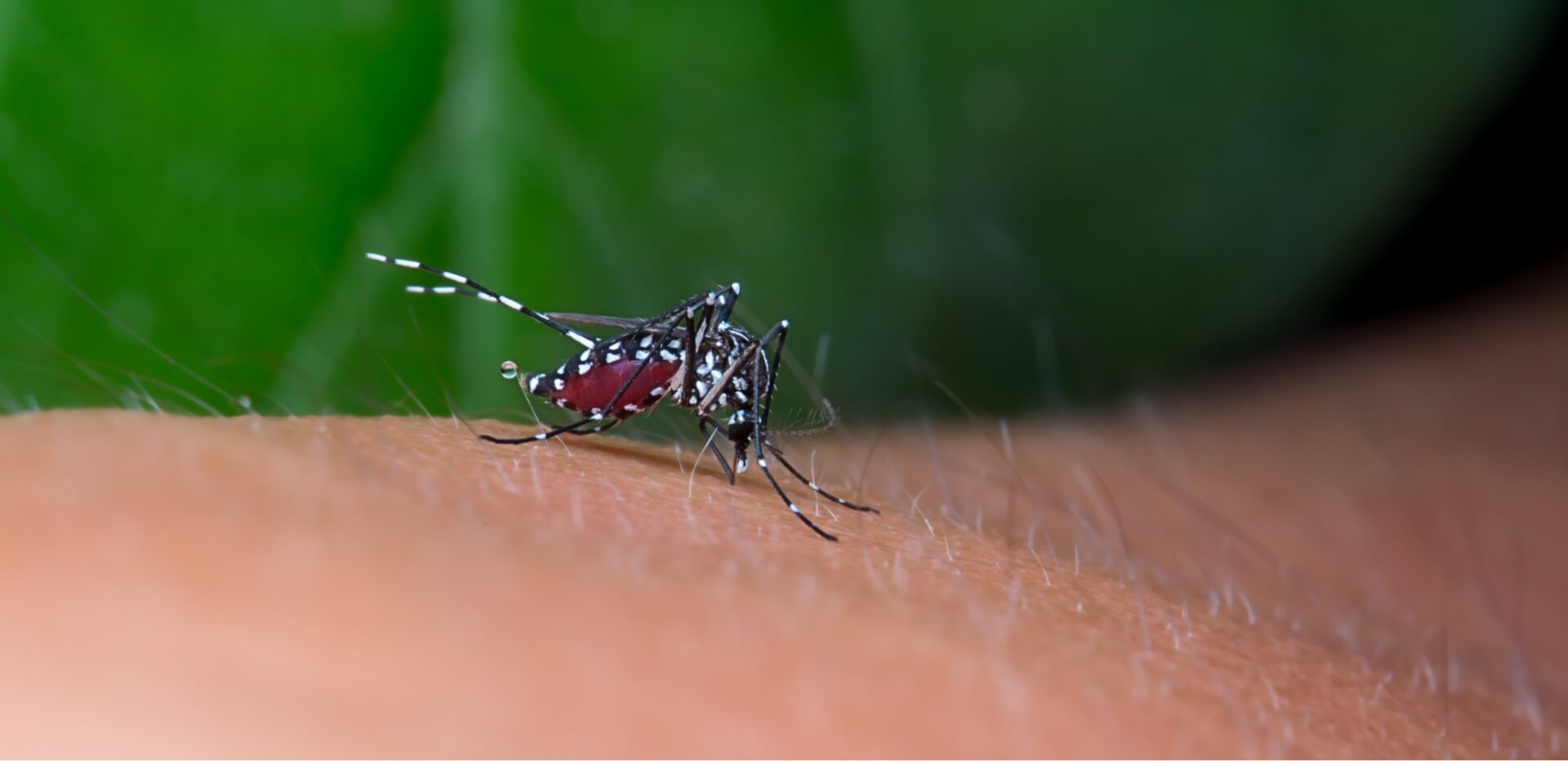
The JE virus circulates in birds and pigs. It is not transmitted from person to person. Transmission to humans happens through the bite of infected Culex mosquitoes, which breed in flooded rice paddies and stagnant water and are most active at dusk and dawn.
Japanese Encephalitis Countries at Risk: Where Is the Vaccine Needed?
Japanese encephalitis is found across a broad sweep of Asia and parts of the western Pacific. The risk is not uniform across these regions: it varies by country, by setting within a country (rural versus urban), and by season. The table below gives a general guide to Japanese encephalitis countries at risk and whether vaccination is typically recommended for travellers.
| Country / Region | JE Risk Level | Vaccine Typically Recommended? |
| India | High | Yes — for rural travel, extended stays, or outdoor activities. Particularly during the monsoon and post-monsoon season. |
| Thailand | Moderate–High | Yes — for rural and northern regions, trekking, cycling, or stays of one month or more. Lower risk in Bangkok. |
| Vietnam | Moderate–High | Yes — for rural areas, agricultural regions, and extended stays. Lower risk in major cities. |
| Indonesia | Moderate–High | Yes, particularly Bali (rice paddies) and rural areas. Urban short stays carry a lower risk. |
| Philippines | Moderate | Yes — for rural and agricultural areas. Short urban visits generally lower risk. |
| Nepal | Moderate–High | Yes, particularly the Terai lowlands and trekking regions during the transmission season (May–October). |
| Myanmar | High | Yes — endemic country with significant risk outside major urban centres. |
| Cambodia / Laos | Moderate–High | Yes — rural and agricultural areas. Recommended for itineraries involving significant outdoor time. |
| China | Moderate (varies regionally) | Yes — for rural areas of affected provinces, particularly the south and central regions, during the summer months. |
| Japan / South Korea | Very low | Not routinely recommended for most travellers. Endemic but well-controlled through vaccination programmes. |
| Australia (Torres Strait) | Low | Considered for those spending extended time in the Torres Strait Islands. Not relevant for mainland Australia. |
Important: This table reflects general guidance at the time of writing. JE risk patterns are seasonal and location-specific within each country. Always check the current TravelHealthPro guidance for your specific destination before travel.
Who Is the Japanese Encephalitis Vaccine For?
Japanese encephalitis immunisation is a specialist travel vaccine recommended for specific travellers rather than all visitors to endemic regions. The vaccine is most strongly indicated for those who are:
- Planning to stay in a JE-endemic country for one month or longer, particularly in rural or agricultural settings
- Undertaking outdoor activities in endemic areas during the transmission season, including trekking, cycling, camping, or wildlife work
- Travelling repeatedly to endemic countries, where the cumulative exposure risk is higher
- Living or working in endemic areas, including expatriates and long-term volunteers
- Visiting rural areas where rice cultivation and pig farming are present, particularly during or after the monsoon season
Short-term travellers staying primarily in urban areas with modern accommodation carry a generally lower risk, though even city-based itineraries can involve rural day trips. The question is not simply which country you are visiting, but what you will be doing and where.
Who Does Not Typically Need the Japanese Encephalitis Vaccine?
The Japanese encephalitis vaccine for travel is not recommended as a blanket measure for all travel in Asia. Travellers who are generally considered at lower risk and for whom vaccination is not routinely indicated include:
- Short-term visitors (under one month) staying exclusively in urban centres with good quality accommodation
- Business travellers with itineraries confined to major cities
- Travellers whose entire trip is within a country with very low JE transmission, such as Japan or South Korea
Even within these lower-risk categories, individual itinerary details matter. A traveller to Bangkok who also plans a week-long rural cycling trip to Chiang Rai would be assessed very differently from one staying entirely in the capital.
Seasonal Risk: When Does Japanese Encephalitis Transmission Peak?
Transmission risk for JE is highest during and after the monsoon season in most affected countries, when Culex mosquito populations are at their greatest. In broad terms:
- South and South East Asia (India, Thailand, Vietnam, Nepal): peak risk broadly May to October, with variation by country and elevation
- China: peak risk from July to September in affected provinces
- Temperate areas (Korea, northern Japan): shorter summer transmission season
Travel outside peak season to endemic countries still carries some risk, as transmission is not completely absent at other times of year. Seasonal guidance should always be confirmed against the current TravelHealthPro country notes for your specific destination.
How to Book Japanese Encephalitis Immunisation in the UK
Japanese encephalitis vaccination is a private travel vaccine in the UK and requires a pre-travel consultation to confirm whether it is appropriate for your specific itinerary. The standard two-dose course requires at least five weeks to complete before travel, so booking well in advance of your departure is important.
At Touchwood Pharmacy, our pharmacists can review your itinerary, assess your JE risk, and arrange the full vaccination course at appointments that fit your travel timeline.
Book your appointment with our experts at Touchwood Pharmacy for personalised travel health advice and access to the Japanese encephalitis vaccine before your trip to Asia.
This article is for informational purposes only and does not constitute medical advice. Geographic risk data is time-sensitive and subject to change. Always confirm current recommendations with a travel health professional before departure.
Frequently Asked Questions (FAQ’s)
Do I need the Japanese encephalitis vaccine for Thailand?
It depends on your itinerary. Thailand carries a moderate to high JE risk in rural and northern regions. Travellers spending time in the countryside, trekking, cycling, or staying for longer than a month should strongly consider the vaccine. Those on a short city-based trip to Bangkok with no rural exposure are generally at lower risk and may not need it. A travel health consultation will assess your specific plans.
Is Japanese encephalitis common in Bali?
Bali does carry JE risk, primarily due to the abundance of rice paddies and pigs, which are part of the virus transmission cycle. Travellers staying in tourist resort areas and spending their time on the beach or in urban Seminyak, Kuta, or Ubud may face lower exposure. Those venturing into rural areas, cycling through rice paddies, or staying in village-based accommodation should consider JE vaccination as part of their pre-travel preparation.
How long before travel should I get the Japanese encephalitis vaccine?
The standard two-dose Japanese encephalitis vaccine course requires a minimum of five weeks to complete (four weeks between doses plus at least one week after the second dose). An accelerated schedule for adults aged 18 to 65, with doses seven days apart, reduces this to a minimum of two weeks. Book your travel health appointment as early as possible to ensure you have time to complete the course before departure.
Is the Japanese encephalitis vaccine available on the NHS?
The Japanese encephalitis vaccine is not routinely available free on the NHS for travel purposes. It is accessed as a private travel vaccination through registered pharmacies and travel clinics. Some NHS occupational health services may provide it for workers at specific risk. For the vast majority of travellers, private vaccination is the standard route.
What is the difference between Japanese encephalitis and dengue fever?
Both are mosquito-borne viral illnesses found in Asia, but they are caused by different viruses and transmitted by different mosquitoes. Japanese encephalitis is caused by a flavivirus transmitted by Culex mosquitoes (active at dusk and dawn), primarily affecting people in rural and agricultural settings. Dengue is transmitted by Aedes mosquitoes (active during the day) and is more prevalent in urban areas. JE targets the brain and is rarer but more severe; dengue causes a flu-like illness and is far more common in travellers. A vaccine is available for JE; dengue vaccination is more complex and context-dependent.
Can I get Japanese encephalitis from another person?
No. Japanese encephalitis is not spread from person to person. It requires a Culex mosquito to bite an infected bird or pig, pick up the virus, and then bite a human. You cannot catch JE through direct contact with an infected person. Mosquito bite avoidance, particularly around dusk and dawn in rural and agricultural settings, is therefore the key preventive measure alongside vaccination.