






A chikungunya vaccine has been available in the UK since Ixchiq received regulatory approval, making it one of the newer additions to the travel vaccination landscape. For travellers heading to high-risk destinations, the key question is not simply whether the vaccine exists, but how effective it actually is and what that means in practical terms. This article focuses on the evidence behind chikungunya vaccine effectiveness and how vaccination fits into broader chikungunya prevention.
What Is the Chikungunya Virus and Why Does Prevention Matter?
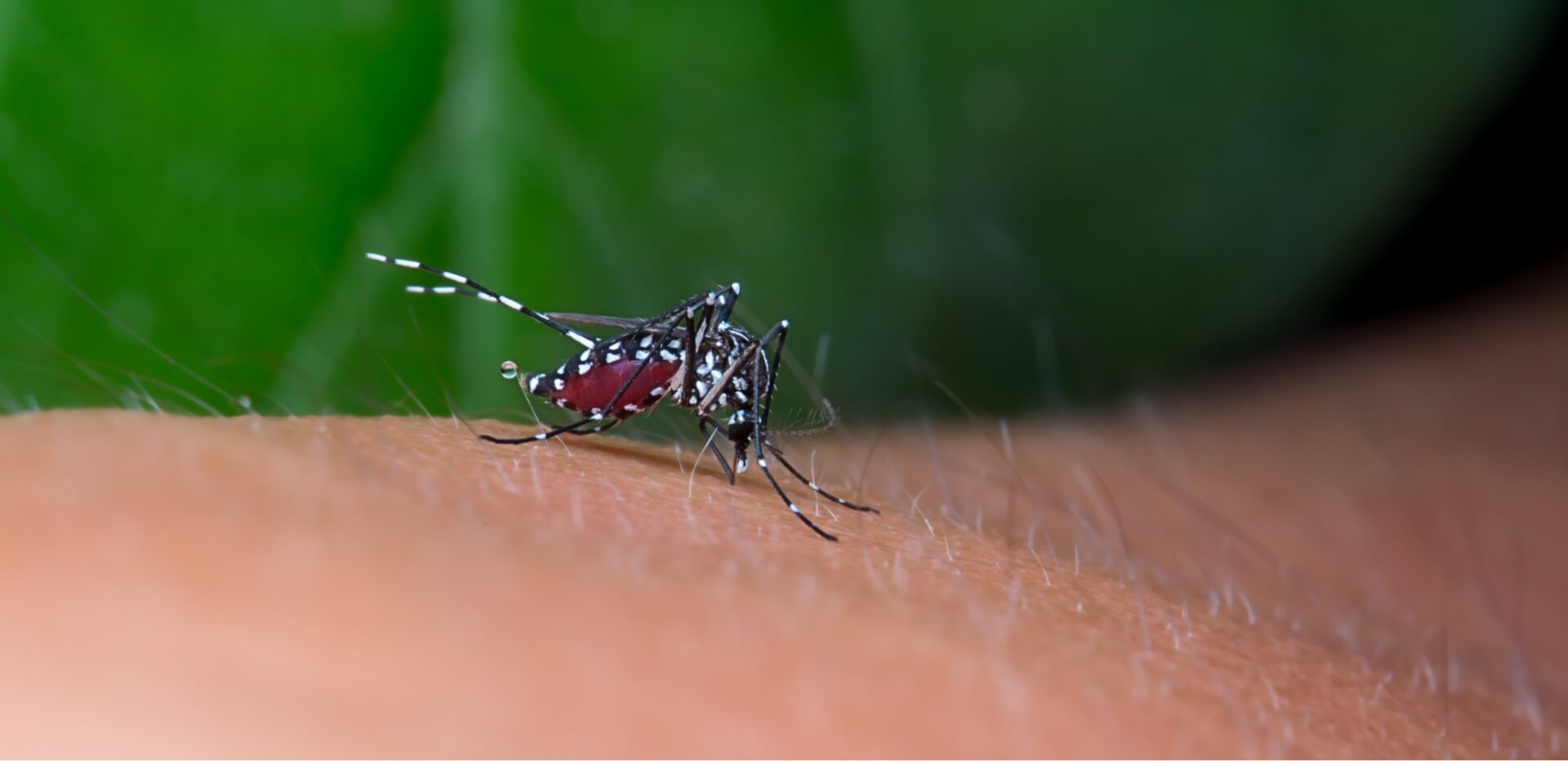
The chikungunya virus (CHIKV) is a mosquito-borne alphavirus transmitted by Aedes aegypti and Aedes albopictus mosquitoes, which bite during daylight hours. The disease it causes, chikungunya fever, produces sudden high fever, severe joint pain that can persist for months or years, rash, and fatigue. There is no specific antiviral treatment.
For travellers, chikungunya prevention matters because the disease can be genuinely debilitating. Joint pain lasting weeks or months can significantly disrupt work, travel plans, and quality of life. Older travellers and those with pre-existing joint conditions are particularly at risk of prolonged symptoms. Prevention is therefore far preferable to managing the consequences of infection.
How Effective Is the Chikungunya Vaccine?
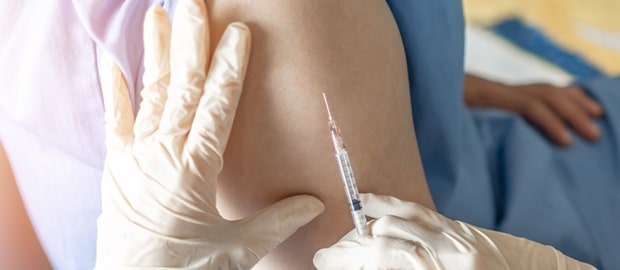
Ixchiq is a live attenuated chikungunya vaccine, meaning it contains a weakened form of the chikungunya virus that triggers an immune response without causing disease in healthy individuals. Clinical trial data submitted for regulatory approval provides the primary evidence base for its chikungunya vaccine effectiveness.
Immunogenicity Data
In the pivotal clinical trial (a randomised, double-blind, placebo-controlled study), a single dose of Ixchiq produced a seroresponse (measurable neutralising antibodies) in around 98 to 99% of participants at 28 days post-vaccination. This indicates that the vaccine is highly immunogenic, meaning almost all vaccinated individuals develop antibodies against the chikungunya virus.
Antibody levels remained elevated at the six-month follow-up point in the primary study population, suggesting a durable immune response from a single dose.
Limitations of the Evidence Base
Because chikungunya outbreaks occur unpredictably and it is not feasible to conduct large efficacy trials by exposing participants to a live mosquito-borne virus, Ixchiq’s approval was based on immunogenicity data (antibody response) rather than direct field efficacy data showing protection in vaccinated travellers during real outbreaks. This is a regulatory approach common to vaccines for emerging or unpredictable infectious diseases, and it is consistent with the approval pathway used for other travel vaccines.
What this means for travellers: the vaccine produces a strong and consistent immune response in the overwhelming majority of recipients. Whether that immune response translates to complete protection against real-world infection, and for how long, continues to be studied through post-marketing surveillance.
How Does Chikungunya Vaccine Effectiveness Compare to Mosquito Bite Avoidance?
Chikungunya prevention does not rely on a single measure. Understanding how vaccination and mosquito bite avoidance compare, and why both are recommended together, is important for setting realistic expectations.
| Approach | Protection Level | Practical Limitations |
| Ixchiq vaccination (single dose) | High immunogenicity (~98–99% seroresponse) | Live vaccine: not suitable for pregnant women or immunocompromised individuals. Availability in the UK varies. Based on immunogenicity rather than direct field efficacy trials. |
| DEET-based insect repellent (applied correctly throughout the day) | Moderate–High | Requires consistent application throughout the day, not just at dusk. Easy to overlook on long or hot travel days. |
| Protective clothing (long sleeves, trousers during peak biting hours) | Moderate | Can be uncomfortable in hot climates. Early morning and late afternoon are critical times. Compliance tends to be lower in practice. |
| Screened or air-conditioned accommodation | Moderate | Not always available or affordable in all travel settings. Does not protect during outdoor activities. |
| Vaccination + mosquito bite avoidance combined | Highest available | Recommended approach for travellers visiting high-risk chikungunya countries. Neither measure alone provides complete protection. |
Note: Protection levels cited are indicative based on available data at the time of writing. Neither vaccination nor mosquito bite avoidance provides complete protection against chikungunya infection. Combined use is recommended.
Who Is the Chikungunya Vaccine Most Relevant For?
Given the cost, availability considerations, and the fact that Ixchiq is a live attenuated vaccine with specific contraindications, the chikungunya vaccine for travellers is most relevant for those at higher risk of significant exposure:
- Travellers visiting high-risk regions in South Asia, the Caribbean, South East Asia, or Sub-Saharan Africa, particularly during or after the wet season.
- Those spending extended time outdoors in endemic regions, including trekkers, backpackers, cyclists, and volunteers.
- Older adults and those with pre-existing joint conditions, who face a higher risk of prolonged or severe joint pain if infected.
- Travellers who, for practical reasons, may find consistent mosquito bite avoidance difficult to maintain throughout a trip.
For short city-based visits to lower-risk destinations where mosquito bite avoidance can be readily maintained, the vaccine may add less marginal benefit. A travel health consultation will help you weigh this up for your specific itinerary.
For full information on who should and should not receive Ixchiq, including contraindications for pregnant women and immunocompromised individuals, see the companion article linked in the internal link section below.
How Long Does Chikungunya Vaccine Protection Last?
Post-approval surveillance and longer follow-up studies are ongoing. The six-month data from the primary clinical trial showed sustained antibody levels in most participants, but the durability of protection beyond this period is not yet fully established given the relative novelty of the vaccine. This is an area where guidance is likely to evolve as more data becomes available.
Your travel health pharmacist can advise on the most current data at the time of your consultation, which is particularly important given the rapidly developing evidence base for this vaccine.
How to Access the Chikungunya Vaccine in the UK
Ixchiq is available as a private travel vaccine through registered pharmacies and specialist travel health clinics in the UK. Availability may vary and should be confirmed before booking. At Touchwood Pharmacy, our pharmacists can advise on whether the chikungunya vaccine is appropriate for your specific trip and risk profile.
Book your appointment with our experts at Touchwood Pharmacy for personalised travel health advice and access to the chikungunya vaccine for travellers.
This article is for informational purposes only and does not constitute medical advice. Vaccine availability and guidance are subject to change. Ixchiq is a live attenuated vaccine and is not suitable for all individuals. Always consult a qualified healthcare professional before making decisions about vaccination.
Frequently Asked Questions (FAQ’s)
How effective is the chikungunya vaccine?
In clinical trials, a single dose of Ixchiq produced a seroresponse (measurable neutralising antibodies) in approximately 98 to 99% of participants, indicating very high immunogenicity. Because it was not feasible to conduct field trials involving natural mosquito-borne infection, approval was based on this immune response data. Post-marketing studies are ongoing to build a fuller picture of real-world effectiveness and protection duration.
Does the chikungunya vaccine replace the need for mosquito bite avoidance?
No. Even vaccinated travellers should continue to use DEET-based insect repellent throughout the day, wear protective clothing during peak biting hours (early morning and late afternoon), and take other appropriate precautions. Vaccination adds a significant layer of protection but is not a substitute for bite avoidance, particularly because Aedes mosquitoes bite during the day rather than at night.
Is Ixchiq the only chikungunya vaccine available?
At the time of writing, Ixchiq is the chikungunya vaccine available in the UK and other Western markets following regulatory approval. Other vaccine candidates are in development. The availability of Ixchiq in the UK may vary between clinics and is subject to stock levels. Always confirm availability with your travel health pharmacy before booking.
How long does the chikungunya vaccine last?
Antibody levels measured at six months post-vaccination in the primary clinical trial were sustained in most participants, suggesting durable short-term immunity. Longer-term protection data is still being collected given the vaccine’s relatively recent approval. Your pharmacist will be able to advise on the most current evidence at the time of your appointment.
Can the chikungunya vaccine cause chikungunya?
In the vast majority of healthy recipients, no. Ixchiq is a live attenuated vaccine, meaning it contains a weakened form of the virus that is designed to stimulate immunity without causing disease. However, a small number of recipients may experience mild, transient symptoms that resemble chikungunya, including brief joint pain or a mild rash, particularly in the first few weeks after vaccination. These symptoms are usually short-lived and far less severe than natural infection.
Who should not get the chikungunya vaccine?
Ixchiq is a live attenuated vaccine and is not recommended for pregnant women, immunocompromised individuals, or those with a known severe allergy to any vaccine component. It is currently licensed for adults aged 18 and over. For a full list of contraindications and detailed eligibility guidance, speak to a travel health pharmacist or refer to the companion article on who should get the chikungunya vaccine.