









Every year, mosquito-borne diseases are responsible for hundreds of thousands of deaths worldwide, according to the World Health Organisation. Yet in everyday life, a mosquito bite is still treated as little more than an inconvenience.
That gap between perception and reality is where the risk lies. In many travel destinations and warmer climates, a single bite can expose you to infections that are entirely preventable with the right precautions. Understanding how to prevent mosquito bites is not just a safety measure. It is a simple but important step in protecting your health before problems begin.
What are mosquito-borne diseases, and why should you be cautious?
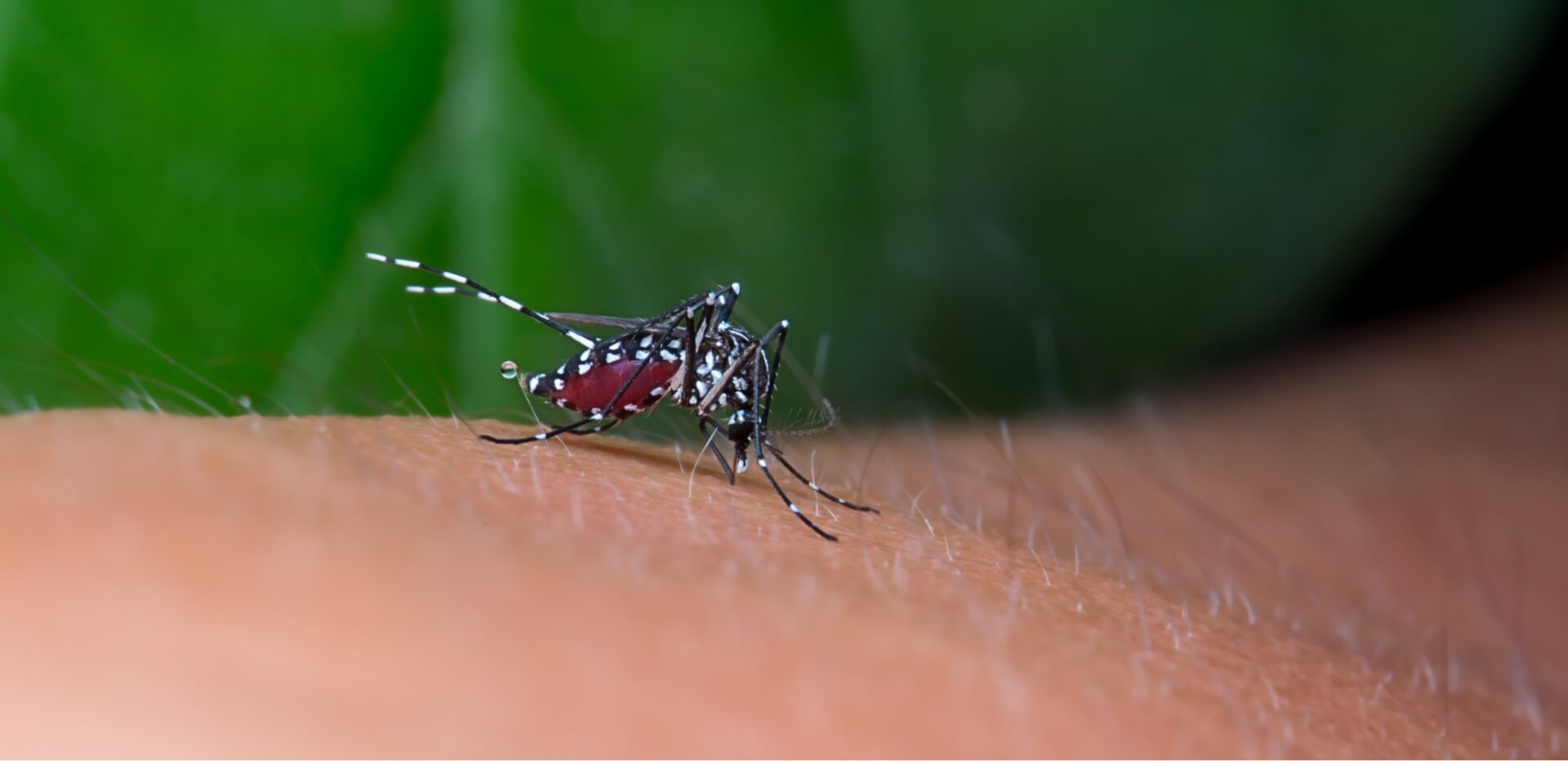
Mosquito-borne diseases are infections transmitted through the bite of an infected mosquito. These illnesses can range from mild to life-threatening depending on the type of disease and your overall health.
Which diseases are spread by mosquitoes?
Common diseases spread by mosquitoes include:
- Malaria.
- Dengue fever.
- Zika virus.
- Yellow fever.
- Chikungunya.
These infections are more common in tropical and subtropical regions, but cases can occur in travellers returning to the UK.
How do mosquitoes spread infections?
When a mosquito bites an infected person, it can pick up the pathogen and pass it on to the next person it bites. This makes prevention especially important in high risk areas.
How to prevent mosquito bites effectively?
Mosquito bite prevention starts with simple, consistent habits that reduce your exposure. Small changes can make a big difference.
Use insect repellent correctly
Apply a suitable insect repellent to exposed skin. Products containing DEET, picaridin, or IR3535 are commonly recommended for effective protection.
Wear protective clothing
Covering your skin can help reduce bites. Consider:
- Long sleeved tops.
- Full-length trousers.
- Socks and closed shoes.
Light-coloured clothing may also make it easier to spot mosquitoes.
Avoid peak mosquito activity times
Mosquitoes are most active at dawn and dusk. Limiting outdoor exposure during these times can reduce your risk.
What are the best mosquito bite prevention tips at home?
Protecting your home environment is just as important as personal protection, especially if you live in or travel to areas where mosquitoes are common.
Reduce standing water
Mosquitoes breed in stagnant water. Regularly check and empty:
- Plant pots.
- Buckets.
- Bird baths.
- Gutters.
Even small amounts of water can become breeding sites.
Use physical barriers
Install window screens and keep doors closed where possible. Sleeping under a mosquito net can also provide added protection, particularly in high-risk regions.
Consider indoor repellents
Electric vapourisers or mosquito coils can help reduce mosquito presence indoors, especially at night.
Do you need vaccines or travel advice before visiting high risk areas?
If you are travelling to regions where mosquito-borne diseases are common, preparation is essential.
Are travel vaccines available in the UK?
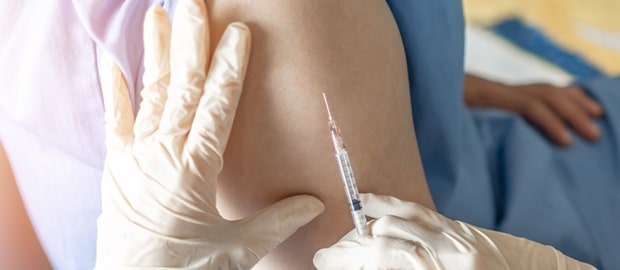
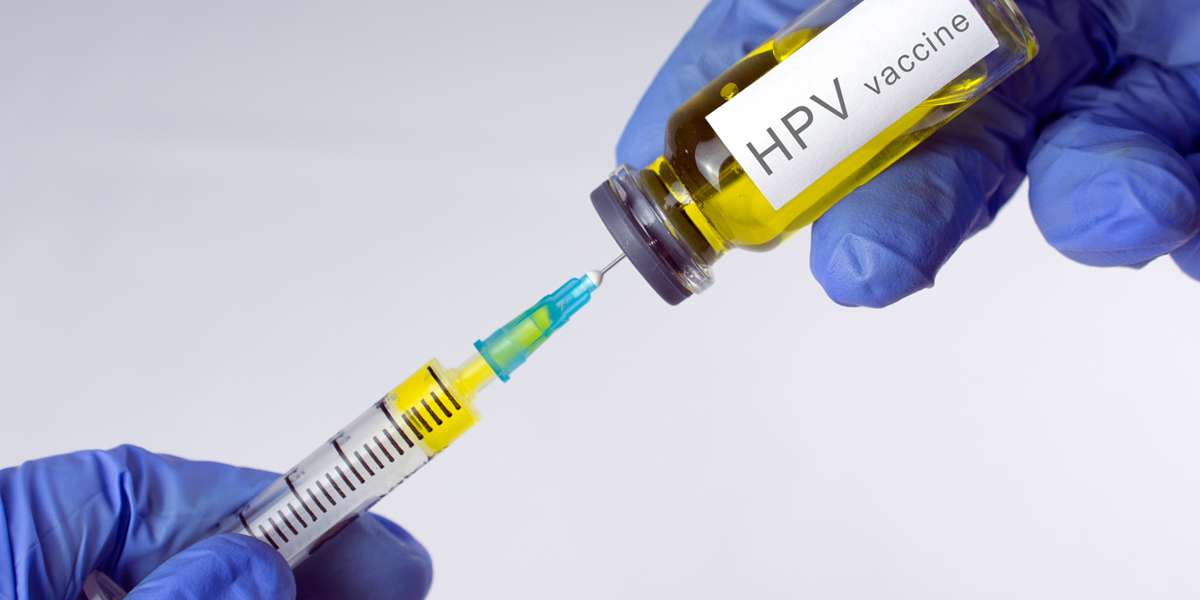
Vaccines are available for some diseases such as yellow fever and Japanese encephalitis. These may be required depending on your destination.
Should you seek professional advice before travelling?
Speaking with one of our trained pharmacists before your trip can help you understand your risks and the precautions you need. This may include vaccines, antimalarial medication, and personalised mosquito bite prevention advice.
How can you stay protected from mosquito-borne diseases long-term?
Long-term protection involves staying informed and maintaining good prevention habits, whether at home or abroad.
Stay aware of local risks
Check travel health guidance before visiting new destinations. Risk levels can vary depending on season and location.
Combine multiple prevention methods
Using repellents, protective clothing, and environmental control together offers the best protection against mosquito bites.
Know when to seek help
If you develop symptoms such as fever, headache, or muscle pain after a mosquito bite, especially after travel, it is important to seek advice promptly.
Your next steps for effective mosquito bite prevention
Protecting yourself from mosquito-borne diseases does not require complex measures, but it does require consistency. By following practical mosquito bite prevention tips and preparing ahead of time, you can reduce your risk significantly.
Book your appointment with our experts at Touchwood Pharmacy for personalised travel health advice, recommended vaccinations, and guidance on mosquito bite prevention before your trip.
FAQs
What is the best way to prevent mosquito bites while travelling abroad?
Using insect repellent, wearing long clothing, and sleeping under mosquito nets are the most effective ways to prevent mosquito bites when travelling to high risk areas.
Which mosquito-borne diseases should travellers be most concerned about?
Travellers should be aware of malaria, dengue, yellow fever, and the Zika virus, as these are among the most common diseases spread by mosquitoes in tropical regions.
Do mosquito repellents really work against disease-carrying mosquitoes?
Yes, clinically approved repellents such as those containing DEET or picaridin are proven to reduce mosquito bites and lower the risk of mosquito-borne diseases.
Can you get mosquito-borne diseases in the UK?
The risk in the UK is very low. However, infections can occur in travellers returning from countries where mosquito-borne diseases are more common.
How long after a mosquito bite do symptoms of infection appear?
Symptoms can appear within a few days to two weeks depending on the disease. Fever, headache, and body aches are common early signs to watch for.
Are mosquito nets necessary if I am already using repellent?
Yes, mosquito nets provide an extra layer of protection, especially at night when some mosquitoes are most active and bites can go unnoticed.