











Chikungunya is not a disease that most UK travellers think about until they have a reason to. But as the range of the Aedes mosquito expands and outbreaks continue across tropical, subtropical, and increasingly temperate regions, the number of destinations where the chikungunya virus is a genuine risk for travellers has grown. This guide maps out the key chikungunya risk areas by region, explains how the virus affects the body, and outlines how chikungunya vaccination fits into pre-travel preparation.
What Is Chikungunya Virus Disease?
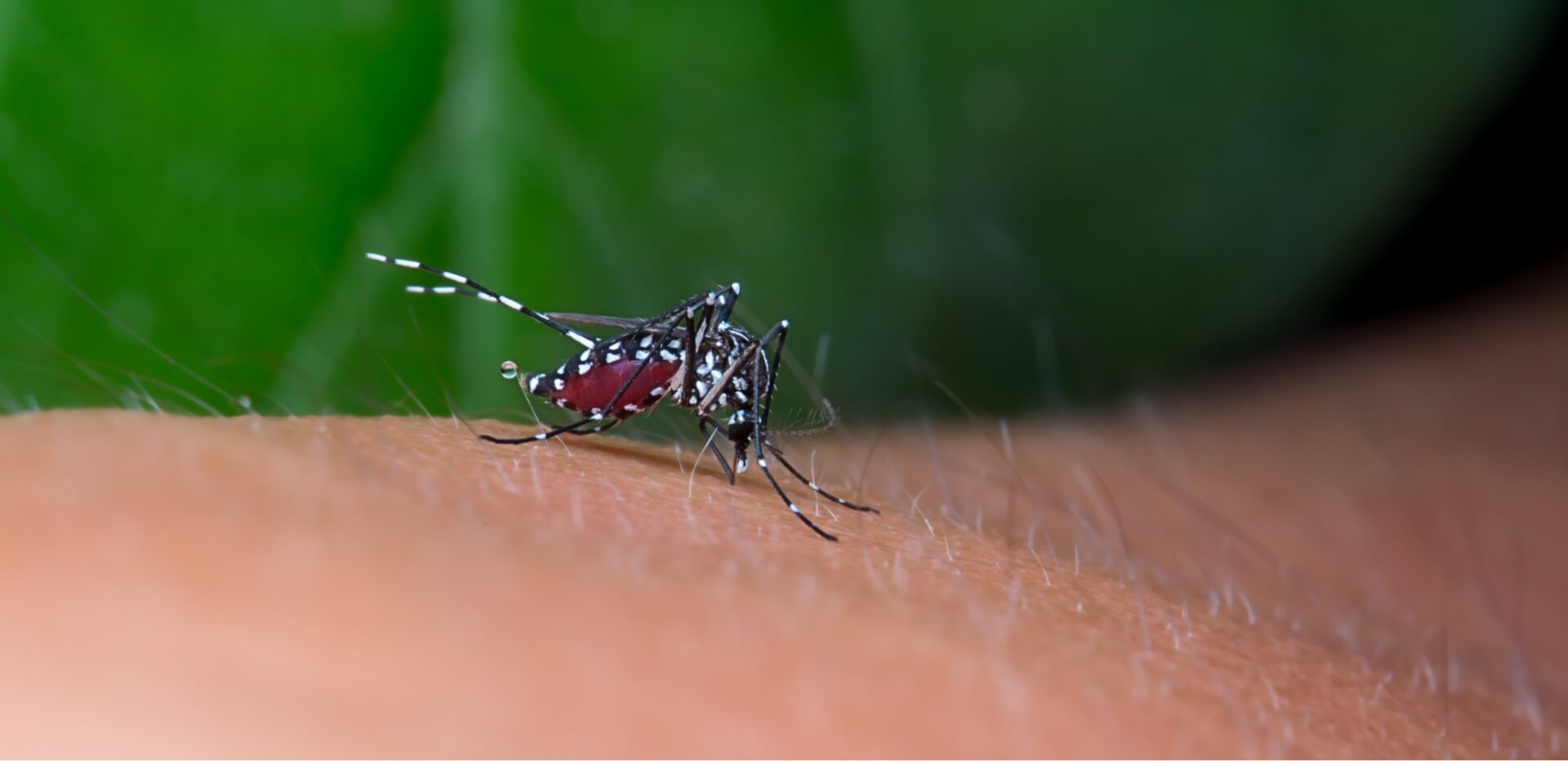
Chikungunya is a viral illness caused by the chikungunya virus (CHIKV), transmitted to humans exclusively through the bite of infected Aedes mosquitoes, primarily Aedes aegypti and Aedes albopictus. The chikungunya virus disease is not spread from person to person through casual contact, though a mosquito can pick up the virus by biting an infected individual and pass it on to the next person it bites.
The disease is named after a word in the Makonde language of East Africa meaning ‘to become contorted’, a reference to the severe joint pain that is its hallmark. While most people recover from the acute phase within two weeks, joint pain can persist for months or years, particularly in older adults.
Symptoms of Chikungunya Disease
Symptoms of chikungunya disease typically appear two to twelve days after a mosquito bite by the chikungunya virus, with most people developing symptoms within three to seven days. Onset is often sudden, and the illness is typically more severe in adults than in children. Key symptoms include:
- High fever appearing abruptly, often above 38.5°C.
- Severe joint pain affecting multiple joints simultaneously, most commonly the hands, wrists, ankles, and feet.
- Joint swelling.
- Muscle pain and widespread body aches.
- Headache.
- Fatigue and weakness.
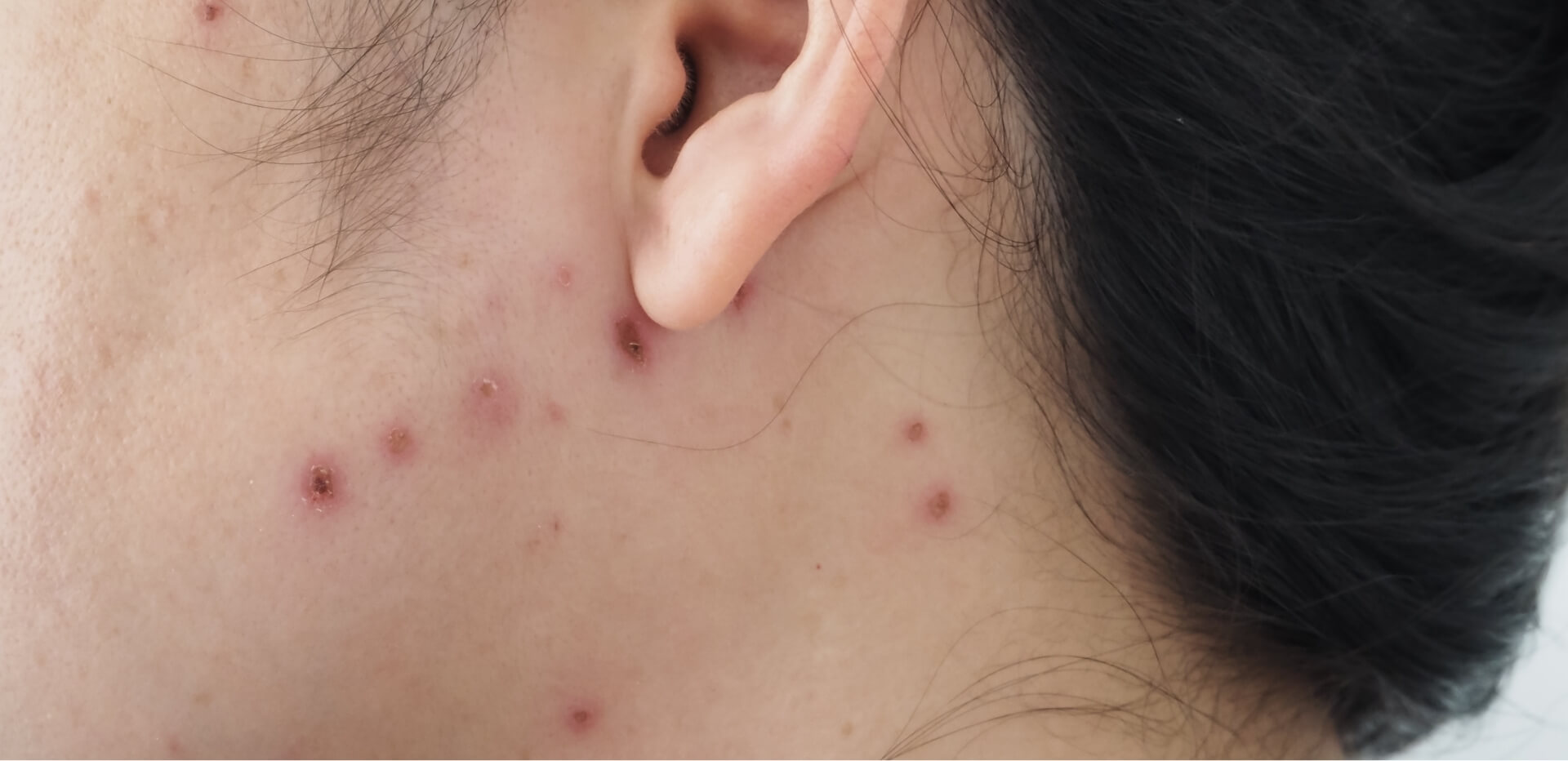
- A rash, typically appearing two to five days after fever onset.
- Nausea in some cases.
There is no specific antiviral treatment for chikungunya. Management is supportive: rest, hydration, and pain relief. In severe cases, the prolonged joint pain can be debilitating and interfere significantly with daily life and work. Prevention is therefore a far better strategy than treatment.
Chikungunya Countries: Where Is the Risk Highest?
Chikungunya is endemic across a wide range of countries, and the geographic spread continues to shift as the Aedes albopictus mosquito extends its range into new territories. The risk profile for any given destination is also seasonal, with outbreaks typically peaking during warmer, wetter months when mosquito populations are highest.
| Region / Destination | Risk Level | Notes for Travellers |
| South Asia (India, Sri Lanka, Pakistan, Bangladesh) | High | Historically one of the regions with the highest chikungunya burden. Risk year-round, peaking post-monsoon (July–November). |
| South East Asia (Thailand, Indonesia, Philippines, Malaysia, Vietnam, Myanmar) | High | Endemic and active transmission. Popular travel destinations with year-round risk, higher in wet season. |
| Sub-Saharan Africa (Kenya, Tanzania, DRC, Cameroon, Madagascar) | High | Historically endemic; periodic major outbreaks. Varies significantly by country and season. |
| Caribbean (Martinique, Guadeloupe, Trinidad and Tobago, Barbados, Haiti, Jamaica) | High | Major outbreak 2013–2015; continued localised transmission. Popular UK holiday and VFR destination. |
| Central and South America (Brazil, Colombia, Peru, Ecuador) | Moderate–High | Established since 2014. Brazil particularly affected. Ongoing transmission in urban and rural areas. |
| Southern Europe (Italy, France, Spain, Portugal) | Low–Moderate | Aedes albopictus established. Localised outbreaks recorded in Italy (2007, 2017) and France. Risk increasing with climate change. |
| Middle East and North Africa | Low–Moderate | Sporadic cases and outbreaks; risk varies considerably by country. Yemen has experienced significant outbreaks. |
| UK and Northern Europe | Very low | No endemic transmission. Cases in the UK are almost exclusively in returning travellers. |
Important: This table reflects the general risk picture at the time of writing. Chikungunya outbreak patterns change rapidly. Always check current TravelHealthPro country guidance and UKHSA alerts before travel to confirm the most up-to-date risk assessment for your specific destination.
The Mosquito Chikungunya Virus: Why Timing and Setting Matter
Unlike the Anopheles mosquito that transmits malaria, the Aedes mosquitoes responsible for the mosquito chikungunya virus bite primarily during daylight hours, with peak activity in the early morning and late afternoon. This means standard malaria prevention advice, which focuses on protection after dusk, is insufficient for chikungunya.
Risk is highest in settings where Aedes mosquitoes breed in large numbers: areas with standing water, including urban environments, rice paddies, and coastal zones. Travellers staying in well-screened or air-conditioned accommodation in city centres tend to face lower risk than those in rural areas or budget guesthouses with open windows.
Understanding this changes the practical advice for travellers. Insect repellent must be applied throughout the day, not just at dusk, and long-sleeved clothing matters in the morning and afternoon, not only in the evening.
Chikungunya Vaccination: Is It Available in the UK?
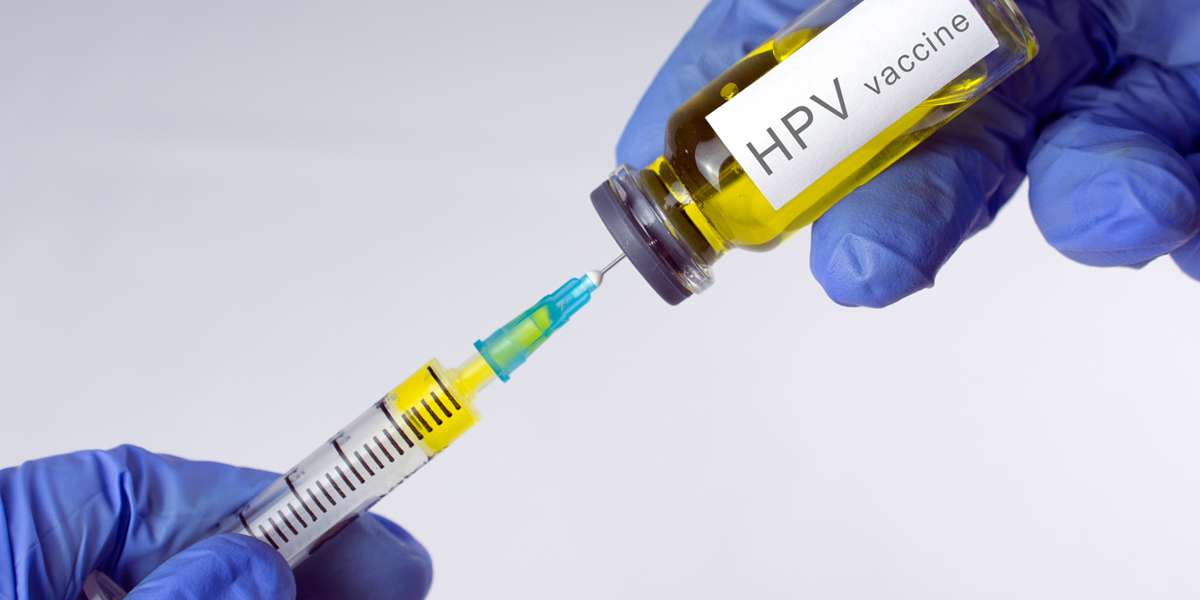
Yes. Chikungunya vaccination is available in the UK through specialist travel vaccine clinics. Ixchiq (the chikungunya vaccine), a live attenuated vaccine given as a single dose, has received regulatory approval and provides protection against the chikungunya virus for eligible adults.
The chikungunya vaccine UK availability is evolving, and stock and clinic availability may vary. It is not currently part of the NHS immunisation programme and is accessed as a private travel vaccine. Because Ixchiq is a live vaccine, it is not suitable for pregnant women or immunocompromised individuals.
Vaccination adds a meaningful layer of protection for higher-risk travellers but does not replace mosquito bite avoidance measures. Even vaccinated travellers should continue to apply DEET-based repellent and wear appropriate clothing during peak biting hours.
Book Your Chikungunya Travel Vaccination
Travel health advice should always be tailored to your destination, travel style, and individual health profile. Chikungunya vaccination may be particularly relevant if you are visiting high-risk countries in South Asia, the Caribbean, or South East Asia, especially in the wet season or if your itinerary involves outdoor or rural settings.
At Touchwood Pharmacy, our pharmacists can advise on chikungunya and the full range of vaccinations and preventive measures appropriate for your specific trip.
Book your appointment with our experts at Touchwood Pharmacy for personalised travel health advice and access to chikungunya and other travel vaccinations.
This article is for informational purposes only and does not constitute medical advice. Geographic risk data is time-sensitive and subject to change. Always confirm current recommendations with a travel health professional before departure.
Frequently Asked Questions (FAQ’s)
Which countries have the highest chikungunya risk for UK travellers?
The highest-risk destinations for UK travellers include South Asia (India, Sri Lanka, Pakistan), South East Asia (Thailand, Indonesia, Philippines), Sub-Saharan Africa, and the Caribbean. These regions have endemic or frequent epidemic transmission of chikungunya. Risk is generally highest during and after the rainy season in each region. Always check TravelHealthPro for the most current country-specific assessment before travel.
Is chikungunya a risk in European holiday destinations?
There is a low to moderate risk in parts of southern Europe. Aedes albopictus (the tiger mosquito) is now well-established in Italy, Spain, France, and Portugal. Localised chikungunya outbreaks have occurred in Italy (2007 and 2017), and France, and the risk of further outbreaks is considered to be increasing with climate change. For most short-stay summer holidays in these countries, the risk remains low, but travellers should still use repellent during the day, particularly in rural or heavily vegetated areas.
Can you get chikungunya from another person?
No. The chikungunya virus disease is not transmitted from person to person through normal contact. It requires a mosquito to transmit the virus. However, if an infected person is bitten by an Aedes mosquito in an area where those mosquitoes are active, the mosquito can then spread the virus to the next person it bites. This is why mosquito-bite prevention remains important even in the company of someone with chikungunya.
How long do chikungunya symptoms last?
The acute phase of chikungunya, including fever and the initial intensity of joint pain, typically lasts one to two weeks. However, joint pain is the symptom that most often persists beyond the acute phase. In a significant proportion of cases, particularly in older adults, joint pain can continue for months or even years after the initial infection. This post-infection arthralgia is one of the most clinically significant aspects of the disease and a key reason why prevention is strongly advised.
Is the chikungunya vaccine recommended for all destinations?
No. Chikungunya vaccination is not a universal travel vaccine. It is most relevant for travellers visiting high-risk chikungunya countries, particularly those spending extended time in rural or outdoor settings in endemic regions during peak transmission seasons. For short city-based visits to lower-risk destinations, the balance of benefit versus the cost and accessibility of the vaccine may differ. A travel health consultation will assess whether vaccination is appropriate for your specific itinerary.
How do I get the chikungunya vaccine in the UK?
The chikungunya vaccine UK is available as a private travel vaccination through registered pharmacies and specialist travel health clinics. You do not need a GP referral to access it. Book a travel health appointment at least four to six weeks before departure, as this allows time for vaccination alongside any other preventive measures relevant to your destination. Confirm availability with your chosen pharmacy before booking, as stock may vary.