










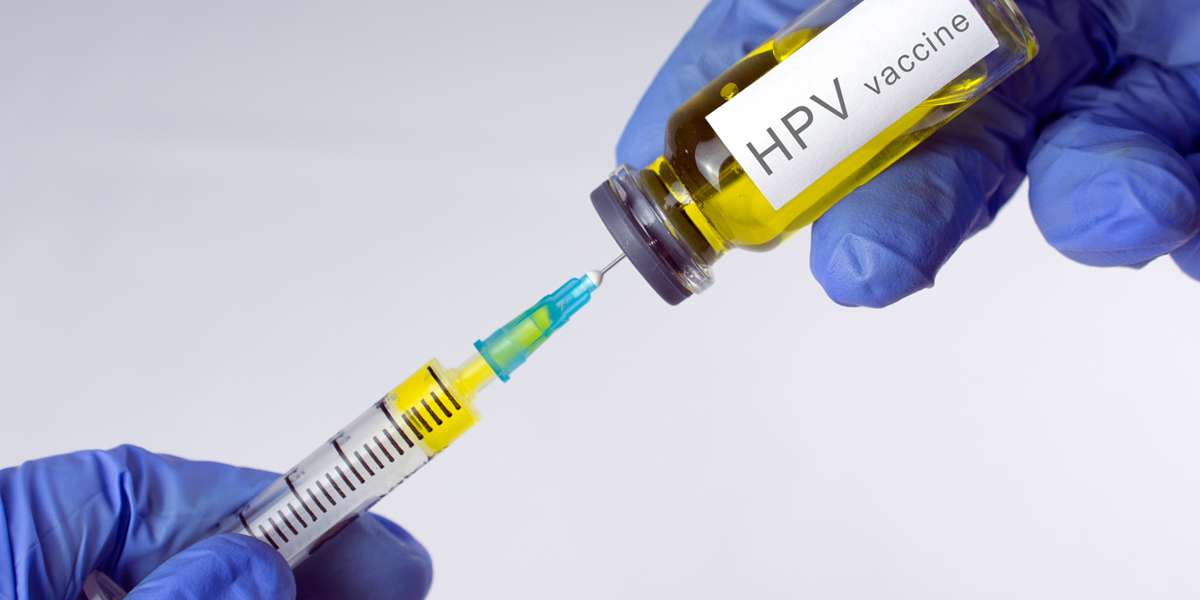

Chikungunya is a mosquito-borne viral illness that causes sudden high fever and debilitating joint pain. For many years, prevention relied solely on avoiding mosquito bites. That has begun to change. A chikungunya vaccine is now available in the UK, giving eligible travellers an additional layer of protection before heading to affected regions. This article explains who the vaccine is for, what to expect from the chikungunya vaccination process, and how to find a travel vaccine clinic that offers it.
What Is the Chikungunya Virus?
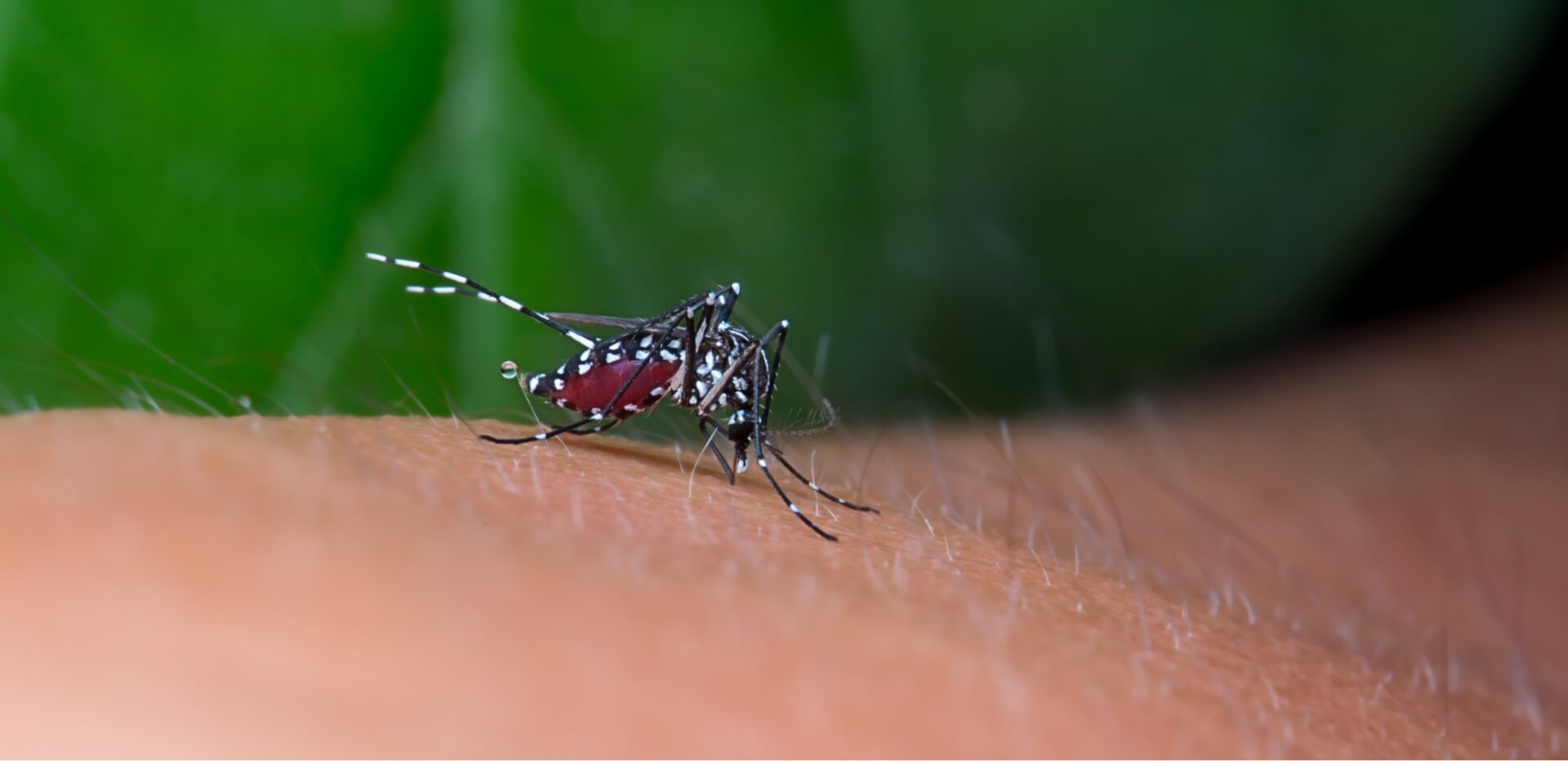
The chikungunya virus (CHIKV) is transmitted to humans through the bite of an infected Aedes mosquito, most commonly Aedes aegypti or Aedes albopictus. Unlike malaria-carrying mosquitoes, these species bite primarily during daylight hours, making standard night-time bite prevention insufficient on its own.
The virus is present across large parts of Africa, Asia, the Indian subcontinent, the Caribbean, and Central and South America. Aedes albopictus has also become established across parts of southern Europe, including Italy, Spain, and France, meaning the risk is no longer confined to long-haul destinations. Cases in the UK occur almost exclusively in returning travellers.
A Reminder: What Are Chikungunya Symptoms?
Chikungunya symptoms typically appear between two and twelve days after infection and include:
- Sudden high fever, often above 38.5°C
- Severe joint pain affecting the hands, wrists, ankles, and feet, which can persist for months
- Muscle aches and fatigue
- Headache and nausea
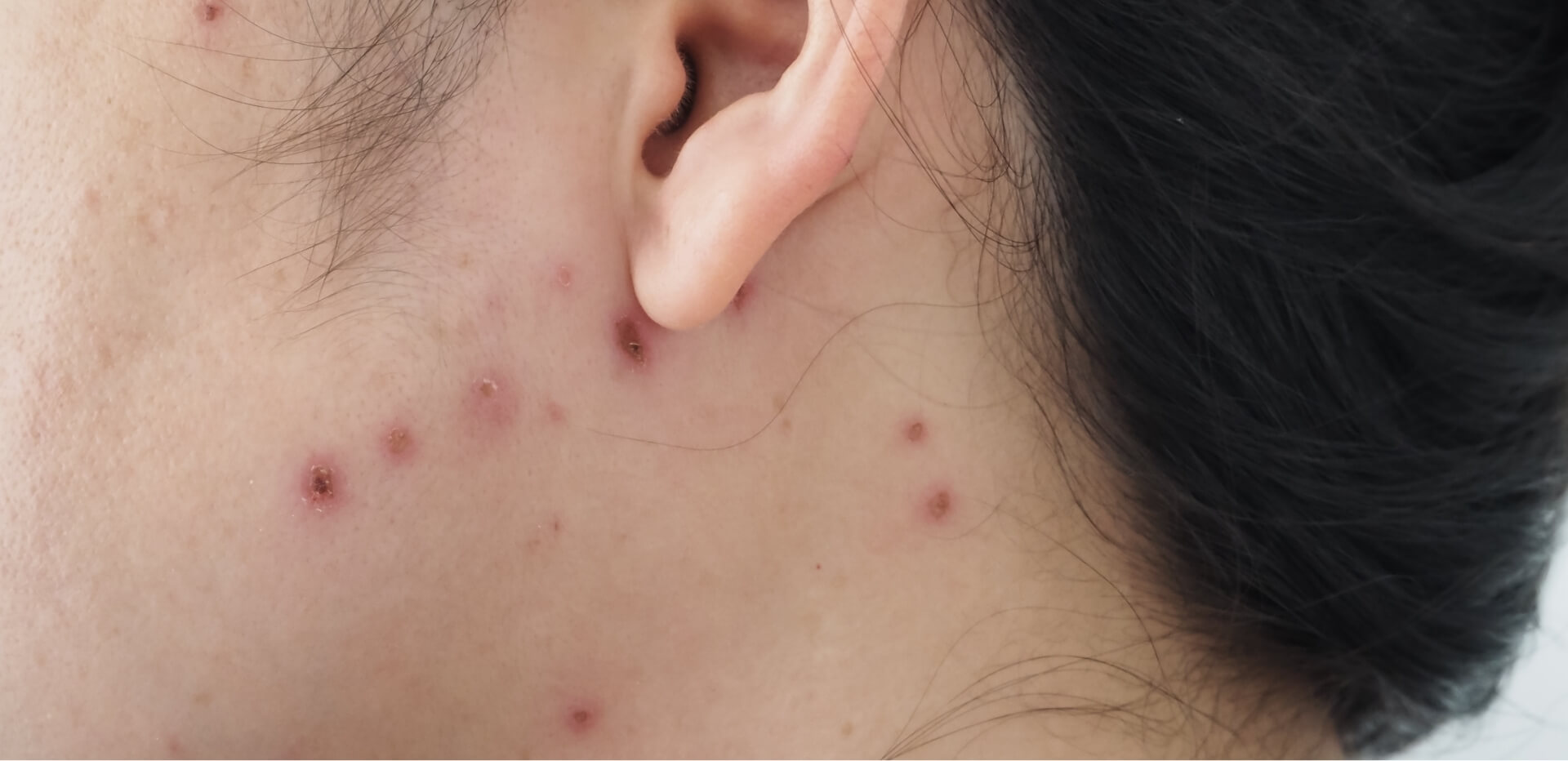
- A skin rash appearing two to five days after fever onset
There is no specific antiviral treatment for chikungunya. Management is supportive, focusing on rest, hydration, and pain relief. Prevention is therefore far preferable to treatment.
Is There a Chikungunya Vaccine Available in the UK?
Yes. Ixchiq (abrysvo chikungunya vaccine) has received regulatory approval and is available through specialist travel vaccine clinics in the UK. It is a live attenuated vaccine, meaning it contains a weakened form of the chikungunya virus that stimulates immunity without causing disease in healthy individuals.
Ixchiq is given as a single dose, which makes it straightforward to incorporate into a pre-travel vaccination appointment. As with all live vaccines, it is not suitable for everyone, and a consultation with a qualified travel health professional is required before administration.
Please note: vaccine availability in the UK is subject to change. We recommend speaking directly with your travel vaccine clinic to confirm current stock and eligibility criteria before travelling.
Who Should Consider Chikungunya Vaccination?
The chikungunya vaccination is generally recommended for travellers aged 18 and over who are planning to visit areas where the chikungunya virus is present and where Aedes mosquitoes are active. It may be particularly relevant for:
- Travellers spending extended time in affected regions, particularly in rural or outdoor settings
- Those visiting areas during or following a known outbreak
- Aid workers, researchers, or volunteers with significant outdoor exposure
- Travellers who are unable to maintain consistent mosquito bite prevention throughout their trip
- Older adults, who tend to experience more severe and prolonged chikungunya symptoms
Who Should Not Receive the Chikungunya Vaccine?
Because Ixchiq is a live attenuated vaccine, it is contraindicated in certain groups. It is not recommended for:
- Pregnant women
- People who are immunocompromised, including those receiving immunosuppressive therapy
- Individuals with a history of severe allergic reactions to any component of the vaccine
- Those who have previously been infected with the chikungunya virus and have acquired natural immunity
A thorough pre-vaccination consultation will identify whether the vaccine is appropriate for you. Your pharmacist or travel health prescriber will review your medical history before proceeding.
Chikungunya Vaccine Side Effects
As with any vaccine, chikungunya vaccine side effects can occur. Most are mild and temporary, resolving within a few days. Commonly reported side effects include:
- Headache
- Fatigue
- Muscle or joint pain
- Injection site reactions, such as redness, swelling, or tenderness
- Mild fever in some recipients
Because Ixchiq is a live vaccine, a small number of recipients may experience symptoms that resemble a mild version of chikungunya itself, including transient joint pain or rash. These symptoms are generally short-lived. Serious adverse reactions are rare but should be reported promptly. Your pharmacist will advise you on what to watch for after vaccination.
Does the Vaccine Replace Mosquito Bite Prevention?
No. Vaccination adds a valuable layer of protection, but does not replace the need for consistent mosquito bite avoidance measures. Even vaccinated travellers should continue to apply DEET-based insect repellent to exposed skin throughout the day, wear appropriate clothing, and take additional precautions appropriate to their destination.
How to Book a Chikungunya Vaccine Appointment in the UK
Booking a chikungunya vaccination through a registered travel vaccine clinic is straightforward. At Touchwood Pharmacy, our pharmacists are trained in travel health and can advise on chikungunya and the full range of travel vaccinations relevant to your destination.
Appointments should ideally be arranged at least four to six weeks before departure to allow time for the vaccination to take effect and to address any other travel health needs during the same consultation.
Book your appointment with our experts at Touchwood Pharmacy for personalised travel health advice and access to chikungunya and other travel vaccinations.
This article is for informational purposes only and does not constitute medical advice. Vaccine availability and eligibility criteria are subject to change. Always consult a qualified healthcare professional before making decisions about vaccination.
Frequently Asked Questions (FAQ’s)
Is the chikungunya vaccine available on the NHS?
The chikungunya vaccine is currently available as a private travel vaccine rather than through routine NHS provision. It is offered by specialist travel vaccine clinics, including some pharmacies. Speak to a travel health professional to confirm availability and pricing before your appointment.
How long does the chikungunya vaccine last?
Current data suggest that protection from Ixchiq is durable, though the long-term duration is still being assessed as the vaccine is relatively new. Your travel health pharmacist can advise on the most up-to-date guidance on protection duration and whether a booster may be relevant for future travel.
Can I have the chikungunya vaccine at the same time as other travel vaccines?
In many cases, yes. However, because Ixchiq is a live attenuated vaccine, there are specific considerations around timing with other live vaccines, such as the yellow fever vaccine. Your travel vaccine clinic will review your full vaccination schedule and advise on the appropriate timing for each vaccine.
How far in advance should I book a chikungunya vaccination?
Ideally, book your travel vaccine clinic appointment at least four to six weeks before your departure date. This allows time for the vaccine to establish immunity and for your pharmacist to address any other travel health requirements, including malaria prophylaxis, during the same consultation.
Are chikungunya vaccine side effects serious?
Serious side effects from the chikungunya vaccination are rare. Most people experience only mild, temporary symptoms such as headache, fatigue, or injection site discomfort. Because it is a live vaccine, a small number of recipients may briefly experience joint pain or a mild rash. Your pharmacist will explain what to monitor after your vaccination and when to seek further advice.
Do I still need to avoid mosquito bites if I have the chikungunya vaccine?
Yes. Vaccination reduces the risk of chikungunya illness but does not eliminate the need for mosquito bite avoidance. You should continue to use effective insect repellent, wear appropriate clothing, and follow your destination-specific travel health advice even after being vaccinated.