


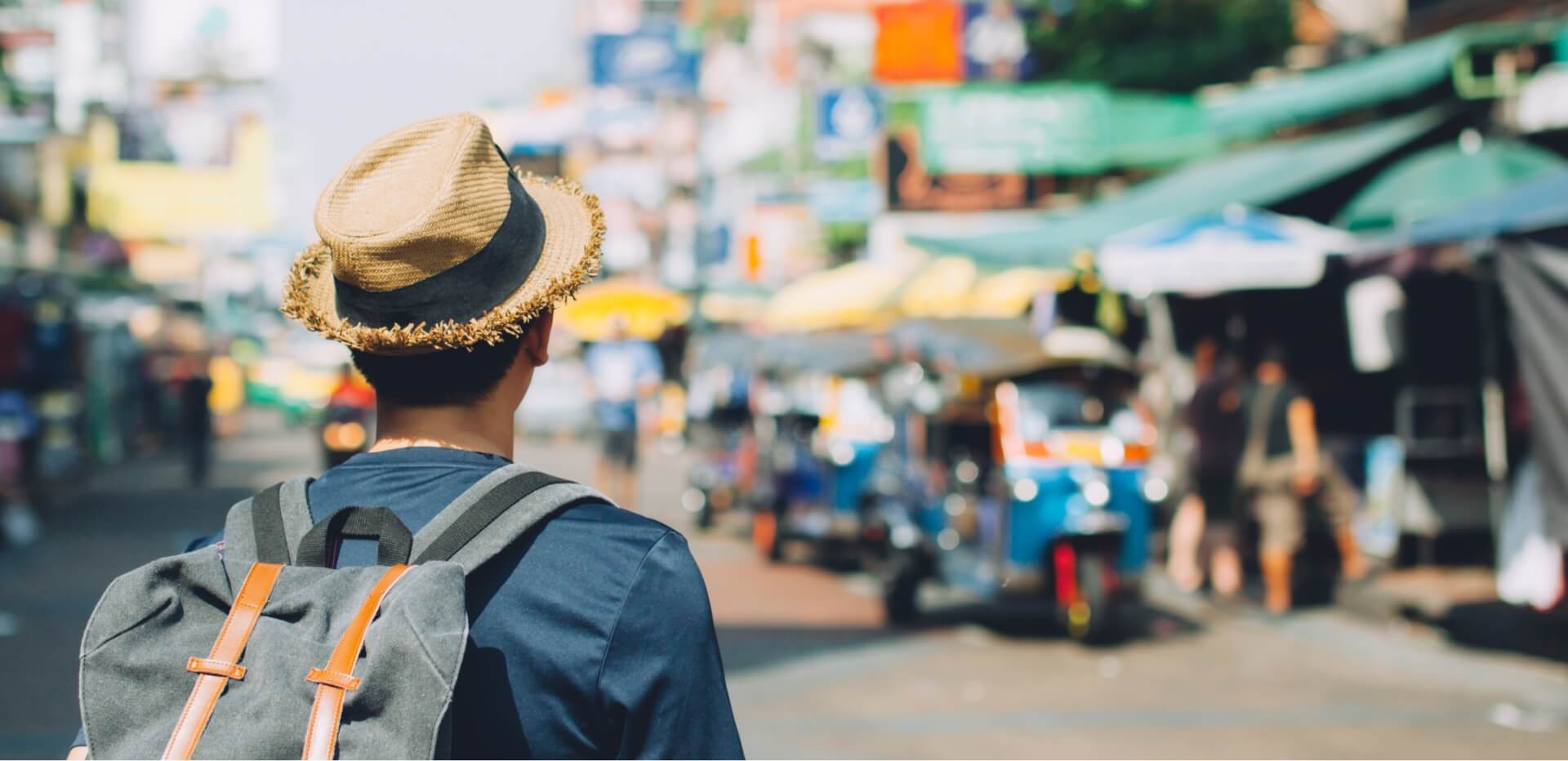

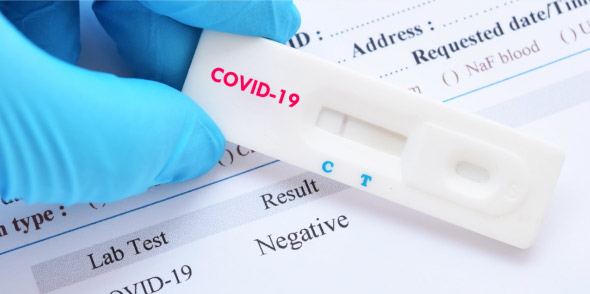
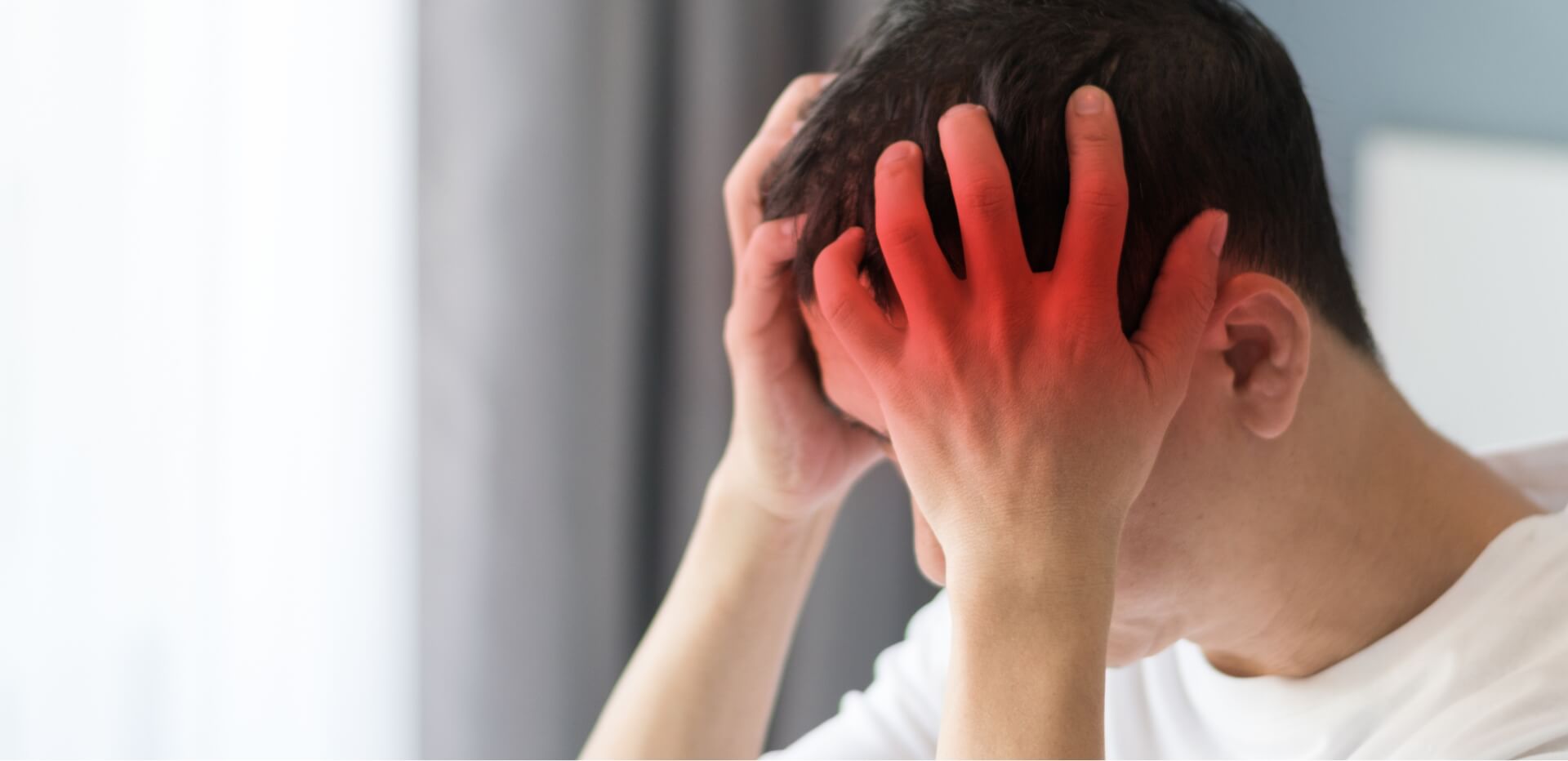
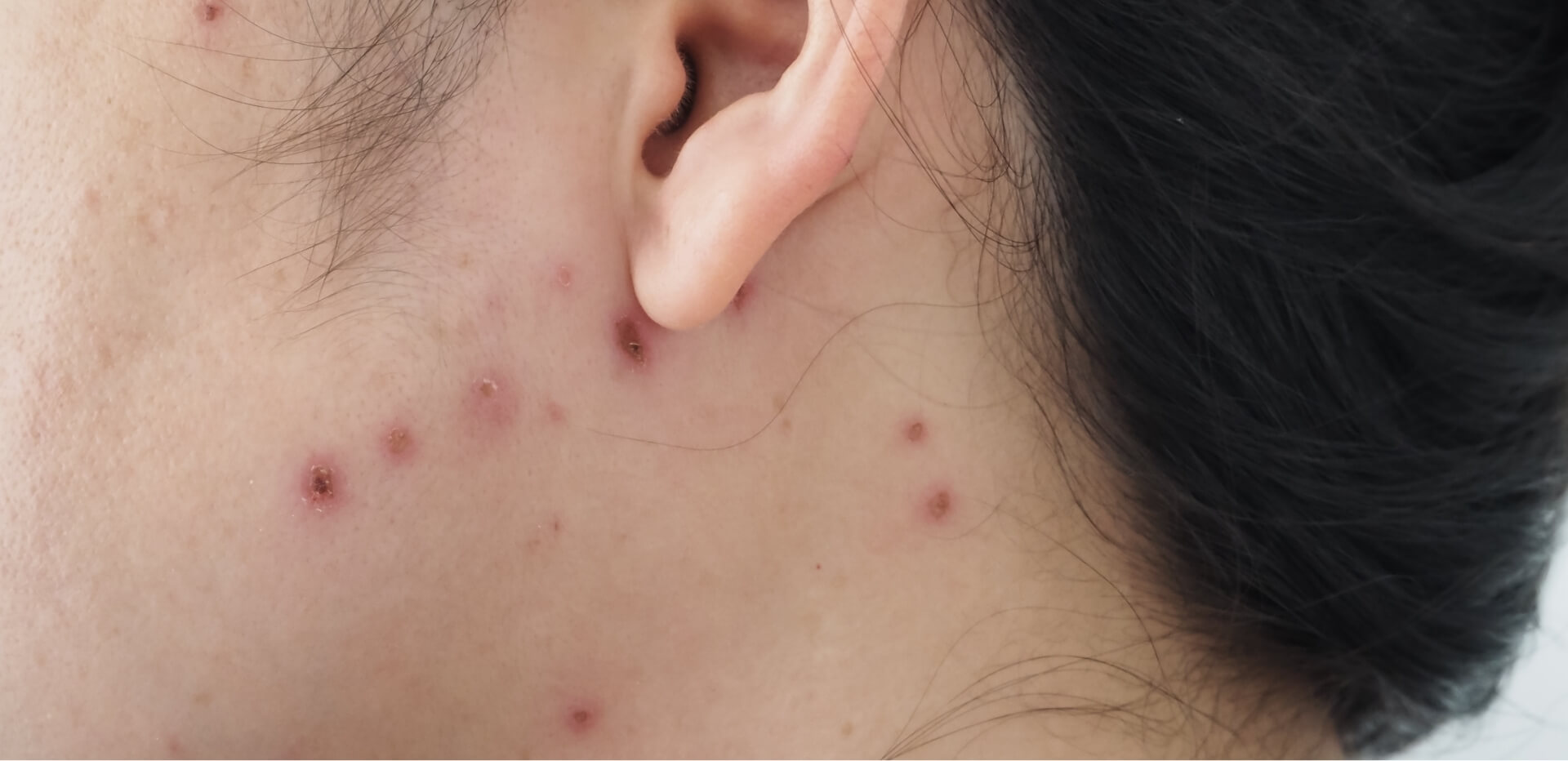


It only takes one unsafe meal or a sip of contaminated water to change the course of your trip. In many parts of the world, typhoid fever is still a daily reality due to unsafe sanitation and drinking water.
While typhoid fever is uncommon in the UK, cases continue to be reported in travellers returning from higher-risk countries. Knowing how typhoid is spread, recognising early typhoid symptoms, and understanding how the typhoid vaccine protects you can help you travel with greater confidence and avoid serious illness.
What is typhoid fever?
Typhoid fever is a bacterial infection caused by Salmonella Typhi. It spreads through contaminated food and water and is most common in parts of South Asia, Africa, and South America.
In the UK, most cases are linked to travel. According to the NHS, typhoid is rare in the UK but remains a risk for travellers visiting higher-risk regions.
How is typhoid spread from person to person?
Typhoid spreads mainly through the faecal-oral route. This means the bacteria from an infected person’s stool can contaminate food or water if hygiene is poor.
You can catch typhoid fever by:
- Drinking untreated water.
- Eating raw fruit or vegetables washed in contaminated water.
- Eating food handled by someone who has not washed their hands properly.
- Consuming unpasteurised milk products.
Can you catch typhoid from close contact?
Yes, but it is less common. If someone preparing food is infected and hygiene is poor, the bacteria can spread. Good handwashing significantly reduces risk.
Is street food risky?
Street food can increase risk in countries where sanitation standards differ from the UK. Food that is freshly cooked and served hot is generally safer than raw or cold dishes.
What are the early typhoid symptoms?
Typhoid symptoms usually develop one to three weeks after exposure. They can start gradually and worsen over time.
Common symptoms of the typhoid fever include the following:
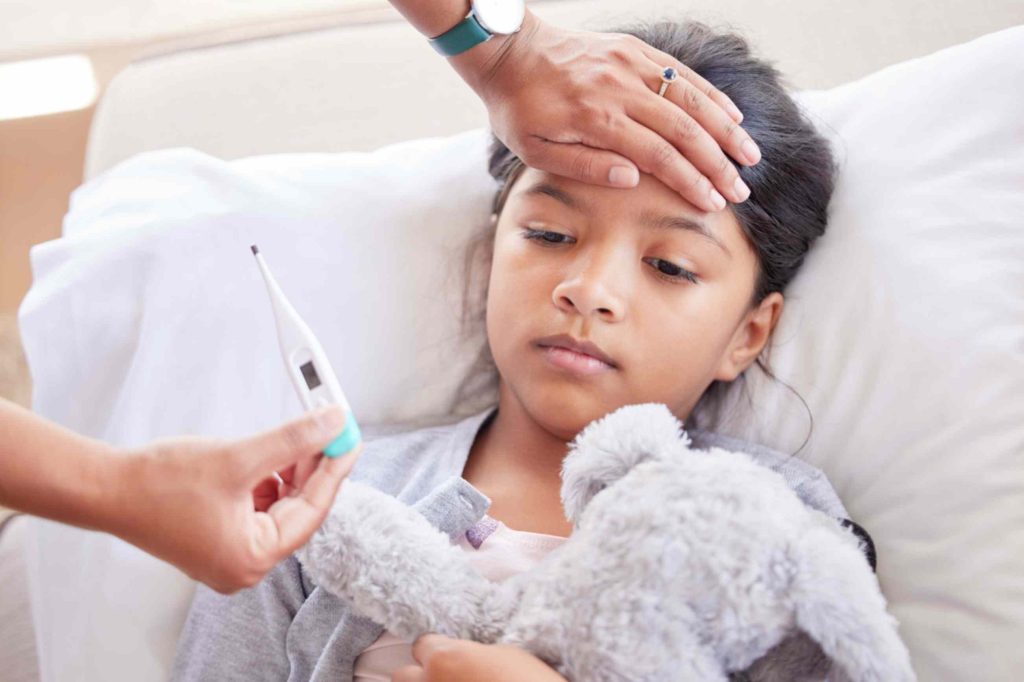
- Persistent high temperature.
- Headache.
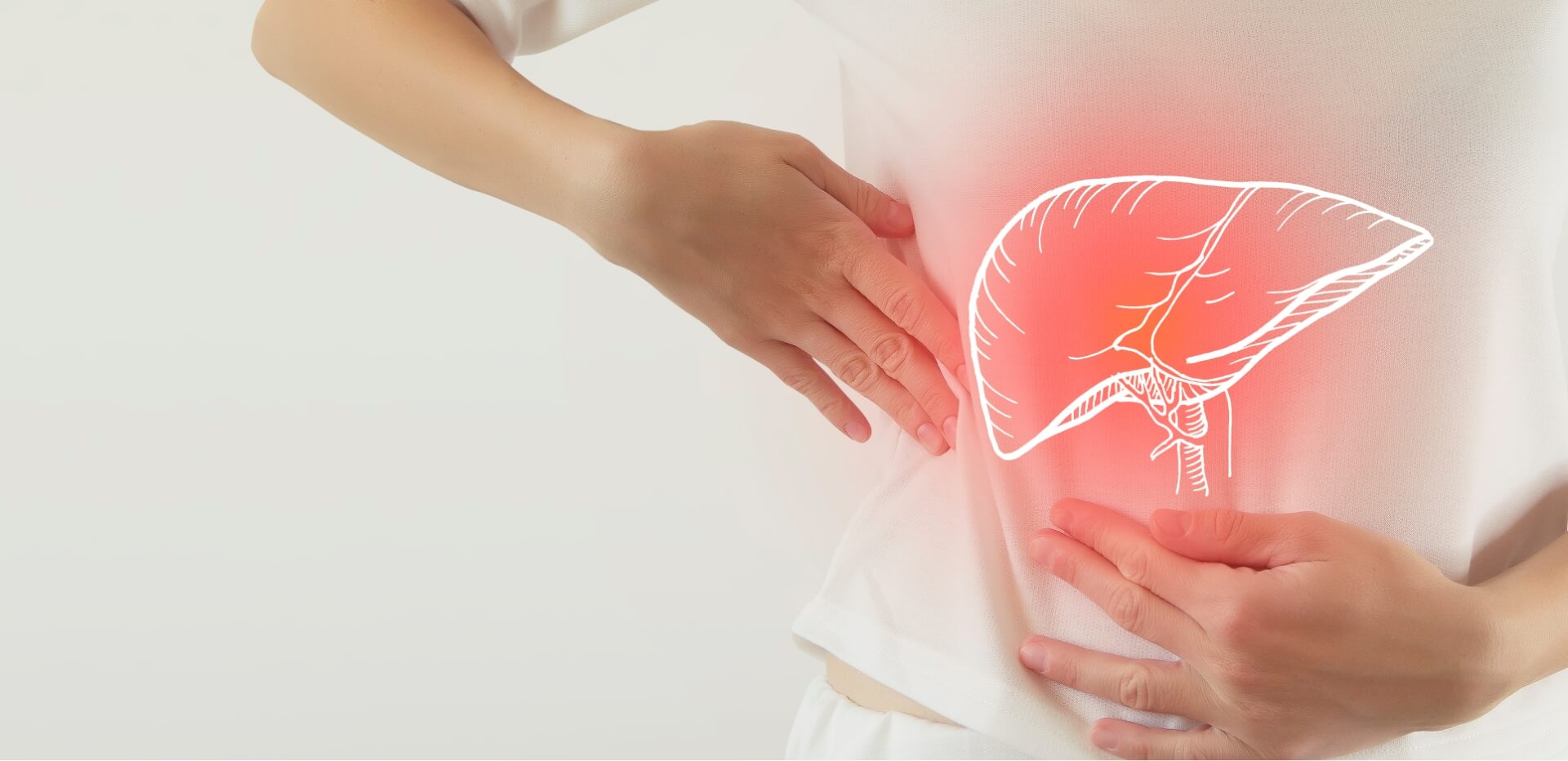
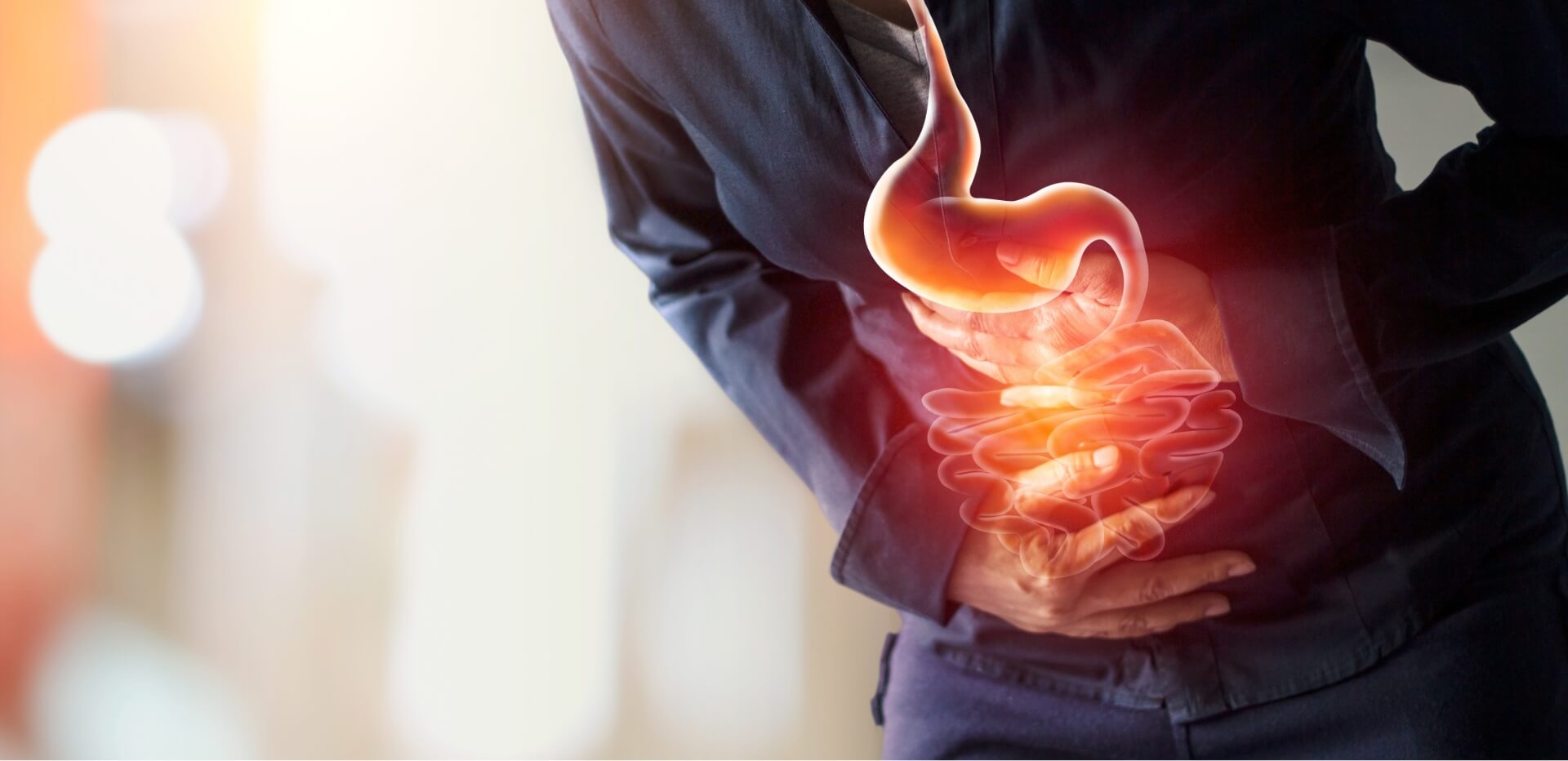
- Abdominal pain.
- Constipation or diarrhoea.
- Extreme tiredness.
- Loss of appetite.
How serious can typhoid fever become?
Without treatment, typhoid fever can lead to complications such as internal bleeding or bowel perforation. Early recognition of typhoid symptoms is important, especially after travel to high-risk areas.
When should you speak to a pharmacist?
If you develop a high temperature after returning from abroad, speak to our pharmacists promptly and mention your recent travel history. Early advice can help you access appropriate testing and treatment quickly.
What are the main typhoid fever causes?
The main typhoid fever causes relate to poor sanitation and unsafe drinking water. The bacteria survive in contaminated environments and spread easily where clean water systems are limited.
Typhoid risk factors include the following:
- Travelling to areas with known outbreaks.
- Staying with friends or relatives in endemic regions.
- Eating outside regulated hotels or restaurants.
- Not having the typhoid vaccine before travel.
Understanding these causes helps you take simple but effective precautions.
How does the typhoid vaccine protect you?
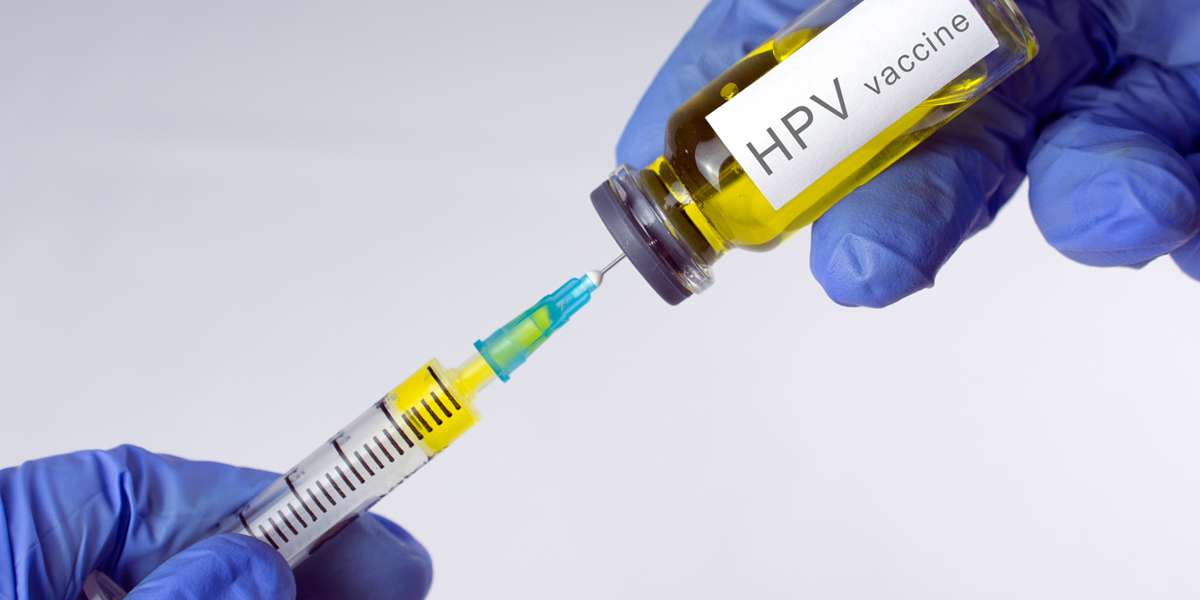
The typhoid vaccine reduces your risk of developing typhoid fever by helping your immune system recognise and fight the bacteria.
In the UK, the vaccine is available as the following:
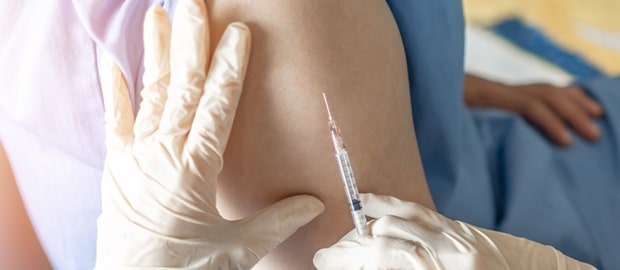
- An injection.
- Oral capsules in certain cases.
No vaccine provides one hundred per cent protection, so food and water precautions remain essential even after vaccination.
What are common typhoid vaccine side effects?
Typhoid vaccine side effects are usually mild and short-lived. These may include:
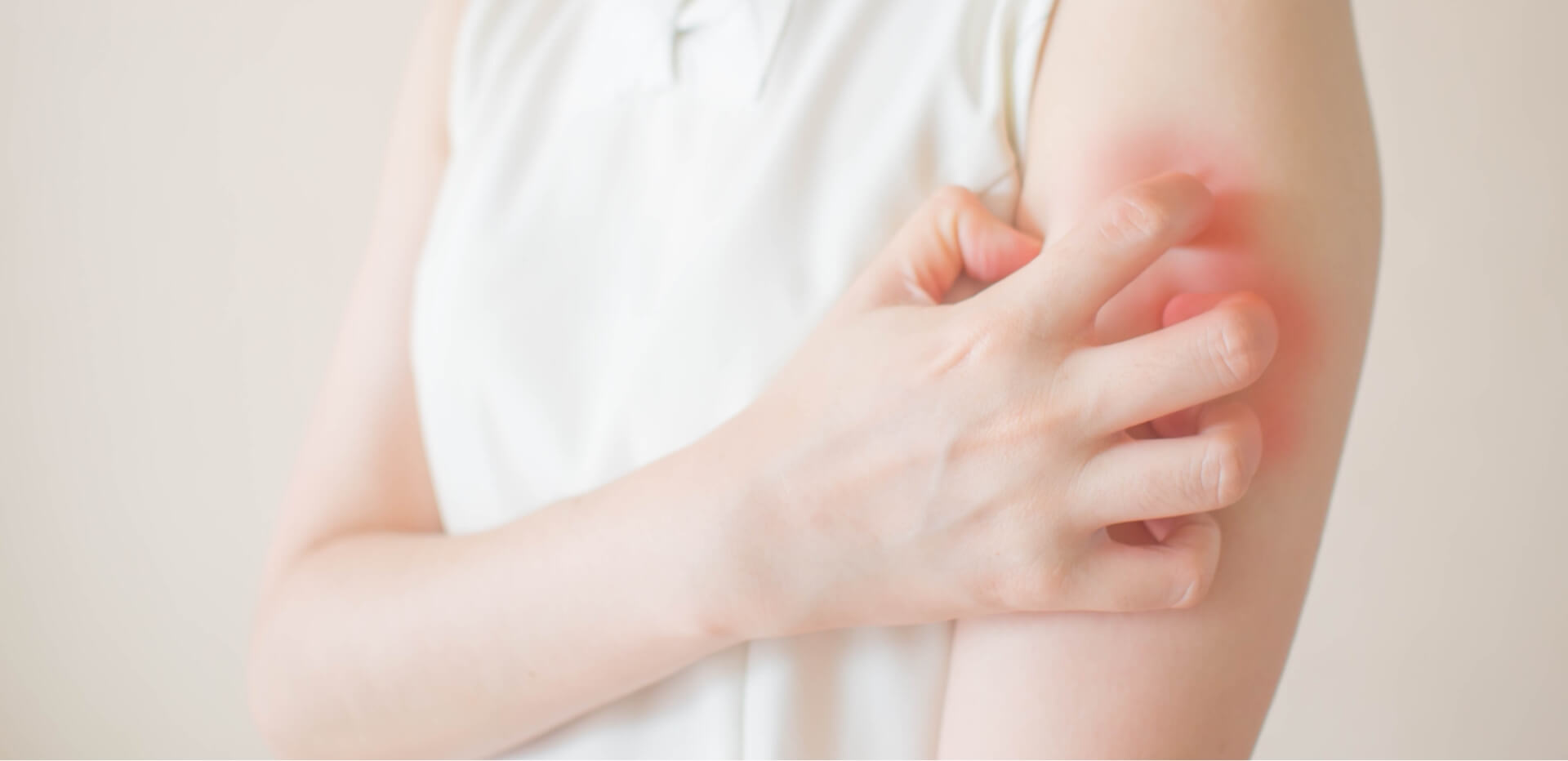
- Soreness at the injection site.
- Mild fever.
- Headache.
- Feeling generally unwell.
A typhoid vaccine reaction that is severe is rare. If you notice unusual symptoms after vaccination, speak to our pharmacists for reassurance and advice.
How long does the typhoid vaccine last?
The typhoid vaccine typically provides protection for about three years after the injection. After this time, a booster may be recommended if you remain at risk.
If you are travelling again to a high-risk country, our pharmacists can review your vaccination history and advise whether you need a booster dose.
How can you reduce your risk of typhoid when travelling?
You can lower your risk of typhoid fever by combining vaccination with sensible hygiene practices.
Practical steps include:
- Drinking bottled or properly treated water.
- Avoiding ice in drinks unless you are sure it is made from safe water.
- Peeling fruit yourself.
- Washing hands regularly with soap.
Travel health advice should always be personalised to your destination and personal medical history.
Where can you get trusted travel health advice?
Professional travel advice helps you prepare safely and avoid preventable infections. Our pharmacists provide personalised assessments based on your destination, medical history, and vaccination status.
Book your appointment with our experts at Touchwood Pharmacy for a typhoid vaccine and travel health protection advice before your trip.
FAQs
Can you catch typhoid fever from someone who is not showing symptoms?
Yes, you can. Some people become carriers after recovering from typhoid fever and may not have symptoms but can still pass the bacteria through poor hand hygiene, especially when preparing food.
How long after exposure do typhoid symptoms start?
Typhoid symptoms usually appear between 7 and 21 days after exposure to contaminated food or water. In some cases, it can take up to three weeks for symptoms of typhoid fever to develop.
Is typhoid fever contagious through coughing or sneezing?
No, typhoid fever is not spread through coughing or sneezing. Typhoid spread mainly involves contaminated food and water, not respiratory droplets like the flu or colds.
Can you get typhoid fever twice?
Yes, it is possible to get typhoid fever more than once. Previous infection does not always provide lifelong immunity, which is why the typhoid vaccine may still be recommended before future travel.
Do I still need the typhoid vaccine if I am staying in a hotel?
Yes, vaccination is still advised for travel to high-risk areas, even if you are staying in reputable hotels. Contaminated food or water can still occur outside controlled environments.
What should I do if I develop a fever after travelling abroad?
If you develop a persistent high temperature after returning from a country where typhoid fever is common, speak to our pharmacists urgently and mention your travel history so you can be guided appropriately.