












Travel plans usually revolve around flights, hotels, and what to see when you arrive. Health risks rarely make that checklist, especially ones that feel distant or unfamiliar. Japanese encephalitis is one of those conditions that many travellers only hear about after they have already booked their trip.
Despite being uncommon, this infection can have serious consequences when it does occur. It spreads through mosquito bites in certain regions and, in rare cases, can affect the brain with lasting effects. Knowing about Japanese encephalitis risk before you travel allows you to take simple but important steps to protect yourself, rather than dealing with the consequences later.
What is Japanese encephalitis disease, and how does it spread?
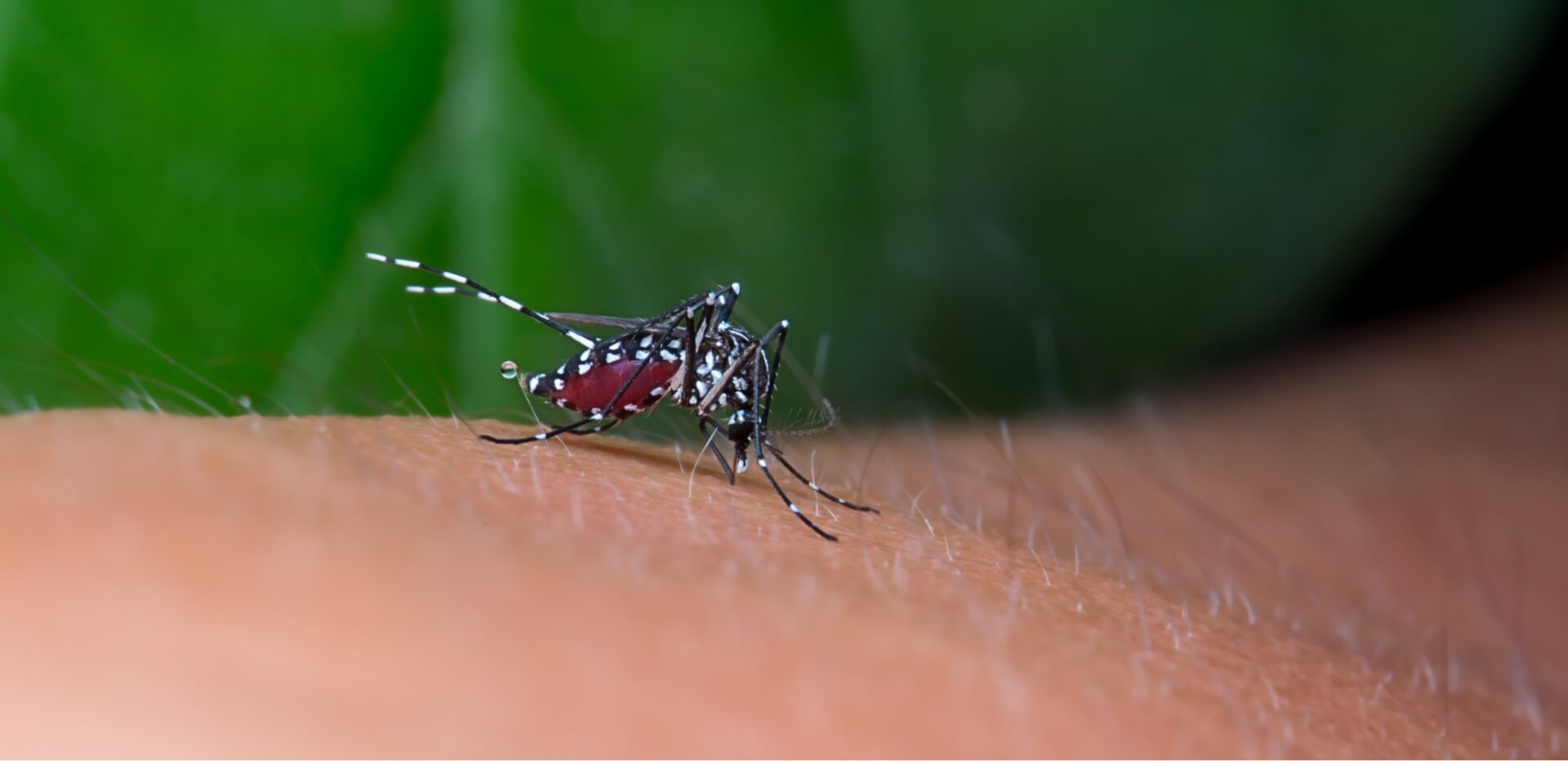
Japanese encephalitis disease is caused by a virus transmitted through infected mosquitoes, particularly in rural and agricultural areas. It cannot spread directly from person to person.
The risk is higher in regions with rice fields or standing water where mosquitoes breed. Travellers spending extended time outdoors, especially during evenings, may face increased exposure.
Where is the risk highest?
The Japanese encephalitis risk is most common in:
- South East Asia.
- Parts of India and China.
- Rural farming areas.
- Regions with seasonal rainfall.
Short-term travellers may still be at risk depending on their activities and location.
Who is most at risk?
Risk tends to increase for:
- Long-stay travellers.
- Those visiting rural areas.
- People working outdoors.
- Individuals not using mosquito protection.
Understanding your travel plans helps assess whether vaccination is needed.
What are the symptoms of Japanese encephalitis?
Most people infected with the virus do not develop symptoms. However, in rare cases, the illness can become severe and affect the brain.
Japanese encephalitis symptoms usually appear between five to fifteen days after a mosquito bite.
Mild symptoms of Japanese encephalitis
In early stages, symptoms may include:
- Fever.
- Headache.
- Feeling generally unwell.
These can be easily mistaken for other common illnesses.
Severe symptoms of Japanese encephalitis
In more serious cases, symptoms can quickly worsen and may include:
- Confusion or disorientation.
- Seizures.
- Weakness or paralysis.
- Difficulty speaking or moving.
Severe infection can lead to long-term neurological complications and, in some cases, can be life-threatening.
How dangerous is the Japanese encephalitis risk for travellers?
The overall Japanese encephalitis risk for most UK travellers is low, but the consequences can be severe if infection occurs.
Even though only a small percentage of infections lead to serious illness, those that do can result in lasting brain damage. This is why prevention plays such an important role.
Why is it considered serious?
Japanese encephalitis is considered dangerous because:
- There is no specific antiviral treatment.
- Severe cases can lead to permanent complications.
- Recovery may take months or longer.
- In rare cases, it can be fatal.
Because of this, prevention and vaccination are strongly recommended for certain travellers.
What are the options for Japanese encephalitis prevention?
Japanese encephalitis prevention involves a combination of avoiding mosquito bites and considering vaccination before travel.
Simple precautions can significantly reduce your risk.
How can you avoid mosquito bites?
To reduce exposure:
- Use insect repellent containing DEET.
- Wear long sleeves and trousers.
- Sleep under mosquito nets if needed.
- Stay in accommodation with screens or air conditioning.
These measures are essential even if you are vaccinated.
Is the Japanese encephalitis vaccine necessary?
The Japanese encephalitis vaccine is recommended for travellers at higher risk. This includes those visiting rural areas, staying for longer periods, or travelling during peak mosquito seasons.
The vaccine is usually given as a Japanese encephalitis injection course before travel. Your suitability depends on your destination and travel plans.
When should you consider the Japanese encephalitis injection?
You should consider a Japanese encephalitis injection in the UK if your travel involves higher exposure to mosquitoes in affected regions.
Planning ahead is important, as the vaccine course may require more than one dose and needs to be completed before departure.
How effective is the vaccine?
The Japanese encephalitis vaccine is highly effective in preventing infection when given correctly. It is a key part of travel health planning for high-risk destinations.
Are there any side effects?
Most people tolerate the vaccine well. Possible side effects may include:
- Mild soreness at the injection site.
- Headache.
- Fatigue.
Serious side effects are rare, but discussing your medical history with our pharmacists helps ensure safe vaccination.
How can you prepare for safe travel to affected regions?
Preparing properly before travelling to areas with Japanese encephalitis risk can greatly reduce your chances of infection.
This includes understanding your destination, following mosquito protection advice, and considering vaccination where appropriate.
Book your appointment with our experts at Touchwood Pharmacy for personalised travel health advice, Japanese encephalitis vaccine guidance, and protection personalised to your trip.
FAQs
Do I need the Japanese encephalitis vaccine for short trips?
You may not always need the vaccine for short trips, but it depends on your destination, rural exposure, and activities. Our pharmacists can assess your individual Japanese encephalitis risk before travel.
How long does the Japanese encephalitis vaccine last?
The Japanese encephalitis vaccine provides long-lasting protection after the full course. A booster may be recommended if you remain at risk or plan to travel again later.
Can Japanese encephalitis be cured once infected?
There is no specific cure for Japanese encephalitis disease. Treatment focuses on managing symptoms and complications, which is why prevention and vaccination are strongly recommended before travelling.
When should I get the Japanese encephalitis injection before travel?
You should start the Japanese encephalitis injection course at least a few weeks before travel. This allows enough time to complete doses and build effective protection before departure.
How common are Japanese encephalitis symptoms in travellers?
Japanese encephalitis symptoms are rare in travellers, but when they occur, they can be severe. Even with low risk, preventive measures remain important due to potential complications.
Is mosquito protection enough without the JE vaccine?
Mosquito protection helps reduce exposure, but it may not be enough in high-risk areas. Combining protective measures with the Japanese encephalitis vaccine offers stronger and more reliable protection.