











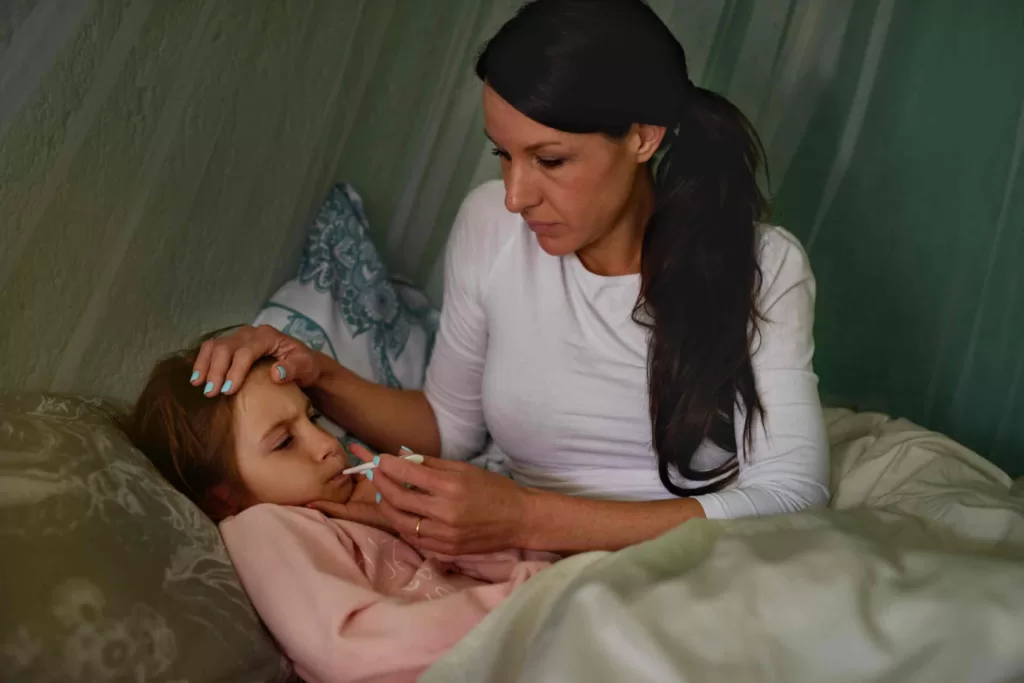
Chikungunya is a viral infection spread by mosquito bites, known for causing fever and severe joint pain. According to the UK Health Security Agency (UKHSA), a total of 73 travel-associated cases of chikungunya were reported in England in the first six months of 2025—more than double the 27 cases in the same period the previous year.
While not usually life-threatening, chikungunya can lead to weeks or even months of discomfort if not recognised early. Understanding the early symptoms of chikungunya can help you seek timely support, especially if you have recently travelled abroad.
What Causes Chikungunya, and How Does It Spread?
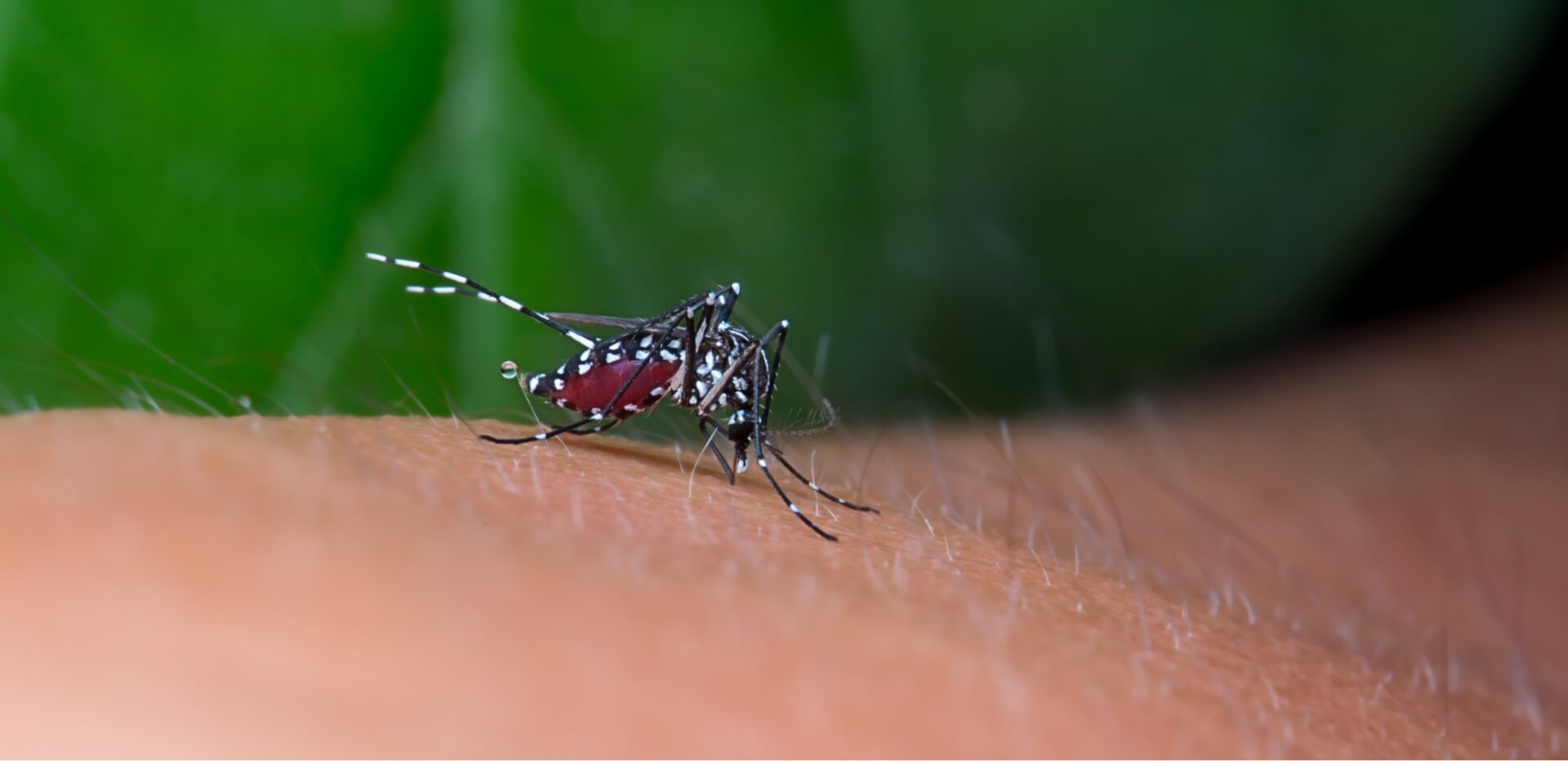
Chikungunya is caused by the Chikungunya virus (CHIKV), transmitted through the bite of infected Aedes aegypti or Aedes albopictus mosquitoes. These mosquitoes are active during the day and also spread other viral infections like dengue and Zika.
Although local transmission of chikungunya in the UK is rare, imported cases occur each year, mainly in travellers returning from tropical and subtropical countries in Africa, Asia, and the Caribbean.
How Long Does It Take for Chikungunya Symptoms to Appear?
After being bitten, Chikungunya symptoms usually begin within 3 to 7 days. The onset is often sudden, with fever and joint pain being the first noticeable signs.
What Are the Early Symptoms of Chikungunya?
The early symptoms of Chikungunya can appear very quickly after infection. These are usually mild to moderate but can sometimes be severe enough to affect daily activities.
Common Early Symptoms
- High fever, often above 38.5°C
- Severe joint pain, especially in wrists, ankles, fingers, and knees
- Headache and muscle aches
- Fatigue and general weakness
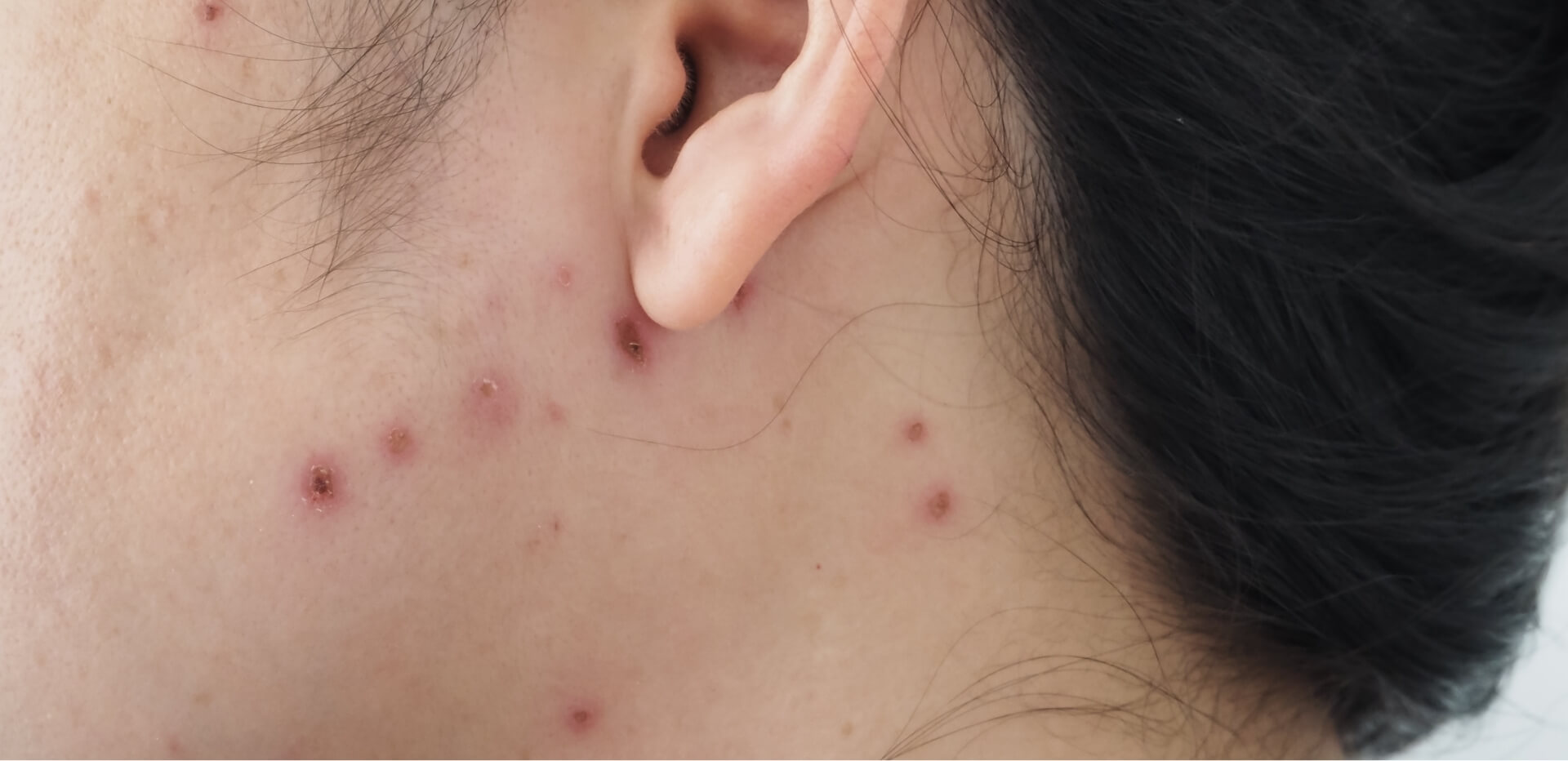
- Rash, typically appearing a few days after fever starts
Some people may also experience nausea, mild bleeding from the gums, or conjunctivitis.
How to Tell the Difference: Chikungunya vs Dengue
Both infections cause fever and body pain, but their patterns differ.
- Chikungunya causes sharper, more localised joint pain that can linger for weeks or months.
- Dengue often leads to muscle and bone pain, low platelet count, and, in severe cases, bleeding symptoms.
Recognising these distinctions helps ensure correct management and prevents unnecessary complications.
When Should You Seek Help for Chikungunya Symptoms?
If you develop fever and joint pain after travelling to a region where chikungunya is common, you should seek medical attention promptly.
Our pharmacists can provide guidance on symptom relief, recovery, and whether you may need further assessment to rule out dengue or malaria.
You should also seek help urgently if you notice:
- Persistent high fever beyond 3 days
- Extreme fatigue or dehydration
- Swelling or severe joint stiffness
- Any signs of bleeding
What Does Chikungunya Treatment Involve?
There is currently no specific antiviral treatment for Chikungunya fever. Most people recover with rest, hydration, and simple pain management.
Supportive Care Measures
- Rest and fluids: Help the immune system fight off the virus.
- Pain and fever relief: Simple analgesics may help ease discomfort but should only be used after dengue has been excluded.
- Cool compresses: May help manage fever and skin irritation.
Our pharmacists can advise on safe over-the-counter options and guide you on when to seek further medical help.
How Long Does Recovery Take?
Recovery usually happens within one to two weeks, though joint pain may persist longer. In some adults, especially older individuals, fatigue and stiffness can last for several months.
Is There a Vaccine for Chikungunya in the UK?
Yes. As of 2025, two Chikungunya vaccines — IXCHIQ® and Vimkunya® — are licensed for use in the UK. They are mainly recommended for adults and travellers heading to areas where Chikungunya is widespread.
While the vaccine is not part of the NHS routine schedule, it is available privately at selected clinics and pharmacies, including Touchwood Pharmacy. Vaccination can provide added protection if you’re planning to visit tropical or subtropical destinations where outbreaks are common.
Our pharmacists can assess your travel plans, discuss suitability, and arrange vaccination safely and conveniently.
How Can You Prevent Chikungunya?
Even with the vaccine available, mosquito bite prevention remains essential, especially in regions where the virus circulates.
Chikungunya Prevention Tips
- Apply mosquito repellent containing DEET or picaridin.
- Wear long-sleeved clothing and trousers during the day.
- Sleep under mosquito nets or in screened rooms.
- Avoid areas with stagnant water where mosquitoes breed.
Simple precautions can significantly reduce your risk of infection.
Getting Chikungunya Advice, Treatment, and Vaccination Near You
If you experience chikungunya symptoms after returning from abroad, don’t ignore them. Early advice and assessment help rule out other conditions like dengue or malaria and support faster recovery.
Book your appointment with our experts at Touchwood Pharmacy for professional advice, symptom management, and private Chikungunya vaccination options in the UK.
FAQs
What are the first signs of Chikungunya infection?
The first signs of Chikungunya usually include a sudden high fever followed by severe joint pain in the wrists, ankles, or fingers. Many people also experience headache, muscle pain, and a skin rash within the first few days. These early symptoms appear 3 to 7 days after a mosquito bite from an infected Aedes mosquito.
How can you tell if it’s Chikungunya or dengue?
Chikungunya vs dengue can be difficult to tell apart at first because both cause fever and body pain. However, joint pain in chikungunya is usually sharper and lasts longer, while dengue is more likely to cause muscle pain, low platelets, and bleeding symptoms. If you’re unsure, seek advice from our pharmacist for appropriate testing.
Can Chikungunya cause long-term joint pain?
Yes. Although most people recover within one to two weeks, joint pain can persist for several weeks or even months in some cases. This post-viral joint pain is more common in older adults or people with pre-existing joint problems. Our pharmacists can recommend safe pain relief and recovery strategies.
Is there a chikungunya vaccine available in the UK?
Yes. The chikungunya vaccine is now available in the UK under two licensed brands — IXCHIQ® and Vimkunya®. They are mainly recommended for travellers to high-risk regions such as Asia, Africa, or the Caribbean. The vaccine can be accessed privately through pharmacies like Touchwood Pharmacy, where our pharmacists can assess your suitability and arrange vaccination.
Can you get Chikungunya in the UK?
Local transmission of Chikungunya in the UK is extremely rare, as the mosquitoes that spread the virus are not native to the country. However, cases are reported each year in travellers returning from affected regions. If you develop Chikungunya symptoms after travel, visit Touchwood Pharmacy for professional advice, symptom assessment, and treatment guidance, or book your consultation online for quick and reliable support.
How can you protect yourself from chikungunya when travelling?
To protect yourself, use mosquito repellent containing DEET or picaridin, wear light-coloured long clothing, and avoid areas with standing water. Vaccination before travelling offers additional protection. Book your appointment with Touchwood Pharmacy to discuss safe travel preparation and private Chikungunya vaccination options.