









Shingles is a painful skin condition that can affect anyone who has had chickenpox in the past. In England and Wales alone, more than 50,000 cases of shingles occur each year in people aged 70 and over, showing how common this problem is among older adults. Many people wonder, “What does shingles look like?” and how to know when to seek help. Understanding the early signs of shingles rash, its symptoms, and ways to prevent shingles can make a real difference.
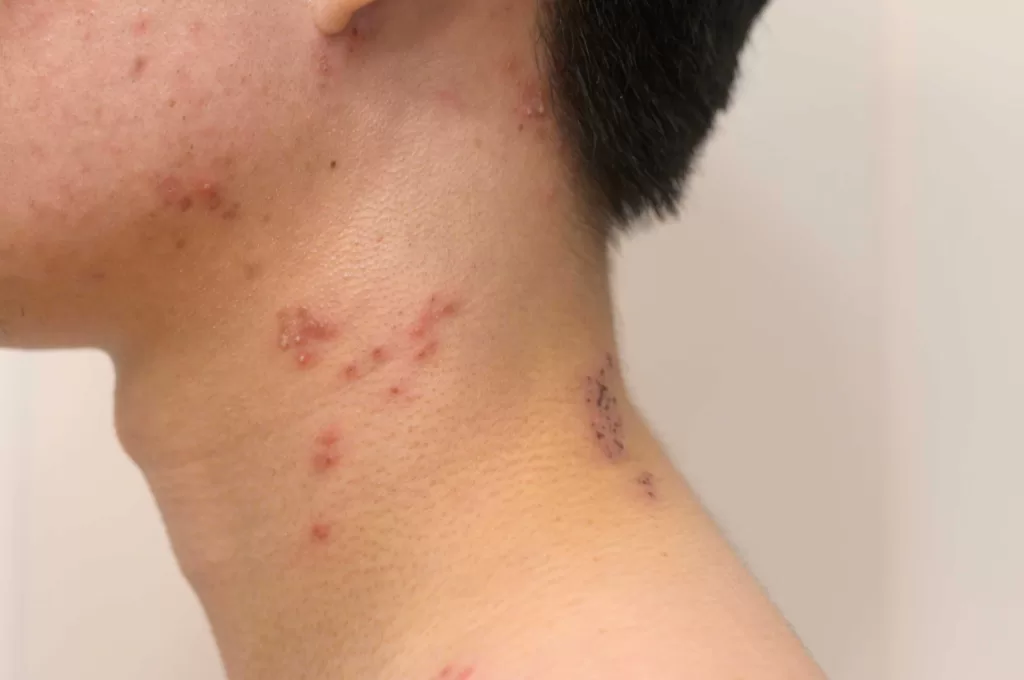
What does shingles look like?
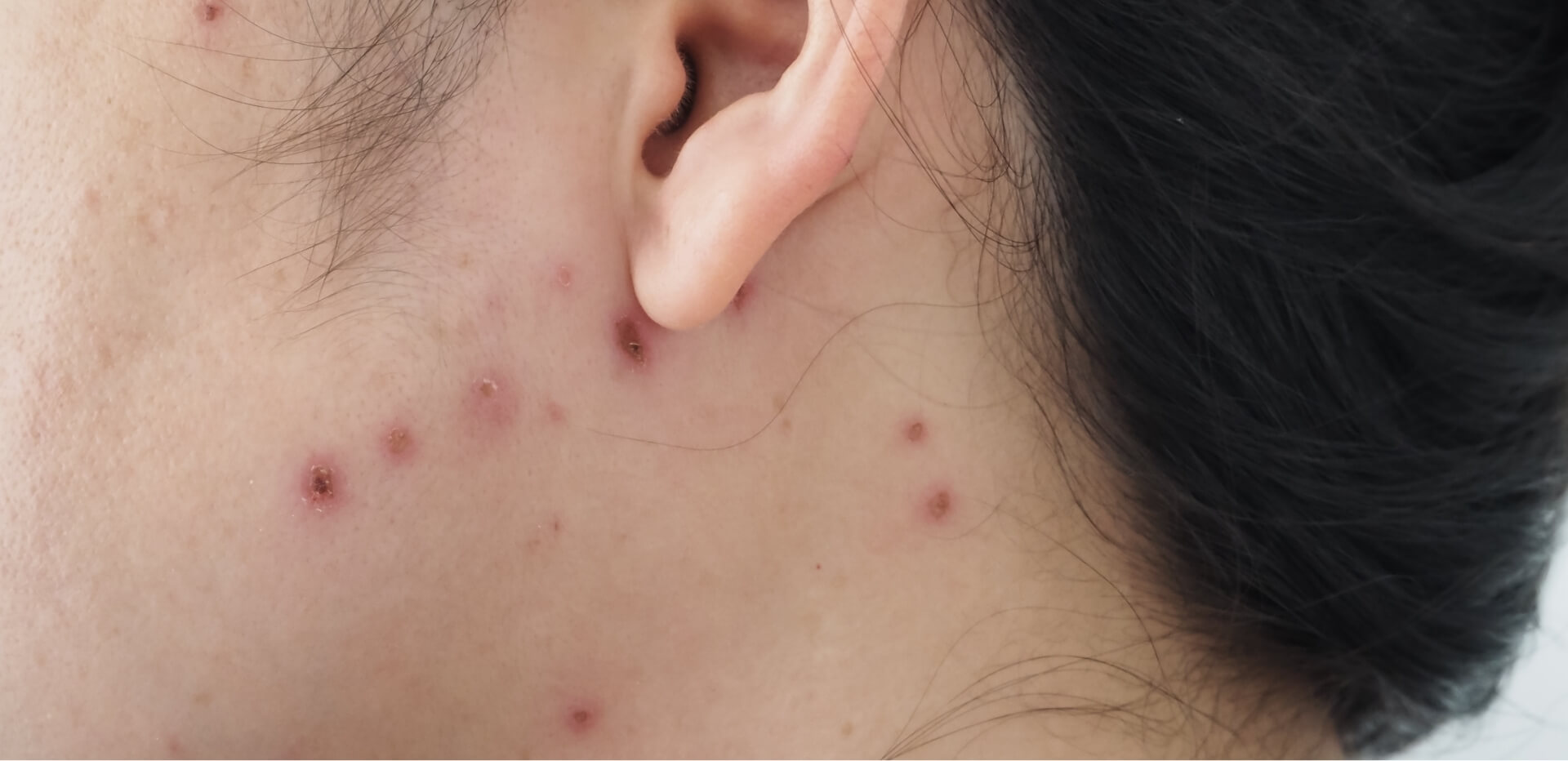
Shingles usually starts as a tingling or burning feeling on one side of the body, often on the chest, back, or face. Within a few days, a rash appears that quickly turns into small, fluid-filled blisters.
Key features of the rash
- Appears on one side of the body only.
- Starts as red patches before turning into blisters.
- Blisters may burst and scab over in 7 to 10 days.
Because the rash is so distinct, learning how to identify shingles early helps you seek timely support.
What are the early signs of a shingles rash?
Before the rash appears, many people notice warning signs. These early symptoms often affect the area where the rash will later show up.
Common early signs
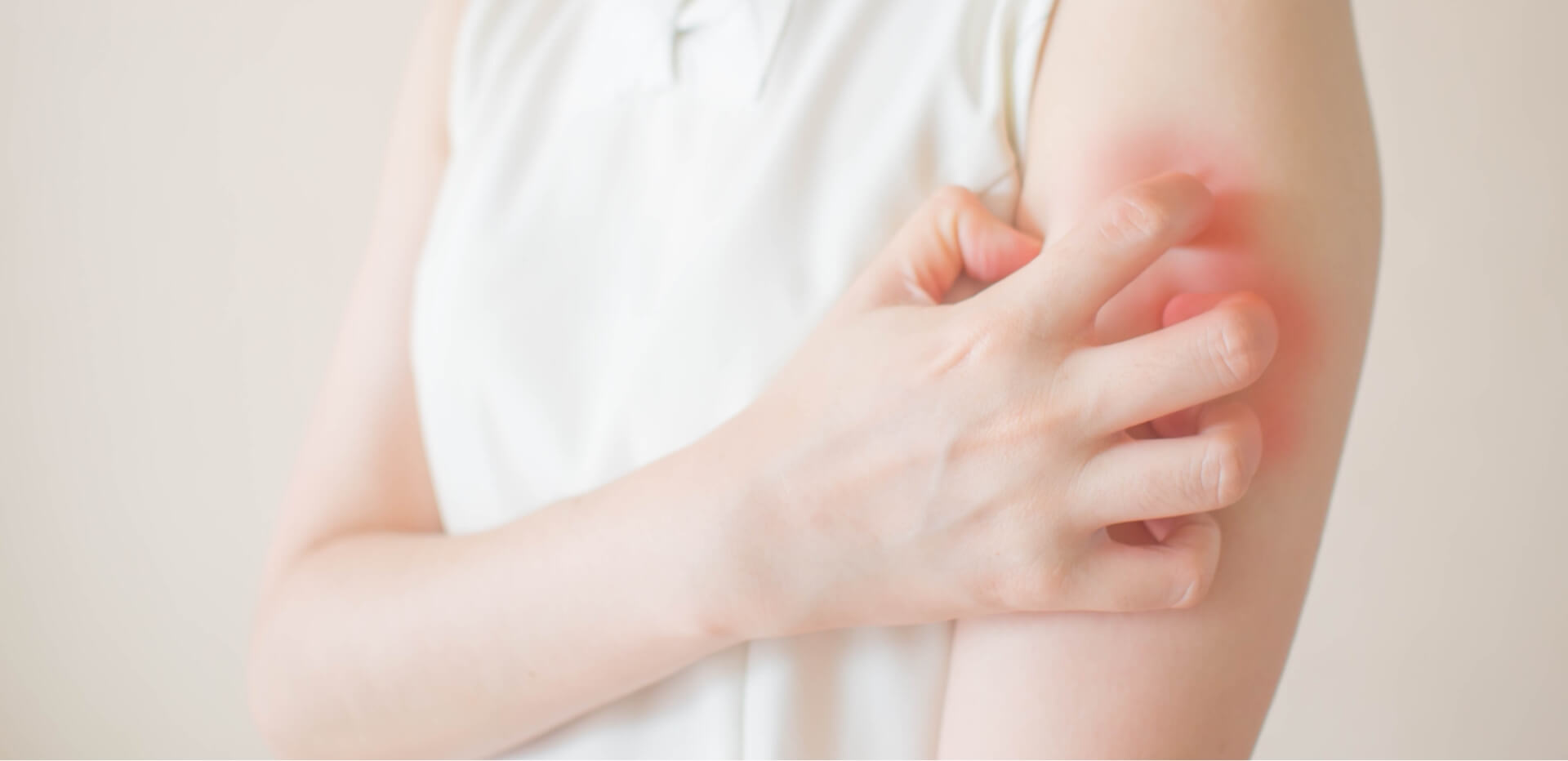
- Tingling, burning, or itching on the skin
- Sharp or shooting pain
- Sensitivity to touch
- Feeling generally unwell or tired
Catching these early signs of shingles rash means you can get help sooner and reduce discomfort.
What are the main shingles symptoms?
Shingles symptoms vary, but pain and skin changes are the most common. In some cases, the pain can continue even after the rash has cleared, which is known as post-herpetic neuralgia.
Typical symptoms include:
- Pain, itching, or tingling in the affected area
- Rash turning into fluid-filled blisters
- Fever or headache in some cases
- Lasting nerve pain in certain people
These symptoms usually last 2 to 4 weeks, though nerve pain can last longer in some individuals.
How to identify shingles compared to other rashes?
It can sometimes be tricky to tell shingles apart from other skin conditions. However, the one-sided pattern and pain make it easier to distinguish.
Differences from other rashes
- Eczema or allergies are often widespread, not one-sided.
- Cold sores affect the mouth or lips, while shingles can appear elsewhere.
- Chickenpox spreads across the body, but shingles is limited to one area.
If you are unsure how to identify shingles, speak to our pharmacists for personalised advice.
How can you prevent shingles?
While you cannot always stop shingles from occurring, there are steps you can take to reduce your risk.
Prevention tips
- A shingles vaccine is offered to people from the age of 65 and also to those in their 70s.
- Adults aged 50 or over with a weakened immune system may also be able to receive it.
- Maintaining a healthy lifestyle helps support your immune system.
- Managing stress may lower the chance of a flare-up.
If you are interested in learning more about how to prevent shingles, our pharmacists can guide you through your options.
When should you seek help for shingles?
You should seek help as soon as you notice the first signs of shingles. Early treatment can shorten the illness and reduce the risk of long-term pain.
Seek help quickly if:
- The rash is near your eyes or face.
- You have a weakened immune system.
- The pain is severe or worsening.
- The rash is spreading beyond one area.
Prompt support ensures you get the right care and comfort as quickly as possible.
Book your appointment with our experts at Touchwood Pharmacy for personalised advice and support with shingles.
FAQs about Shingles
Can shingles appear without a rash?
Yes, in rare cases shingles can cause pain, burning, or tingling in one area of the body without a visible rash. This is known as zoster sine herpete and can be harder to diagnose. If you have unexplained nerve pain on one side of your body, speak to a pharmacist for advice.
How long does a shingles rash usually last?
The rash typically lasts between 2 and 4 weeks. The blisters scab over within 7 to 10 days, but the pain may continue for weeks or even months in some people. Early treatment can help reduce the length and severity of the illness.
Can shingles spread from one person to another?
You cannot catch shingles from someone else. However, a person with shingles can pass the chickenpox virus to someone who has never had chickenpox before. This usually happens through direct contact with the fluid from the blisters.
What is the difference between early signs of shingles rash and other skin conditions?
Shingles usually begins with pain, tingling, or burning on one side of the body before a rash appears. Unlike eczema or allergic reactions, shingles is typically limited to one area and is often very painful, which makes it easier to identify.
Can stress trigger a shingles outbreak?
Yes, high levels of stress can weaken your immune system, which may increase the chance of shingles developing. While stress alone does not cause shingles, it is considered a contributing factor.
Is there a way to prevent shingles completely?
The shingles vaccine is the most effective way to lower your risk of developing shingles or to reduce the severity if it does occur. Our pharmacists can advise you on whether the vaccine is suitable for you and arrange a convenient appointment.