











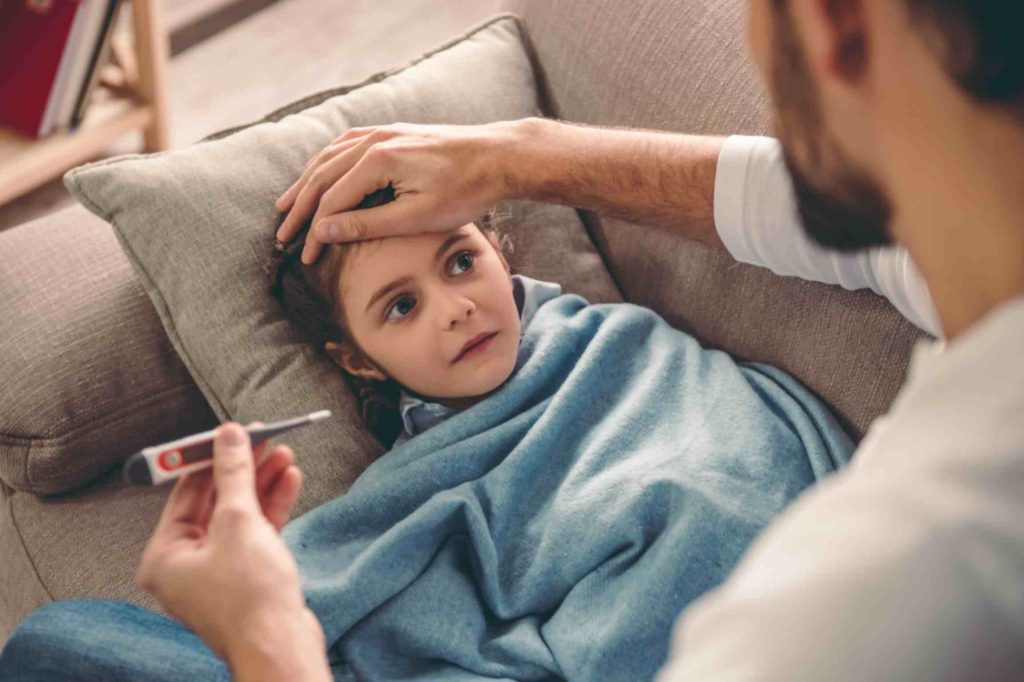
Chikungunya fever is a viral illness that has become an increasingly recognised risk for travellers visiting tropical and subtropical regions. The name, derived from a word in the Makonde language of East Africa meaning ‘to become contorted’, reflects the severe joint pain that is the hallmark of the disease. If you are planning travel to an affected area, understanding what chikungunya is, how it spreads, and how to protect yourself is an important part of your pre-travel health preparation.
What Is Chikungunya Fever?
Chikungunya is a mosquito-borne viral illness caused by the chikungunya virus (CHIKV), an alphavirus transmitted to humans through the bite of an infected mosquito. It is not transmitted directly from person to person, and most people who contract it recover fully, though joint pain can persist for weeks or even months in some cases.
The disease is found across large parts of Africa, Asia, the Indian subcontinent, the Caribbean, Central and South America, and parts of southern Europe. Cases reported in the UK almost always occur in returning travellers.
How Is Chikungunya Spread?
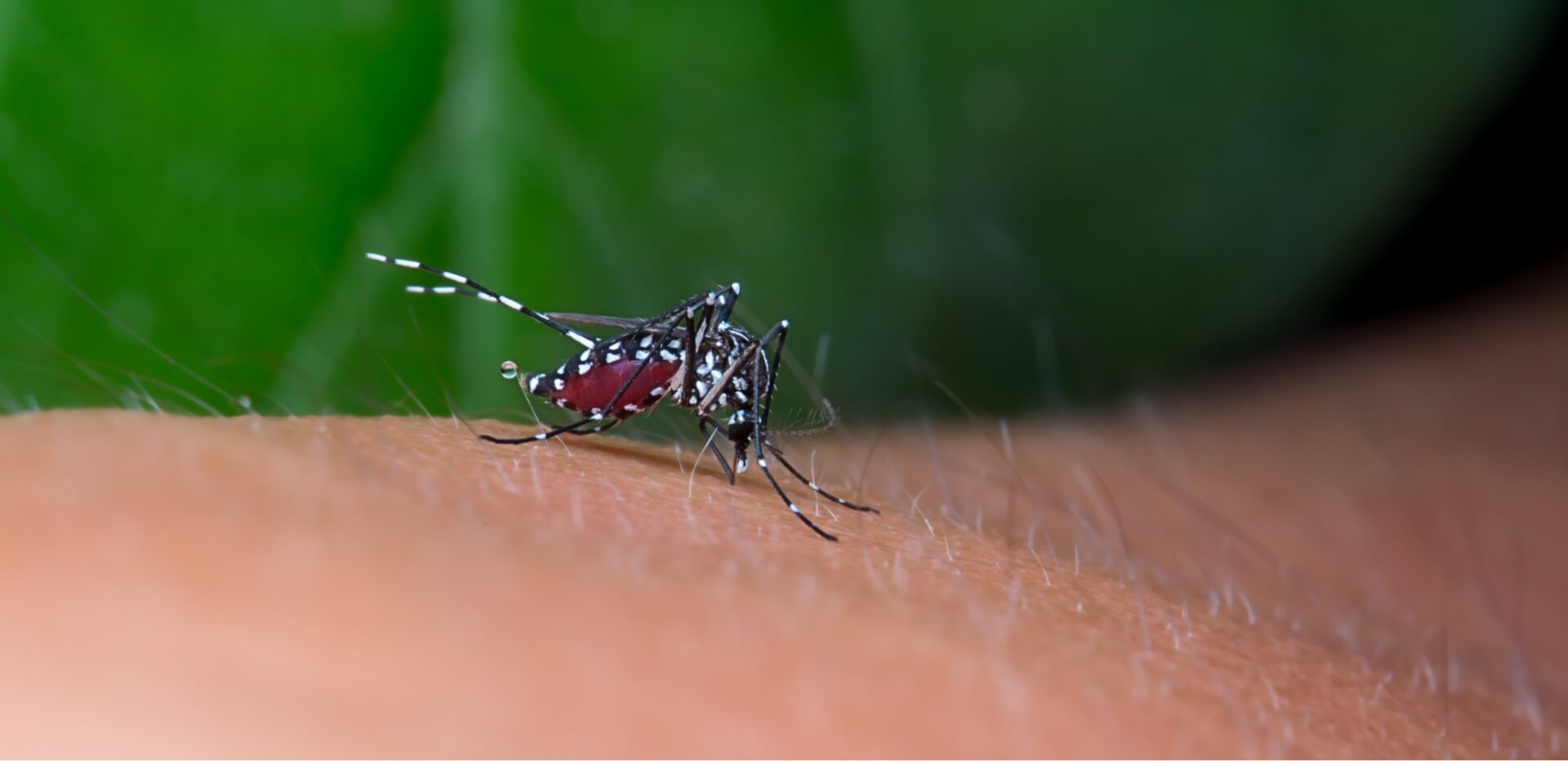
Chikungunya is spread exclusively through mosquito bites. Understanding how chikungunya spreads is straightforward: a mosquito bites a person already infected with the virus and picks it up in the process. When that mosquito then bites another person, it transmits the virus through its saliva.
The two mosquito species primarily responsible for transmission are Aedes aegypti and Aedes albopictus. Unlike the species that transmit malaria, these mosquitoes are active during daylight hours, with peak biting activity in the early morning and late afternoon. This is an important distinction for travellers, as mosquito net protection during sleeping hours alone is insufficient.
Aedes albopictus, also known as the tiger mosquito, has expanded its range significantly into parts of southern Europe, including Spain, Italy, and France, meaning that chikungunya is no longer exclusively a risk in distant tropical destinations.
What Are the Symptoms of Chikungunya Fever?
Chikungunya fever symptoms typically appear between two and twelve days after a mosquito bite, with most people developing symptoms within three to seven days of infection. The onset is usually sudden, and the illness can feel severe in the early days.
Common Chikungunya Fever Symptoms
- High fever, often appearing abruptly and reaching 38.5°C or above
- Intense joint pain affecting multiple joints simultaneously, most commonly the hands, wrists, ankles, and feet
- Joint swelling
- Muscle pain and generalised body aches
- Headache
- Fatigue and weakness
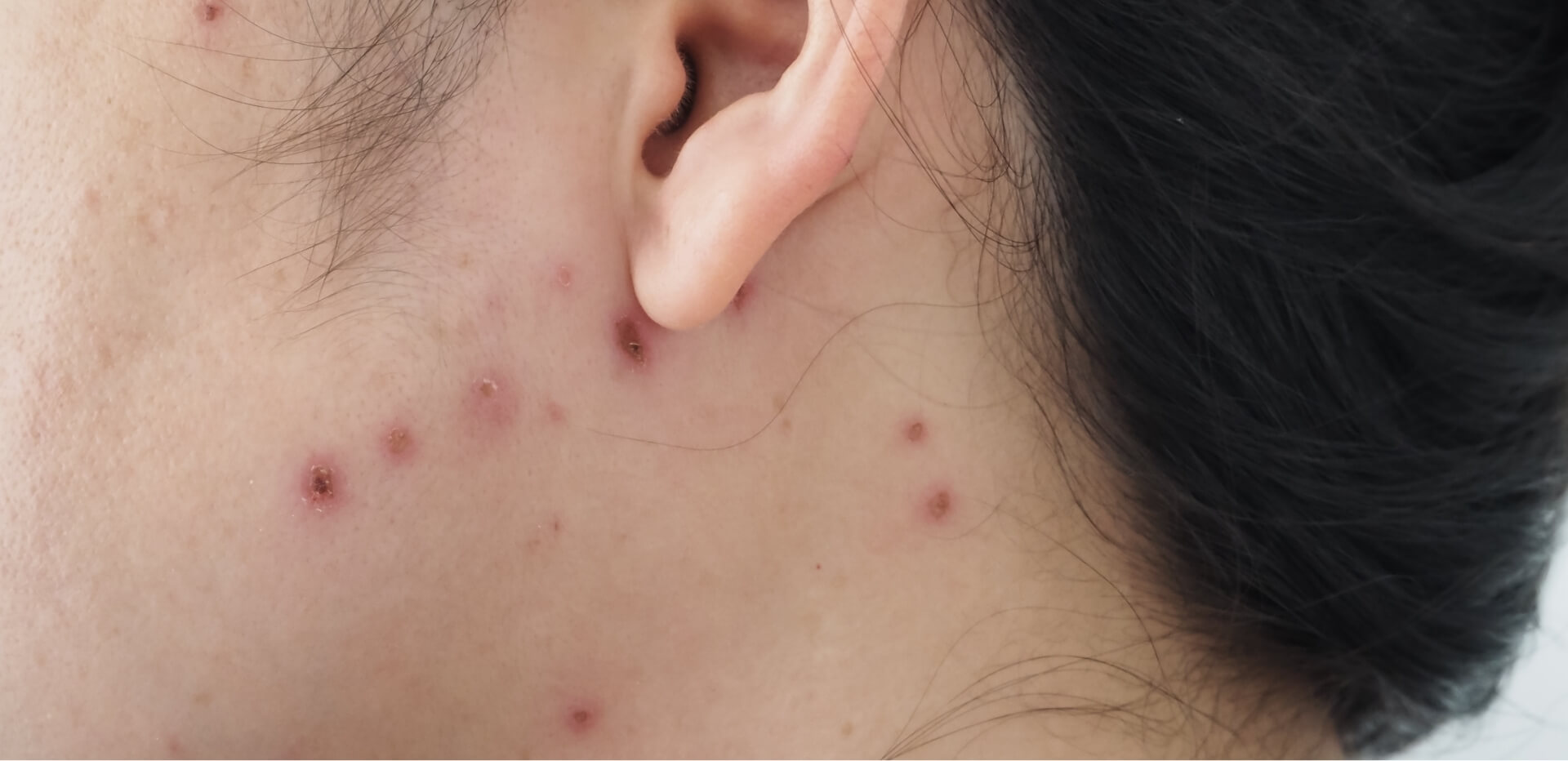
- A rash, typically appearing two to five days after the onset of fever
- Nausea in some cases
How Long Does Chikungunya Fever Last?
The acute phase of the illness generally lasts between one and two weeks for most people. However, chikungunya is particularly notable for the persistence of joint pain, which can continue for months or, in some cases, years after the initial infection. This prolonged arthritis-like condition is more common in older adults and those with pre-existing joint conditions.
There is no specific antiviral treatment for chikungunya. Management focuses on relieving symptoms with rest, hydration, and appropriate pain relief. Always seek medical advice, particularly if symptoms are severe or do not improve.
Who Is Most at Risk?
Anyone travelling to an area where chikungunya is present and where the relevant mosquito species are active is potentially at risk. However, some groups face a higher risk of more serious or prolonged illness:
- Older adults, particularly those over 65.
- People with underlying conditions such as diabetes, heart disease, or joint disease.
- Newborns, if a mother is infected around the time of delivery.
Chikungunya is one of several mosquito-borne diseases that travellers to tropical and subtropical regions should be aware of, alongside dengue fever and, in some areas, malaria. The preventive measures for all of these overlap significantly.
How to Protect Yourself Against a Chikungunya Mosquito Bite
There is currently no widely available vaccine for chikungunya licensed for general use in the UK, though this area is developing. Prevention, therefore, relies primarily on avoiding mosquito bites:
- Apply an effective insect repellent containing DEET, picaridin, or IR3535 to exposed skin throughout the day, not only at dusk.
- Wear long-sleeved clothing and trousers, particularly during peak biting hours in the early morning and late afternoon.
- Stay in air-conditioned or well-screened accommodation where possible.
- Use bed nets treated with insecticide, even though daytime biting is the primary risk, as some transmission does occur at night.
- Avoid areas with standing water, which serve as breeding grounds for Aedes mosquitoes.
A travel health consultation before your departure is the most reliable way to receive current, destination-specific advice on mosquito-borne diseases relevant to your itinerary.
Book a Travel Health Consultation at Touchwood Pharmacy
Travel health advice should be tailored to your specific destination, travel style, and medical history. What applies for a short city break in southern Europe differs considerably from extended travel in sub-Saharan Africa or the Caribbean.
At Touchwood Pharmacy, our pharmacists can advise on the risks of chikungunya and other mosquito-borne diseases for your specific trip, recommend appropriate preventive measures, and discuss any vaccinations that may be relevant to your destination.
Book your appointment with our experts at Touchwood Pharmacy for personalised travel health advice before your next trip.
This article is for informational purposes only and does not constitute medical advice. Always consult a qualified healthcare professional before travelling to high-risk regions or if you develop symptoms following travel.
Frequently Asked Questions (FAQ’s)
Is chikungunya fever dangerous?
For most healthy adults, chikungunya fever is not life-threatening, though it can cause significant illness. The greatest burden of the disease is the joint pain, which can be debilitating and persist for months. Serious complications are relatively rare but are more likely in older adults, newborns, and those with underlying health conditions.
Can you catch chikungunya in Europe?
Yes, in certain parts of southern Europe. Aedes albopictus (the tiger mosquito) is established across much of Italy, Spain, France, and other Mediterranean countries. Localised outbreaks of chikungunya have been recorded in Italy and France. Travellers to these regions should not assume they are entirely safe from mosquito-borne diseases.
Is there a vaccine for chikungunya?
A chikungunya vaccine (Ixchiq) has been approved in the United States and the European Union, though availability in the UK for routine traveller use is limited at the time of writing. Prevention in the UK currently centres on mosquito bite avoidance. Speak to a travel health pharmacist or GP for the most up-to-date information on vaccine availability before your trip.
How is chikungunya different from dengue fever?
Both are mosquito-borne diseases transmitted by Aedes mosquitoes and share similar symptoms, including fever, rash, and muscle pain. The key distinguishing feature of chikungunya is the severity and persistence of joint pain. Dengue fever is more likely to cause severe headache behind the eyes and, in its more serious form, bleeding complications. The two diseases can be difficult to distinguish clinically, and both require medical evaluation.
How long are you contagious with chikungunya?
Chikungunya is not spread from person to person. You cannot catch it from another infected individual through normal contact. Transmission requires a mosquito to bite an infected person and then bite someone else. A person with chikungunya can, however, serve as a source of infection for mosquitoes in their environment during the early phase of illness, which is why mosquito bite prevention remains important even while unwell.
What should I do if I think I have chikungunya after travelling?
If you develop a high fever, significant joint pain, or a rash within two to three weeks of returning from a region where chikungunya is present, seek medical attention promptly. Inform your doctor or the triage team of your recent travel history. In the UK, contact your GP or call NHS 111. If symptoms are severe, attend your nearest A&E department.