









Travelling to exotic destinations can be exciting, but it also means taking steps to protect your health. If you’re heading to certain parts of Africa or South America, you might need to think about a serious illness called yellow fever.
In this article, we’ll explain what yellow fever is, how it spreads, common symptoms, and how to prevent yellow fever, especially with the help of the yellow fever vaccine.
What Is Yellow Fever?
Yellow fever is a viral disease spread by mosquito bites. The virus gets its name because, in serious cases, it can cause jaundice, a yellowing of the skin and eyes. It mainly occurs in parts of Africa and Central and South America and is not found in the UK.
Yellow fever can be deadly. The virus attacks the liver and other organs, and in some people, it leads to serious illness or even death. There’s no specific cure, only prevention and supportive care.
How Do You Catch Yellow Fever?
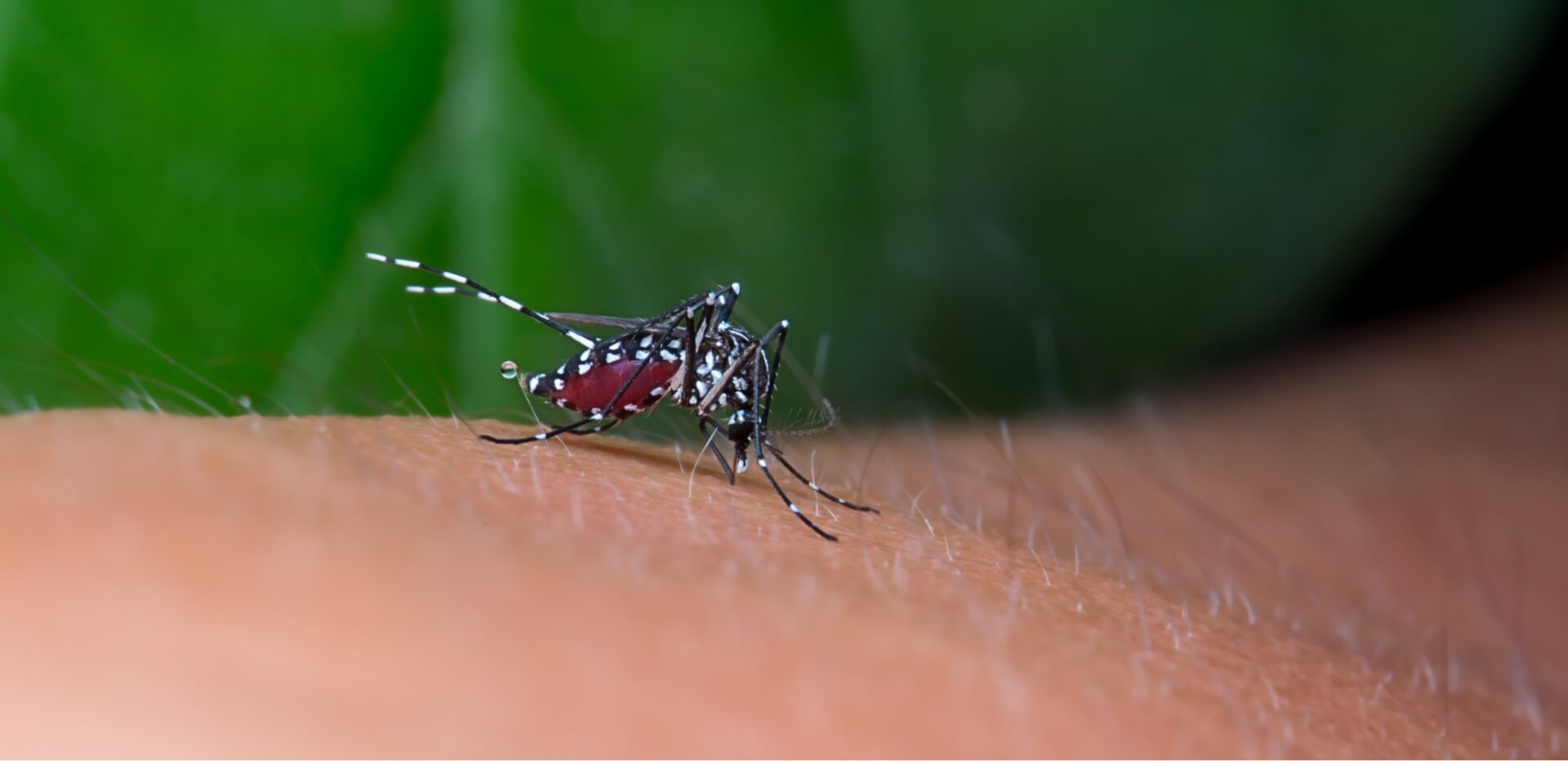
You can get yellow fever if you’re bitten by an infected mosquito. It doesn’t spread directly from person to person. However, once you have it, the virus stays in your system, and if a mosquito bites you, it can pass the virus to someone else.
Mosquitoes that spread yellow fever tend to bite during the daytime, especially around dawn and dusk.
This is why travellers heading to affected countries are strongly advised to get the yellow fever vaccination before departure.
Yellow Fever Symptoms: What to Watch Out For
Symptoms of yellow fever usually appear 3 to 6 days after being bitten by an infected mosquito. The illness comes in two phases:
Mild (early) symptoms:
- Fever
- Headache
- Muscle, and joint pain
- Feeling sick, or being sick
- Tiredness
Many people recover after this. But in some cases, symptoms return in a more serious form.
Severe symptoms:
- Jaundice (yellow skin, or eyes)
- Bleeding from the nose, or mouth
- Liver, or kidney failure
- Abdominal pain
- High fever
Around 1 in 7 people who develop severe symptoms may not survive. This is why yellow fever prevention is so important for travellers.
How to Prevent Yellow Fever Before Travelling
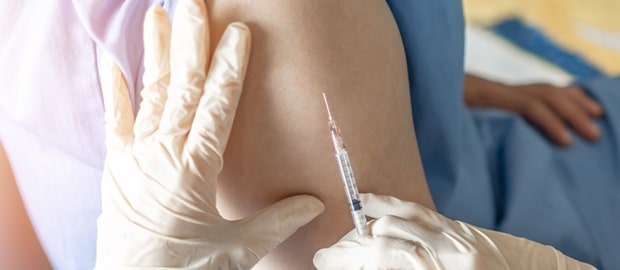
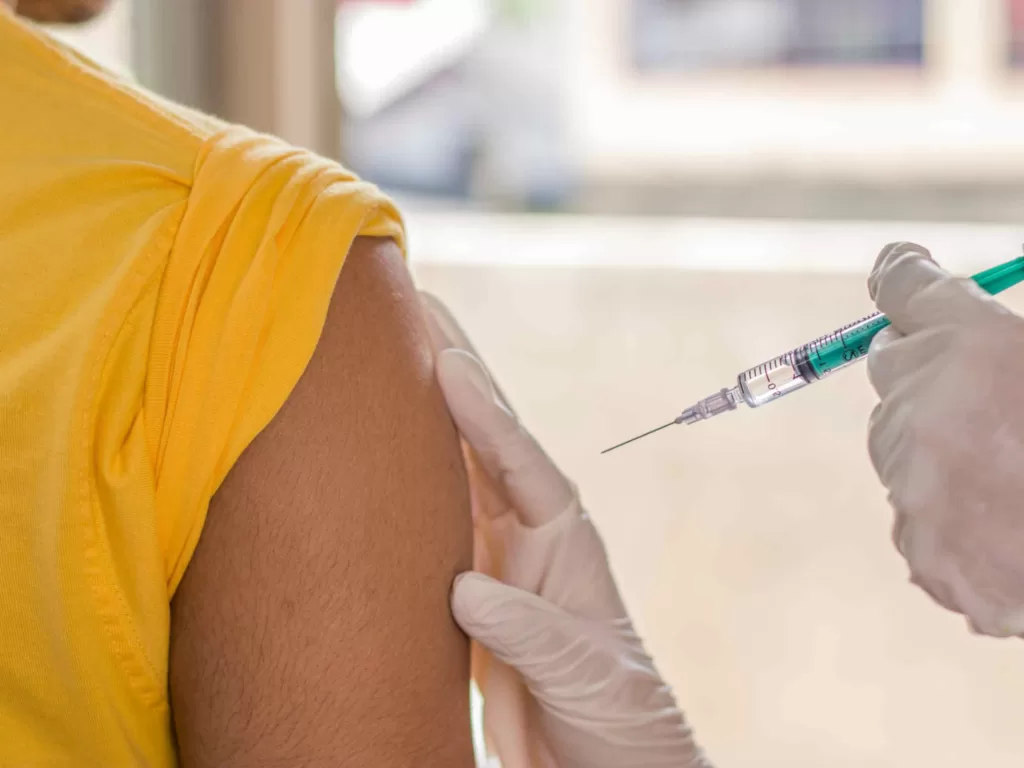
The most effective way to protect yourself is with the yellow fever vaccine. This is a single injection that offers lifelong protection in most people. You should get the vaccine at least 10 days before travel so your body has time to build immunity.
You may need a certificate (called the International Certificate of Vaccination, or Prophylaxis) to prove you’ve had the jab — this is often required to enter certain countries.
Other yellow fever prevention tips include:
- Use mosquito repellent with DEET
- Wear long sleeves, and trousers, especially in the early morning, and evening
- Sleep under mosquito nets, especially in rural, or forested areas
- Avoid stagnant water, where mosquitoes breed
These steps help reduce your risk of getting bitten, even in areas where yellow fever is less common.
Who Should Get the Yellow Fever Vaccine?
You should get the yellow fever vaccination for travel if you’re:
- Travelling to, or through, high-risk countries
- Visiting areas with recent outbreaks
- Required by immigration laws to show proof of vaccination
The vaccine is generally safe but may not be suitable for:
- Babies under 9 months
- Pregnant, or breastfeeding women
- People with weakened immune systems
- Those with severe allergies to vaccine ingredients
Always speak to a healthcare professional or travel clinic to check if the vaccine is right for you.
Travel Protected: Get Your Yellow Fever Vaccination Before You Fly!
Don’t risk your health while exploring the world. Our trained professionals offer yellow fever vaccinations, expert travel advice, and official vaccination certificates. Book now to stay safe and travel with confidence. A small step before your trip can prevent a serious illness abroad. Book your travel vaccination at Touchwood Pharmacy.