










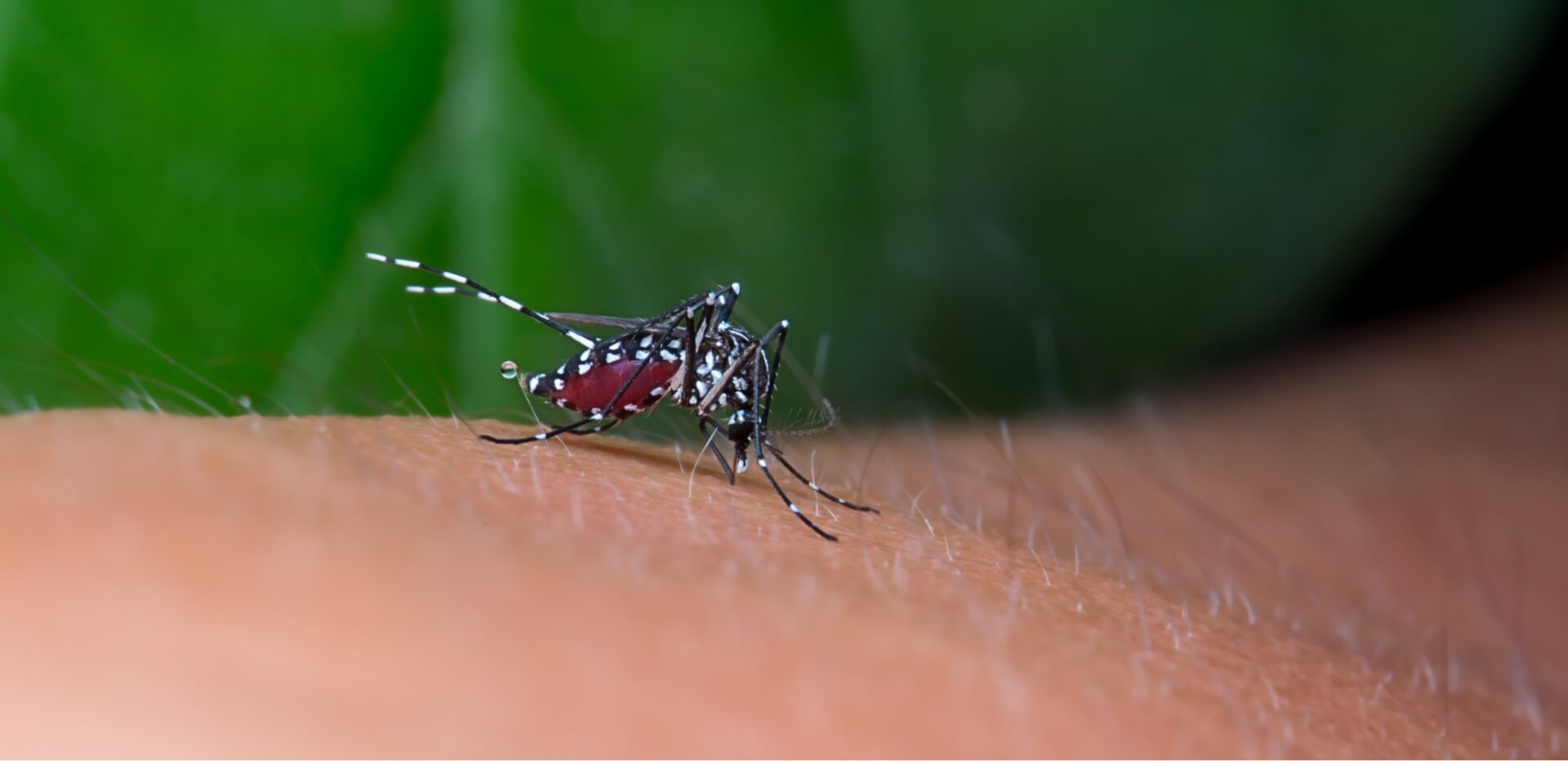



How often do we really think about the health risks behind a mosquito bite? For most people it is little more than an itchy nuisance. But in certain parts of Asia and the Western Pacific, mosquito bites can carry viruses that cause serious infections, such as Japanese encephalitis disease.
The challenge is that Japanese encephalitis symptoms often begin subtly. Early signs can feel similar to a mild viral illness, which means they may be easy to ignore at first. Understanding the warning signs and the role of the Japanese encephalitis vaccine can help travellers recognise the risks and prepare before visiting regions where the virus is present.
What is Japanese encephalitis disease?
Japanese encephalitis disease is a viral infection that spreads through mosquitoes that have fed on infected animals, particularly pigs and birds. Humans become infected when bitten by these mosquitoes.
The infection mainly occurs in rural and agricultural areas where mosquito populations are high. Travellers spending time outdoors, especially near rice fields or farms, may have a higher risk of exposure.
Most people infected with the virus do not develop symptoms. However, when illness does occur, it can lead to inflammation of the brain, known as encephalitis, which can become life-threatening.
What are the early Japanese encephalitis symptoms?
Early Japanese encephalitis symptoms often resemble a mild viral illness. These symptoms usually appear between five and fifteen days after a mosquito bite carrying the virus.
Mild flu-like symptoms
Some people may initially notice symptoms similar to common viral infections, including:
- Fever
- Headache
- Feeling generally unwell
- Tiredness
These symptoms may appear mild at first, which is why the infection can sometimes go unnoticed in the early stage.
Digestive symptoms
In some cases, the infection may also cause digestive problems such as:
- Nausea
- Vomiting
- Loss of appetite
These symptoms may occur alongside fever and headache during the early phase of illness.
What are the serious Japanese encephalitis signs and symptoms?
When the virus affects the brain, more severe Japanese encephalitis signs and symptoms may develop. This stage of illness is rare but can progress quickly and requires urgent medical assessment.
Neurological symptoms
Inflammation of the brain can cause symptoms that affect the nervous system, such as:
- Confusion or disorientation
- Seizures
- Stiff neck
- Difficulty speaking or moving
These symptoms suggest that the infection is affecting brain function.
Changes in consciousness
As the illness progresses, some people may experience:
- Severe drowsiness
- Reduced alertness
- Loss of consciousness
This stage indicates severe brain inflammation and requires immediate hospital care.
Who is most at risk of developing symptoms?
Not everyone infected with the virus becomes ill. In fact, most people never develop symptoms at all.
However, certain groups may have a higher risk of developing severe illness.
Travellers spending extended time in risk areas
People staying for longer periods in rural parts of Asia, especially during mosquito season, may have greater exposure to infected mosquitoes.
Children in endemic regions
Children living in areas where the virus is common are more likely to develop symptoms because they may not yet have immunity.
People without vaccination
Travellers who have not received a Japanese encephalitis vaccine may have a higher risk if they are exposed to infected mosquitoes.
How does the Japanese encephalitis vaccine help protect UK travellers?
The Japanese encephalitis vaccine helps the immune system recognise and fight the virus before infection develops.
The vaccine is commonly given as a Japanese encephalitis injection before travel to areas where the disease is present. It is usually recommended for travellers spending extended periods in risk regions or planning outdoor activities.
Vaccination is considered the most effective way to reduce the risk of infection, especially when combined with mosquito bite prevention measures such as insect repellent and protective clothing.
What are the possible Japanese encephalitis vaccine side effects?
Most people tolerate the vaccine well. Japanese encephalitis vaccine side effects are generally mild and temporary.
Common reactions may include:
- Soreness at the injection site
- Mild headache
- Tiredness
- Muscle aches
These symptoms typically settle within a few days. Serious reactions are rare, but any concerns should be discussed with a pharmacist before vaccination.
When should you speak to our pharmacists about travel protection?
If you are travelling to regions where the virus is present, planning ahead is important. Our pharmacist can review your travel plans and help determine whether vaccination is recommended.
They can also explain the timing of the Japanese encephalitis injection, potential vaccine side effects, and additional ways to reduce mosquito bites while abroad.
Early preparation helps ensure travellers are protected before entering higher-risk areas.
Need travel protection against Japanese encephalitis before your trip?
Understanding Japanese encephalitis symptoms and warning signs helps travellers recognise why prevention matters. While serious illness is uncommon, the consequences can be severe when the virus affects the brain.
Vaccination, mosquito bite prevention, and early travel health advice all play an important role in reducing risk when visiting affected regions.
Book your appointment with our experts at Touchwood Pharmacy for Japanese encephalitis vaccination and travel health advice before your trip.
FAQs
How soon do Japanese encephalitis symptoms appear after a mosquito bite?
Japanese encephalitis symptoms usually appear 5 to 15 days after an infected mosquito bite. Early signs may include fever, headache, and tiredness before more serious neurological symptoms develop in rare cases.
What are the first warning signs of Japanese encephalitis disease?
Early warning signs of Japanese encephalitis disease commonly include fever, headache, nausea, and fatigue. In rare cases, symptoms can progress to confusion, seizures, or difficulty moving.
How common is severe illness from Japanese encephalitis?
Severe illness from Japanese encephalitis is rare. Most infected people develop no symptoms, but a small number can experience brain inflammation that may lead to serious neurological complications.
Which countries have a risk of Japanese encephalitis?
Japanese encephalitis mainly occurs in parts of Asia and the Western Pacific, including countries such as Thailand, Vietnam, India, China, and Indonesia, particularly in rural or farming regions.
Are Japanese encephalitis vaccine side effects common?
Japanese encephalitis vaccine side effects are usually mild and short-lived. Common reactions include soreness at the injection site, headache, tiredness, or mild fever.
How effective is the Japanese encephalitis injection for travellers?
The Japanese encephalitis injection offers strong protection against the virus when given before travel. Completing the recommended course significantly reduces the risk of infection in risk areas.