












The risk does not announce itself. No warning signs, no obvious danger, just a quiet mosquito bite that can lead to something far more serious days later. For travellers heading to tropical regions, this is where the real concern begins, not during the trip, but after it.
Yellow fever and malaria sit at the centre of this risk, yet they are frequently misunderstood or treated as the same. They differ in cause, symptoms, and prevention, and knowing those differences is not just useful, it is essential for travelling safely and avoiding complications that can escalate quickly.
What is the difference between yellow fever vs malaria?
Yellow fever and malaria are both mosquito-borne diseases, but they are caused by different organisms and affect the body in different ways.
Yellow fever is caused by a virus, while malaria is caused by parasites that infect red blood cells. This means their progression, complications, and prevention methods are not the same.
How is yellow fever spread?
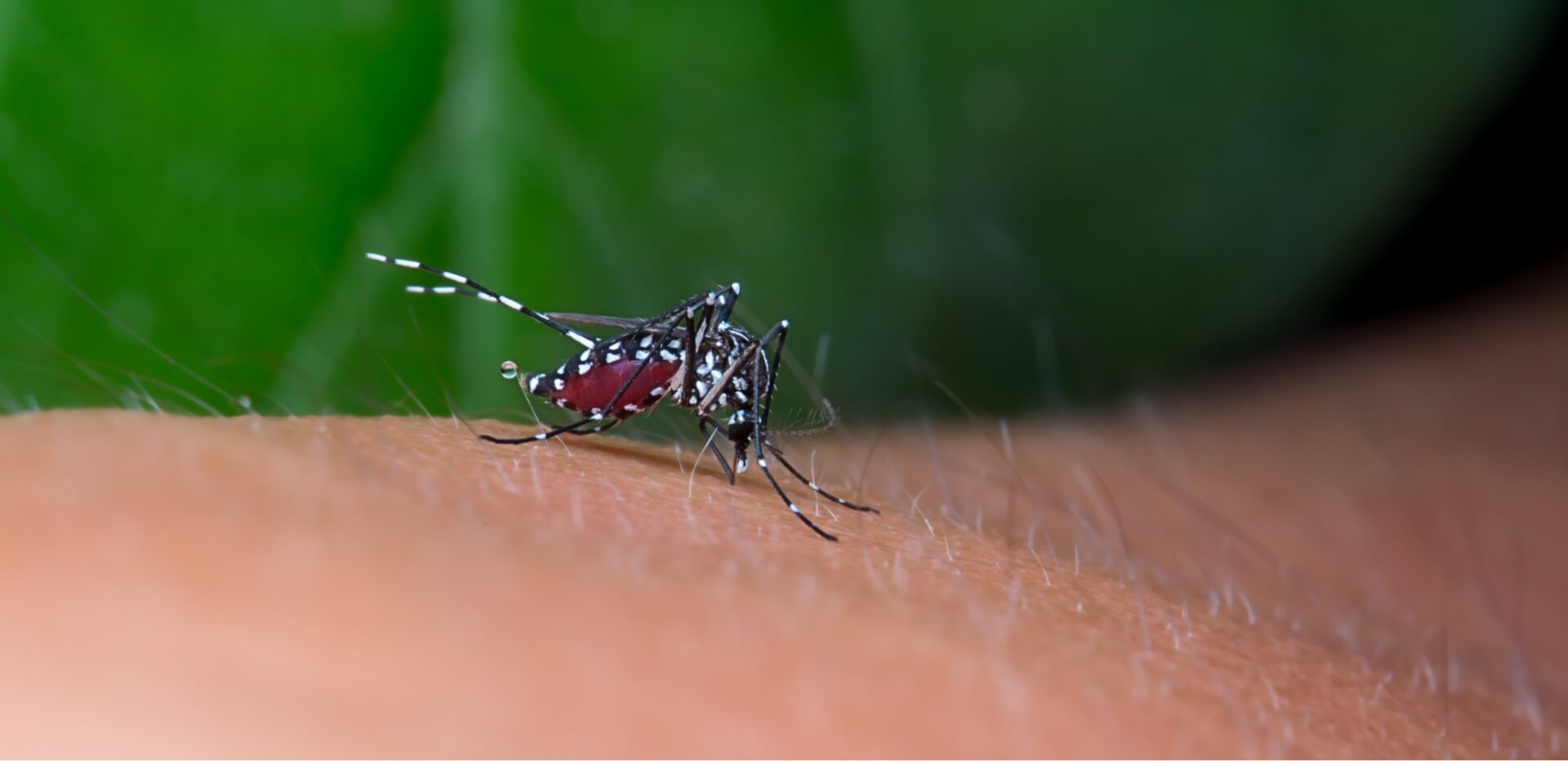
Yellow fever spreads through the bite of infected Aedes mosquitoes. These mosquitoes are active during the day and are common in urban and jungle areas.
How is malaria spread?
Malaria is transmitted by Anopheles mosquitoes, which usually bite at night. The parasite enters the bloodstream and infects the liver before spreading further.
What are the key yellow fever vs malaria symptoms?
The symptoms of yellow fever vs malaria can overlap at first, but there are some important differences to recognise early.
Common Symptoms of Yellow Fever
Symptoms of yellow fever usually appear within 3 to 6 days after infection. Early signs include:
- Sudden fever.
- Headache.
- Muscle pain.
- Nausea and vomiting.
In severe cases, it can lead to jaundice, bleeding, and organ failure, which is where the condition gets its name.
Common Malaria symptoms
Malaria symptoms typically develop 7 to 30 days after a bite, depending on the type of malaria. Common signs include:
- Fever with chills and sweating.
- Headache.
- Fatigue.
- Muscle aches.
More serious cases can cause confusion, breathing problems, or complications affecting organs.
Why symptoms can be confusing
Both illnesses start with flu-like symptoms, which makes early diagnosis difficult. This is why travel history is important when assessing symptoms after returning from abroad.
What types of malaria should travellers be aware of?
There are several types of malaria, and some are more severe than others.
The main types of malaria include:
- Plasmodium falciparum, which is the most dangerous and common in Africa.
- Plasmodium vivax, which can remain dormant and cause relapses.
- Plasmodium ovale and Plasmodium malariae, which are less common.
Knowing the type of malaria risk in your destination helps determine the right malaria prevention plan.
How can you protect yourself from these mosquito-borne diseases?
Preventing mosquito bites is the most effective way to reduce your risk of both yellow fever and malaria.
Practical malaria prevention tips
Malaria prevention usually includes a combination of medication and bite avoidance:
- Taking antimalarial tablets as advised before, during, and after travel.
- Using insect repellent with DEET.
- Sleeping under mosquito nets.
- Wearing long sleeves in the evening.
General bite prevention measures
For both diseases, you should also:
- Stay in accommodation with screens or air conditioning.
- Avoid areas with standing water where mosquitoes breed.
- Use clothing treated with insect repellent.
Do you need the yellow fever vaccine before travelling?
The yellow fever vaccine is the most effective way to prevent the disease and is often required for entry into certain countries.
Who should get the yellow fever vaccine?
Travellers visiting high-risk regions in Africa and South America are usually advised to get vaccinated. Some countries require proof of vaccination for entry.
How effective is the vaccine?
The yellow fever vaccine provides long-lasting protection, often for life after a single dose. It is considered one of the most reliable travel vaccines available.
When should you seek advice before travelling abroad?
It is important to seek travel health advice at least 6 to 8 weeks before your trip to allow time for vaccinations and planning.
A personalised consultation helps assess your destination, length of stay, and health history. This ensures you receive the right vaccinations and malaria prevention guidance.
How can you stay prepared for safe travel?
Understanding yellow fever vs malaria helps you make informed decisions before travelling to at-risk areas.
Both conditions can be serious, but with the right preparation, including vaccinations, preventive medication, and bite protection, your risk can be significantly reduced.
Book your appointment with our experts at Touchwood Pharmacy for personalised travel health advice, yellow fever vaccination, and malaria prevention customised to your destination.
FAQs
How can you tell the difference between yellow fever and malaria symptoms?
Yellow fever often causes jaundice and bleeding in severe cases, while malaria typically causes cycles of fever, chills, and sweating. Travel history and timing of symptoms help distinguish them.
Can you get both yellow fever and malaria at the same time?
Yes, it is possible to be exposed to both infections in high-risk regions. This is why both vaccination and malaria prevention measures are important when travelling.
Is the yellow fever vaccine enough to protect against mosquito-borne diseases?
No, the yellow fever vaccine only protects against yellow fever. You still need malaria prevention tablets and bite protection to reduce the risk of malaria.
Do you always need antimalarial tablets when travelling abroad?
Not always. It depends on your destination, length of stay, and risk level. Our pharmacists can advise whether antimalarial medication is necessary for your trip.
How long before travel should you get the yellow fever vaccine?
You should get the yellow fever vaccine at least 10 days before travel, as this is when protection begins and when certificates become valid for entry requirements.
What should you do if you develop a fever after returning from a high-risk country?
Seek medical advice immediately and mention your travel history. Fever after travel could be malaria or another infection and should always be checked promptly.