












Around 68,000 people develop Japanese encephalitis each year worldwide, according to the World Health Organisation. It is a relatively rare condition, but when it does occur, it can lead to severe brain inflammation and long-term complications. What makes it more concerning is how quietly it spreads, through something as common as a mosquito bite.
For UK travellers, the risk is not always obvious. A short stay in a rural area or even time spent outdoors at dusk can be enough for an infected mosquito bite to transmit the virus. Understanding how this happens is essential if you want to reduce your risk and travel with confidence.
What is Japanese encephalitis, and how does it spread?
Japanese encephalitis is a viral infection that spreads through the bite of an infected mosquito. It belongs to a group of mosquito-borne diseases that are common in parts of Asia and the Western Pacific.
The virus does not spread from person to person. Instead, it circulates between animals, mainly pigs and birds, and mosquitoes. When a mosquito bites an infected animal and later bites a human, transmission can occur.
What occurs in the body after an infected mosquito bite?
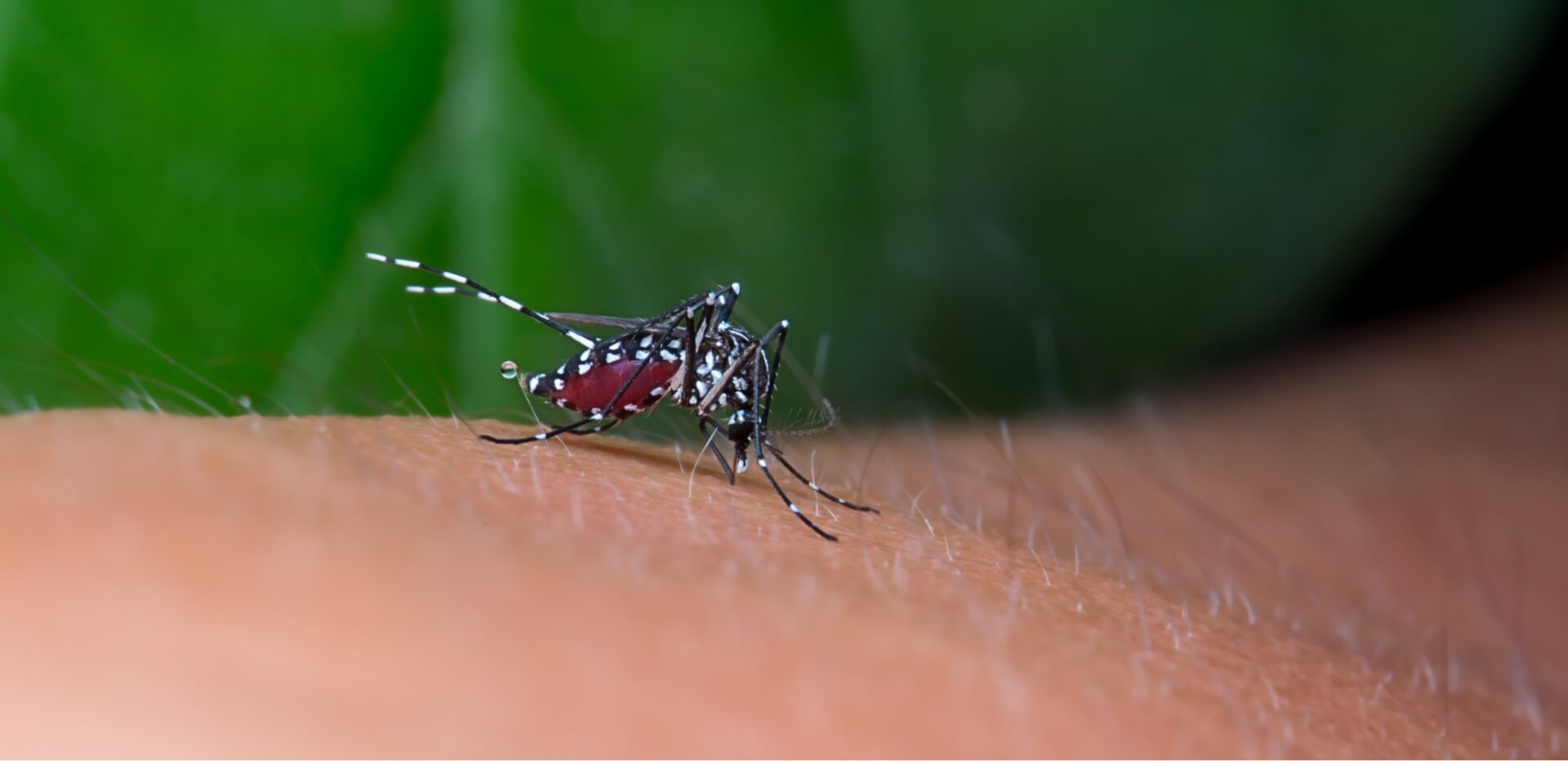
An infected mosquito bite introduces the virus directly into your bloodstream. Once inside the body, the virus can travel to the brain in severe cases, causing inflammation.
Most people do not become seriously ill, but the risk increases depending on travel location, duration, and exposure to rural or farming areas.
Where is Japanese encephalitis most common?
Japanese encephalitis transmission is most common in:
- Rural and agricultural regions.
- Areas with rice fields and standing water.
- Countries across South East Asia and parts of the Western Pacific.
Risk tends to increase during rainy seasons when mosquito populations grow.
What are the symptoms of Japanese encephalitis?
Japanese encephalitis symptoms often do not appear in most infected individuals. However, when symptoms develop, they can range from mild to severe.
Early and mild symptoms
In some cases, symptoms may include:
- Fever.
- Headache.
- Feeling generally unwell.
These can be easily mistaken for other minor illnesses.
Severe symptoms to watch for
In rare but serious cases, the infection can affect the brain. Symptoms may include:
- Confusion or disorientation.
- Seizures.
- Difficulty moving or weakness.
- Reduced consciousness.
Severe cases require urgent medical care and can lead to long-term complications.
How do mosquitoes carry and transmit the virus?
Mosquitoes act as carriers of the virus, making them essential to the spread of the disease. Without them, Japanese encephalitis transmission would not occur.
How mosquitoes become infected
Mosquitoes become infected when they bite animals that carry the virus. The virus then multiplies inside the mosquito.
Why humans are at risk
Humans are considered accidental hosts. This means that while humans can become infected, they do not usually pass the virus on further.
The main risk comes from being bitten by mosquitoes in affected areas, particularly during outdoor activities or at night.
How can you protect yourself from infected mosquito bites?
Preventing mosquito bites is one of the most effective ways to reduce your risk of Japanese encephalitis.
Practical steps to avoid bites
Simple measures can make a big difference:
- Use insect repellent on exposed skin.
- Wear long sleeves and trousers, especially in the evening.
- Sleep under mosquito nets where needed.
- Stay in accommodation with screens or air conditioning.
These steps are especially important in high-risk regions.
When should you consider vaccination?
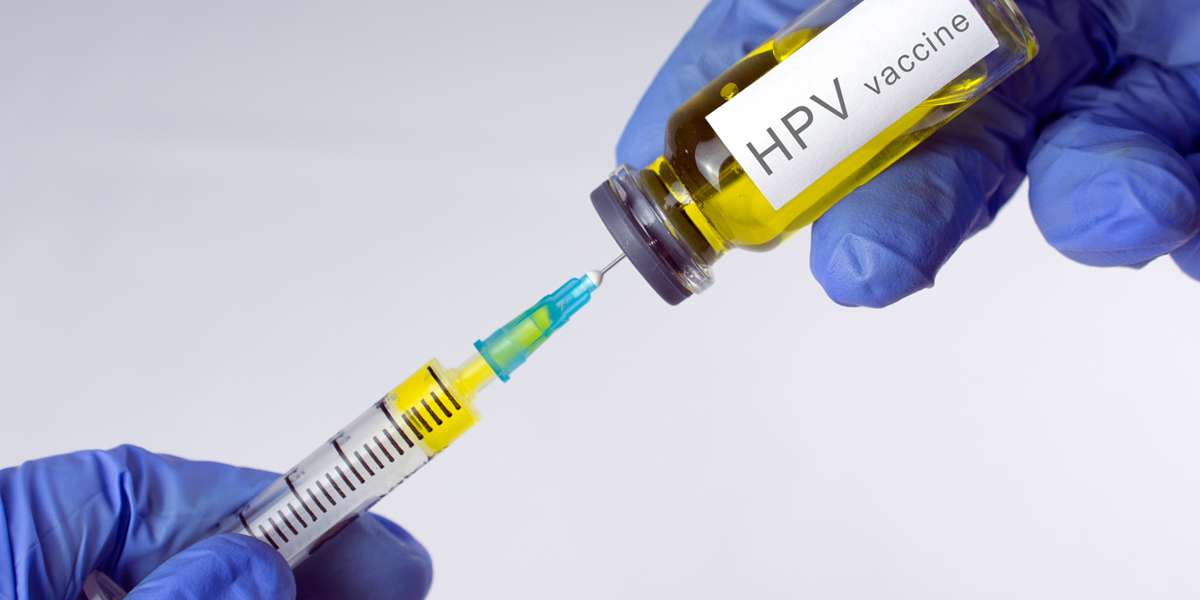
The Japanese encephalitis vaccine is recommended for UK travellers visiting high-risk areas, particularly for extended stays or rural travel.
Our pharmacists can assess your travel plans and advise whether vaccination is appropriate based on your destination and duration.
Is vaccination the best protection against Japanese encephalitis?
Vaccination is one of the most reliable ways to protect against serious illness. While bite prevention reduces exposure, the vaccine provides added protection.
How effective is the vaccine?
The Japanese encephalitis vaccine is highly effective when given as recommended. It helps your immune system recognise and fight the virus if exposed.
Who should get vaccinated?
Vaccination may be advised if you:
- Are travelling to high-risk regions.
- Plan to stay for an extended period.
- Will spend time in rural or agricultural areas.
A personalised consultation with our pharmacists ensures the right approach based on your travel needs.
How can you stay protected when travelling to risk areas?
Staying informed and prepared is key to reducing your risk of infection. Combining vaccination with bite prevention offers the best level of protection.
Before travelling, it is important to review your itinerary, understand local risks, and take appropriate precautions. Even short trips can carry risk if exposure to mosquitoes is high.
Book your appointment with our experts at Touchwood Pharmacy for personalised travel vaccination advice, including protection against Japanese encephalitis and other mosquito-borne diseases.
FAQs
Can Japanese encephalitis spread from person to person?
No, Japanese encephalitis does not spread between people. It only spreads through an infected mosquito bite after the mosquito has picked up the virus from infected animals.
How long after a mosquito bite do Japanese encephalitis symptoms appear?
Symptoms usually appear between 5 and 15 days after an infected mosquito bite. Many people show no symptoms, but severe cases can develop suddenly and require urgent medical attention.
Is Japanese encephalitis common in travellers?
Japanese encephalitis is rare in travellers, but the risk increases with longer stays, rural travel, and outdoor exposure in high-risk regions where mosquito-borne diseases are more common.
Can you get Japanese encephalitis from a single mosquito bite?
Yes, a single infected mosquito bite can transmit the virus. However, not every bite leads to illness, as only mosquitoes carrying the virus can cause infection.
How effective is the Japanese encephalitis vaccine for travellers?
The Japanese encephalitis vaccine is highly effective when given correctly. It significantly reduces the risk of severe infection and is recommended for travellers visiting high-risk areas.
What is the best way to prevent Japanese encephalitis while travelling?
The best protection combines vaccination and avoiding mosquito bites. Using repellents, wearing protective clothing, and staying in screened accommodation reduces exposure to infected mosquitoes effectively.