












Yellow fever is a viral illness found in areas of Africa and South America, and while it is preventable, it can become severe if ignored. According to the World Health Organisation, there are an estimated 200,000 cases of yellow fever worldwide each year, leading to around 30,000 deaths. This is why recognising early yellow fever symptoms is essential, especially if you are travelling to a risk area.
Many early yellow fever disease symptoms can feel like a simple flu at first, which makes them easy to overlook. Knowing what to watch for and taking steps towards yellow fever prevention, including the yellow fever vaccine, can help protect both your health and your travel plans.
What are the first warning signs of yellow fever?
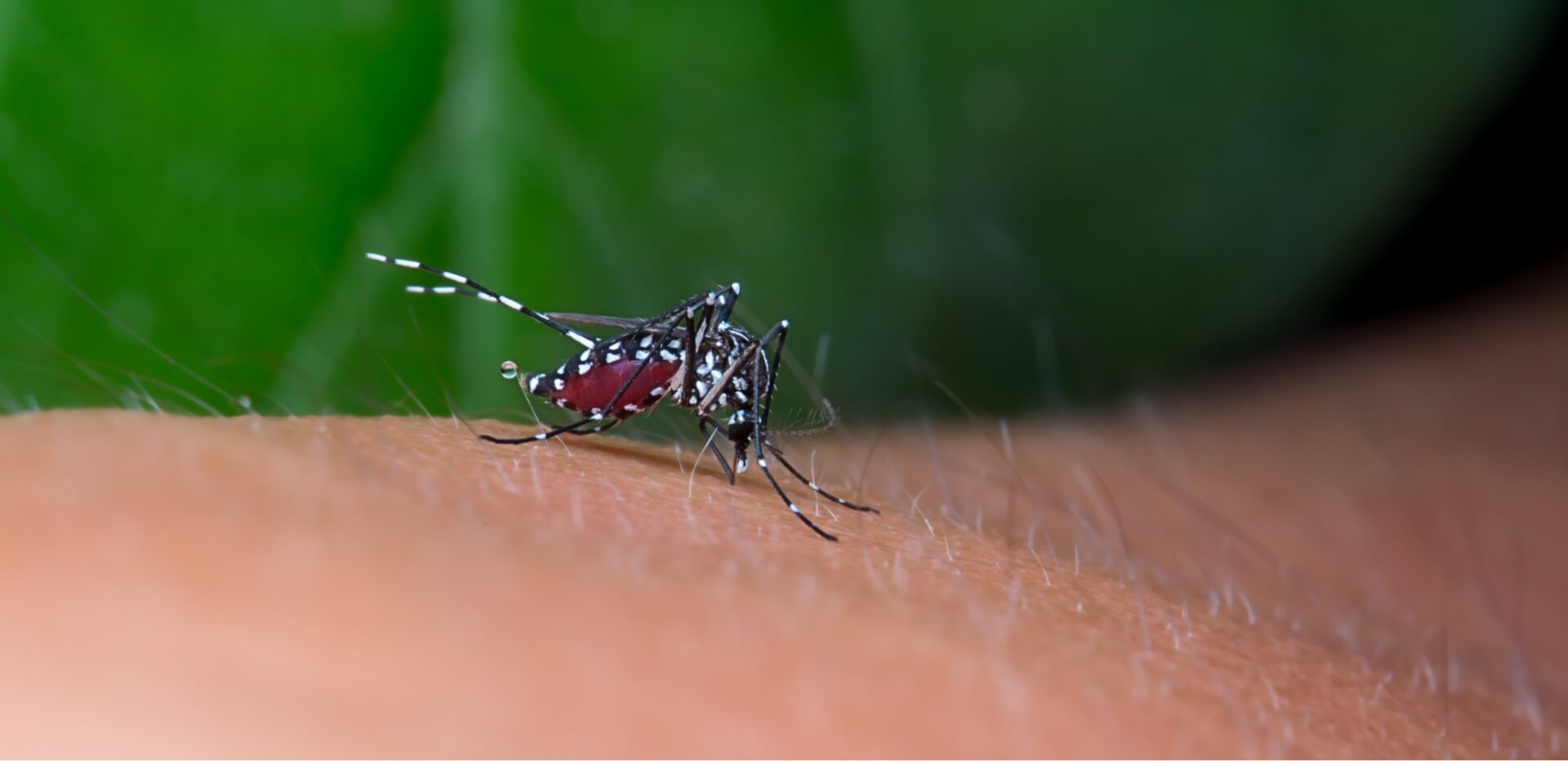
The first signs of yellow fever usually appear three to six days after being bitten by an infected mosquito. Early yellow fever symptoms often resemble a common viral illness.
Fever and chills
A sudden high temperature is one of the most common yellow fever disease symptoms. You may also experience chills and shivering, even in warm weather.
Headache and muscle pain
Many people report a severe headache along with muscle aches, particularly in the back and legs. This can feel similar to a heavy flu.
Nausea and loss of appetite
Feeling sick, vomiting, or losing your appetite are also common signs of yellow fever in the early stage.
For some people, these symptoms improve after a few days. However, a small number may develop more serious complications, so it is important not to ignore persistent or worsening symptoms after travel.
How do yellow fever symptoms progress?
In most cases, yellow fever symptoms settle within three to four days. However, in more severe cases, the illness can move into a second phase.
Jaundice and yellowing of the skin
Yellowing of the eyes or skin is a classic sign, which is how the condition gets its name. This happens when the liver is affected.
Abdominal pain and bleeding
Severe yellow fever disease symptoms can include stomach pain, vomiting blood, or bleeding from the nose or gums. These are medical emergencies and require urgent care.
Extreme fatigue and weakness
Profound tiredness that does not improve can indicate that the infection is affecting major organs.
If you develop any of these symptoms after visiting a risk area, seek urgent help and make sure you mention your recent travel history. You can contact one of our pharmacists at Touchwood Pharmacy for clear advice on the next appropriate steps.
When should you seek help for suspected yellow fever?
You should seek help urgently if you develop a high fever, jaundice, or unexplained bleeding after travel to a country where yellow fever is present.
Early assessment is important because yellow fever can become serious quickly. Even if your symptoms seem mild at first, they should not be ignored if you have recently returned from a high-risk region.
Our pharmacists can advise you on next steps and help you understand whether further assessment is needed.
How does the yellow fever vaccine protect you?
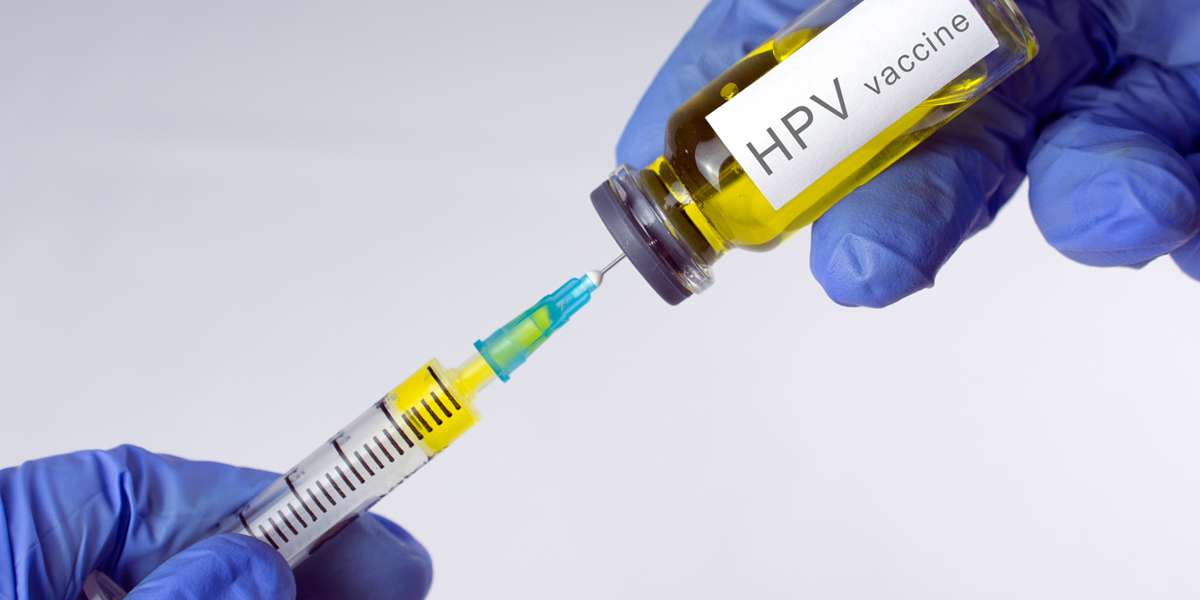
The yellow fever vaccine provides strong and long-lasting protection against infection. It is one of the most effective forms of yellow fever prevention.
What is the yellow fever injection?
The yellow fever injection is a single-dose vaccine given at an approved vaccination centre. In most people, one dose provides lifelong protection.
When should you get vaccinated?
You should receive the yellow fever vaccine at least ten days before travelling to a country where the virus is present. Some countries require proof of vaccination for entry.
Is the vaccine safe?
The yellow fever vaccine is generally safe and well-tolerated. Mild side effects such as soreness at the injection site or a low-grade fever can occur. Serious reactions are rare, and suitability is assessed carefully before vaccination.
How can you reduce your risk of yellow fever while travelling?
Vaccination is the most reliable method of yellow fever prevention, but additional measures also help reduce your risk.
These include:
- Using insect repellent containing DEET.
- Wearing long sleeves and trousers, especially at dusk and dawn.
- Sleeping in rooms with air conditioning or mosquito nets.
- Avoiding areas with high mosquito activity where possible.
Combining the yellow fever vaccine with practical bite prevention measures gives you the best protection.
Planning ahead for safe travel
Recognising early signs of yellow fever and understanding yellow fever symptoms can make a significant difference to outcomes. However, prevention is always better than treatment.
If you are travelling to an area where yellow fever is a risk, speak to our pharmacists well in advance. They can assess your itinerary, review your medical history, and advise whether the yellow fever injection is appropriate for you.
Book your appointment with our experts at Touchwood Pharmacy for yellow fever prevention and travel vaccination advice.
FAQs
How long does it take for yellow fever symptoms to appear after a mosquito bite?
Yellow fever symptoms usually appear three to six days after being bitten by an infected mosquito. Early signs of yellow fever often start suddenly with fever, headache and muscle pain.
Can yellow fever symptoms be mild?
Yes, yellow fever disease symptoms can be mild in some people and may feel like the flu, with fever, aches and nausea. However, symptoms can worsen quickly, so medical advice is important after travel.
What does a yellow fever rash look like?
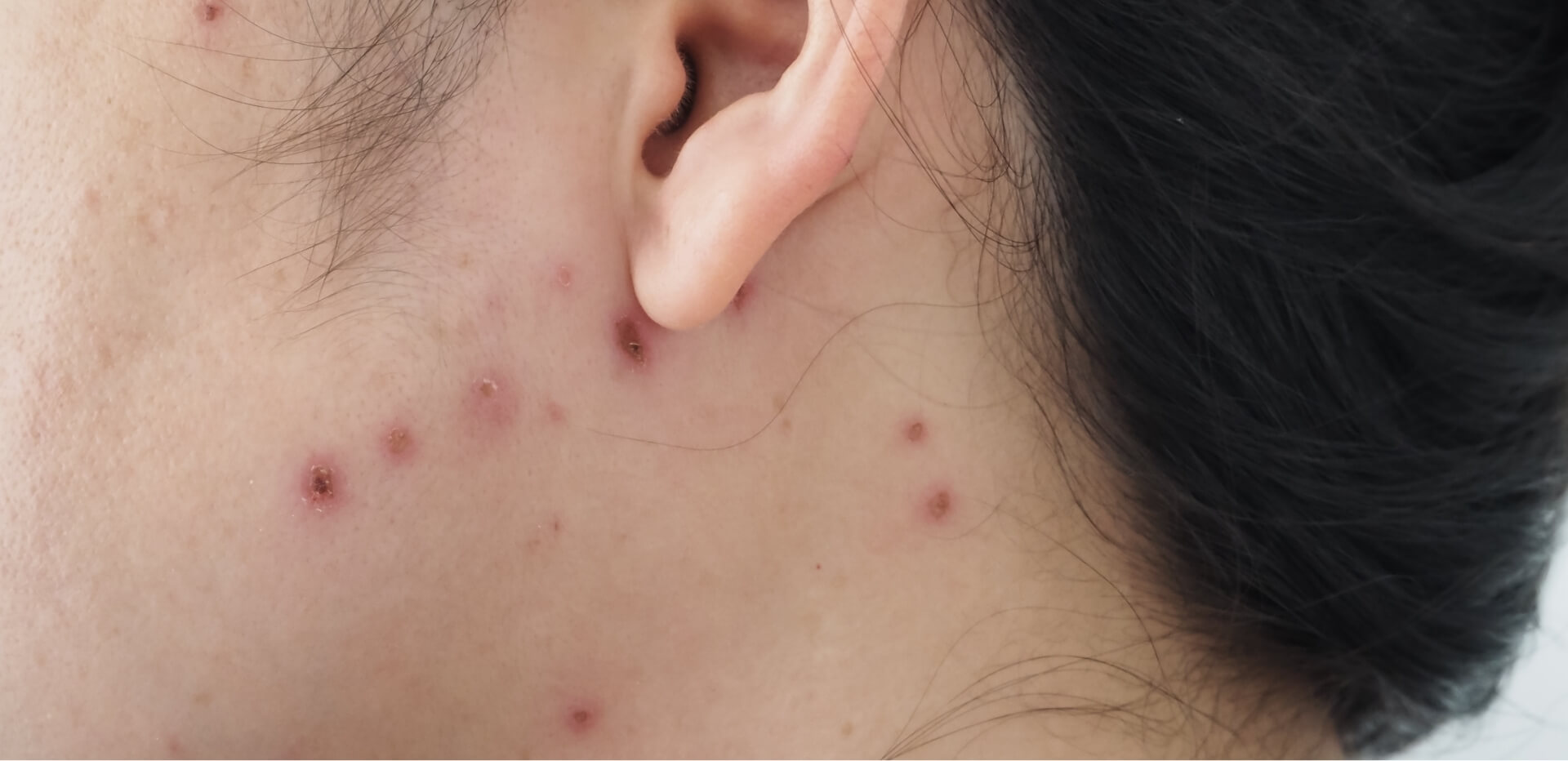
A rash is not always present in yellow fever. When it does occur, it may appear as a mild red rash on the face or body during the early stage of infection.
Is yellow fever contagious from person to person?
No, yellow fever is not spread directly from person to person. It is transmitted through the bite of an infected mosquito. Preventing mosquito bites and having the yellow fever vaccine are key.
How effective is the yellow fever vaccine?
Based on clinical trials, the yellow fever vaccine is highly effective. A single yellow fever injection provides long-lasting protection for most people and is considered the best form of yellow fever prevention when travelling to risk areas.
What should I do if I develop signs of yellow fever after travelling?
If you notice signs of yellow fever, such as high fever, jaundice, or unexplained bleeding after visiting a risky country, seek urgent medical attention and mention your recent travel history.