








Cholera is a serious bacterial infection that can cause rapid, severe dehydration. Although it is rare in the UK, it remains a significant public health concern in parts of Asia, Africa, and Central and South America. If you are planning to travel to a high-risk region, understanding what cholera is, how it spreads, and how to protect yourself is an important part of your pre-travel health preparation.
What Is Cholera?
Cholera is an acute diarrhoeal infection caused by the bacterium Vibrio cholerae. It primarily affects the small intestine and, in severe cases, can cause life-threatening dehydration within hours of symptoms appearing. According to the World Health Organisation, cholera continues to affect millions of people each year in regions with inadequate access to clean water and sanitation.
The disease is most prevalent in areas affected by poverty, conflict, or natural disasters, where water treatment and sanitation infrastructure may be compromised.
What Are the Causes of Cholera Disease?
Cholera is caused by ingesting food or water contaminated with Vibrio cholerae. The most common causes include:
- Drinking untreated or contaminated water, including from wells, rivers, or tap supplies in affected regions
- Eating raw or undercooked shellfish harvested from contaminated water
- Consuming raw fruit, vegetables, or street food washed or prepared using unsafe water
- Poor sanitation infrastructure that allows sewage to contaminate drinking water supplies
The bacteria produce a toxin in the intestine that triggers the body to expel large amounts of fluid, which is the mechanism behind the severe diarrhoea and dehydration characteristic of the disease.
Is Cholera Contagious? How Is Cholera Spread?
Cholera is not typically spread through casual contact between people. It is primarily a waterborne and foodborne illness. However, it can spread rapidly through communities where contaminated water sources are shared.
Direct person-to-person transmission is uncommon, but it can occur via the faecal-oral route where hygiene standards are poor. Thorough and frequent handwashing, particularly after using the toilet and before handling food, is one of the most effective preventive measures available.
What Are the Symptoms of Cholera?
Cholera symptoms can range from mild to life-threatening. Many people infected with Vibrio cholerae experience no symptoms or only a mild illness. In more serious cases, symptoms typically appear within a few hours to five days of exposure and may include:
- Sudden onset of profuse, watery diarrhoea, often described as ‘rice-water’ stools
- Nausea and vomiting
- Muscle cramps caused by rapid loss of electrolytes
- Rapid heart rate, dry mouth, and sunken eyes as signs of severe dehydration
- In the most serious cases, circulatory collapse if rehydration is not prompt
Severe cholera is a medical emergency. Anyone experiencing these symptoms during or after visiting a high-risk area should seek urgent medical attention.
What Is the Treatment for Cholera?
The cornerstone of cholera treatment is prompt rehydration. The majority of cases, including moderately severe ones, can be managed effectively with oral rehydration salts (ORS), which replace the fluids and electrolytes lost through diarrhoea and vomiting.
In more severe cases, intravenous fluids may be required. Antibiotics are sometimes prescribed alongside rehydration therapy to reduce the duration and severity of the illness.
With appropriate treatment, the mortality rate for cholera is well below one per cent. Without treatment, severe cases can be fatal.
Is There a Cholera Vaccine?
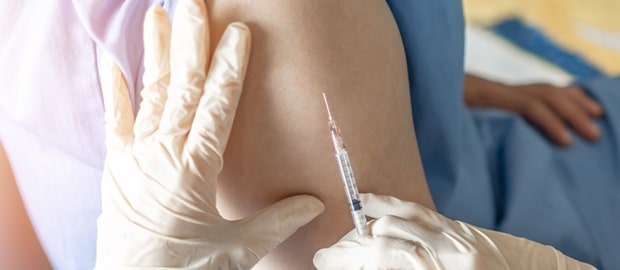
Yes. An oral cholera disease vaccine is available in the UK and is recommended for travellers visiting areas where cholera is endemic or where an active outbreak has been reported. The vaccine, known as Dukoral, is taken as a drink and provides protection for most people when administered correctly.
It is important to note that the cholera vaccine is not a substitute for safe food and water precautions. Vaccination combined with sensible hygiene practices offers the most effective protection for travellers.
Book Your Cholera Vaccination at Touchwood Pharmacy
Touchwood Pharmacy offers travel health consultations and cholera vaccinations at branches across the UK, including Ramsgate, Northampton, Streatham, Sydenham, Northolt, Camberley, Bromley, Walsall, and Leighton Buzzard. Whether you are travelling to a high-risk destination or want to review your vaccination needs before you depart, our experienced pharmacy team is here to help.
Ready to protect yourself before you travel? Book an appointment online today to speak with one of our travel health experts about the cholera vaccine and any other vaccinations recommended for your destination.
This article is for informational purposes only and does not constitute medical advice. Always consult a qualified healthcare professional before making decisions about vaccination or travel health.
Frequently Asked Questions (FAQ’s)
Can you catch cholera in the UK?
Cholera is extremely rare in the UK due to high standards of water treatment and sanitation. Almost all cases reported in the UK occur in people who have recently travelled to high-risk countries. There is no endemic cholera transmission in the UK.
How long does cholera last?
With prompt treatment using oral rehydration salts, most people recover from cholera within one to two weeks. Severe cases requiring intravenous fluids need closer medical management, but outcomes are generally good when treatment begins quickly.
Who should get the cholera vaccine?
The cholera vaccine (Dukoral) is recommended for travellers visiting areas where cholera is present or where outbreaks have been reported, particularly if access to clean water and medical facilities may be limited. It is also considered for aid workers, healthcare volunteers, and those responding to affected regions during disasters.
How is the cholera vaccine taken?
Dukoral is an oral vaccine taken as a drink, mixed with a buffer solution. Adults and children aged six and over require two doses taken one to six weeks apart. The course should ideally be completed at least one week before potential exposure. Your pharmacist will provide full instructions at the time of your appointment.
Does the cholera vaccine protect against traveller’s diarrhoea?
Dukoral also provides short-term partial protection against traveller’s diarrhoea caused by certain strains of enterotoxigenic Escherichia coli (ETEC). This can be a useful additional benefit for travellers visiting regions with poor sanitation, though protection is partial and not a guarantee.
What should I do if I think I have cholera?
If you develop profuse watery diarrhoea during or after travel to a high-risk area, begin oral rehydration immediately and seek urgent medical attention. In the UK, contact your GP or call NHS 111. In a severe case, attend your nearest A&E department. Always inform medical staff of your recent travel history.